BeFreed
    Categories>Finance & Economics>How Indian Economic Regulators Keep the Market Safe

    How Indian Economic Regulators Keep the Market Safe

    21分
    |
    |
    2026年4月7日
    EconomicsFinanceBusiness

    Managing India's economy can feel like a high-stakes carnival. Learn how the RBI and SEBI prevent chaos by regulating credit and stopping market scams.

    How Indian Economic Regulators Keep the Market Safe

    How Indian Economic Regulators Keep the Market Safeのベスト引用

    “

    Regulation is an 'invisible fabric'—you don’t always see it when you’re walking through the carnival, but it’s what keeps the whole tent from collapsing in a high wind.

    ”

    このオーディオレッスンはBeFreedコミュニティメンバーが作成しました

    質問を入力

    Indian Economy - Cover the Indian Economy function including RBI, banks and SEBI or any other authrity and there respective role.


    ホストの声
    Jacksonplay
    Niaplay
    学習スタイル
    ファン
    知識ソース
    End of Alchemy
    Tower of Basel
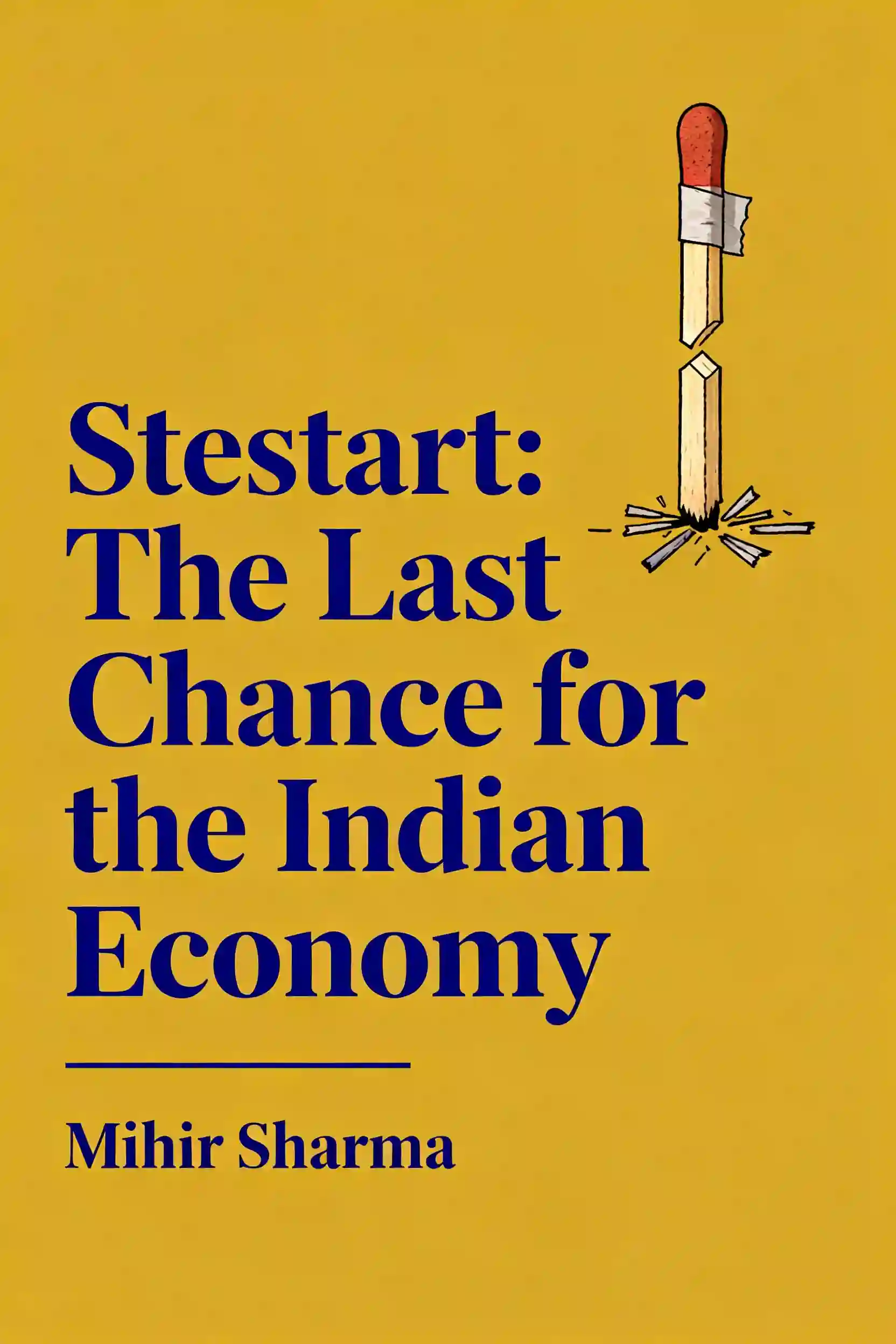
    Restart
    Broken Money
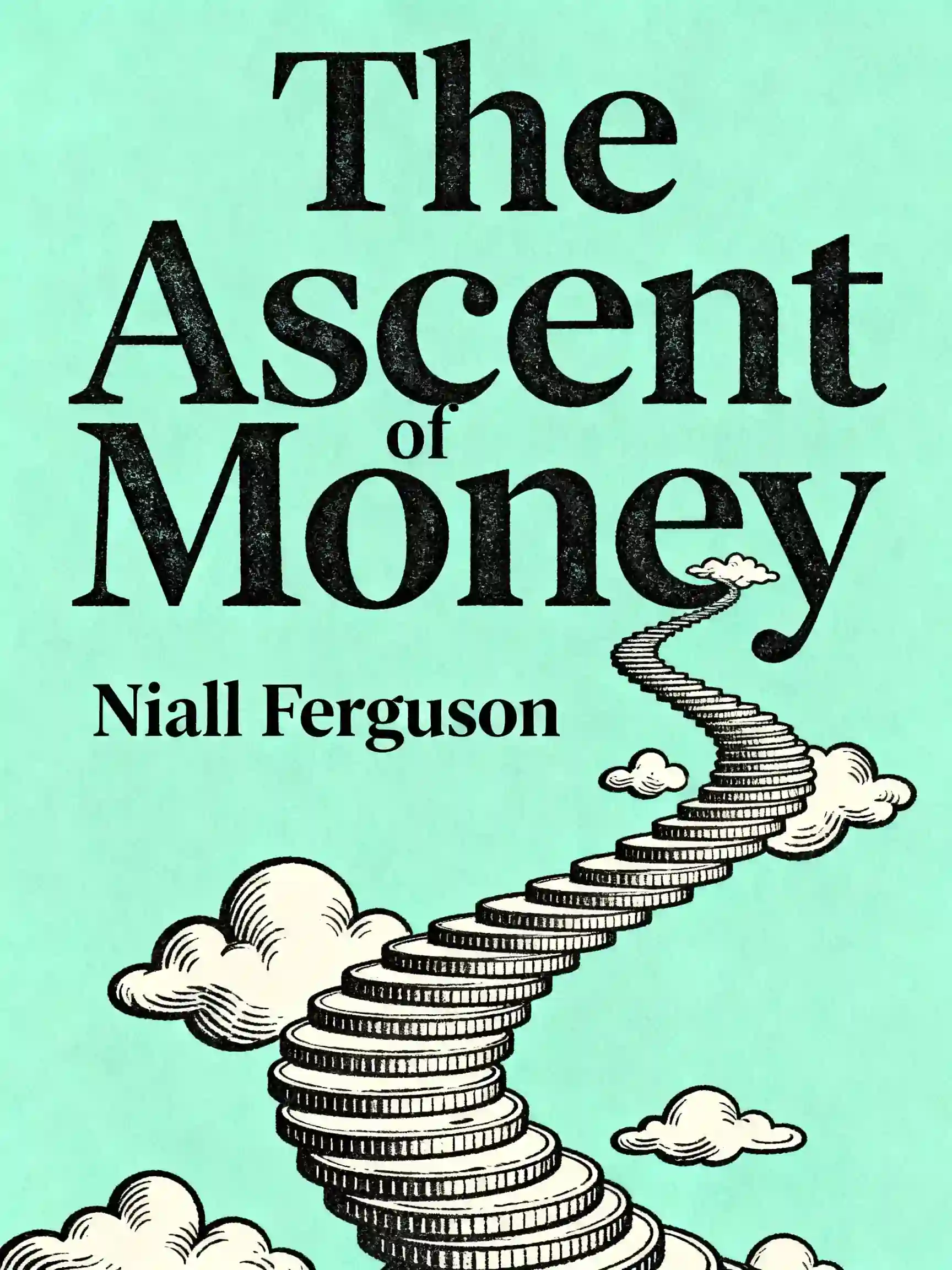
    The Ascent of Money
    The only game in town

    よくある質問

    もっと発見

    Finance Podcast Series for Indian Pros

    Finance Podcast Series for Indian Pros

    学習プラン

    Finance Podcast Series for Indian Pros

    This series is essential for Indian professionals seeking to bridge the gap between basic savings and sophisticated wealth creation. It combines market-specific investment strategies with corporate finance expertise to accelerate both personal net worth and career trajectory.

    3 h 27 m•4 セクション
    Economics in depth

    Economics in depth

    学習プラン

    Economics in depth

    Economics shapes every aspect of modern life, from personal financial decisions to global policy debates, yet most people lack a comprehensive understanding of how markets truly function. This learning plan is ideal for professionals, students, policymakers, and curious minds who want to move beyond surface-level explanations and develop genuine economic literacy that applies to real-world challenges.

    2 h 34 m•4 セクション
    Economic development and politics

    Economic development and politics

    学習プラン

    Economic development and politics

    This plan is essential for understanding the complex interplay between government policy and global market dynamics. It is ideal for aspiring policymakers, economists, and global business leaders seeking to drive sustainable national growth.

    3 h 7 m•4 セクション
    India govt exam prep & related news updates

    India govt exam prep & related news updates

    学習プラン

    India govt exam prep & related news updates

    Success in Indian government examinations requires deep knowledge of constitutional frameworks, economics, geography, and current affairs, along with strategic preparation techniques. This learning plan equips aspirants with comprehensive subject knowledge and exam strategies needed to excel in UPSC, SSC, banking, and other competitive government recruitment tests.

    1 h 49 m•4 セクション
    Understand the Stock Market Basics

    Understand the Stock Market Basics

    学習プラン

    Understand the Stock Market Basics

    Understanding the stock market is essential for building wealth and achieving financial independence in today's economy. This learning plan provides beginners with the knowledge and confidence to start investing wisely, while avoiding common pitfalls that often discourage new investors.

    2 h 4 m•5 セクション
    AI for car insurance marketing in reg space

    AI for car insurance marketing in reg space

    学習プラン

    AI for car insurance marketing in reg space

    The car insurance industry faces intense competition and strict regulatory oversight, making traditional marketing approaches increasingly ineffective. This learning plan equips insurance marketers, product managers, and business leaders with AI-driven strategies to stand out in crowded markets while maintaining compliance. You'll gain practical skills to automate customer acquisition, personalize experiences at scale, and build data-driven competitive advantages that drive sustainable growth in this highly regulated sector.

    3 h 27 m•4 セクション
    Nepal Banking

    Nepal Banking

    学習プラン

    Nepal Banking

    This plan provides a deep dive into the evolution of banking within developing economies like Nepal. It is ideal for finance students, policy enthusiasts, and banking professionals looking to navigate the intersection of traditional central banking and the modern digital revolution.

    3 h 23 m•4 セクション
    Risk Arbitrage

    Risk Arbitrage

    学習プラン

    Risk Arbitrage

    Risk arbitrage is a sophisticated investment strategy that allows traders to profit from corporate events and market inefficiencies surrounding M&A activity. This learning plan is ideal for finance professionals, aspiring hedge fund analysts, and active investors seeking to understand how institutional players generate returns from deal-making and special situations while managing downside risk.

    2 h 34 m•4 セクション

    コロンビア大学卒業生がサンフランシスコで開発

    BeFreedは1,000,000の好奇心旺盛な仲間が集うグローバルコミュニティ
    BeFreedがウェブ上でどのように話題になっているかをもっと見る

    "Instead of endless scrolling, I just hit play on BeFreed. It saves me so much time."

    @Moemenn
    platform
    star
    star
    star
    star
    star

    "I never knew where to start with nonfiction—BeFreed’s book lists turned into podcasts gave me a clear path."

    @Chloe, Solo founder, LA
    platform
    comments
    12
    likes
    117

    "Perfect balance between learning and entertainment. Finished ‘Thinking, Fast and Slow’ on my commute this week."

    @Raaaaaachelw
    platform
    star
    star
    star
    star
    star

    "Crazy how much I learned while walking the dog. BeFreed = small habits → big gains."

    @Matt, YC alum
    platform
    comments
    12
    likes
    108

    "Reading used to feel like a chore. Now it’s just part of my lifestyle."

    @Erin, Investment Banking Associate , NYC
    platform
    comments
    254
    likes
    17

    "Feels effortless compared to reading. I’ve finished 6 books this month already."

    @djmikemoore
    platform
    star
    star
    star
    star
    star

    "BeFreed turned my guilty doomscrolling into something that feels productive and inspiring."

    @Pitiful
    platform
    comments
    96
    likes
    4.5K

    "BeFreed turned my commute into learning time. 20-min podcasts are perfect for finishing books I never had time for."

    @SofiaP
    platform
    star
    star
    star
    star
    star

    "BeFreed replaced my podcast queue. Imagine Spotify for books — that’s it. 🙌"

    @Jaded_Falcon
    platform
    comments
    201
    thumbsUp
    16

    "It is great for me to learn something from the book without reading it."

    @OojasSalunke
    platform
    star
    star
    star
    star
    star

    "The themed book list podcasts help me connect ideas across authors—like a guided audio journey."

    @Leo, Law Student, UPenn
    platform
    comments
    37
    likes
    483

    "Makes me feel smarter every time before going to work"

    @Cashflowbubu
    platform
    star
    star
    star
    star
    star

    コロンビア大学卒業生がサンフランシスコで開発

    BeFreedは1,000,000の好奇心旺盛な仲間が集うグローバルコミュニティ
    BeFreedがウェブ上でどのように話題になっているかをもっと見る

    "Instead of endless scrolling, I just hit play on BeFreed. It saves me so much time."

    @Moemenn
    platform
    star
    star
    star
    star
    star

    "I never knew where to start with nonfiction—BeFreed’s book lists turned into podcasts gave me a clear path."

    @Chloe, Solo founder, LA
    platform
    comments
    12
    likes
    117

    "Perfect balance between learning and entertainment. Finished ‘Thinking, Fast and Slow’ on my commute this week."

    @Raaaaaachelw
    platform
    star
    star
    star
    star
    star

    "Crazy how much I learned while walking the dog. BeFreed = small habits → big gains."

    @Matt, YC alum
    platform
    comments
    12
    likes
    108

    "Reading used to feel like a chore. Now it’s just part of my lifestyle."

    @Erin, Investment Banking Associate , NYC
    platform
    comments
    254
    likes
    17

    "Feels effortless compared to reading. I’ve finished 6 books this month already."

    @djmikemoore
    platform
    star
    star
    star
    star
    star

    "BeFreed turned my guilty doomscrolling into something that feels productive and inspiring."

    @Pitiful
    platform
    comments
    96
    likes
    4.5K

    "BeFreed turned my commute into learning time. 20-min podcasts are perfect for finishing books I never had time for."

    @SofiaP
    platform
    star
    star
    star
    star
    star

    "BeFreed replaced my podcast queue. Imagine Spotify for books — that’s it. 🙌"

    @Jaded_Falcon
    platform
    comments
    201
    thumbsUp
    16

    "It is great for me to learn something from the book without reading it."

    @OojasSalunke
    platform
    star
    star
    star
    star
    star

    "The themed book list podcasts help me connect ideas across authors—like a guided audio journey."

    @Leo, Law Student, UPenn
    platform
    comments
    37
    likes
    483

    "Makes me feel smarter every time before going to work"

    @Cashflowbubu
    platform
    star
    star
    star
    star
    star

    "Instead of endless scrolling, I just hit play on BeFreed. It saves me so much time."

    @Moemenn
    platform
    star
    star
    star
    star
    star

    "I never knew where to start with nonfiction—BeFreed’s book lists turned into podcasts gave me a clear path."

    @Chloe, Solo founder, LA
    platform
    comments
    12
    likes
    117

    "Perfect balance between learning and entertainment. Finished ‘Thinking, Fast and Slow’ on my commute this week."

    @Raaaaaachelw
    platform
    star
    star
    star
    star
    star

    "Crazy how much I learned while walking the dog. BeFreed = small habits → big gains."

    @Matt, YC alum
    platform
    comments
    12
    likes
    108

    "Reading used to feel like a chore. Now it’s just part of my lifestyle."

    @Erin, Investment Banking Associate , NYC
    platform
    comments
    254
    likes
    17

    "Feels effortless compared to reading. I’ve finished 6 books this month already."

    @djmikemoore
    platform
    star
    star
    star
    star
    star

    "BeFreed turned my guilty doomscrolling into something that feels productive and inspiring."

    @Pitiful
    platform
    comments
    96
    likes
    4.5K

    "BeFreed turned my commute into learning time. 20-min podcasts are perfect for finishing books I never had time for."

    @SofiaP
    platform
    star
    star
    star
    star
    star

    "BeFreed replaced my podcast queue. Imagine Spotify for books — that’s it. 🙌"

    @Jaded_Falcon
    platform
    comments
    201
    thumbsUp
    16

    "It is great for me to learn something from the book without reading it."

    @OojasSalunke
    platform
    star
    star
    star
    star
    star

    "The themed book list podcasts help me connect ideas across authors—like a guided audio journey."

    @Leo, Law Student, UPenn
    platform
    comments
    37
    likes
    483

    "Makes me feel smarter every time before going to work"

    @Cashflowbubu
    platform
    star
    star
    star
    star
    star

    "Instead of endless scrolling, I just hit play on BeFreed. It saves me so much time."

    @Moemenn
    platform
    star
    star
    star
    star
    star

    "I never knew where to start with nonfiction—BeFreed’s book lists turned into podcasts gave me a clear path."

    @Chloe, Solo founder, LA
    platform
    comments
    12
    likes
    117

    "Perfect balance between learning and entertainment. Finished ‘Thinking, Fast and Slow’ on my commute this week."

    @Raaaaaachelw
    platform
    star
    star
    star
    star
    star

    "Crazy how much I learned while walking the dog. BeFreed = small habits → big gains."

    @Matt, YC alum
    platform
    comments
    12
    likes
    108

    "Reading used to feel like a chore. Now it’s just part of my lifestyle."

    @Erin, Investment Banking Associate , NYC
    platform
    comments
    254
    likes
    17

    "Feels effortless compared to reading. I’ve finished 6 books this month already."

    @djmikemoore
    platform
    star
    star
    star
    star
    star

    "BeFreed turned my guilty doomscrolling into something that feels productive and inspiring."

    @Pitiful
    platform
    comments
    96
    likes
    4.5K

    "BeFreed turned my commute into learning time. 20-min podcasts are perfect for finishing books I never had time for."

    @SofiaP
    platform
    star
    star
    star
    star
    star

    "BeFreed replaced my podcast queue. Imagine Spotify for books — that’s it. 🙌"

    @Jaded_Falcon
    platform
    comments
    201
    thumbsUp
    16

    "It is great for me to learn something from the book without reading it."

    @OojasSalunke
    platform
    star
    star
    star
    star
    star

    "The themed book list podcasts help me connect ideas across authors—like a guided audio journey."

    @Leo, Law Student, UPenn
    platform
    comments
    37
    likes
    483

    "Makes me feel smarter every time before going to work"

    @Cashflowbubu
    platform
    star
    star
    star
    star
    star
    1.5K Ratings4.7
    今すぐ学習の旅を始めよう
    BeFreed App
    BeFreed

    なんでも、あなた向けに学ぶ

    DiscordLinkedIn
    注目の書籍要約
    Crucial ConversationsThe Perfect MarriageInto the WildNever Split the DifferenceAttachedGood to GreatSay Nothing
    人気のカテゴリ
    Self HelpCommunication SkillRelationshipMindfulnessPhilosophyInspirationProductivity
    著名人の読書リスト
    Elon MuskCharlie KirkBill GatesSteve JobsAndrew HubermanJoe RoganJordan Peterson
    受賞作品コレクション
    Pulitzer PrizeNational Book AwardGoodreads Choice AwardsNobel Prize in LiteratureNew York TimesCaldecott MedalNebula Award
    注目のトピック
    ManagementAmerican HistoryWarTradingStoicismAnxietySex
    年別ベストブック
    2025 Best Non Fiction Books2024 Best Non Fiction Books2023 Best Non Fiction Books
    注目の著者
    Chimamanda Ngozi AdichieGeorge OrwellO. J. SimpsonBarbara O'NeillWinston ChurchillCharlie Kirk
    BeFreed vs 他のアプリ
    BeFreed vs. Other Book Summary AppsBeFreed vs. ElevenReaderBeFreed vs. ReadwiseBeFreed vs. Anki
    学習ツール
    Knowledge VisualizerAI Podcast Generator
    情報
    会社概要arrow
    料金arrow
    よくある質問arrow
    ブログarrow
    採用情報arrow
    パートナーシップarrow
    アンバサダープログラムarrow
    ディレクトリarrow
    BeFreed
    Try now
    © 2026 BeFreed
    利用規約プライバシーポリシー
    BeFreed

    なんでも、あなた向けに学ぶ

    DiscordLinkedIn
    注目の書籍要約
    Crucial ConversationsThe Perfect MarriageInto the WildNever Split the DifferenceAttachedGood to GreatSay Nothing
    人気のカテゴリ
    Self HelpCommunication SkillRelationshipMindfulnessPhilosophyInspirationProductivity
    著名人の読書リスト
    Elon MuskCharlie KirkBill GatesSteve JobsAndrew HubermanJoe RoganJordan Peterson
    受賞作品コレクション
    Pulitzer PrizeNational Book AwardGoodreads Choice AwardsNobel Prize in LiteratureNew York TimesCaldecott MedalNebula Award
    注目のトピック
    ManagementAmerican HistoryWarTradingStoicismAnxietySex
    年別ベストブック
    2025 Best Non Fiction Books2024 Best Non Fiction Books2023 Best Non Fiction Books
    学習ツール
    Knowledge VisualizerAI Podcast Generator
    注目の著者
    Chimamanda Ngozi AdichieGeorge OrwellO. J. SimpsonBarbara O'NeillWinston ChurchillCharlie Kirk
    BeFreed vs 他のアプリ
    BeFreed vs. Other Book Summary AppsBeFreed vs. ElevenReaderBeFreed vs. ReadwiseBeFreed vs. Anki
    情報
    会社概要arrow
    料金arrow
    よくある質問arrow
    ブログarrow
    採用情報arrow
    パートナーシップarrow
    アンバサダープログラムarrow
    ディレクトリarrow
    BeFreed
    Try now
    © 2026 BeFreed
    利用規約プライバシーポリシー

    重要なポイント

    1

    Who Runs the Economic Carnival

    0:00

    Jackson: Imagine walking into the world’s most massive, high-stakes carnival. You’ve got millions of people, neon lights, and high-speed rides like the Nifty Next 50. It’s exhilarating, but without the right operators, that giant roller coaster is just a pile of runaway metal.

    0:17

    Nia: Exactly! And in the Indian economy, those operators are the regulatory bodies. It’s wild to think that before the RBI was established in 1935, the whole currency and credit system was basically unregulated. It was total chaos until they stepped in as the "Central Banker" to keep the rides from crashing.

    0:36

    Jackson: Right, and then you have SEBI, which didn't even get its statutory teeth until 1992 after a massive market scam. They’re like the ultimate security guards, making sure no one is rigging the games or hiding the prizes.

    0:51

    Nia: It’s a huge operation involving everyone from the Ministry of Corporate Affairs to the insurance gurus at IRDAI. Let’s dive into how these financial superheroes actually keep the entire park running safely.

    2

    The Blueprint of the Park

    1:04

    Jackson: So, building on that carnival image—if the Indian economy is this massive fairground, the Reserve Bank of India, or RBI, is basically the person who owns the land and provides the electricity. Without them, the lights don’t turn on, and the music doesn’t play. I was diving into the RBI Act of 1934, and it’s essentially the original blueprint for the entire park. It’s wild to think they started as a private company in 1935 before being nationalized in 1949.

    1:34

    Nia: It really is a transformation story! And you hit on something key—the electricity. In economic terms, that’s liquidity. The RBI’s main job is making sure there’s enough "power" for the rides to run, but not so much that the system overheats. They use these tools like the repo rate—which is basically the interest rate they charge banks to borrow money—to control that flow. If they lower the rate, it’s like turning up the voltage; businesses can borrow more easily, they expand, and the carnival gets louder and busier.

    2:03

    Jackson: But if it gets too loud—if prices start spiraling—that’s inflation. And that’s where the RBI has to be the "bad cop" and dial it back, right? I read that they actually have a very specific target now. Since the 2016 amendment to the RBI Act, they have this Monetary Policy Committee, or MPC. It’s a six-member team that’s legally mandated to keep inflation around 4 percent.

    2:26

    Nia: Exactly, with a little wiggle room of plus or minus 2 percent. It’s all about balance. Think of it like the park’s governor. If the roller coaster starts going dangerously fast, the MPC pulls the lever. They’re not just guessing, either. They look at a mountain of evidence—everything from how much people are spending to global oil prices. It’s a far cry from the pre-1935 days when, as the sources mention, the currency and credit systems were totally unregulated and basically at the mercy of the Imperial Bank and the colonial government.

    2:55

    Jackson: And it’s not just about the big picture stuff. The RBI is also the "Banker to the Government." Imagine the government has a giant wallet—the RBI is the one holding it, processing the payments, and even managing the "public debt." When the government needs to build a new highway or a school, the RBI helps them issue bonds to raise the money.

    3:19

    Nia: Plus, they’re the "Banker to Banks." Every commercial bank in India has to keep a slice of their deposits with the RBI—that’s the Cash Reserve Ratio or CRR. It’s like a safety deposit that ensures the bank doesn’t go bust if everyone decides to withdraw their money at once. It’s that "Lender of Last Resort" role. If a bank hits a snag, the RBI is the one with the emergency backup generator to keep things from going dark.

    3:44

    Jackson: It’s fascinating because while the RBI is managing the "power" and the "infrastructure," they’ve also got these Local Boards in the North, South, East, and West. It’s like having regional managers for different sections of the carnival to make sure the specific needs of, say, the farmers in the North or the tech hubs in the South are being met. It’s a massive, multi-layered oversight system just to keep the ground steady.

    3

    The Security Squad at the Midway

    4:10

    Nia: Now, if the RBI is managing the power, the Securities and Exchange Board of India—SEBI—is the security squad walking the midway. They’re making sure nobody is running a "shell game" or rigging the ring toss. I mean, SEBI didn't even have statutory powers until 1992, following that infamous Harshad Mehta scam. Before that, it was a bit like the Wild West in the stock market.

    4:33

    Jackson: That’s such a great way to put it. SEBI is the "watchdog." Their whole reason for existing is to protect us—the investors. If you’re buying shares in a company or putting money into a mutual fund, SEBI is the reason you can sleep at night. They mandate "full disclosure," which basically means companies can’t hide their dirty laundry. They have to tell you exactly how they’re doing so you can make an informed choice.

    4:57

    Nia: And they have some serious muscle now. They can investigate, they can audit, and they can even ban people from the market if they catch them cheating. One of the coolest things they’ve done recently is move to the T plus 1 settlement cycle. Remember the old days when you’d sell a stock and have to wait days to get your money? Now, it happens in just one business day. It’s like the "fast pass" of financial transactions—it makes the whole market more efficient and reduces the risk of things getting lost in the shuffle.

    5:23

    Jackson: It’s interesting how they handle different groups. SEBI has to be responsive to the "issuers"—the companies wanting to raise money—the "intermediaries"—like brokers and mutual funds—and of course, the "investors." They’re constantly updating the rulebook. For example, they have these "Listing Obligations and Disclosure Requirements," or LODR. It sounds super technical, but it’s really just a set of rules that says, "If you want to be on our stock exchange, you have to be transparent."

    5:50

    Nia: Right! And they’re also the ones cracking down on "insider trading." Imagine if one of the carnival workers knew exactly which horse was going to win the race before it even started and told their friends. That wouldn’t be fair to everyone else playing the game. SEBI monitors trading patterns in real-time to catch that kind of stuff. They even have this portal called SCORES where anyone can go to file a complaint if they feel like they’ve been cheated.

    6:12

    Jackson: I also noticed they’ve been pushing for "Business Responsibility and Sustainability Reporting," or BRSR. It’s not just about the money anymore. SEBI is starting to ask the top 1000 companies to disclose how they’re affecting the environment and society. It’s like the carnival saying, "We’re not just here to take your tickets; we’re also making sure we’re not polluting the neighborhood."

    6:32

    Nia: It’s a huge shift. And they don’t work in a vacuum. If someone disagrees with a SEBI ruling, they can go to the Securities Appellate Tribunal, or SAT. It’s like having a referee for the security guards. It ensures that the regulators themselves are playing by the rules and that there’s a fair process for everyone. It’s all about building that "investor confidence" which, as the sources say, is the foundation of a thriving capital market.

    4

    The Special Attractions Operators

    6:56

    Jackson: So we’ve got the power and the security, but a carnival also has specialized tents—the insurance tent, the pension tent, even the corporate headquarters. This is where players like IRDAI and PFRDA come in. It’s like they’re the specialized inspectors for the most complex parts of the park.

    0:17

    Nia: Exactly! Take the Insurance Regulatory and Development Authority of India—IRDAI. They’re the ones making sure that when you buy a "safety net"—like life or health insurance—it’s actually there when you fall. They license the companies, but they also make sure insurance reaches the rural areas and the most vulnerable people. It’s not just about profit; it’s about social protection.

    7:39

    Jackson: And then there’s PFRDA—the Pension Fund Regulatory and Development Authority. They’re managing the "long-term savings" tent, specifically things like the National Pension System or NPS. Their job is to make sure your retirement money is being handled by qualified fund managers and that no one is pulling a "disappearing act" with your future. They’re all about safeguarding the interests of people who won’t need that money for twenty or thirty years.

    8:06

    Nia: It’s really about protecting the different stages of a person’s life. And don’t forget the Ministry of Corporate Affairs, or MCA. They’re like the "Registry Office" for the entire carnival. Every "business" or "booth" has to be registered with them under the Companies Act. They make sure the corporate sector is functioning smoothly and that all the stakeholders—the owners, the employees, the creditors—are being treated fairly.

    8:29

    Jackson: It’s a lot of acronyms, but when you break it down, it’s all about specialized oversight. I mean, we even had the Forward Market Commission, or FMC, which used to regulate things like "commodity futures"—basically betting on the future price of things like gold or wheat. But in a big move a few years ago, the FMC was actually merged into SEBI. It’s like the security team took over the "future bets" tent to make everything more streamlined.

    8:55

    Nia: That’s a great example of how the system evolves. Even the mutual fund industry has its own body—AMFI, the Association of Mutual Funds in India. While they work under SEBI’s umbrella, they’re the ones setting the daily standards and running websites where you can check the "Net Asset Value" of your funds. It’s like having a specialized board that updates the "current prize value" every single day so you know exactly what your ticket is worth.

    9:20

    Jackson: And we can’t forget the Insolvency and Bankruptcy Board of India, or IBBI. They’re like the "clean-up crew" for when a ride—or a company—actually breaks down beyond repair. Before the IBBI and the Insolvency and Bankruptcy Code of 2016, it was incredibly hard to "exit" a business in India. Now, there’s a clear, professional process for winding things down and making sure the creditors get as much of their money back as possible. It’s a tough job, but it’s essential for a healthy "economic ecosystem."

    9:51

    Nia: It really is. It’s about ensuring that even when things fail—and they will—the failure doesn't take down the entire park. Each of these regulators has a very specific "lane," but they’re all driving toward the same goal: keeping the Indian economy stable, transparent, and fair for everyone involved.

    5

    The Invisible Fabric of Stability

    10:09

    Jackson: You know, Nia, I was reading this speech by the current RBI Governor, Sanjay Malhotra, from late 2025. He describes regulation as an "invisible fabric." It’s such a poetic way to think about it. You don’t always see it when you’re walking through the carnival, but it’s what keeps the whole tent from collapsing in a high wind.

    10:27

    Nia: That’s a perfect metaphor. And he talked about five key principles that the RBI uses when they’re weaving this fabric. The first one is "Principle-based vs. Rule-based" regulation. It’s like the difference between a parent giving a kid a strict "to-do list" and giving them broad "guidelines" as they get older. The RBI prefers principles because it focuses on the "outcome" rather than just checking boxes. It stops companies from finding "loopholes" just to follow the letter of the law while breaking the spirit of it.

    10:57

    Jackson: Right, and the second principle is "Proportionality." It’s the idea that a small local "merry-go-round" bank shouldn't be regulated the same way as a massive "intercontinental roller coaster" bank. The rules should fit the risk. That’s why they have "scale-based regulations" for NBFCs—Non-Banking Financial Companies—and different tiers for cooperative banks. It’s about being "risk-sensitive."

    11:19

    Nia: And then there’s "Consultation." This is huge. The RBI doesn't just sit in a room and make up rules. They put out "draft guidelines" and ask the public—and the banks—what they think. It’s like the carnival owners asking the visitors and the ride operators, "Hey, will this new safety bar actually work, or is it just going to make the line three hours long?" It bridges that "information gap."

    11:40

    Jackson: The fourth one is being "Evidence-based." They look at the data—default rates, recovery rates, liquidity levels—before they act. For example, they recently updated the "Liquidity Coverage Ratio" because they saw that with digital banking, money can leave a bank much faster than it used to. It’s like seeing that people are now using an app to skip the line, so you have to change how you manage the crowd.

    12:06

    Nia: And the final one is "Regular Review." A rule that made sense in 2008 might be totally useless in 2026. The FSDC—the Financial Stability and Development Council—actually decided that all regulators should review their rules every five to seven years. It’s like doing a "safety inspection" on every single bolt in the park to make sure nothing has rusted.

    12:30

    Jackson: It sounds so organized, but Malhotra admitted there are real challenges. Like the "Innovation-Stability Trade-Off." How do you let people invent cool new "rides"—like digital lending or blockchain—without letting them build something that’s going to fall apart? They use things like "Regulatory Sandboxes"—controlled environments where you can test a new idea before letting the whole public on it.

    12:54

    Nia: It’s a delicate dance. You don't want to stifle the "fun" and the "growth," but you can’t risk a "systemic crash." It’s that "boundary problem" he mentioned—deciding what even counts as a "ride" that needs to be regulated. As the economy changes, the "invisible fabric" has to stretch and evolve. It’s a living, breathing system, not just a dusty book of rules.

    6

    The Ripple Effect of Policy

    13:15

    Jackson: It’s wild how one small change from the RBI or SEBI can have this massive ripple effect through the whole park. Like the repo rate we talked about—when the RBI moves that lever, it doesn't just affect banks; it affects everyone. If borrowing gets cheaper, companies might start building that new factory, which creates jobs, which means more people have money to spend at the carnival.

    0:17

    Nia: Exactly! It’s all interconnected. And SEBI’s moves to "deepen the capital markets" do the same thing. When they make it easier for "Foreign Portfolio Investors," or FPIs, to buy Indian government bonds, it brings in a huge wave of global capital. More money in the system often means lower borrowing costs for everyone. It’s like a "wealth effect"—when the stock market is doing well and is well-regulated, people feel more confident, and that confidence fuels more growth.

    14:05

    Jackson: I saw a great point about "Credit Flow" and how the RBI is proposing to let banks lend more for "mergers and acquisitions." If companies can consolidate and scale up more easily, they can become global players. It’s like a small popcorn stand growing into a nationwide chain because they finally got the "expansion capital" they needed.

    14:26

    Nia: And then you have the government’s "structural reforms"—like the "Production Linked Incentive" or PLI schemes. The government says, "Hey, if you build solar panels or semiconductors here, we’ll give you a boost." That creates an entire "industry zone" in the park that didn't exist before. The regulators then have to step in and make sure the "financing" for those new zones is solid.

    14:44

    Jackson: It’s a team effort. You’ve got the RBI managing the "money flow," SEBI making the "market games" fair, and the government setting the "growth strategy." When they’re all in sync, it creates these "long-term investment opportunities." It’s not about "timing the market" for a quick buck; it’s about seeing where the "structural shifts" are happening.

    15:04

    Nia: Like the move toward a "Digital Economy." The RBI and the government pushed for UPI, which changed how everyone pays for everything. Now, we’re seeing "Online Bond Platforms" being regulated by SEBI, making it easier for regular people to buy bonds. It’s "democratizing" the park—giving everyone a chance to participate, not just the "high rollers."

    15:24

    Jackson: But we have to be careful, too. Procyclicality is a real risk. That’s a fancy word for "following the crowd." During a boom, everyone wants to lend and spend, which can create "asset bubbles." During a bust, everyone pulls back. The RBI uses "countercyclical capital buffers"—making banks save more during the good times so they have a cushion for the bad times. It’s like the carnival owner saving a portion of the "summer ticket sales" to pay the staff during the "winter slow season."

    15:52

    Nia: It’s that "prudential safety" again. It’s the realization that while growth is great, "stability" is what allows that growth to last. The ripple effects of these policies are what turn a "good year" into a "strong decade." For an investor, the key is to look past the "daily noise" and see how these big regulatory moves are shaping the "landscape of the future."

    7

    A Playbook for the Park Visitor

    16:13

    Jackson: Okay, Nia, let’s wrap this up with something practical for our listeners. If we’re the "visitors" in this economic carnival, how do we actually use all this info? What’s the "playbook" for navigating the Indian economy?

    16:25

    Nia: First and foremost: Don’t treat an "external rating" as a "free pass." We talked about Credit Rating Agencies, or CRAs. They’re regulated by SEBI and used by the RBI to set rules for banks. But even they can get it wrong. As an investor, you still have to do your own "credit work." Check the "rating rationale"—SEBI now mandates that CRAs explain exactly why they gave a company a certain grade. Read it! It’s the "safety report" for the ride you’re about to get on.

    16:54

    Jackson: That’s a great point. And stay informed about the "Macro Policy." When the RBI’s Monetary Policy Committee meets—which they do regularly—pay attention to the "repo rate" and their "inflation outlook." If they’re worried about inflation, it might mean higher interest rates are coming, which could affect everything from your home loan to the price of your stocks. It’s the "weather forecast" for the carnival.

    17:15

    Nia: Another one: Use the "transparency tools." SEBI has made it so easy to see what’s going on. Use the "SCORES" portal if you have a grievance. Check the "BRSR" reports if you care about environmental and social impact. And look at the "Net Asset Value" daily if you’re in mutual funds. The information is out there—it’s like having a "map of the park" in your pocket. You just have to look at it!

    17:37

    Jackson: And think about "Diversification." The regulators are opening up new ways to invest—like REITs for real estate or InvITs for infrastructure. SEBI is even making it easier for us to invest in "global markets" through the IFSC. Don’t put all your "carnival tickets" on one single game. Spread them out across different sectors and asset classes to protect yourself from a "single-point failure."

    18:02

    Nia: Also, keep an eye on "Structural Shifts." When the government announces a new "PLI scheme" or a major "infrastructure push," they’re basically telling you where they’re building the "newest, biggest attractions." Those are often the areas where long-term growth will happen. It’s about following the "long-term blueprint," not just the "bright lights" of the moment.

    18:21

    Jackson: And finally, remember that "Regulation is your friend." It might seem like a lot of red tape, but it’s what creates a "fair and stable" environment. When SEBI cracks down on "insider trading" or the RBI strengthens "bank capital norms," they’re making the park safer for you. A "well-regulated market" is a "trustworthy market," and trust is the most valuable currency of all.

    18:44

    Nia: You’ve hit the nail on the head. The "Economic Carnival" is huge and complex, but with these "regulator heroes" on the job and a good "playbook" in your hand, it’s a place where you can confidently participate and build your future. It’s all about being a "smart visitor"—knowing the rules, watching the signs, and enjoying the ride responsibly.

    8

    Closing Reflections on the Engine of Growth

    19:03

    Jackson: Wow, we’ve covered a lot of ground today. From the RBI’s "emergency generators" to SEBI’s "security detail," and even the "clean-up crew" at the IBBI. It’s clear that the Indian economy isn't just a random collection of businesses—it’s a carefully "managed ecosystem."

    9:51

    Nia: It really is. And it’s an "evolving" one. As we saw from Governor Malhotra’s speech, the regulators are constantly learning, adapting, and trying to find that "optimal simplicity." They’re balancing "growth and stability," "innovation and safety," and "cost and benefit" every single day. It’s a tough job, but it’s what allows the "engine of the economy" to keep humming.

    19:42

    Jackson: It makes me think about that "invisible fabric" again. We don’t always appreciate it until there’s a storm, but it’s always there, providing the "structure" and the "safety" we all depend on. Whether you’re a "small saver" or a "big institutional investor," these regulators are your "silent partners."

    19:59

    Nia: Absolutely. And for everyone listening, I hope this has made the "world of acronyms"—the RBIs, SEBIs, and IRDAIs—feel a little more "human" and a lot more "relatable." These aren't just "dry government bodies"; they’re the "guardians" of your financial well-being.

    20:14

    Jackson: So as we wrap things up, maybe take a moment to reflect on your own "financial journey." How are you using the "safety nets" and "transparency tools" we talked about? Are you watching the "macro weather," or are you just following the "crowd"? Understanding the "rules of the park" is the first step to becoming a "pro visitor."

    20:33

    Nia: That’s a great takeaway. The "Economic Carnival" is open for business, and it’s more "dynamic and exciting" than ever. With the right "knowledge" and a "respect for the system," you’re ready to navigate it like a pro. Thank you so much for joining us on this deep dive into the "Indian Economy." It’s been an absolute blast.

    20:51

    Jackson: It really has. Thanks for the "insights" and the "great conversation," Nia. And a big thank you to all of you for "listening." We hope you feel a little more "empowered" and a lot more "curious" about the world around you. Take what you’ve learned, "reflect on it," and maybe even "apply one of these ideas" to your own portfolio today. Happy navigating!

    関連コンテンツ

    podcast cover
    The only game in townBroken MoneyThe Deficit MythModernising money
    25 sources
    RBI Monetary Policy and the End of Goldilocks
    As oil prices rise and the rupee weakens, the RBI faces a new era of stress. Learn how India's central bank balances growth with 4% inflation targets.
    25 min
    podcast cover
    Basic EconomicsEconomics in One LessonNaked EconomicsThe End of Alchemy
    21 sources
    Indian Banking Career Mastery Guide
    Comprehensive roadmap for Indian bankers to excel in today's high-tech financial landscape, covering essential skills from blockchain to regulatory compliance for career advancement.
    59 min
    podcast cover
    Get Good with MoneyJust Keep BuyingPillars of WealthThe Algebra of Wealth
    30 sources
    Market Chaos: Fed Drama and Smart Investing
    Navigate today's volatile markets with evidence-based strategies. From Trump-Fed tensions to inflation fears, discover how to build a resilient portfolio amid financial uncertainty.
    43 min
    podcast cover
    Nomad CapitalistGlobal content marketingThe India WayTax-Free Wealth
    22 sources
    Transfer pricing rules for Indian companies
    Think your global deals are under the radar? Learn how to navigate arm’s length standards and documentation to avoid costly tax compliance penalties.
    23 min
    podcast cover
    How the Stock Market WorksStock Investing for DummiesWhy Does the Stock Market Go Up?A random walk down Wall Street
    25 sources
    Stock market basics and the five-year rule
    Investing feels like an exclusive club, but it's just a marketplace for ownership. Learn how the five-year rule helps you manage risk and volatility.
    27 min
    podcast cover
    source 1source 2source 3  :   | India Development: An Overview in Hindi
    6 sources
    India's Development Paradox: Democracy vs Growth
    Exploring India's contradictions - world's fastest-growing economy with 47M unemployed youth. From village poverty traps to missing factories, examining why reforms stalled and how citizens can drive change beyond politics.
    9 min
    book cover
    Restart
    Mihir Sharma
    A scathing critique of India's economic policies, offering bold solutions to unlock the nation's vast potential and drive growth.
    10 min
    book cover
    How the Stock Market Works
    Michael Becket
    A comprehensive guide demystifying stock market mechanics, investment strategies, and financial instruments for novice investors seeking to understand and participate.
    9 min