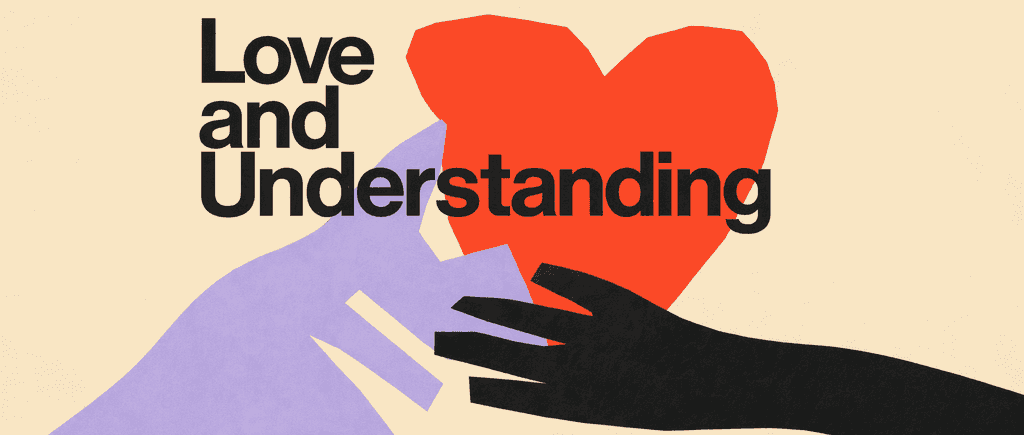
Getting the Love You Want: Healing Through Partnership
Why do we fall for people who push our buttons? Discover how your brain picks partners to heal old wounds and how to build a conscious connection.

Getting the Love You Want: Healing Through Partnershipのベスト引用
We aren't just looking for a partner to watch Netflix with; we are unconsciously looking for a chance to finish the unfinished business of our childhood.
Generated with BeFreed
An audio lesson about the book Getting the Love You Want, covering its key ideas and takeaways.


よくある質問
An Imago is a composite mental image or "blueprint" that your brain begins developing at birth based on the people who raised you. It includes their voices, moods, and behaviors, but specifically focuses on their negative traits. Your unconscious mind scans for partners who possess these familiar flaws because it is looking for a chance to finish the "unfinished business" of your childhood. Essentially, your brain chooses someone who reminds you of your caregivers so you can attempt to heal old wounds through your current relationship.
These repetitive conflicts often stem from the "old brain," which is responsible for survival and does not understand the passage of time. When a conflict occurs today, your old brain may react as if it is a life-threatening event from your childhood, triggering a "five-alarm fire" response. This leads to specific survival roles, such as "Turtles" who retreat into a shell or "Hailstorms" who become loud and explosive. These fights are rarely about the surface issue, like the dishes, and are instead fueled by "post-family stress disorder" and ancient childhood wounds.
The Imago Dialogue is a structured communication technique designed to move a couple from reactive "old brain" fighting to conscious connection. It consists of three steps: mirroring, where you repeat back exactly what your partner said without judgment; validation, where you acknowledge that your partner's perspective makes sense even if you don't agree with it; and empathy, where you attempt to feel the emotions your partner is experiencing. This process helps lower defenses and signals to your partner's brain that they are safe, turning a battlefield into a space for healing.
Exits are avoidance strategies people use to protect themselves from the pain of disconnection or the intensity of a power struggle. Common exits include working late, disappearing into hobbies, spending excessive time on a phone, or even falling asleep on the couch to avoid interaction. Closing these exits means intentionally bringing that energy back into the relationship. By removing these escape routes, couples are forced to face their issues and invest in the "conscious partnership" required for deep, long-term healing.
The script suggests that the thing your partner needs most is often the thing you find most difficult to give. By "stretching" yourself to meet your partner's needs—such as an isolator becoming more affectionate for a fuser—you actually begin to heal your own repressed qualities. This is known as "two-way healing." You can facilitate this by turning complaints into "Behavior Change Requests" and viewing your partner not as an enemy, but as a "wounded child" who is simply trying to survive. Giving to your partner becomes a way to rediscover and integrate your own "lost self."
"Instead of endless scrolling, I just hit play on BeFreed. It saves me so much time."


"I never knew where to start with nonfiction—BeFreed’s book lists turned into podcasts gave me a clear path."


"Perfect balance between learning and entertainment. Finished ‘Thinking, Fast and Slow’ on my commute this week."
"Crazy how much I learned while walking the dog. BeFreed = small habits → big gains."
"Reading used to feel like a chore. Now it’s just part of my lifestyle."

"Feels effortless compared to reading. I’ve finished 6 books this month already."
"BeFreed turned my guilty doomscrolling into something that feels productive and inspiring."

"BeFreed turned my commute into learning time. 20-min podcasts are perfect for finishing books I never had time for."
"BeFreed replaced my podcast queue. Imagine Spotify for books — that’s it. 🙌"

"It is great for me to learn something from the book without reading it."
"The themed book list podcasts help me connect ideas across authors—like a guided audio journey."
"Makes me feel smarter every time before going to work"
"Instead of endless scrolling, I just hit play on BeFreed. It saves me so much time."
"I never knew where to start with nonfiction—BeFreed’s book lists turned into podcasts gave me a clear path."
"Perfect balance between learning and entertainment. Finished ‘Thinking, Fast and Slow’ on my commute this week."
"Crazy how much I learned while walking the dog. BeFreed = small habits → big gains."
"Reading used to feel like a chore. Now it’s just part of my lifestyle."
"Feels effortless compared to reading. I’ve finished 6 books this month already."
"BeFreed turned my guilty doomscrolling into something that feels productive and inspiring."
"BeFreed turned my commute into learning time. 20-min podcasts are perfect for finishing books I never had time for."
"BeFreed replaced my podcast queue. Imagine Spotify for books — that’s it. 🙌"
"It is great for me to learn something from the book without reading it."
"The themed book list podcasts help me connect ideas across authors—like a guided audio journey."
"Makes me feel smarter every time before going to work"
"Instead of endless scrolling, I just hit play on BeFreed. It saves me so much time."
"I never knew where to start with nonfiction—BeFreed’s book lists turned into podcasts gave me a clear path."
"Perfect balance between learning and entertainment. Finished ‘Thinking, Fast and Slow’ on my commute this week."
"Crazy how much I learned while walking the dog. BeFreed = small habits → big gains."
"Reading used to feel like a chore. Now it’s just part of my lifestyle."
"Feels effortless compared to reading. I’ve finished 6 books this month already."
"BeFreed turned my guilty doomscrolling into something that feels productive and inspiring."
"BeFreed turned my commute into learning time. 20-min podcasts are perfect for finishing books I never had time for."
"BeFreed replaced my podcast queue. Imagine Spotify for books — that’s it. 🙌"
"It is great for me to learn something from the book without reading it."
"The themed book list podcasts help me connect ideas across authors—like a guided audio journey."
"Makes me feel smarter every time before going to work"
"Instead of endless scrolling, I just hit play on BeFreed. It saves me so much time."
"I never knew where to start with nonfiction—BeFreed’s book lists turned into podcasts gave me a clear path."
"Perfect balance between learning and entertainment. Finished ‘Thinking, Fast and Slow’ on my commute this week."
"Crazy how much I learned while walking the dog. BeFreed = small habits → big gains."
"Reading used to feel like a chore. Now it’s just part of my lifestyle."
"Feels effortless compared to reading. I’ve finished 6 books this month already."
"BeFreed turned my guilty doomscrolling into something that feels productive and inspiring."
"BeFreed turned my commute into learning time. 20-min podcasts are perfect for finishing books I never had time for."
"BeFreed replaced my podcast queue. Imagine Spotify for books — that’s it. 🙌"
"It is great for me to learn something from the book without reading it."
"The themed book list podcasts help me connect ideas across authors—like a guided audio journey."
"Makes me feel smarter every time before going to work"