BeFreed
    Categories>Health>Fascia and Mindfulness: Connecting Physical Health and Awareness

    Fascia and Mindfulness: Connecting Physical Health and Awareness

    34分
    |
    |
    2026年4月8日
    HealthMindfulnessPsychology

    Explore the mind-body connection between fascia and mindfulness. Learn how somatic awareness and connective tissue health support holistic wellness and recovery.

    Fascia and Mindfulness: Connecting Physical Health and Awareness

    Fascia and Mindfulness: Connecting Physical Health and Awarenessのベスト引用

    “

    Mindfulness is the tool we use to send that 'all clear' signal directly to the deep layers of the tissue, moving from a model of 'fix the part' to 'regulate the system.'

    ”

    このオーディオレッスンはBeFreedコミュニティメンバーが作成しました

    質問を入力

    Fascia and mindfulness

    ホストの声
    Lenaplay
    Milesplay
    学習スタイル
    ディープ
    知識ソース
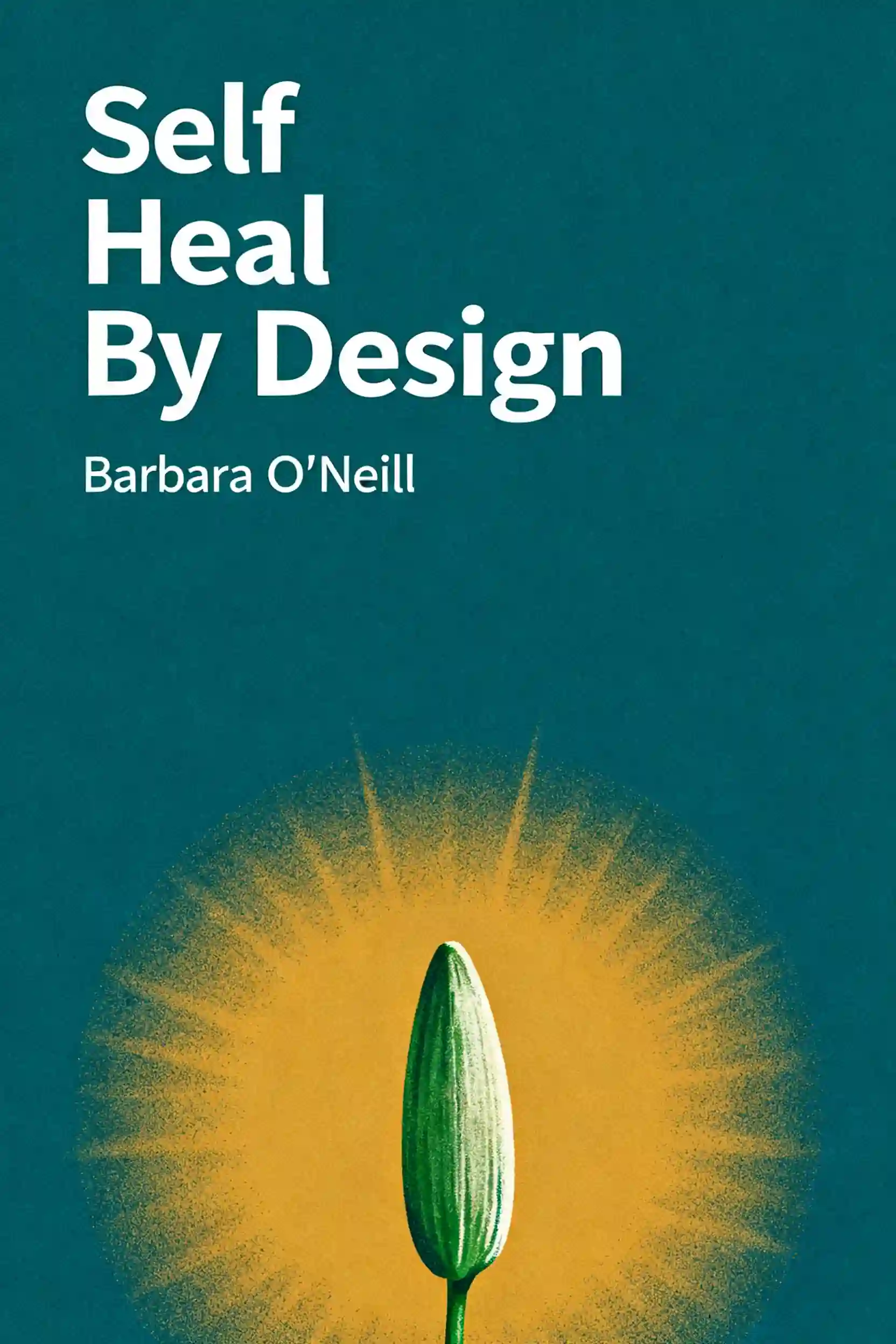
    Self Heal By Design- The Role Of Micro-Organisms For Health By Barbara O'Neill
    Mind over Medicine - REVISED EDITION
    Mindbody Prescription
    Heal from Within
    What It Takes to Heal
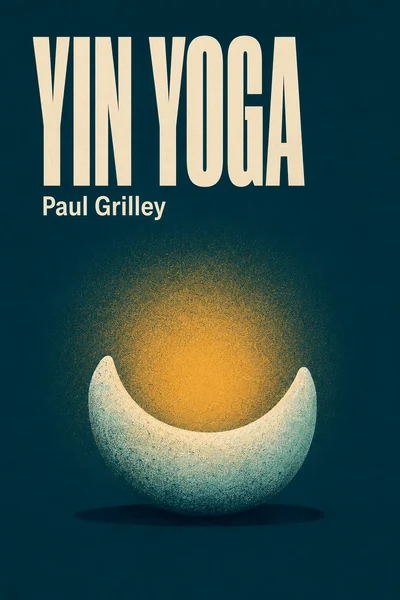
    Yin Yoga

    よくある質問

    もっと発見

    Master stress & mindfulness

    Master stress & mindfulness

    学習プラン

    Master stress & mindfulness

    In our increasingly demanding world, chronic stress and emotional overwhelm have become default states for many professionals and individuals. This comprehensive mindfulness program combines ancient wisdom with modern neuroscience to provide practical tools for anyone seeking to reduce anxiety, improve emotional regulation, and cultivate lasting inner peace—whether you're new to mindfulness or looking to deepen your existing practice.

    2 h 54 m•4 セクション
    Mindfullness

    Mindfullness

    学習プラン

    Mindfullness

    Mindfulness offers a scientifically-backed approach to reducing stress, improving focus, and enhancing overall wellbeing in our distracted world. This learning plan bridges practical techniques with scientific understanding, making it ideal for both beginners seeking stress relief and experienced practitioners wanting to deepen their practice.

    2 h 33 m•4 セクション
    Managing Stress

    Managing Stress

    学習プラン

    Managing Stress

    Chronic stress has become one of the most significant health challenges of modern life, affecting productivity, relationships, and physical wellbeing. This learning plan is essential for professionals, caregivers, students, or anyone feeling overwhelmed by daily pressures who wants to regain control and build lasting resilience. By combining neuroscience, practical techniques, and sustainable habits, you'll transform stress from a destructive force into a manageable part of a balanced, thriving life.

    2 h 54 m•4 セクション
    Breathing and relaxing

    Breathing and relaxing

    学習プラン

    Breathing and relaxing

    In an era of chronic stress, understanding the physiological connection between breath and calm is essential for long-term health. This plan is ideal for professionals and individuals seeking science-backed methods to regulate their stress response and improve daily focus.

    2 h 47 m•4 セクション
    Body awareness

    Body awareness

    学習プラン

    Body awareness

    This learning plan is essential for individuals seeking to bridge the gap between mind and body to improve emotional regulation and resilience. It is particularly beneficial for those recovering from stress or trauma who want to master somatic techniques and nervous system health.

    2 h 46 m•4 セクション
    Meditation

    Meditation

    学習プラン

    Meditation

    In our fast-paced, distraction-filled world, meditation offers a scientifically-proven path to reduced stress, improved focus, and enhanced wellbeing. This learning plan guides both beginners and experienced practitioners through progressive techniques, traditional wisdom, and advanced practices to develop a transformative meditation practice.

    2 h 1 m•4 セクション
    Be calmer

    Be calmer

    学習プラン

    Be calmer

    This plan is designed for high-stress individuals seeking a science-backed approach to emotional stability. It bridges the gap between biological understanding and practical mindfulness to help anyone overwhelmed by modern life regain their center.

    2 h 46 m•4 セクション
    Reduce stress and increase movement

    Reduce stress and increase movement

    学習プラン

    Reduce stress and increase movement

    In our fast-paced world, chronic stress damages health while sedentary lifestyles compound these effects. This learning plan combines evidence-based mindfulness techniques with strategic movement practices, designed for busy individuals seeking practical ways to improve both mental and physical wellbeing.

    2 h 16 m•4 セクション

    コロンビア大学卒業生がサンフランシスコで開発

    BeFreedは1,000,000の好奇心旺盛な仲間が集うグローバルコミュニティ
    BeFreedがウェブ上でどのように話題になっているかをもっと見る

    "Instead of endless scrolling, I just hit play on BeFreed. It saves me so much time."

    @Moemenn
    platform
    star
    star
    star
    star
    star

    "I never knew where to start with nonfiction—BeFreed’s book lists turned into podcasts gave me a clear path."

    @Chloe, Solo founder, LA
    platform
    comments
    12
    likes
    117

    "Perfect balance between learning and entertainment. Finished ‘Thinking, Fast and Slow’ on my commute this week."

    @Raaaaaachelw
    platform
    star
    star
    star
    star
    star

    "Crazy how much I learned while walking the dog. BeFreed = small habits → big gains."

    @Matt, YC alum
    platform
    comments
    12
    likes
    108

    "Reading used to feel like a chore. Now it’s just part of my lifestyle."

    @Erin, Investment Banking Associate , NYC
    platform
    comments
    254
    likes
    17

    "Feels effortless compared to reading. I’ve finished 6 books this month already."

    @djmikemoore
    platform
    star
    star
    star
    star
    star

    "BeFreed turned my guilty doomscrolling into something that feels productive and inspiring."

    @Pitiful
    platform
    comments
    96
    likes
    4.5K

    "BeFreed turned my commute into learning time. 20-min podcasts are perfect for finishing books I never had time for."

    @SofiaP
    platform
    star
    star
    star
    star
    star

    "BeFreed replaced my podcast queue. Imagine Spotify for books — that’s it. 🙌"

    @Jaded_Falcon
    platform
    comments
    201
    thumbsUp
    16

    "It is great for me to learn something from the book without reading it."

    @OojasSalunke
    platform
    star
    star
    star
    star
    star

    "The themed book list podcasts help me connect ideas across authors—like a guided audio journey."

    @Leo, Law Student, UPenn
    platform
    comments
    37
    likes
    483

    "Makes me feel smarter every time before going to work"

    @Cashflowbubu
    platform
    star
    star
    star
    star
    star

    コロンビア大学卒業生がサンフランシスコで開発

    BeFreedは1,000,000の好奇心旺盛な仲間が集うグローバルコミュニティ
    BeFreedがウェブ上でどのように話題になっているかをもっと見る

    "Instead of endless scrolling, I just hit play on BeFreed. It saves me so much time."

    @Moemenn
    platform
    star
    star
    star
    star
    star

    "I never knew where to start with nonfiction—BeFreed’s book lists turned into podcasts gave me a clear path."

    @Chloe, Solo founder, LA
    platform
    comments
    12
    likes
    117

    "Perfect balance between learning and entertainment. Finished ‘Thinking, Fast and Slow’ on my commute this week."

    @Raaaaaachelw
    platform
    star
    star
    star
    star
    star

    "Crazy how much I learned while walking the dog. BeFreed = small habits → big gains."

    @Matt, YC alum
    platform
    comments
    12
    likes
    108

    "Reading used to feel like a chore. Now it’s just part of my lifestyle."

    @Erin, Investment Banking Associate , NYC
    platform
    comments
    254
    likes
    17

    "Feels effortless compared to reading. I’ve finished 6 books this month already."

    @djmikemoore
    platform
    star
    star
    star
    star
    star

    "BeFreed turned my guilty doomscrolling into something that feels productive and inspiring."

    @Pitiful
    platform
    comments
    96
    likes
    4.5K

    "BeFreed turned my commute into learning time. 20-min podcasts are perfect for finishing books I never had time for."

    @SofiaP
    platform
    star
    star
    star
    star
    star

    "BeFreed replaced my podcast queue. Imagine Spotify for books — that’s it. 🙌"

    @Jaded_Falcon
    platform
    comments
    201
    thumbsUp
    16

    "It is great for me to learn something from the book without reading it."

    @OojasSalunke
    platform
    star
    star
    star
    star
    star

    "The themed book list podcasts help me connect ideas across authors—like a guided audio journey."

    @Leo, Law Student, UPenn
    platform
    comments
    37
    likes
    483

    "Makes me feel smarter every time before going to work"

    @Cashflowbubu
    platform
    star
    star
    star
    star
    star

    "Instead of endless scrolling, I just hit play on BeFreed. It saves me so much time."

    @Moemenn
    platform
    star
    star
    star
    star
    star

    "I never knew where to start with nonfiction—BeFreed’s book lists turned into podcasts gave me a clear path."

    @Chloe, Solo founder, LA
    platform
    comments
    12
    likes
    117

    "Perfect balance between learning and entertainment. Finished ‘Thinking, Fast and Slow’ on my commute this week."

    @Raaaaaachelw
    platform
    star
    star
    star
    star
    star

    "Crazy how much I learned while walking the dog. BeFreed = small habits → big gains."

    @Matt, YC alum
    platform
    comments
    12
    likes
    108

    "Reading used to feel like a chore. Now it’s just part of my lifestyle."

    @Erin, Investment Banking Associate , NYC
    platform
    comments
    254
    likes
    17

    "Feels effortless compared to reading. I’ve finished 6 books this month already."

    @djmikemoore
    platform
    star
    star
    star
    star
    star

    "BeFreed turned my guilty doomscrolling into something that feels productive and inspiring."

    @Pitiful
    platform
    comments
    96
    likes
    4.5K

    "BeFreed turned my commute into learning time. 20-min podcasts are perfect for finishing books I never had time for."

    @SofiaP
    platform
    star
    star
    star
    star
    star

    "BeFreed replaced my podcast queue. Imagine Spotify for books — that’s it. 🙌"

    @Jaded_Falcon
    platform
    comments
    201
    thumbsUp
    16

    "It is great for me to learn something from the book without reading it."

    @OojasSalunke
    platform
    star
    star
    star
    star
    star

    "The themed book list podcasts help me connect ideas across authors—like a guided audio journey."

    @Leo, Law Student, UPenn
    platform
    comments
    37
    likes
    483

    "Makes me feel smarter every time before going to work"

    @Cashflowbubu
    platform
    star
    star
    star
    star
    star

    "Instead of endless scrolling, I just hit play on BeFreed. It saves me so much time."

    @Moemenn
    platform
    star
    star
    star
    star
    star

    "I never knew where to start with nonfiction—BeFreed’s book lists turned into podcasts gave me a clear path."

    @Chloe, Solo founder, LA
    platform
    comments
    12
    likes
    117

    "Perfect balance between learning and entertainment. Finished ‘Thinking, Fast and Slow’ on my commute this week."

    @Raaaaaachelw
    platform
    star
    star
    star
    star
    star

    "Crazy how much I learned while walking the dog. BeFreed = small habits → big gains."

    @Matt, YC alum
    platform
    comments
    12
    likes
    108

    "Reading used to feel like a chore. Now it’s just part of my lifestyle."

    @Erin, Investment Banking Associate , NYC
    platform
    comments
    254
    likes
    17

    "Feels effortless compared to reading. I’ve finished 6 books this month already."

    @djmikemoore
    platform
    star
    star
    star
    star
    star

    "BeFreed turned my guilty doomscrolling into something that feels productive and inspiring."

    @Pitiful
    platform
    comments
    96
    likes
    4.5K

    "BeFreed turned my commute into learning time. 20-min podcasts are perfect for finishing books I never had time for."

    @SofiaP
    platform
    star
    star
    star
    star
    star

    "BeFreed replaced my podcast queue. Imagine Spotify for books — that’s it. 🙌"

    @Jaded_Falcon
    platform
    comments
    201
    thumbsUp
    16

    "It is great for me to learn something from the book without reading it."

    @OojasSalunke
    platform
    star
    star
    star
    star
    star

    "The themed book list podcasts help me connect ideas across authors—like a guided audio journey."

    @Leo, Law Student, UPenn
    platform
    comments
    37
    likes
    483

    "Makes me feel smarter every time before going to work"
    @Cashflowbubu
    platform
    star
    star
    star
    star
    star
    1.5K Ratings4.7
    今すぐ学習の旅を始めよう
    BeFreed App
    BeFreed

    なんでも、あなた向けに学ぶ

    DiscordLinkedIn
    注目の書籍要約
    Crucial ConversationsThe Perfect MarriageInto the WildNever Split the DifferenceAttachedGood to GreatSay Nothing
    人気のカテゴリ
    Self HelpCommunication SkillRelationshipMindfulnessPhilosophyInspirationProductivity
    著名人の読書リスト
    Elon MuskCharlie KirkBill GatesSteve JobsAndrew HubermanJoe RoganJordan Peterson
    受賞作品コレクション
    Pulitzer PrizeNational Book AwardGoodreads Choice AwardsNobel Prize in LiteratureNew York TimesCaldecott MedalNebula Award
    注目のトピック
    ManagementAmerican HistoryWarTradingStoicismAnxietySex
    年別ベストブック
    2025 Best Non Fiction Books2024 Best Non Fiction Books2023 Best Non Fiction Books
    注目の著者
    Chimamanda Ngozi AdichieGeorge OrwellO. J. SimpsonBarbara O'NeillWinston ChurchillCharlie Kirk
    BeFreed vs 他のアプリ
    BeFreed vs. Other Book Summary AppsBeFreed vs. ElevenReaderBeFreed vs. ReadwiseBeFreed vs. Anki
    学習ツール
    Knowledge VisualizerAI Podcast Generator
    情報
    会社概要arrow
    料金arrow
    よくある質問arrow
    ブログarrow
    採用情報arrow
    パートナーシップarrow
    アンバサダープログラムarrow
    ディレクトリarrow
    BeFreed
    Try now
    © 2026 BeFreed
    利用規約プライバシーポリシー
    BeFreed

    なんでも、あなた向けに学ぶ

    DiscordLinkedIn
    注目の書籍要約
    Crucial ConversationsThe Perfect MarriageInto the WildNever Split the DifferenceAttachedGood to GreatSay Nothing
    人気のカテゴリ
    Self HelpCommunication SkillRelationshipMindfulnessPhilosophyInspirationProductivity
    著名人の読書リスト
    Elon MuskCharlie KirkBill GatesSteve JobsAndrew HubermanJoe RoganJordan Peterson
    受賞作品コレクション
    Pulitzer PrizeNational Book AwardGoodreads Choice AwardsNobel Prize in LiteratureNew York TimesCaldecott MedalNebula Award
    注目のトピック
    ManagementAmerican HistoryWarTradingStoicismAnxietySex
    年別ベストブック
    2025 Best Non Fiction Books2024 Best Non Fiction Books2023 Best Non Fiction Books
    学習ツール
    Knowledge VisualizerAI Podcast Generator
    注目の著者
    Chimamanda Ngozi AdichieGeorge OrwellO. J. SimpsonBarbara O'NeillWinston ChurchillCharlie Kirk
    BeFreed vs 他のアプリ
    BeFreed vs. Other Book Summary AppsBeFreed vs. ElevenReaderBeFreed vs. ReadwiseBeFreed vs. Anki
    情報
    会社概要arrow
    料金arrow
    よくある質問arrow
    ブログarrow
    採用情報arrow
    パートナーシップarrow
    アンバサダープログラムarrow
    ディレクトリarrow
    BeFreed
    Try now
    © 2026 BeFreed
    利用規約プライバシーポリシー

    重要なポイント

    1

    The Tissue Where Issues Hide

    0:00

    Lena: You know, Miles, I was just thinking about how often we treat a tight shoulder or a stiff back like it’s just a mechanical glitch, like a rusty hinge. But I recently came across this idea that our fascia—that web of connective tissue—is actually a "living communication network" that’s constantly eavesdropping on our emotions.

    0:19

    Miles: It’s fascinating, right? For a long time, Western medicine basically dismissed fascia as "packing material." But we now know it’s one of the most sensory-rich tissues in the body, packed with nerve endings that talk directly to your autonomic nervous system. It’s why "your issues are in your tissues" isn't just a catchy phrase; chronic stress actually causes the fascia to thicken and contract as a protective shield.

    0:43

    Lena: So, mindfulness isn't just for the mind—it’s actually a physiological tool for the tissue. Let’s explore how these mindfulness-based interventions can actually rehydrate that "dried-out sponge" of a system.

    2

    The Bio-Feedback Loop of Stress and Stiffness

    0:56

    Miles: You hit the nail on the head with that "dried-out sponge" analogy. If we want to understand how mindfulness helps, we first have to look at what stress does to the actual chemistry of your fascia. When you're under chronic pressure, your body is essentially flooding your system with cortisol. Now, in the short term, cortisol is great—it helps you deal with an immediate threat. But when it’s constant, it starts to mess with the ground substance in your connective tissue.

    1:22

    Lena: The ground substance? That’s the jelly-like stuff the collagen fibers sit in, right?

    1:27

    Miles: Exactly. And one of the key players there is hyaluronan. When you're relaxed and moving, hyaluronan acts like a high-end lubricant—it lets your muscles and fascial layers slide past each other like silk. But research shows that chronic stress and the resulting drop in pH—making your tissues more acidic—actually causes that hyaluronan to become more viscous. It gets sticky.

    1:50

    Lena: So the "rusty hinge" feeling isn't just in our heads. Our internal lubricant is literally turning into glue because of our stress levels.

    1:58

    Miles: Precisely. It’s a process called densification. And here’s where the mindfulness piece comes in. Mindfulness-based interventions, or MBIs, aren't just about "feeling calm." They actually target the Hypothalamic–Pituitary–Adrenal axis—the HPA axis—which is the control center for that cortisol production. By using mindfulness to down-regulate that stress response, we’re essentially telling the body it’s safe to stop producing the chemicals that are gunking up our fascia.

    2:27

    Lena: It’s like a chemical ceasefire. But it’s not just about stopping the bad stuff, is it? I’ve been reading about how mindfulness improves what researchers call "interoceptive awareness." It’s like we’re developing a higher-resolution internal map of our own bodies.

    2:42

    Miles: That is a huge part of the puzzle. Most of us are "numb" to our internal sensations until they reach the level of screaming pain. Interoceptive awareness is the ability to sense those subtle signals—the slight tightening in the chest or the shift in pelvic tilt—before they become a full-blown "knot." The fascia is absolutely loaded with mechanoreceptors and nociceptors—nerve endings that sense movement and pain. When we practice mindfulness, we’re essentially "tuning the radio" to pick up those fascial signals more clearly.

    3:13

    Lena: And once we pick up the signal, we can actually change the output. I love this idea of the PINE network—the Psycho-Immune-Neuroendocrine network. It sounds like a super-highway where our thoughts, our immune cells, and our hormones are all constantly texting each other.

    3:28

    Miles: It really is. And the fascia is the physical grid that highway is built on. One of the most interesting things about MBIs is that they don’t just work on one level. They’re "multimodal." If you're doing a mindful body scan, you're using attention regulation—that’s the "P" or psychological part. That attention reduces the "N" or neural firing of pain signals. That, in turn, calms the "E" or endocrine system, lowering cortisol. And finally, that reduces inflammation, which is the "I" or immune component. It’s a total system reset.

    4:00

    Lena: It makes so much sense why a "biopsychosocial" approach is becoming the gold standard in musculoskeletal care. You can't just rub the muscle and expect a permanent fix if the PINE network is still broadcasting a "threat" signal.

    4:14

    Miles: Right! If the brain thinks there’s a threat, it will keep the fascia tight to protect you. You can stretch all day, but if the nervous system doesn't give the "all clear," that tissue is going to snap right back into its defensive posture. Mindfulness is the tool we use to send that "all clear" signal directly to the deep layers of the tissue.

    4:32

    Lena: So we’re moving from a model of "fix the part" to "regulate the system." That feels like such a powerful shift for anyone dealing with chronic pain. It’s not just about what a therapist does *to* you; it’s about how you inhabit your own body.

    4:46

    Miles: Absolutely. It’s moving from being a passive passenger in your body to being an active, mindful inhabitant. And as we’ll see, this isn't just theory—there are specific techniques, like the Neuro-Emotional Technique, that are actually operationalizing this in the clinic right now.

    3

    The Neuro-Emotional Connection to Physical Pain

    5:02

    Lena: You mentioned the Neuro-Emotional Technique, or NET. It sounds like such an interesting bridge between traditional manual therapy and this new world of mindfulness. How does it actually work in a clinical setting?

    5:15

    Miles: It’s a really cool example of a "hybrid MBI." Think of it as a precision tool for finding what they call Neuro-Emotional Complexes, or NECs. The idea is that sometimes a physical pain—say, a chronic lower back issue—is actually being "held" in place by an unresolved emotional stress pattern.

    5:35

    Lena: So, it’s not that the pain is "imaginary," but that the emotional stress is acting like a physical anchor for the tension in the fascia?

    1:27

    Miles: Exactly. It’s very grounded in the biopsychosocial model. A practitioner using NET might use a manual muscle test as a kind of biofeedback tool. They’re looking for a physiological stress response when a patient thinks about a certain stressor. It’s like a conversation between the practitioner and the patient’s autonomic nervous system.

    6:02

    Lena: That reminds me of what we were saying about the fascia being a sensory organ. If the fascia is "eavesdropping" on our emotions, then NET is basically a way to listen back to what the fascia has recorded.

    6:14

    Miles: That’s a great way to put it. The technique actually uses elements from several traditions—Manual Therapy, Cognitive-Behavioral Therapy, and even Traditional Chinese Medicine. They use things like meridian-based somatic cueing. It’s about bringing "non-judgmental awareness"—which is the core of mindfulness—to a very specific bodily sensation while simultaneously reframing a stressful memory.

    6:38

    Lena: I read about something called the "SLIP" in the context of NET. The Somato-Limbic Integration Point. It sounds almost like a "glitch in the matrix" moment where everything aligns.

    6:48

    Miles: It’s a fascinating theoretical construct. Practitioners noticed that during a treatment, a patient might experience a brief "sympathetic storm"—maybe they start sweating, or their heart rate jumps, or they have this sudden, sharp insight. The hypothesis is that the SLIP is a moment where the subconscious autonomic system, the limbic system—where we process emotions—and the neocortex—where we make sense of things—all sync up.

    7:12

    Lena: It’s like a localized system reboot for the fascia and the nervous system.

    4:14

    Miles: Right! And the research is starting to back this up. There was a randomized, double-blinded, placebo-controlled trial—the gold standard—that looked at NET for chronic low back pain. They found that patients getting NET didn't just report less pain; they actually had lower levels of pro-inflammatory cytokines, like TNF-alpha and C-reactive protein.

    7:38

    Lena: Wait, so a "mind-body" intervention actually changed the inflammatory markers in their blood? That’s incredible.

    3:28

    Miles: It really is. It’s physical proof that when you resolve the emotional component of stress, the body stops sending the "inflame" signal to the tissues. They’ve seen similar positive outcomes in everything from neck pain and headaches to more systemic issues like hypothyroidism and even phobias.

    8:01

    Lena: It really reinforces the idea that we can't separate the "mechanical" from the "emotional." If you’re treating a trigger point in the neck but ignoring the fact that the patient’s fascia is locked in a "fear response" because of a stressful job, you’re only doing half the work.

    1:58

    Miles: Precisely. And that’s why the integration of mindfulness is so vital. It’s about giving the patient the tools to recognize those "yellow flags"—those early signs of emotional dysregulation—before they manifest as a physical "red flag" like a blown-out back.

    8:36

    Lena: I love that we’re seeing these "hybrid" approaches. It’s not just sitting on a cushion for forty minutes—though that has its place—it’s about using mindfulness as a precision instrument in the middle of a physical therapy session.

    8:49

    Miles: It’s the future of patient-centered care. We’re finally acknowledging that the person on the table isn't just a collection of muscles and bones, but a complex, integrated system where a thought can be just as "real" and "physical" as a torn ligament.

    9:05

    Lena: It makes me wonder about all the "unexplained" pains people carry. How much of that is just the fascia waiting for us to mindfully acknowledge the stress it’s been holding?

    9:15

    Miles: A lot of it, I’d wager. And as we move forward, we’re seeing that even small, informal "hits" of mindfulness can start to move the needle on those chronic patterns. You don’t need a specialized clinic to start "listening" to your fascia.

    4

    The Silent Architecture of the Human Matrix

    9:30

    Miles: We’ve been talking a lot about how mindfulness affects the fascia, but I think we should take a second to really appreciate what fascia *is* on a structural level. It’s not just a wrapper for muscles. It’s a continuous, three-dimensional matrix that connects your head to your toes. If you pull a thread on a sweater in one corner, the whole thing shifts. That’s exactly how fascia works.

    9:53

    Lena: I’ve heard it described as the "human matrix." It’s this web that provides both the structure and the fluid environment for every single cell. It’s basically our largest sensory organ, right?

    10:04

    Miles: By far. And it’s incredibly active. We used to think it was just passive, but we’ve discovered that fascia contains "myofibroblasts"—these are cells that can actually contract. They’re like tiny, slow-acting muscle fibers embedded in the connective tissue. They don’t contract quickly like a bicep, but they can create a persistent, "background" tension across entire regions of the body.

    10:28

    Lena: And let me guess—those myofibroblasts are highly sensitive to stress chemicals?

    10:34

    Miles: You’ve got it. They respond to things like TGF-beta, which is a signaling molecule involved in inflammation and stress. So, when you're chronically stressed, your fascia isn't just "tight" because your muscles are tense; the fascia itself is actually contracting and becoming thicker. This is what leads to "fibrosis"—where the tissue loses its elasticity and becomes more like a scar than a spring.

    10:59

    Lena: This is where the mindfulness piece becomes so literal. If these cells are contracting in response to a "danger" signal from the nervous system, then the "safety" signal from mindfulness is the only thing that can get them to let go.

    1:27

    Miles: Exactly. And that’s why "mindful movement" is so different from just "going to the gym." When you move mindfully—like in Yin Yoga or Tai Chi—you're engaging in what’s called mechanotransduction. You're putting a very specific kind of slow, steady tension on the fascia. This "stretch" actually signals the fibroblasts to produce more hyaluronan and to reorganize the collagen fibers.

    11:36

    Lena: It’s like you’re "re-weaving" your own matrix.

    11:39

    Miles: It really is! And the mindfulness part is what ensures you're doing it safely. If you just "blast" through a workout, you might actually trigger *more* inflammation and more fibrosis. But when you move with interoceptive awareness, you’re sensing that "edge" where the tissue is challenged but not threatened. You’re working *with* the tissue’s own communication system.

    12:00

    Lena: I’m fascinated by this idea that the fascia is also where our "proprioception" lives—our sense of where we are in space. If the fascia is "gunked up" and thick, it’s like trying to feel the world through a thick winter coat.

    12:13

    Miles: That’s a perfect analogy. And when our proprioception is off, we move inefficiently. We "clunky" our way through life, which creates more micro-trauma in the joints, which leads to more inflammation, which leads to... more tight fascia. It’s a vicious cycle. Mindfulness breaks that cycle by "thinning the coat." It restores the sliding and gliding between the layers, which makes our internal "sensors" more accurate.

    12:36

    Lena: It’s interesting how this aligns with the "Integrated Hypothesis" for myofascial pain. That theory says that things like trigger points—those "knots" we all feel—are actually areas of localized energy crisis and metabolic distress.

    12:50

    Miles: Right. The blood flow is restricted, the oxygen is low, and the waste products are building up. The fascia around those trigger points gets dense and "stuck," which traps those waste products in place. Mindfulness—especially through breathwork—helps to "flush" the system. Deep, mindful breathing increases the pressure changes in the thoracic cavity, which acts like a pump for the lymphatic system and the fascial fluids.

    13:14

    Lena: So, we’re literally "washing" our tissues with our breath.

    13:17

    Miles: In a very real sense, yes. And because the fascia is so richly innervated by the sympathetic nervous system, that mindful breathing also tells the "fight or flight" nerves in the fascia to settle down. It’s a beautiful, elegant loop: Mindful breath leads to better fluid flow, which leads to less acidity, which leads to more slippery hyaluronan, which leads to less mechanical tension, which finally lets those myofibroblasts relax.

    13:44

    Lena: It’s so much more than just "relaxing." It’s an active, physiological intervention in our own structural integrity.

    13:51

    Miles: It really changes how you think about a "stiff neck," doesn't it? It’s not just a muscle that needs rubbing; it’s a whole ecosystem that needs a change in climate. And mindfulness is how we change that internal weather.

    5

    The Biopsychosocial Shift in Modern Care

    14:04

    Lena: We keep coming back to this word "biopsychosocial." It’s a mouthful, but it seems like it’s the key to everything we’re talking about. It’s essentially saying that if you want to fix a physical problem, you have to look at the whole human, right?

    1:27

    Miles: Exactly. It’s a model that was first proposed by George Engel way back in 1977, but it’s only recently started to really take hold in mainstream musculoskeletal care. For a long time, we were in the "biomedical" era—where the body was a machine and the doctor was the mechanic. If something hurt, you looked for the "broken part" on an X-ray or an MRI.

    14:42

    Lena: But as we know, sometimes the "part" looks fine on an X-ray, but the person is in agony. Or conversely, someone has a "bulging disc" but zero pain.

    1:58

    Miles: Precisely. That’s the "stress paradox." The biopsychosocial model says that pain is an output of the brain, based on a whole bunch of inputs. There’s the "Bio"—the actual tissue status, like fascial densification. There’s the "Psycho"—your beliefs about the pain, your stress levels, your history of trauma. And then there’s the "Social"—your job, your relationships, your support network.

    15:17

    Lena: And mindfulness sits right at the intersection of all three.

    15:21

    Miles: It really does. On the biological side, as we’ve seen, it lowers inflammation and improves fascial gliding. On the psychological side, it helps with "de-catastrophizing." That’s a fancy word for not letting your brain spiral into "Oh my god, my back is broken and I’ll never walk again" every time you feel a twinge.

    15:38

    Lena: Right, because that "catastrophizing" thought itself actually increases the pain signal! It’s like pouring gasoline on a fire.

    1:27

    Miles: Exactly. It triggers the amygdala, which triggers the HPA axis, which tightens the fascia... and around we go. Mindfulness gives you that "split second" of awareness where you can see the thought—"My back hurts"—without immediately attaching the "and it’s a disaster" label to it. That "non-judgmental" stance is a powerful analgesic.

    16:06

    Lena: And what about the "Social" part of the model? How does mindfulness play in there?

    16:11

    Miles: It’s about how we show up in our environment. When we’re chronically stressed and in pain, our "social engagement system"—which is part of our nervous system—shuts down. We become more reactive, more withdrawn, less able to connect. Mindfulness helps us regulate our own nervous system so we can stay "online" with others. Plus, it changes how we relate to our healthcare providers. A mindful patient is an active partner, not just a passive "case" to be solved.

    16:38

    Lena: It’s interesting to see how this is changing the actual *tools* practitioners use. We’re seeing more "Patient Reported Outcome Measures," or PROMs. Instead of just measuring range of motion, they’re using things like the DASS-21 to measure Depression, Anxiety, and Stress, or the Five Facet Mindfulness Questionnaire.

    16:57

    Miles: It’s a much more holistic way of tracking progress. If a patient’s back pain stays the same, but their "catastrophizing" score goes down and their "mindfulness" score goes up, that’s a huge clinical win. It means they’re more resilient. They’re "getting past their past," as some researchers put it, and not letting old stress patterns dictate their current physical state.

    17:17

    Lena: I also think it’s important that the research is showing mindfulness is "safe" but not "universally applicable" without caution. They talk about "red flags" and "yellow flags" even for mindfulness.

    17:29

    Miles: That’s a really important point. If someone has severe PTSD or acute psychosis, just "sitting with their sensations" could actually be overwhelming or even re-traumatizing. The fascia holds a lot of "somatic memories," and opening that door needs to be done with care. That’s why the integration of mindfulness into professional MSK care is so great—the practitioner can monitor those "yellow flags" like emotional dysregulation and adjust the treatment.

    17:57

    Lena: It’s like having a guide for the journey into your own tissues. You’re not just wandering around in the dark; you have a framework—the biopsychosocial model—to help you make sense of what you find.

    18:09

    Miles: And that framework is proving to be much more effective for chronic issues like Fibromyalgia or Chronic Low Back Pain than the old "fix-it" model. We’re finally treating the "who" and not just the "what."

    18:21

    Lena: It really feels like we’re on the cusp of a "grand unified theory" of health. Fascia is the physical substrate, mindfulness is the regulatory tool, and the biopsychosocial model is the map.

    18:35

    Miles: You’ve hit the nail on the head. And for the listener, the best part is that you don’t have to wait for a "new discovery" to start applying this. The "human matrix" is already there, waiting for you to pay attention.

    6

    The Spectrum of Practice: From Formal to Informal

    18:49

    Lena: Okay, so we’re convinced—mindfulness is the "secret sauce" for fascial health. But I think a lot of people hear "mindfulness" and think it means they have to go to a ten-day silent retreat or sit on a cushion for an hour every morning. But that’s not the only way to do it, right?

    19:05

    Miles: Not at all. In fact, the research categorizes mindfulness into "Formal" and "Informal" practices, and both have huge benefits for the musculoskeletal system. Formal practices are the ones we usually think of—the high-intensity, structured stuff. This includes "Static" practices like breath awareness or the body scan, and "Dynamic" ones like mindful movement, yoga, or Tai Chi.

    19:27

    Lena: And those are great for "deep dives," but the "Informal" side seems much more accessible for a busy life.

    4:46

    Miles: Absolutely. Informal mindfulness is what we call "low intensity" or "Daily Life Awareness." It’s as simple as "washing the dishes to wash the dishes"—really feeling the warmth of the water, the texture of the plate, the movement of your shoulders—instead of just rushing through it while thinking about your to-do list.

    19:50

    Lena: I love that. It’s like turning every mundane task into a "fascial check-in."

    19:55

    Miles: Exactly! Research has shown that even "Brief Self-Directed" practices—literally just a few minutes a day—can increase stress resilience. There was a study where just five minutes of mindfulness brought real, measurable benefits. It’s about "micro-dosing" your nervous system with that safety signal.

    20:13

    Lena: So, if I’m sitting at my desk and I feel my shoulders creeping up to my ears, just taking thirty seconds to mindfully "feel" that tension and breathe into it—that counts as an "Informal" practice?

    20:26

    Miles: 100%. And from a fascial perspective, that’s actually more effective than doing one hour of yoga once a week and being "numb" the rest of the time. Fascia is a "slow" tissue—it responds to consistent, repeated input. Those little "micro-adjustments" throughout the day keep the hyaluronan from "setting" into that sticky, dense state.

    20:46

    Lena: It’s like "stirring the pot" so the soup doesn't burn on the bottom.

    20:50

    Miles: That’s a great analogy! And we’re seeing this reflected in how healthcare is being delivered. Some practitioners are now offering "Brief Structured Respiration" practices. It’s not a full meditation session; it’s just a specific way of breathing that you do for three minutes between meetings to reduce "physiological arousal."

    21:07

    Lena: I’ve also been seeing more "mindful" versions of traditional therapies. Instead of just "getting a massage," there’s a move toward "Affective Somatosensory Soothing." It’s a mouthful, but it’s basically about the practitioner and the patient both being mindfully present during the touch.

    21:25

    Miles: That’s the "MASSAG" model—Mechanisms of Affective Somatosensory Soothing for Allostatic Gain. It sounds very technical, but it’s really about the "dual impact" of touch. You’re getting the mechanical "force-based manipulation" of the tissue, but you’re also getting the "affective" or emotional soothing. This dual approach is way better at "reshaping the predictive models" of the brain.

    21:47

    Lena: "Predictive models"—that’s a key phrase. The brain is always trying to guess what’s going to happen next, right?

    12:50

    Miles: Right. If your brain "predicts" that moving your arm will hurt, it will tighten the fascia *before* you even move. Mindful, soothing touch helps to "update" that prediction. It says, "Hey, look, we’re moving and it’s actually okay. It feels safe." This "allostatic gain" is basically your body becoming better at maintaining balance without over-reacting.

    22:18

    Lena: It’s interesting that even "unstandardized" mindfulness—just doing it your own way—has been shown to help with things like diet and physical activity outcomes. It’s like mindfulness is a "gateway habit" for better self-care.

    3:28

    Miles: It really is. Once you start "listening" to your body, you naturally start making better choices. You notice that the third cup of coffee makes your fascia feel "tight and buzzy," or that a ten-minute walk makes your lower back feel "spacious."

    22:45

    Lena: "Spacious"—I love that word. It’s the opposite of "densified."

    1:58

    Miles: Precisely. So to everyone listening, don’t feel like you need a "perfect" practice. Whether it’s a formal Yin Yoga class or just being mindfully aware of your feet on the floor while you wait for the elevator, you’re doing the work. You’re talking to your "matrix."

    23:06

    Lena: And as we’ve seen, your matrix is always listening. The question is: what are you telling it?

    7

    The Neuroendocrine Symphony: Cortisol and Oxytocin

    23:13

    Lena: We’ve touched on the "stress chemicals" like cortisol, but there’s another side to the neuroendocrine story that I find so fascinating—the "cuddle hormone," oxytocin. It seems like the "good cop" to cortisol’s "bad cop" when it comes to our fascia.

    23:28

    Miles: It’s a great way to frame it. While cortisol is the end product of the "stress axis" (the HPA axis), oxytocin is often called the "hormone of connection and calm." It’s synthesized in the hypothalamus and released when we experience gentle touch, social bonding, or—you guessed it—mindfulness.

    23:47

    Lena: And it’s not just about "feeling good," right? Oxytocin actually has a direct physical effect on how we process pain.

    4:46

    Miles: Absolutely. Oxytocin acts as a powerful neuromodulator with "anxiolytic" and "analgesic" properties—meaning it reduces anxiety and pain. It actually interacts with our internal opioid system. And here’s the fascial connection: we’ve found oxytocin receptors in all sorts of interesting places, including the "nociceptive dorsal root ganglion" neurons—those are the nerve hubs that send pain signals to the brain—and even in the connective tissue fibroblasts themselves!

    24:29

    Lena: No way! So the fascia itself has "ears" specifically tuned for the "connection" hormone?

    24:34

    Miles: It does. And when oxytocin binds to those receptors in the fascia and the skin, it can actually suppress the inflammatory cascade. It’s like an "anti-cortisol." In fact, there’s a "reciprocal interaction" in the brain—when oxytocin levels go up, they can actually inhibit the release of the chemicals that trigger cortisol.

    24:59

    Lena: This explains why manual therapy—like massage or spinal manipulation—can be so effective. It’s not just moving the bones; it’s triggering an "oxytocin hit."

    4:14

    Miles: Right! There was a scoping review that looked at seventy-two different articles on this. They found that things like cervical spine manipulation—especially in the lower neck—could lead to a significant increase in serum oxytocin levels. And what’s really interesting is that in some cases, the oxytocin went up while the cortisol stayed the same or even went down.

    25:34

    Lena: So, the "safety" signal is stronger than the "stress" signal.

    25:39

    Miles: Sometimes, yes. And we’re seeing that the "quality" of the touch matters. One study compared hand-delivered foot massages to machine-delivered ones. Both increased oxytocin, but the hand massage—the one with the "human connection"—was way more potent. It also triggered more activation in the brain regions that process "social reward."

    25:59

    Lena: This brings us back to "mindfulness." If we’re mindfully present during our own self-care, or if we have a mindful, compassionate practitioner, we’re essentially "super-charging" that oxytocin release.

    1:27

    Miles: Exactly. It’s what they call "Afferent Electrical Stimulation"—but done through touch and intention. When we’re mindful, we’re more "receptive" to those soothing signals. Conversely, if we’re "tuned out" or "checked out" during a massage, we might miss out on that neuroendocrine "reset."

    26:28

    Lena: I read that oxytocin can even help with "wound healing" and "tissue repair." It’s like it’s telling the fascia, "Okay, the war is over, time to start rebuilding."

    6:14

    Miles: That’s a great way to put it. Chronic stress—high cortisol—actually *slows* wound healing. It keeps the tissue in a state of "alert" instead of "repair." Oxytocin flips that switch. This is why mindfulness is so important for recovery from injuries or surgery. You're not just "waiting" to heal; you're mindfully creating the neuroendocrine environment that *allows* healing to happen.

    27:05

    Lena: It’s such a powerful reminder that our "internal pharmacy" is incredibly sophisticated. We just need to know which "prescriptions" to trigger.

    27:12

    Miles: And the "prescription" for oxytocin is always available—it’s just a mindful breath or a gentle touch away. It’s a beautiful system: the more we connect with ourselves through mindfulness, the more we flood our "matrix" with the very chemicals that make it resilient and pain-free.

    27:33

    Lena: It really makes me think about how we treat "pain" in our society. We’re so quick to reach for a pill, but we have this whole "neuroendocrine symphony" waiting to be conducted.

    32:00

    Miles: We really do. And as we’ll see in our practical playbook, "conducting" that symphony is something anyone can start doing today. It’s not about "fixing" a broken machine; it’s about "tuning" a living instrument.

    8

    Your Fascial Mindfulness Playbook

    27:34

    Lena: We’ve covered a lot of ground—from the "sticky hyaluronan" to the "Somato-Limbic Integration Point." But let’s bring it home for our listeners. If someone is sitting at home right now with a chronic "knot" in their neck or a stiff lower back, what are the actual, actionable steps they can take to start applying "Fascial Mindfulness"?

    27:54

    Miles: First and foremost: Start with "Interoceptive Check-ins." Multiple times a day, just stop and ask: "Where is my body right now?" Don't judge it, just notice. Is your jaw clenched? Is your breath shallow? Are your glutes tight? This "non-judgmental awareness" is the first step in breaking the densification cycle.

    28:15

    Lena: "Stirring the pot," like you said earlier.

    1:27

    Miles: Exactly. Second: Use "Brief Structured Respiration." You don't need twenty minutes. Just three to five deep, "diaphragmatic" breaths—where your belly expands, not just your chest—can trigger the "vagus nerve" and start that neuroendocrine shift from cortisol to oxytocin. Imagine the breath is "washing" the tight area.

    28:36

    Lena: And what about movement? We talked about "mindful movement" being different from "exercise."

    28:42

    Miles: That’s step three: "Slow and Steady Stretching." Think Yin Yoga style. Instead of "pulsing" or "forcing" a stretch, find a gentle "edge" and just *be* there for two or three minutes. This slow tension is what tells the fascial fibroblasts to "remodel" the tissue. The key is to stay mindfully present with the sensation—don't "check out" and scroll through your phone.

    29:05

    Lena: I find that "staying present" is the hardest part. The mind wants to escape the discomfort.

    29:10

    Miles: That’s where "Self-Compassion" comes in—that’s the psychological part of the biopsychosocial model. If you feel pain, instead of getting angry at your body, try saying, "Okay, my fascia is tight because it’s trying to protect me. I see you, and it’s safe to let go now." It sounds "woo-woo," but it actually changes the amygdala’s response!

    29:31

    Lena: It’s sending the "all clear" signal. What about the "Social" part of the playbook?

    29:36

    Miles: "Seek Mindful Connection." If you're going to a therapist—a chiropractor, a massage therapist, a PT—look for one who uses an "integrative" or "biopsychosocial" approach. Ask them about things like the "Neuro-Emotional Technique" or "Fascial Hydrorelease." And even more simply: don't isolate. Chronic pain thrives in isolation. Mindful connection with friends or a support group can give you that "oxytocin boost" that your fascia needs.

    30:02

    Lena: I also think it’s important to "Watch for the Flags." If you’re practicing mindfulness and you feel a "sympathetic storm"—sudden intense emotion or physical shaking—don't panic. But *do* seek professional help if it feels overwhelming. Your fascia might be releasing some old "somatic memories," and that’s a good thing, but it helps to have a guide.

    30:23

    Miles: Great point. And finally: "Consistency over Intensity." Five minutes of informal mindfulness every day is worth more than a two-hour session once a month. Think of it like "hydrating" your matrix. You can't drink a gallon of water once a week and expect to be hydrated; you need small sips all day long.

    30:41

    Lena: "Small sips for the matrix." I love that. So, to recap our playbook: Interoceptive check-ins, mindful breathing, slow and steady stretching, self-compassionate reframing, and seeking mindful connection.

    30:56

    Miles: It’s a simple list, but it’s incredibly powerful. You’re essentially becoming the "CEO of your own PINE network." You’re no longer just a victim of your "stiff back"; you’re the one providing the "input" that determines the "output."

    31:09

    Lena: It’s so empowering. It’s moving from "Why is this happening to me?" to "How can I support my system right now?"

    1:27

    Miles: Exactly. And the best part is, you can start right this second. Even just feeling the sensation of the air on your skin or the weight of your body in your chair—that’s it. You’re doing it. You’re being mindful.

    9

    The Future of the Integrated Self

    31:29

    Miles: As we bring this to a close, I’m struck by how much we’re finally moving away from that old 17th-century "mind-body dualism." We’re no longer pretending that our thoughts are "up here" and our fascia is "down there." We’re seeing the "integrated self" for the first time in Western science.

    31:47

    Lena: It’s like we’re finally catching up to what ancient traditions like Ayurveda and Traditional Chinese Medicine have been saying for thousands of years—but now we have the "receipts" from psychoneuroimmunology and myofascial research.

    32:00

    Miles: We really do. We’re seeing that "healing" isn't a destination; it’s a "regulatory state." It’s a balance between the "danger" signals and the "safety" signals. And mindfulness is the primary tool we have for tip-toeing that balance toward safety.

    32:15

    Lena: I love the idea that our fascia is a "living archive" of our lives. Every stress, every trauma, every moment of joy—it’s all written in the tension and the fluid flow of our matrix. Mindfulness is how we "read" that archive and, more importantly, how we start to "edit" it.

    32:31

    Miles: That’s a beautiful thought. And it’s not just about "fixing pain"; it’s about "fostering resilience." A mindful person isn't someone who never feels stress; they’re someone whose fascia and nervous system know how to "rebound" from stress without getting "stuck" in it.

    32:47

    Lena: It’s about becoming "supple"—not just physically, but emotionally and mentally. "Spacious," as we said.

    1:27

    Miles: Exactly. The research is still evolving—we need more large-scale trials, more standardized terminology, more "imaging biomarkers"—but the direction is clear. The "biopsychosocial model" isn't just a trend; it’s the future of medicine. It’s a future where your "meditation practice" and your "physical therapy" are seen as two sides of the same coin.

    33:18

    Lena: It makes me think about the "next generation" of healthcare. Imagine a world where kids are taught "Interoceptive Awareness" in school alongside their ABCs. How much chronic pain could we prevent?

    33:28

    Miles: A staggering amount, I’d bet. If we all knew how to "stir the pot" of our own ground substance and "flush" our own PINE network, the world would be a much less "stiff" place.

    33:41

    Lena: Well, we can start with ourselves. I know that the next time my neck feels tight, I’m not just going to reach for the ibuprofen. I’m going to stop, breathe, and ask my fascia what it’s trying to tell me.

    33:53

    Miles: And that’s the most important takeaway of all. You are not a "machine with a glitch." You are a "matrix of communication" that is always trying to move toward balance. All you have to do is listen.

    34:06

    Lena: Thank you so much for exploring this "human matrix" with me, Miles. It’s been truly eye-opening—and "tissue-opening."

    34:13

    Miles: My pleasure, Lena. And to our listeners: take a moment today to just *be* in your body. Notice the "spaciousness" or the "stuckness" without judgment. Your fascia will thank you.

    34:27

    Lena: We really appreciate you spending this time with us. Take what you’ve learned today and try one small "informal" practice. Maybe it’s just one mindful breath before your next meeting. Notice if you feel even a tiny bit more "spacious." You have the power to "re-weave" your own matrix, one mindful moment at a time. Reflect on that as you move through your day. Thanks for listening.

    関連コンテンツ

    podcast cover
    Mindbody PrescriptionGetting Past Your PastUnbrokenHow to Do the Work
    18 sources
    Fascia Mindfulness and Releasing Stress
    Struggling with chronic muscle tension? Learn how your fascia stores stress as armor and how to use mindful movement to return to a state of flow.
    18 min
    podcast cover
    Accessing the Healing Power of the Vagus NerveThe Inflammation SpectrumThe Immune System Recovery PlanThe Secret Language of the Body
    21 sources
    Rewiring Your Nervous System to End Chronic Inflammation
    Discover how to flip the switch on a 'stuck' stress response by healing the gut-brain axis and using integrative tools to overcome autonomic dysfunction.
    22 min
    podcast cover
    Built from BrokenYin YogaThe Mindbody PrescriptionThe Body
    24 sources
    The Intertwined Systems of Health
    Discover how your fascia—the body's connective tissue web—directly impacts lymphatic flow, affecting everything from immunity to energy levels, and learn practical ways to support both systems simultaneously.
    32 min
    podcast cover
    50 Psychology Ideas You Really Need to KnowPsych: The Story of the Human MindThe Little Book of PsychologyThe Psychology Book
    28 sources
    When Stress Hijacks Your Brain
    Explore how psychological states shape our thinking, memory, and decision-making. From stress-induced brain fog to the hidden patterns that govern our minds and relationships.
    48 min
    podcast cover
    source 1source 2Mindfulness Intervention for Stress Eating to Reduce Cortisol and Abdominal Fat among Overweight and Obese Women: An Exploratory Randomized Controlled StudyEffect of mindfulness meditation on short-term weight loss and eating behaviors in overweight and obese adults: A randomized controlled trial
    6 sources
    Ancient Meditation Meets Modern Weight Loss Science
    Discover how mindfulness meditation rewires your brain to break stress-eating cycles and transform your relationship with food. Research reveals meditation's surprising power to reduce cortisol, curb cravings, and create lasting weight management through neural changes in just weeks.
    9 min
    podcast cover
    source 1source 2source 3source 4
    6 sources
    The Science of Calm: Evidence-Based Stress Relief
    Discover proven techniques to transform your relationship with stress through breathing, mindfulness, and neuroplasticity. Learn practical tools to rewire your brain for lasting peace and resilience.
    29 min
    book cover
    Stress Resets
    Jennifer L. Taitz
    A clinical psychologist offers 75 quick, scientifically-proven techniques to manage stress and build resilience in just minutes.
    9 min
    book cover
    Mind-Body Medicine
    Jason M. Satterfield
    Explore the powerful connection between mind and body, learning practical tools for optimal health and well-being through scientific insights.
    11 min