Engineering the Deep: Oil Well Design
Explore the complex engineering challenge of oil well design, where safety, economics, and technical expertise converge to create infrastructure that can safely extract resources from miles beneath the earth's surface.

Engineering the Deep: Oil Well Designのベスト引用
Proper planning usually costs less than one-tenth of one percent of the total well cost, yet that small investment can prevent massive cost overruns and catastrophic blowouts.

このオーディオレッスンはBeFreedコミュニティメンバーが作成しました
Explain oil well design

もっと発見

Deep-Sea Metallurgy and Earth Systems
As global demand for critical minerals rises, understanding the nexus of marine geology and extractive technology is essential for the next generation of resource engineers. This plan is ideal for geophysicists, metallurgical engineers, and digital operations specialists looking to lead in the emerging field of deep-sea mining.

Deep Dive: AI Architecture & Model Training
This comprehensive path is essential for engineers and data scientists looking to move beyond basic scripts into architectural design. It provides the technical depth needed to build, optimize, and scale robust AI systems in professional environments.

Marine Engineering for Downstream LNG
As the maritime industry shifts toward cleaner fuels, mastering LNG infrastructure is critical for modern naval architects and marine engineers. This plan is designed for professionals seeking to lead technical transitions in fuel storage, emission compliance, and advanced propulsion systems.

Engineering the Alignment Frontier
As AI systems approach human-level reasoning, the technical challenge of ensuring they remain safe and controllable becomes paramount. This plan is designed for engineers and researchers who want to bridge the gap between deep learning proficiency and systemic AI safety.
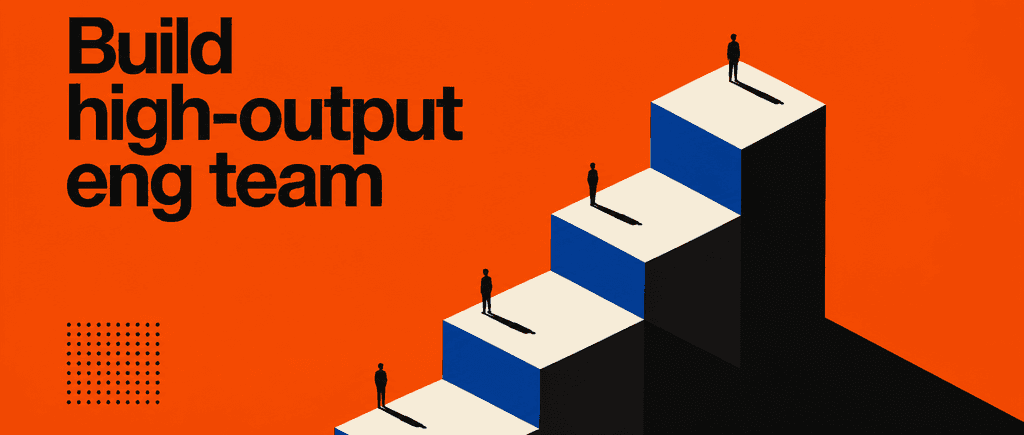
Build high-output eng team
High-output engineering teams don't happen by accident—they require intentional leadership, thoughtful structure, and systematic approaches to performance. This learning plan equips engineering leaders with practical frameworks to build, optimize, and scale teams that consistently deliver exceptional results while maintaining high morale and sustainable practices.

Systems Engineering Under Pressure
This plan is designed for senior engineers and technical leads navigating high-stakes environments with complex stakeholder dynamics. It provides tactical frameworks to maintain technical integrity and operational speed when organizational pressure and political maneuvering threaten project success.
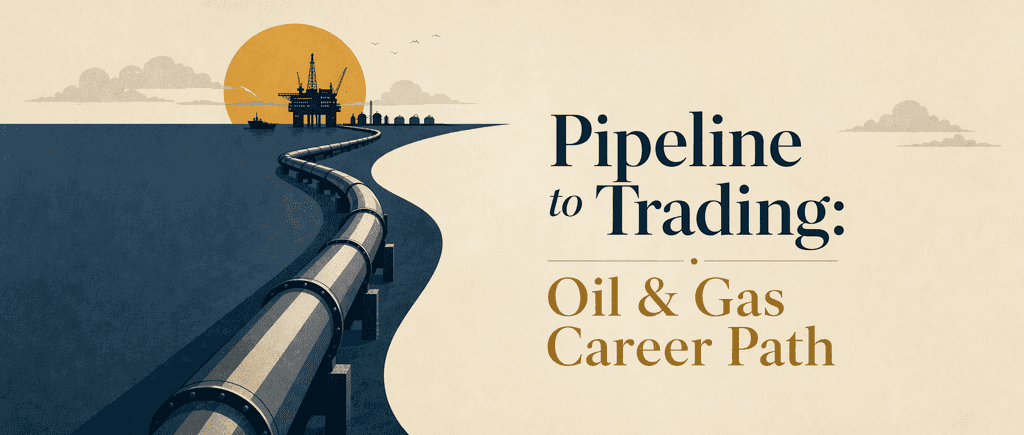
Pipeline to Trading: Oil & Gas Career Path
This learning plan is designed for midstream professionals—schedulers, coordinators, and analysts—who want to expand their career trajectory into trading or leadership roles. It bridges the critical gap between operational expertise and commercial acumen, equipping you with the risk management knowledge, market fluency, and communication skills that energy companies value most in their future leaders.

Rainwater Safety and Potability Engineering
This plan is essential for engineers, off-grid enthusiasts, and sustainability professionals looking to master the technical requirements of safe water harvesting. It bridges the gap between environmental collection and public health standards through rigorous engineering principles.
"Instead of endless scrolling, I just hit play on BeFreed. It saves me so much time."


"I never knew where to start with nonfiction—BeFreed’s book lists turned into podcasts gave me a clear path."


"Perfect balance between learning and entertainment. Finished ‘Thinking, Fast and Slow’ on my commute this week."
"Crazy how much I learned while walking the dog. BeFreed = small habits → big gains."
"Reading used to feel like a chore. Now it’s just part of my lifestyle."

"Feels effortless compared to reading. I’ve finished 6 books this month already."
"BeFreed turned my guilty doomscrolling into something that feels productive and inspiring."

"BeFreed turned my commute into learning time. 20-min podcasts are perfect for finishing books I never had time for."
"BeFreed replaced my podcast queue. Imagine Spotify for books — that’s it. 🙌"

"It is great for me to learn something from the book without reading it."
"The themed book list podcasts help me connect ideas across authors—like a guided audio journey."
"Makes me feel smarter every time before going to work"
"Instead of endless scrolling, I just hit play on BeFreed. It saves me so much time."
"I never knew where to start with nonfiction—BeFreed’s book lists turned into podcasts gave me a clear path."
"Perfect balance between learning and entertainment. Finished ‘Thinking, Fast and Slow’ on my commute this week."
"Crazy how much I learned while walking the dog. BeFreed = small habits → big gains."
"Reading used to feel like a chore. Now it’s just part of my lifestyle."
"Feels effortless compared to reading. I’ve finished 6 books this month already."
"BeFreed turned my guilty doomscrolling into something that feels productive and inspiring."
"BeFreed turned my commute into learning time. 20-min podcasts are perfect for finishing books I never had time for."
"BeFreed replaced my podcast queue. Imagine Spotify for books — that’s it. 🙌"
"It is great for me to learn something from the book without reading it."
"The themed book list podcasts help me connect ideas across authors—like a guided audio journey."
"Makes me feel smarter every time before going to work"
"Instead of endless scrolling, I just hit play on BeFreed. It saves me so much time."
"I never knew where to start with nonfiction—BeFreed’s book lists turned into podcasts gave me a clear path."
"Perfect balance between learning and entertainment. Finished ‘Thinking, Fast and Slow’ on my commute this week."
"Crazy how much I learned while walking the dog. BeFreed = small habits → big gains."
"Reading used to feel like a chore. Now it’s just part of my lifestyle."
"Feels effortless compared to reading. I’ve finished 6 books this month already."
"BeFreed turned my guilty doomscrolling into something that feels productive and inspiring."
"BeFreed turned my commute into learning time. 20-min podcasts are perfect for finishing books I never had time for."
"BeFreed replaced my podcast queue. Imagine Spotify for books — that’s it. 🙌"
"It is great for me to learn something from the book without reading it."
"The themed book list podcasts help me connect ideas across authors—like a guided audio journey."
"Makes me feel smarter every time before going to work"
"Instead of endless scrolling, I just hit play on BeFreed. It saves me so much time."
"I never knew where to start with nonfiction—BeFreed’s book lists turned into podcasts gave me a clear path."
"Perfect balance between learning and entertainment. Finished ‘Thinking, Fast and Slow’ on my commute this week."
"Crazy how much I learned while walking the dog. BeFreed = small habits → big gains."
"Reading used to feel like a chore. Now it’s just part of my lifestyle."
"Feels effortless compared to reading. I’ve finished 6 books this month already."
"BeFreed turned my guilty doomscrolling into something that feels productive and inspiring."
"BeFreed turned my commute into learning time. 20-min podcasts are perfect for finishing books I never had time for."
"BeFreed replaced my podcast queue. Imagine Spotify for books — that’s it. 🙌"
"It is great for me to learn something from the book without reading it."
"The themed book list podcasts help me connect ideas across authors—like a guided audio journey."
"Makes me feel smarter every time before going to work"