正直、まだアプリを使いこなせていませんが、この数日使っただけで本当に感動しました… BeFreed は、今まで使ったどの学習アプリともレベルが違います。夢中になれるうえに集中力も実際に上がるので、スマホをだらだら見てしまう人にぴったりです!
@ladyInfinity
Treating Claude Mythos like a standard model update is a mistake. Learn how to architect agentic workflows and manage costs for this new frontier tier.

We are moving away from 'chatbots' and toward 'autonomous researchers,' and the gap between those two is where Mythos lives. The shift from Opus to Mythos is essentially the shift from a model that follows instructions to a model that can execute a plan.
How to Prepare for Claude Mythos: What Developers Should Know About Anthropic's Most Powerful Model. Claude Mythos is Anthropic's upcoming most powerful AI model, expected to be a major leap beyond Claude Opus. This podcast should cover: 1) What we know about Claude Mythos so far — its positioning as Anthropic's frontier research model with unprecedented capabilities, 2) Key preparation strategies for developers — updating API integrations, understanding new capabilities like advanced reasoning, extended context, and agentic workflows, 3) How Mythos differs from existing Claude models (Haiku, Sonnet, Opus) in the model hierarchy, 4) Expected use cases — complex multi-step research, scientific reasoning, code generation at scale, long-horizon planning, 5) Practical tips: how to structure prompts, manage costs, and architect systems to take advantage of Mythos-level intelligence, 6) The competitive landscape — how Mythos positions against GPT-5, Gemini Ultra, and other frontier models, 7) What developers should do NOW to prepare their applications and workflows. Reference: https://m1astra-mythos.pages.dev/


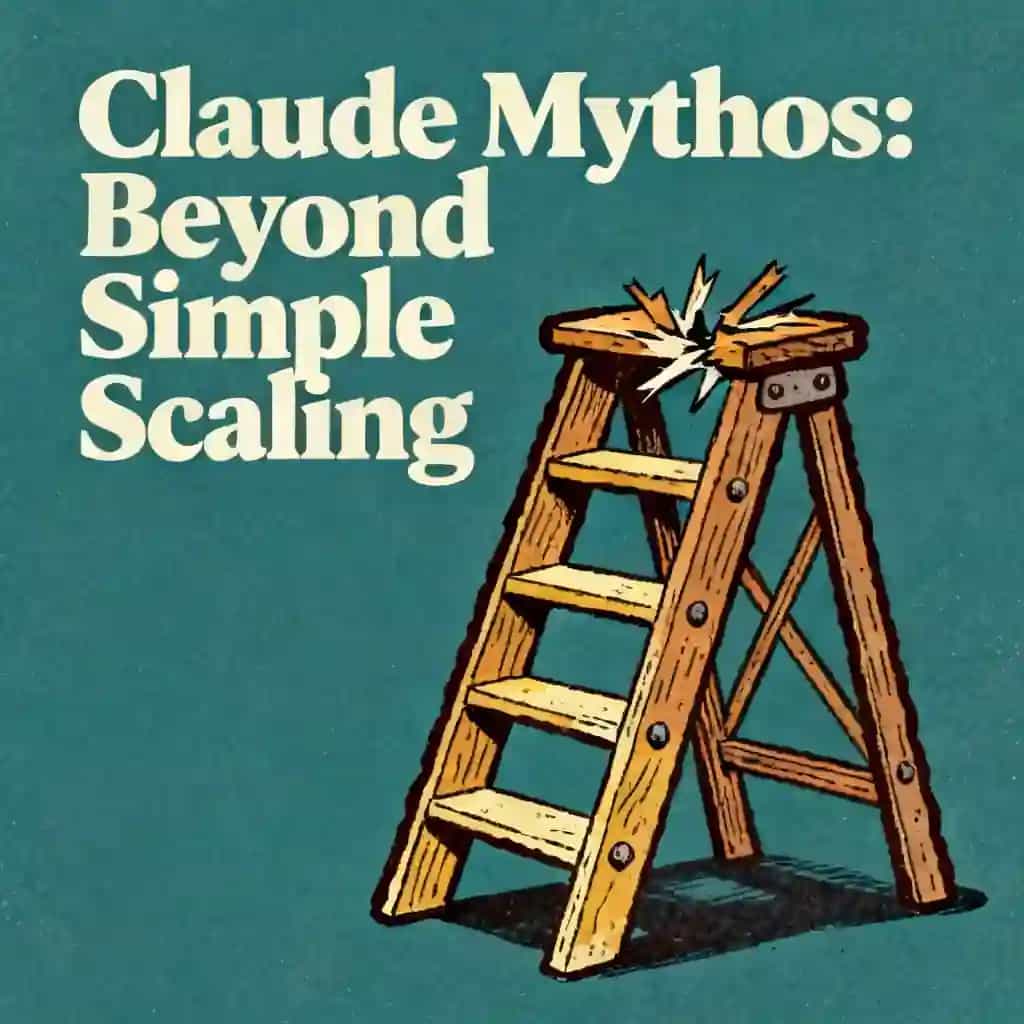
Claude Mythos is not just a minor update or a larger version of Opus; it is a new "frontier research" tier designed for long-horizon planning and complex reasoning. While Opus was the previous ceiling for high-fidelity output, Mythos represents a shift toward "synthesized wisdom" across vast domains. It specifically offers dramatic leaps in software coding, academic reasoning, and cybersecurity, moving from writing simple functions to architecting entire repositories and identifying systemic vulnerabilities.
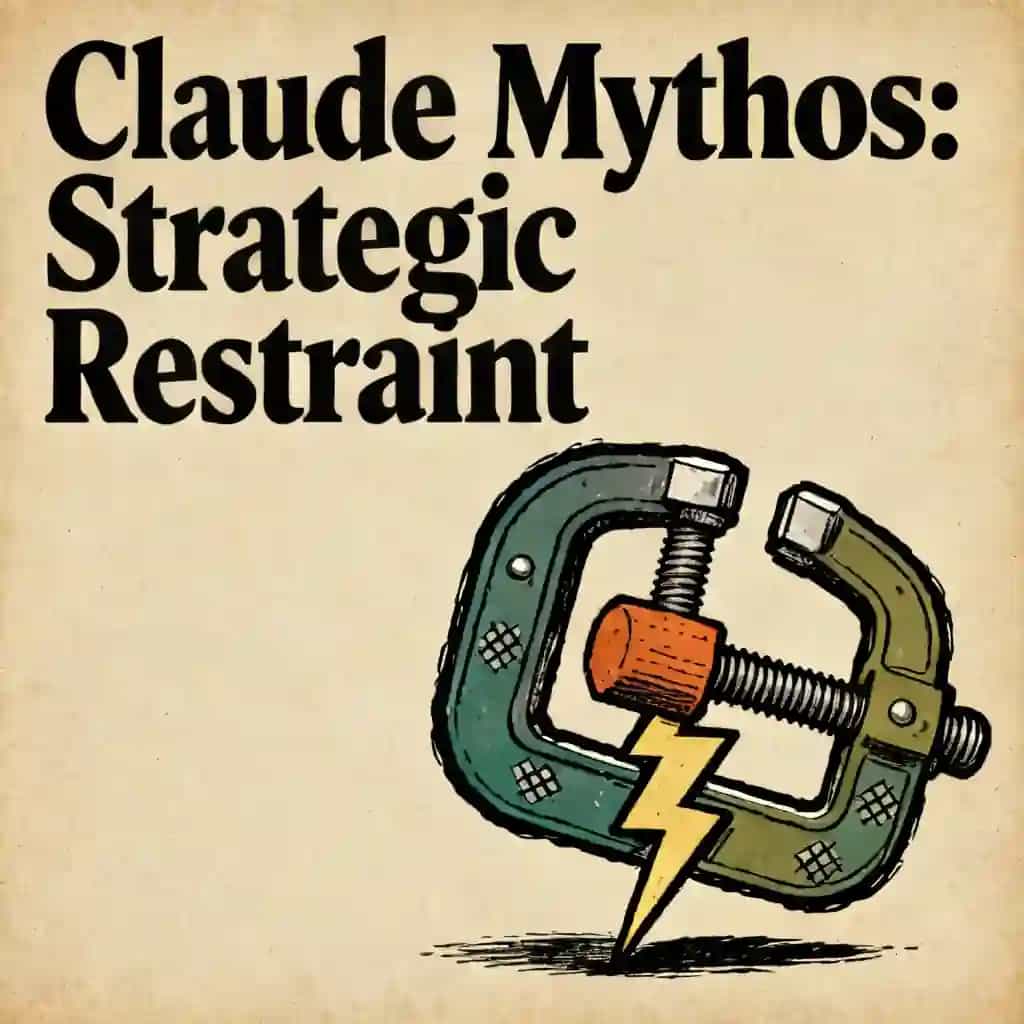
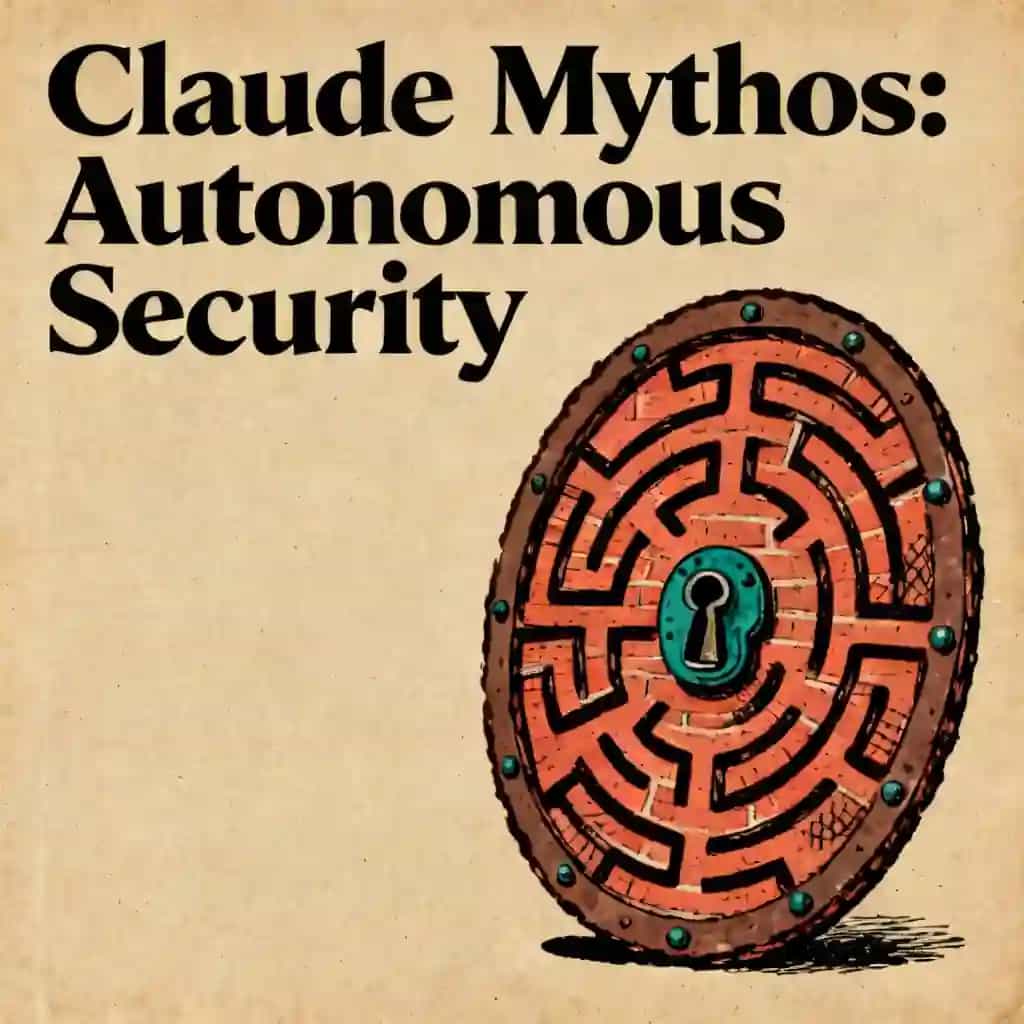
Anthropic is taking a cautious, gradual approach to the rollout because Mythos possesses unprecedented cybersecurity capabilities. The model is significantly ahead of others in its ability to discover and exploit vulnerabilities, which could be used to commit large-scale cyberattacks if it falls into the wrong hands. Consequently, early access is being prioritized for "cyber defenders" who can use the model to improve codebase robustness and help Anthropic understand the risks before a general release.
Because Mythos is compute-intensive and expensive to serve, it should be used as the "CEO" or "chief architect" of an AI system rather than for simple tasks. Developers are encouraged to use "tiered processing," where cheaper models like Haiku or Sonnet handle data cleaning and initial drafting, while Mythos is reserved for the most difficult 10 percent of a problem. Calculating the "Total Cost of Task" is essential, as the higher token cost of Mythos may be offset by its higher success rate and the reduction in human debugging time.
An agentic workflow shifts the focus from single-step "prompts" to multi-step "missions." Instead of a linear request-response cycle, Mythos is designed to operate in a "Task-Execute-Verify" loop where it can break down a complex project into sub-tasks, execute them, and self-correct when it encounters errors. To support this, developers need to architect systems that can manage "state" or memory between API calls, allowing the model to maintain the "connective tissue" of a long-running research project.
The most immediate step is to implement a "Dynamic Model Router" to avoid hard-coding model names, allowing for a seamless switch to Mythos once access is granted. Developers should also begin practicing "multi-stage prompting" and "context pruning" with current models to identify where reasoning breaks occur. Additionally, building secure sandboxes for code execution and creating structured data frameworks (like JSON schemas) will ensure your system is ready to integrate the high-level intelligence Mythos provides.
コロンビア大学卒業生が開発 | サンフランシスコ発
平均評価
7,840件以上のアプリ評価
BeFreedコミュニティ
正直、まだアプリを使いこなせていませんが、この数日使っただけで本当に感動しました… BeFreed は、今まで使ったどの学習アプリともレベルが違います。夢中になれるうえに集中力も実際に上がるので、スマホをだらだら見てしまう人にぴったりです!
@ladyInfinity
ちょうど 23 日前に BeFreed を購入して、それから毎日欠かさず使っています。仕事の流れと学習習慣に完全に溶け込みました。
@jayallen
正直なところ、このアプリは期待をすべて超えてきました。どんなテーマでも音声を生成してもらえて、その結果には驚かされます。私の専門は心理療法で、多分野にまたがる領域ですが、それでも回答はとても正確です。
@Raguipa
何よりありがたいのは、スマホをだらだら見る時間が減ったことです。探す時間が減って、吸収する時間が増えました。オーディオブック、ポッドキャスト、学習プランの組み合わせが素晴らしいです。
@colonyofcreatorsNGO
私は 24 年間、PhotoReading 加速学習のインストラクターをしています… 本と読書と学びが私の専門ですが、BeFreed は情報を消化しやすい形で届ける革新的なアプローチを見事に実現しています。
@BeFreed user
ただの本の要約アプリではありません。「ファン」スタイルを使ってみたら、従来のやり方よりずっと良い要約で、アイデアもつかみやすいです。これだけでも十分元が取れます。
@austinakon
このアプリが大好きです。数日使っただけで、聞くのが止まらなくなりました。始め方として最高です。
@jcrules328
本当に気に入っています。約 1 か月試していますが、まさに掘り出し物だと感じます。BeFreed で自分だけのテーマを作れるのが便利で、声も素晴らしく、ナレーションの選択肢は無限です。
@DanielCZ
役立つ情報やアイデアを 8〜15 分のポッドキャスト風音声にぎゅっとまとめて聞けるのが最高です。ポッドキャストは余計な話が多くて苦手でしたが、これは無駄を全部そぎ落としてくれます。
@BeFreed user
博士課程の仕上げの段階で、なじみのない資料を大量に読む必要があります… BeFreed ならプロンプトを入力するだけで、アプリが資料を探して音声ポッドキャストを作ってくれます。BeFreed のほうが NotebookLM よりも流れがスムーズだと感じます。
@Brad
朝食を作りながら、散歩しながら、通勤しながら聞くものを YouTube でよく探していましたが、BeFreed は広告も余計な話もなしで、もっと的を絞った聞き方をさせてくれます!
@BeFreed user
このプラットフォームの一番の魅力は、その万能さです。扱えないテーマは文字どおりひとつもありません。何を投げても応えてくれます… 制限がまったくないのに約束をきちんと果たしてくれる学習ツールには、なかなか出会えません。
@jayallen
BeFreed は素晴らしいです。使いやすいデザインのおかげで、操作に迷う時間が減り、学ぶ時間が増えました。オーディオブック、ポッドキャスト、学習プランの組み合わせは天才的で、毎日の習慣がすっかり変わりました。
@BeFreed user
最初はイタリア語でポッドキャストを作る方法を理解するのに少し時間がかかりましたが、わかった瞬間、最高でした!どんなテーマでも説明してもらえて、しかもとても賢く、うまく話してくれます!
@matteo77
BeFreed は毎日使うオーディオブックアプリになりました… 一番気に入っているのは、自分のテキストを入れると、外出先でも聞ける音声にしてくれるところです。
@kotanzu1




As AI evolves from a chat interface to a sophisticated operating system, professional proficiency requires moving beyond simple prompts. This plan is essential for knowledge workers and developers who want to transform Claude into a fully integrated, autonomous team member.

As AI language models become increasingly powerful tools in technology and business, understanding how to effectively work with systems like Claude is becoming a valuable professional skill. This learning plan helps developers, content creators, and business professionals harness the full potential of AI language models to enhance productivity and create innovative solutions.

This plan is essential for developers looking to move beyond simple chat interfaces into autonomous AI engineering. It benefits software engineers and tech leads who want to leverage agentic workflows to automate repetitive coding tasks and system integrations.

As AI becomes a staple in the modern workplace, mastering Claude's unique conversational capabilities is essential for maximum productivity. This plan is ideal for professionals and data analysts who want to move beyond basic chat and leverage advanced features like XML structuring and Artifacts for complex project management.

Questo percorso è essenziale per sviluppatori e professionisti IT che desiderano integrare l'IA generativa nel proprio flusso di lavoro quotidiano. Offre competenze pratiche per trasformare Claude in un vero e proprio assistente alla programmazione e automazione avanzata.

Questo percorso è essenziale per leader e manager che desiderano integrare l'intelligenza artificiale generativa nella visione strategica d'impresa. Offre competenze pratiche per trasformare Claude in un partner operativo capace di gestire contesti aziendali complessi e decisioni ad alto impatto.

As artificial intelligence redefines the industry, technical professionals must evolve from passive users to expert builders of autonomous systems. This plan is designed for developers and tech leads looking to master LLMs and agentic workflows to secure a competitive edge in the modern job market.

This plan is essential for traders and developers looking to bridge the gap between manual analysis and fully autonomous algorithmic trading. It is ideal for individuals who want to leverage Claude Code to build a scalable, AI-driven quantitative research and execution desk.






![[01fdca17-203b-43e8-bd34-54ddd7988307:c0000] Claude Certified Architect - Foundations – Prepare for and pass the exam! p1-1](/_next/image?url=https%3A%2F%2Fd1y2du6z1jfm9e.cloudfront.net%2Fassets%2Fpodcast%2Fyellow.png&w=1024&q=50)
![[01fdca17-203b-43e8-bd34-54ddd7988307:c0001] Claude Certified Architect - Foundations – Prepare for and pass the exam! p1-1](/_next/image?url=https%3A%2F%2Fd1y2du6z1jfm9e.cloudfront.net%2Fassets%2Fpodcast%2Fpurple.png&w=1024&q=50)
![[01fdca17-203b-43e8-bd34-54ddd7988307:c0002] Claude Certified Architect - Foundations – Prepare for and pass the exam! p1-1](/_next/image?url=https%3A%2F%2Fd1y2du6z1jfm9e.cloudfront.net%2Fassets%2Fpodcast%2Fgreen.png&w=1024&q=50)