Brain Glitches: Overcoming Cognitive Bias and Improving Decisions
Explore Brain Glitches: Overcoming Cognitive Bias. Learn how systematic deviations in rationality affect decision making and how to stop trusting flawed intuitions.

Brain Glitches: Overcoming Cognitive Bias and Improving Decisionsのベスト引用
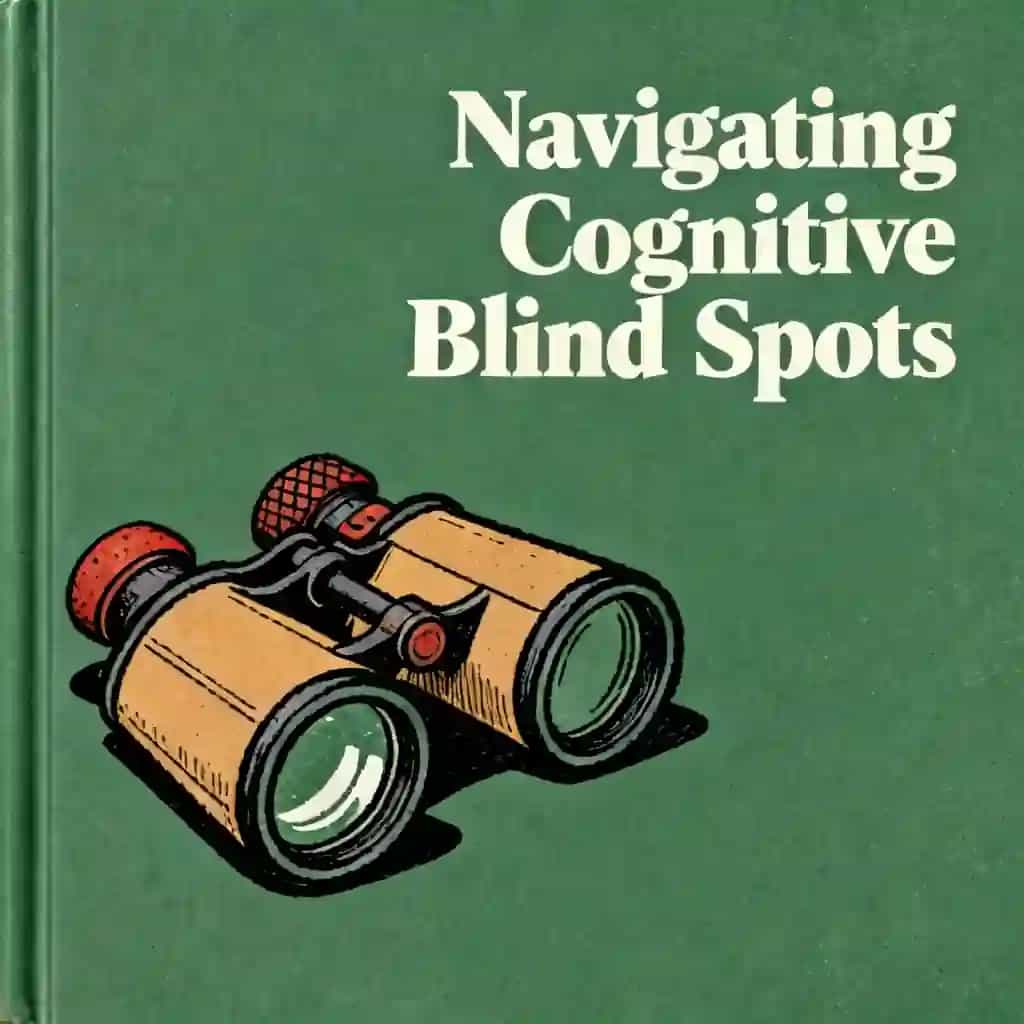
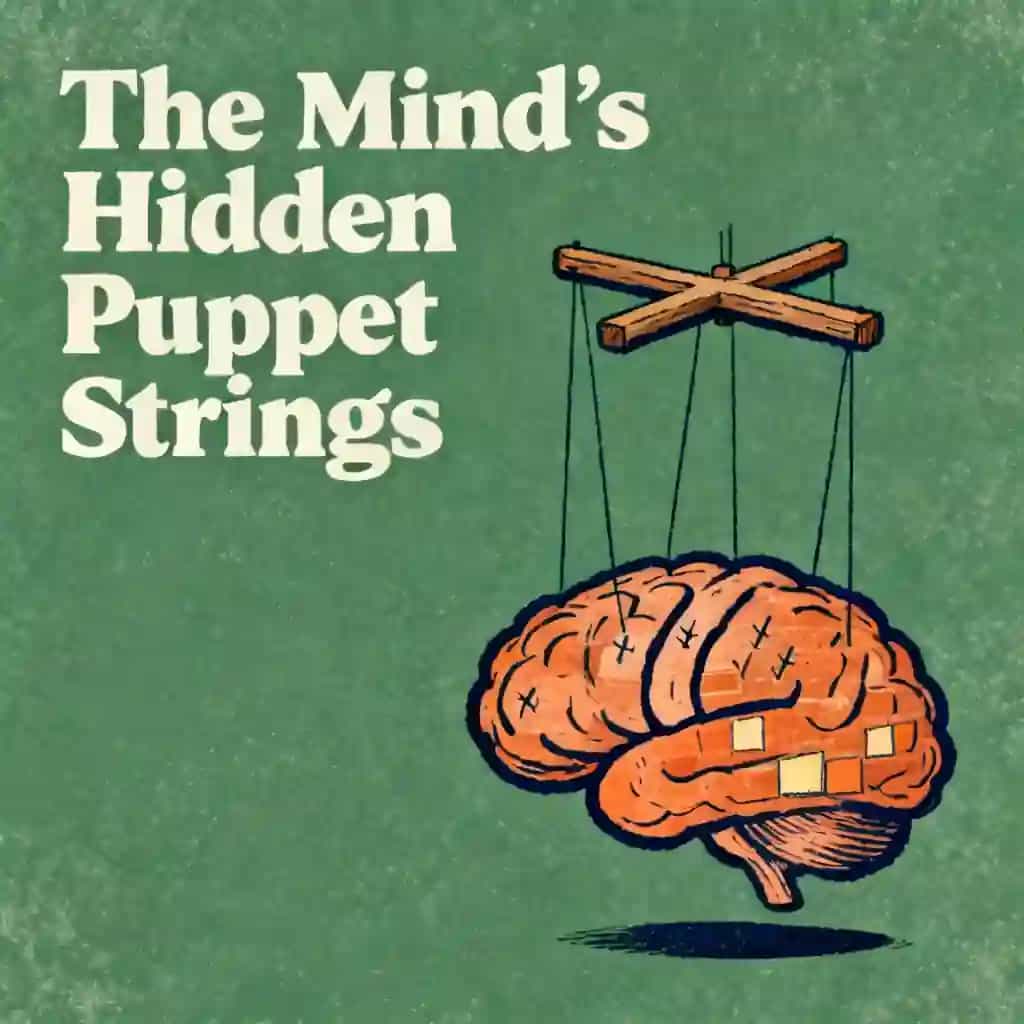
Your mind is the lens through which you perceive the entire world, but that lens has built-in flaws. It’s not about fixing the brain—it’s about building a better system to handle the brain you’ve got.
Generated by Michael Wailes
What are some common cognitive biases and how do you recognize them as well as interupt them when we spot them in our own thinking?






よくある質問
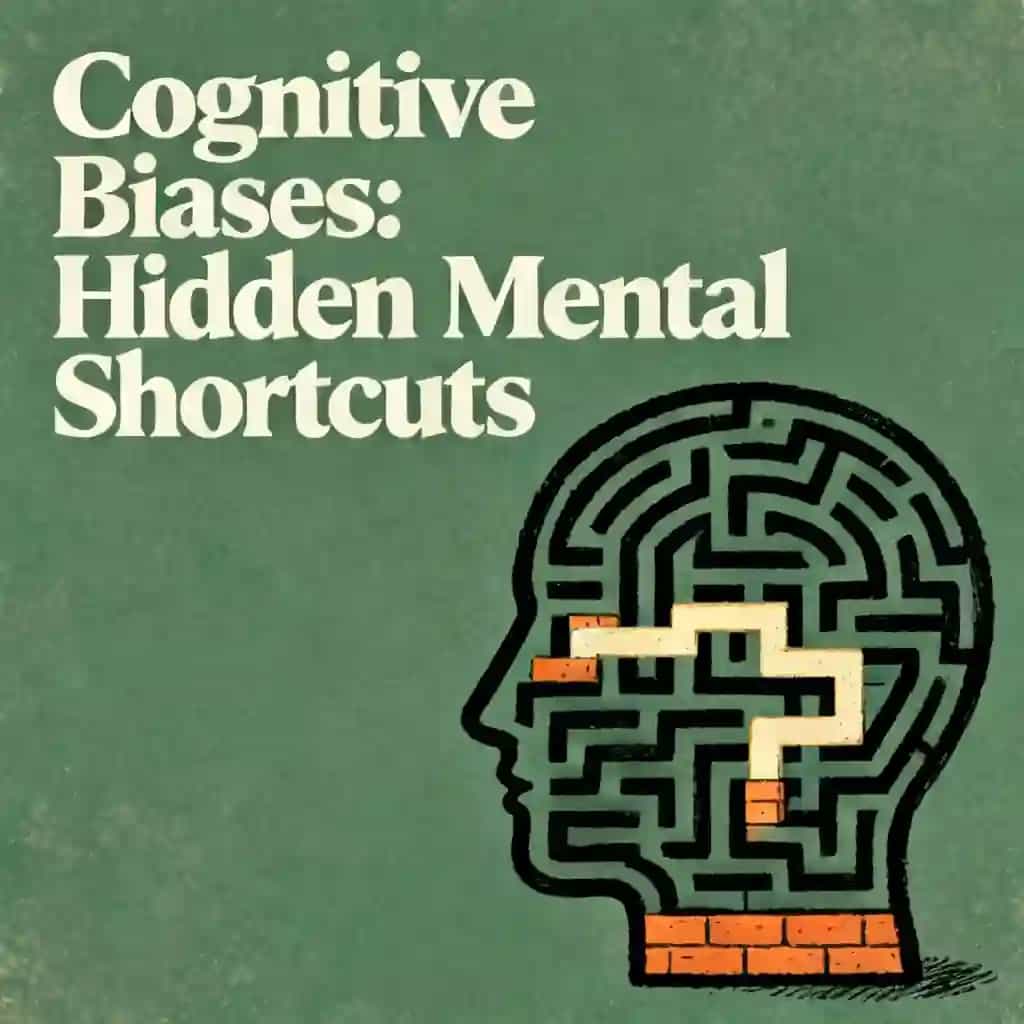
Cognitive biases are systematic deviations from rationality that act like built-in flaws in the mind's lens. Much like an optical illusion where your brain automatically corrects for shadows, these biases happen to everyone all the time, regardless of professional background. They are the primary obstacles holding individuals back from forming true beliefs and making better decisions in their careers, relationships, and personal lives.
Optical illusions, such as the chessboard shadow effect, serve as a perfect metaphor for cognitive bias because they demonstrate how the brain automatically processes information in ways we cannot consciously control. Even when presented with the truth—such as two squares being the exact same shade—the mind continues to perceive them differently. This illustrates that you cannot simply will yourself to be unbiased or rational through effort alone.
No one is immune to these mental glitches, including professional psychologists and world-class scientists. Because these biases are systematic deviations inherent to human psychology, they occur automatically. Awareness of the bias does not immediately fix the perception, just as knowing how an optical illusion works doesn't stop your eyes from seeing it. To reach the ground truth, one must learn specifically when to stop trusting their own intuitions.
Improving rationality starts with recognizing that your mind is a lens with built-in flaws that distort your perception of the world. To overcome these biases and make better decisions, you must move beyond relying on simple willpower. The key is learning to identify the specific moments when your intuition is likely to be wrong and consciously choosing to seek the ground truth rather than following automatic mental corrections.
"Instead of endless scrolling, I just hit play on BeFreed. It saves me so much time."


"I never knew where to start with nonfiction—BeFreed’s book lists turned into podcasts gave me a clear path."


"Perfect balance between learning and entertainment. Finished ‘Thinking, Fast and Slow’ on my commute this week."
"Crazy how much I learned while walking the dog. BeFreed = small habits → big gains."
"Reading used to feel like a chore. Now it’s just part of my lifestyle."

"Feels effortless compared to reading. I’ve finished 6 books this month already."
"BeFreed turned my guilty doomscrolling into something that feels productive and inspiring."

"BeFreed turned my commute into learning time. 20-min podcasts are perfect for finishing books I never had time for."
"BeFreed replaced my podcast queue. Imagine Spotify for books — that’s it. 🙌"

"It is great for me to learn something from the book without reading it."
"The themed book list podcasts help me connect ideas across authors—like a guided audio journey."
"Makes me feel smarter every time before going to work"
"Instead of endless scrolling, I just hit play on BeFreed. It saves me so much time."
"I never knew where to start with nonfiction—BeFreed’s book lists turned into podcasts gave me a clear path."
"Perfect balance between learning and entertainment. Finished ‘Thinking, Fast and Slow’ on my commute this week."
"Crazy how much I learned while walking the dog. BeFreed = small habits → big gains."
"Reading used to feel like a chore. Now it’s just part of my lifestyle."
"Feels effortless compared to reading. I’ve finished 6 books this month already."
"BeFreed turned my guilty doomscrolling into something that feels productive and inspiring."
"BeFreed turned my commute into learning time. 20-min podcasts are perfect for finishing books I never had time for."
"BeFreed replaced my podcast queue. Imagine Spotify for books — that’s it. 🙌"
"It is great for me to learn something from the book without reading it."
"The themed book list podcasts help me connect ideas across authors—like a guided audio journey."
"Makes me feel smarter every time before going to work"
"Instead of endless scrolling, I just hit play on BeFreed. It saves me so much time."
"I never knew where to start with nonfiction—BeFreed’s book lists turned into podcasts gave me a clear path."
"Perfect balance between learning and entertainment. Finished ‘Thinking, Fast and Slow’ on my commute this week."
"Crazy how much I learned while walking the dog. BeFreed = small habits → big gains."
"Reading used to feel like a chore. Now it’s just part of my lifestyle."
"Feels effortless compared to reading. I’ve finished 6 books this month already."
"BeFreed turned my guilty doomscrolling into something that feels productive and inspiring."
"BeFreed turned my commute into learning time. 20-min podcasts are perfect for finishing books I never had time for."
"BeFreed replaced my podcast queue. Imagine Spotify for books — that’s it. 🙌"
"It is great for me to learn something from the book without reading it."
"The themed book list podcasts help me connect ideas across authors—like a guided audio journey."
"Makes me feel smarter every time before going to work"
"Instead of endless scrolling, I just hit play on BeFreed. It saves me so much time."
"I never knew where to start with nonfiction—BeFreed’s book lists turned into podcasts gave me a clear path."
"Perfect balance between learning and entertainment. Finished ‘Thinking, Fast and Slow’ on my commute this week."
"Crazy how much I learned while walking the dog. BeFreed = small habits → big gains."
"Reading used to feel like a chore. Now it’s just part of my lifestyle."
"Feels effortless compared to reading. I’ve finished 6 books this month already."
"BeFreed turned my guilty doomscrolling into something that feels productive and inspiring."
"BeFreed turned my commute into learning time. 20-min podcasts are perfect for finishing books I never had time for."
"BeFreed replaced my podcast queue. Imagine Spotify for books — that’s it. 🙌"
"It is great for me to learn something from the book without reading it."
"The themed book list podcasts help me connect ideas across authors—like a guided audio journey."
"Makes me feel smarter every time before going to work"