BeFreed
    Categories>Entrepreneurship>Bootstrap Your Startup: Building Big on Zero Budget

    Bootstrap Your Startup: Building Big on Zero Budget

    30分
    |
    |
    2025年11月22日
    • Entrepreneurship
    • Career & Business
    • Productivity

    Discover how to launch and scale a successful business without investors. From lean market research to guerrilla marketing, learn the proven strategies that turn constraints into competitive advantages.

    Bootstrap Your Startup: Building Big on Zero Budget
    0:00 / 0:00
    聴き方を選ぶ

    1つのエピソード。いろいろな聴き方。

    Bootstrap Your Startup: Building Big on Zero Budgetの同じアイデアを、あなたに合う声・深さ・ペースで。いつでも切り替えられます。

    文字起こしとチャプター

    チャプター 1

    Opening & Welcome

    Jackson: Hey everyone, welcome back to BeFreed! We've got something really exciting lined up for our listeners today, and Miles, I have to say I'm genuinely pumped to dive into this topic with you.

    Miles: Absolutely, Jackson. You know, there's something really inspiring about entrepreneurs who manage to build something amazing from practically nothing. It's like watching someone create magic with just determination and creativity.

    Jackson: Exactly! And that's what we're exploring today-how to actually start a business when you don't have a massive war chest of funding. I mean, we've all heard those Silicon Valley stories about million-dollar seed rounds, but what about the rest of us who need to bootstrap our way to success?

    チャプター 2

    Topic Introduction & Source Material Setup

    Miles: Right, and that's where this gets really interesting. We've been diving deep into some incredible resources that completely challenge the traditional "you need money to make money" mentality. I was just reading through "How to Start a Business With Little or No Money" from PNC Bank, and it's fascinating how they debunk that whole myth right from the start.

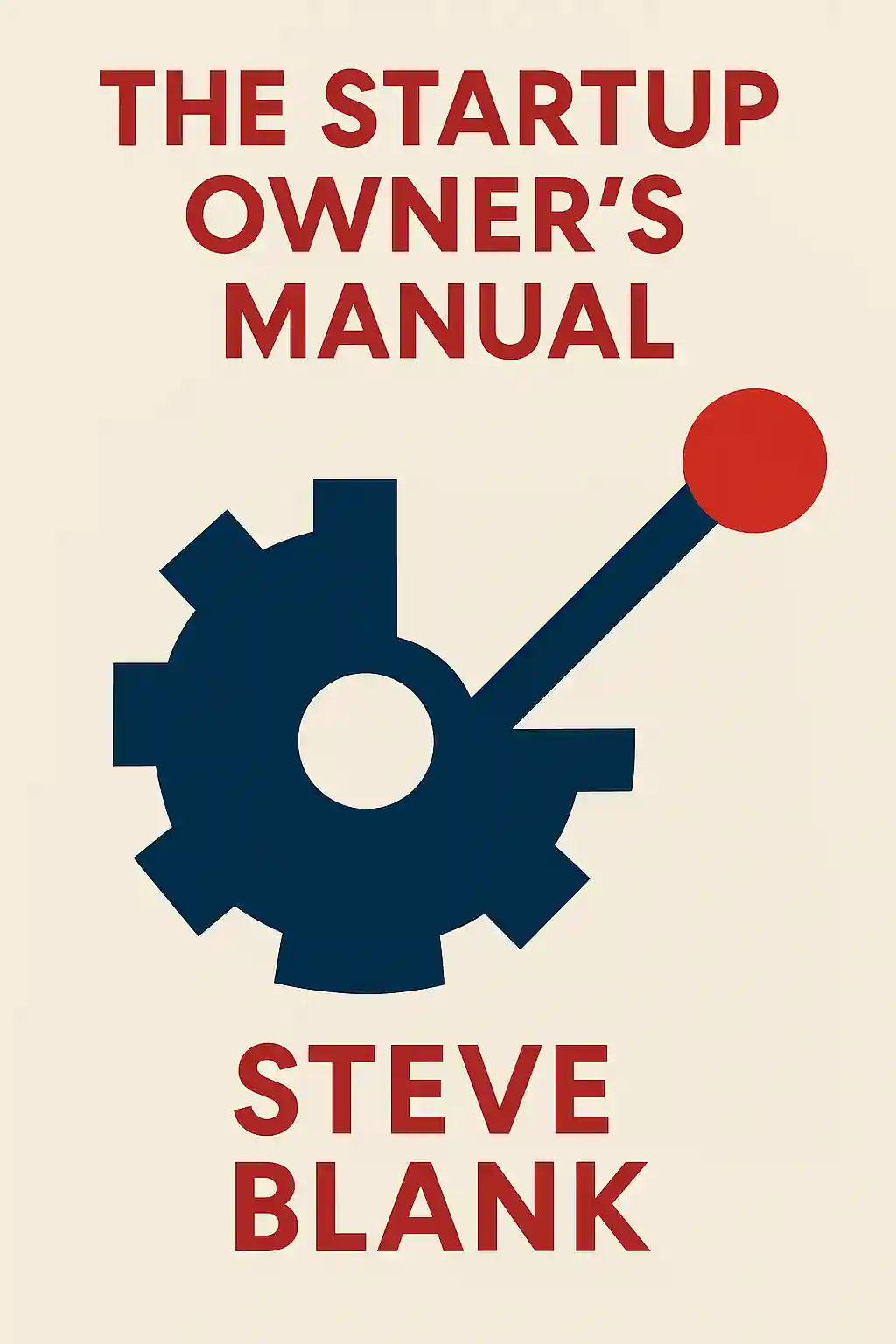
    Jackson: Oh, that's such an important point! And you know what really caught my attention? When you look at the bootstrapping strategies outlined in the Investopedia guide, combined with what we see in "The Startup Owner's Manual"-there's this consistent theme that successful businesses aren't necessarily the ones with the biggest budgets upfront.

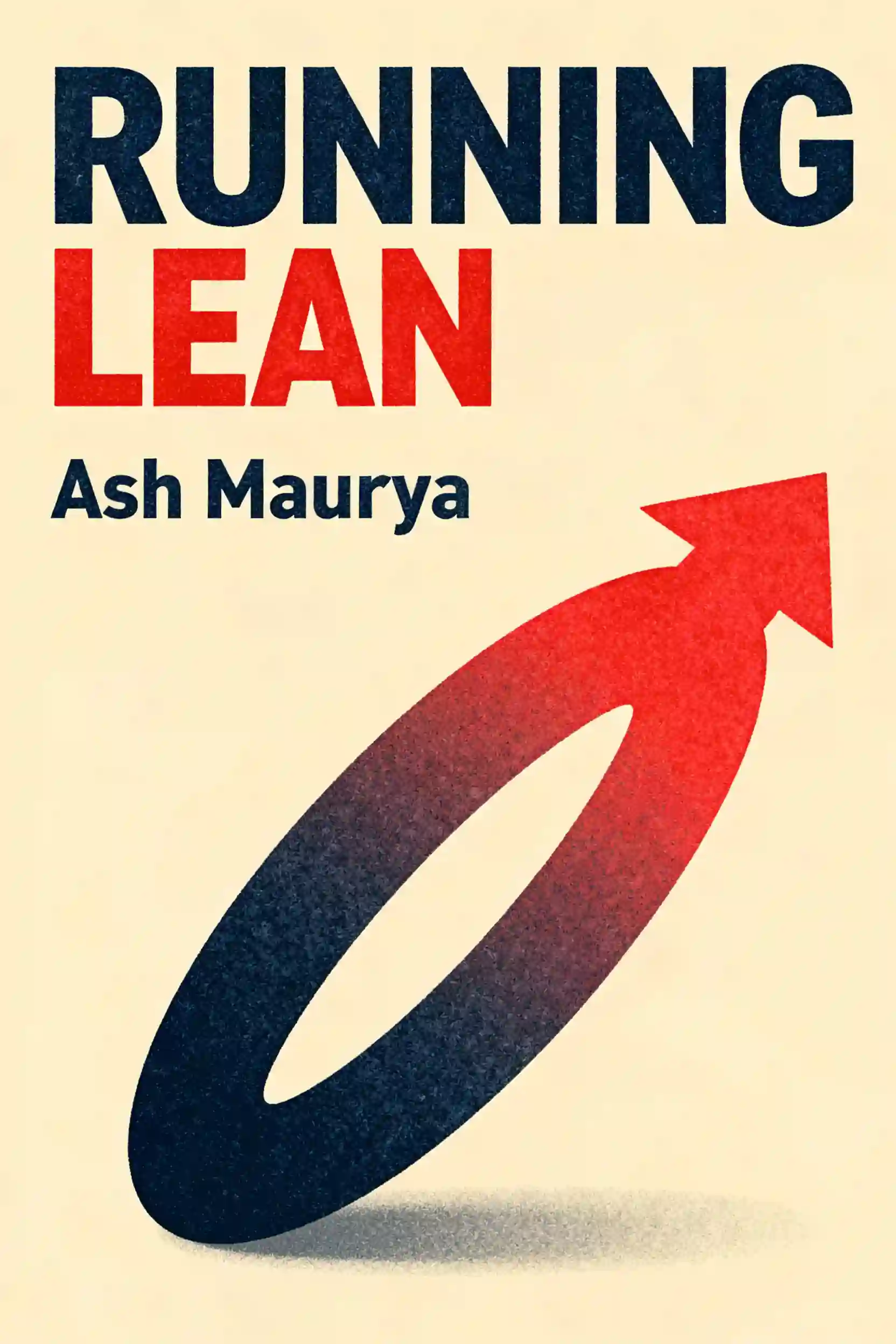
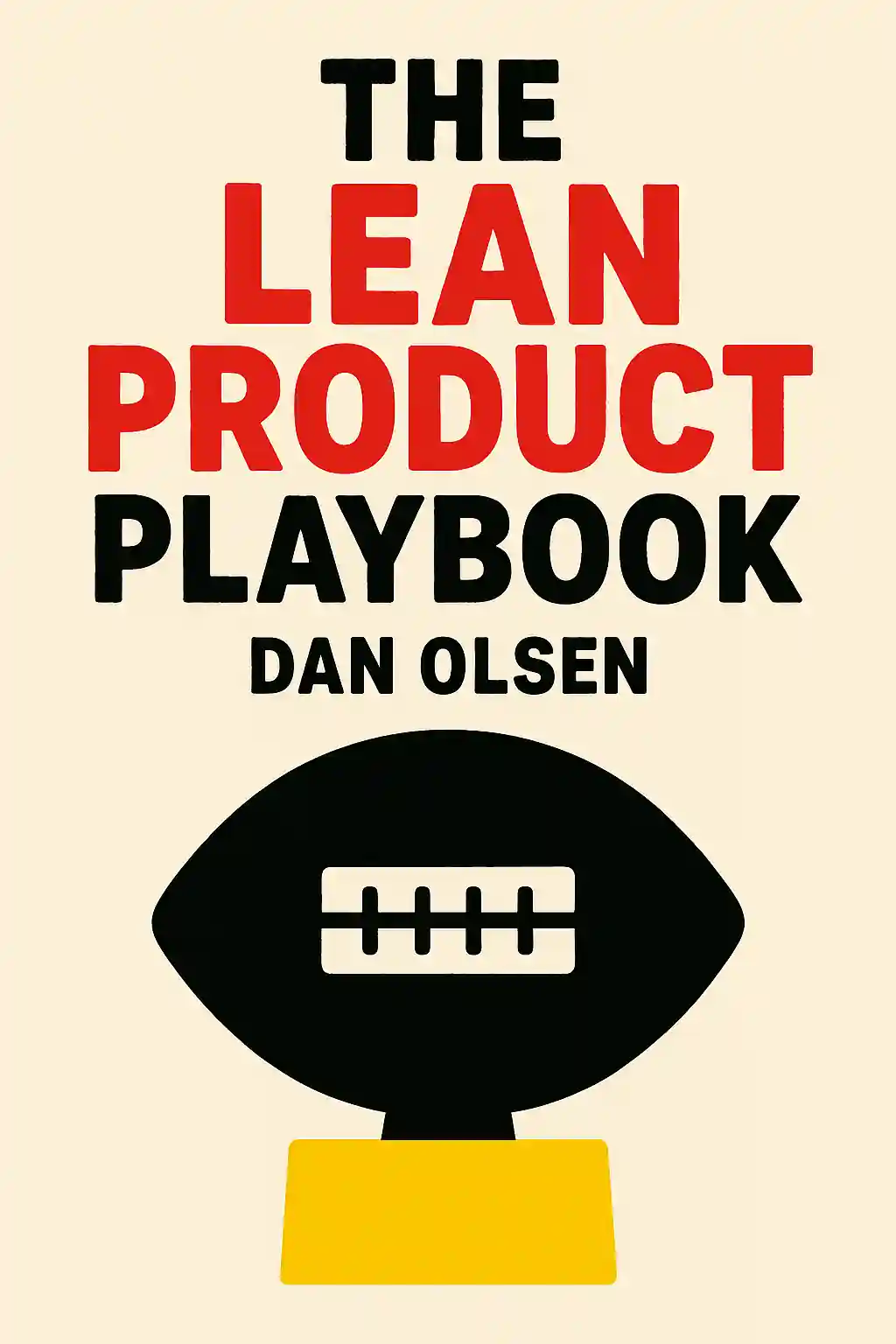
    Miles: Exactly! And "Running Lean" takes this even further by showing us how to iterate from what they call "Plan A" to a plan that actually works. It's all about this systematic approach to testing your assumptions without burning through cash. Plus, "The Lean Product Playbook" gives us this whole framework for achieving product-market fit through rapid customer feedback.

    Jackson: What I love about "Bootstrap Your Startup" is how it breaks everything down into these practical, step-by-step processes. It's not just theory-it's actionable stuff that real entrepreneurs can implement immediately. So for everyone listening today, we're going to walk through this entire journey together, from that initial spark of an idea all the way to scaling without investors.

    このエピソードで学びを深める

    このエピソードのアイデアを、BeFreedのガイド付き学習体験でさらに深めましょう。

    チャプター 3

    The Bootstrapping Mindset Revolution

    Miles: You know, Jackson, I think we need to start by completely reframing how people think about starting a business. There's this pervasive belief that you need substantial capital to get started, but the reality is so different.

    Jackson: Right! And what's fascinating is how "The Startup Owner's Manual" explains that a startup isn't just a smaller version of a large company-it's actually a temporary organization designed to search for a repeatable, scalable business model. That changes everything about how we approach funding, doesn't it?

    Miles: Absolutely. It's like the difference between building a house when you already know the blueprint versus exploring uncharted territory. When you're in that exploration phase, you don't need massive infrastructure-you need agility and the ability to pivot quickly.

    Jackson: That's such a great analogy! And the PNC guide really drives this home with examples of service-based businesses. If you love design, you can start a freelance graphic design business. If you're into fitness, create online workout plans. These don't require significant startup capital, but they can generate revenue almost immediately.

    Miles: Exactly, and this ties beautifully into what "Running Lean" teaches about treating your startup as a hypothesis-testing machine. Instead of assuming you know what customers want, you're constantly validating assumptions through real customer interactions. It's so much more cost-effective than building elaborate solutions before confirming there's actual demand.

    Jackson: I'm thinking about that Webvan example from "The Startup Owner's Manual"-they had $800 million in funding and still failed spectacularly because they built massive infrastructure before validating customer demand. Meanwhile, Peapod started small, manually shopping at grocery stores, learning what customers actually wanted.

    Miles: That's the perfect illustration! Webvan executed their plan flawlessly-it was just the wrong plan. And that's what's so powerful about the bootstrapping approach. When you're forced to be resourceful, you naturally focus on validation before scaling. You can't afford to make those expensive assumptions.

    チャプター 4

    Finding Your Business Idea Without Breaking the Bank

    Jackson: So let's get practical here. For our listeners who are sitting there thinking, "Okay, I'm convinced, but where do I even start?" What's the process for finding that right business idea when you're working with limited resources?

    Miles: Great question! The key is starting with what you already have-your skills, passions, and experiences. "Bootstrap Your Startup" emphasizes this beautifully. What problems are you uniquely positioned to solve? What expertise do you already possess that others might pay for?

    Jackson: Right, and it's not just about what you know-it's about identifying those "hair-on-fire" problems that people are actively trying to solve. "The Startup Owner's Manual" talks about looking for customers who are already cobbling together makeshift solutions. Those are your golden opportunities.

    Miles: Exactly! And here's where the research comes in. You don't need expensive market research firms. "Running Lean" shows us how to validate problems through simple customer interviews. Find 10-15 potential customers and just talk to them. What keeps them up at night? What processes are they struggling with?

    Jackson: I love how "The Lean Product Playbook" frames this as focusing on the problem space before jumping to solutions. It's so tempting to fall in love with your solution, but the real gold is in understanding the problem deeply. And those customer interviews-they're essentially free market research.

    Miles: And let's talk about those trending low-cost industries that the PNC guide mentions. Digital services, online education, dropshipping, affiliate marketing-these are all areas where you can start with minimal upfront investment. The barrier to entry is incredibly low, but the potential for growth is massive.

    Jackson: What's really interesting is how these industries align with the principles in "Bootstrap Your Startup." They focus on automation, they can be operated remotely, and they often have built-in scalability. You're not limited by physical inventory or geographical constraints.

    Miles: Exactly, and this is where the Business Model Canvas from "The Startup Owner's Manual" becomes so valuable. Instead of writing a 30-page business plan, you're mapping out your key assumptions on one page. Who are your customers? What's your value proposition? How will you reach them? How will you make money?

    Jackson: And the beautiful thing about the canvas is that it's designed to evolve. As you gather feedback and test assumptions, you're updating and refining your model. It's this living document that grows with your understanding of the market.

    このエピソードで学びを深める

    このエピソードのアイデアを、BeFreedのガイド付き学習体験でさらに深めましょう。

    チャプター 5

    The Art of Lean Market Research

    Miles: Now, Jackson, let's dive into something that I think intimidates a lot of aspiring entrepreneurs-market research. People think they need to hire expensive consulting firms or conduct massive surveys, but the lean approach is so much more elegant and cost-effective.

    Jackson: Absolutely! "Running Lean" really opened my eyes to this. The whole "get out of the building" mentality means you're not making assumptions-you're actually talking to real people who have the problems you think you're solving.

    Miles: Right, and it's not just about confirming that a problem exists. You're looking for what "The Startup Owner's Manual" calls those physical signals-customers leaning forward in their chairs, interrupting to share use cases, asking when they can get the product. Those reactions tell you so much more than polite verbal feedback.

    Jackson: That's such a crucial distinction! And "The Lean Product Playbook" categorizes these reactions beautifully. You've got unequivocal love, general approval with feature requests, understanding without urgency, or little perceived need. Only that first category-unequivocal love-justifies moving forward.

    Miles: Exactly, and this is where the iterative nature of the lean approach really shines. If you're not getting that enthusiastic response, you pivot. You don't double down on a mediocre idea just because you've invested time in it. The cost of pivoting early is so much lower than the cost of building the wrong thing.

    Jackson: And let's talk about the practical mechanics here. "Bootstrap Your Startup" suggests conducting at least 15 customer interviews for proper validation. That might sound like a lot, but think about it-15 coffee meetings over a few weeks versus months of building something nobody wants.

    Miles: And these don't have to be formal, intimidating interviews. You're having conversations. You're asking about their current processes, their pain points, what solutions they've tried. "Running Lean" emphasizes that you're looking for patterns across these conversations, not just individual opinions.

    Jackson: What I find fascinating is how this research approach actually saves money in multiple ways. You're not just avoiding building the wrong product-you're also identifying the most effective ways to reach your customers, understanding their buying behavior, and uncovering potential partnerships or distribution channels.

    Miles: Absolutely! And "The Startup Owner's Manual" makes this great point about competitive analysis. You're not hiring expensive research firms-you're becoming an expert in your space through direct observation and customer conversations. You're learning things that no external researcher could uncover.

    チャプター 6

    Building Your MVP on a Shoestring Budget

    Jackson: Alright, so our listeners have validated their problem and they're getting excited responses from potential customers. Now comes the big question-how do you actually build something without a massive development budget?

    Miles: This is where the MVP concept from "The Lean Product Playbook" becomes absolutely crucial. You're not building a full-featured product-you're building the minimum viable version that delivers value and allows you to keep learning. It's about doing less, not more.

    Jackson: Right! And "Bootstrap Your Startup" has some really practical suggestions here. Low-code and no-code tools like Bubble, Adalo, or Webflow can help you create functional prototypes in a fraction of the time and cost of traditional development.

    Miles: Exactly, and let's not forget about leveraging open-source libraries and existing modules. Why reinvent the wheel when there are proven solutions you can build upon? "Bootstrap Your Startup" mentions this can cut development time in half.

    Jackson: And here's something that "Running Lean" emphasizes beautifully-your MVP doesn't even have to be a working product initially. It could be a landing page that describes your solution, wireframes that show the user flow, or even a "concierge MVP" where you manually deliver the service before automating it.

    Miles: That concierge approach is so smart! Think about it-you're proving demand and learning about customer needs while generating revenue, all before writing a single line of code. It's like the Peapod example we mentioned earlier-they were manually shopping before building automated systems.

    Jackson: And "The Lean Product Playbook" talks about this iterative build-measure-learn loop. You're not trying to build the perfect product upfront. You're building something basic, measuring how customers interact with it, learning from that data, and then improving. Each cycle gets you closer to product-market fit.

    Miles: What's really powerful about this approach is how it naturally prioritizes features based on real customer feedback rather than founder assumptions. "The Startup Owner's Manual" calls this treating your startup as a hypothesis-testing machine rather than a product-delivery vehicle.

    Jackson: And let's talk about the cost implications here. Instead of spending months and potentially tens of thousands of dollars on development, you might spend a few hundred dollars on a no-code prototype or a few weeks building a basic version. The learning-to-cost ratio is incredible.

    Miles: Plus, this approach makes you naturally focus on your core value proposition. When you can only build a few features, you have to choose the ones that matter most to customers. It's like forced prioritization that actually makes your product stronger.

    このエピソードで学びを深める

    このエピソードのアイデアを、BeFreedのガイド付き学習体験でさらに深めましょう。

    チャプター 7

    Guerrilla Marketing and Organic Growth Strategies

    Miles: Now, Jackson, once you've got your MVP ready, you need customers. But traditional marketing can be expensive, especially for bootstrapped startups. That's where guerrilla marketing and organic growth strategies become absolutely essential.

    Jackson: Absolutely! And what I love about "Bootstrap Your Startup" is how it reframes marketing as relationship-building rather than advertising spend. You're looking for creative, low-cost ways to reach your target audience where they already are.

    Miles: Right, and social media becomes this incredible equalizer. You don't need a massive advertising budget to build an audience. "Bootstrap Your Startup" talks about publishing 2 blog posts per week with SEO focus, hosting weekly Discord AMA sessions, encouraging user-generated content. These strategies cost time, not money.

    Jackson: And let's talk about content marketing specifically. "The Lean Product Playbook" emphasizes that you're not just creating content for the sake of it-you're solving problems for your target audience. Every blog post, video, or social media update should provide genuine value to potential customers.

    Miles: Exactly! And this ties into what "Running Lean" teaches about customer development. You're building relationships with your community before you even need to sell to them. When you finally launch, you already have people who know, like, and trust you.

    Jackson: The networking aspect is huge too. "Bootstrap Your Startup" mentions co-marketing with non-competitor startups that target the same audience. You're essentially doubling your reach without doubling your costs. It's like finding marketing partners rather than just marketing channels.

    Miles: And don't underestimate the power of partnerships. The PNC guide talks about forming strategic business relationships. Maybe there's a complementary service provider who could refer customers to you, or an established company that could white-label your solution.

    Jackson: What's really smart about these organic strategies is how they create compound growth. A satisfied customer doesn't just provide revenue-they become a source of referrals, testimonials, and word-of-mouth marketing. "The Startup Owner's Manual" emphasizes that the best growth often comes from customers who are genuinely enthusiastic about your product.

    Miles: And let's talk about community building. "Bootstrap Your Startup" suggests launching user forums or Slack groups, hosting quarterly virtual meetups. You're not just acquiring customers-you're creating a ecosystem around your product where customers help each other and become advocates for your brand.

    Jackson: The viral component is interesting too. When you build something that genuinely solves problems, people naturally want to share it. "The Lean Product Playbook" talks about designing products with inherent shareability-features that work better when more people use them or that naturally encourage social sharing.

    チャプター 8

    Financial Management and Cash Flow Mastery

    Jackson: Alright, Miles, let's get into the nuts and bolts of financial management for bootstrapped startups. This is where a lot of entrepreneurs struggle-how do you manage cash flow when every dollar counts?

    Miles: This is absolutely critical, Jackson. "Bootstrap Your Startup" emphasizes tracking every dollar that flows in and out of your business. You can use simple spreadsheets or tools like Wave for basic bookkeeping, but the key is religiously monitoring your burn rate and runway.

    Jackson: Right, and "Running Lean" introduces this great concept of the build-measure-learn loop applied to finances. You're not just tracking expenses-you're measuring the return on every investment and learning which activities actually drive growth versus which ones are just burning cash.

    Miles: Exactly! And here's something that "Bootstrap Your Startup" really drives home-the importance of reinvestment strategy. They suggest allocating 30% of net profit back into product enhancement and 20% for marketing experiments. You're systematically reinvesting in growth rather than just extracting profits.

    Jackson: That's such a disciplined approach! And what's interesting is how this ties into the lean startup methodology. You're treating every expenditure as an experiment. Will this marketing spend generate profitable customers? Will this feature development increase retention? You're making data-driven financial decisions.

    Miles: And let's talk about cost control without hampering growth. "Bootstrap Your Startup" mentions embracing remote talent to save 20-40% on office costs, automating repetitive tasks through chatbots and CRM workflows. You're optimizing operations while maintaining focus on core value creation.

    Jackson: The PNC guide has some really practical advice here too. They talk about negotiating vendor contracts upfront, aiming for 10-20% discounts. When you're bootstrapping, every percentage point matters. It's about being strategic with every business relationship.

    Miles: And here's where the Pareto Principle becomes so valuable. "Bootstrap Your Startup" mentions focusing on the 20% of activities that drive 80% of results. This applies to everything-features, marketing channels, customer segments. You're maximizing impact while minimizing resource drain.

    Jackson: What I find fascinating is how financial constraints actually force better decision-making. When you can't afford to make expensive mistakes, you naturally become more rigorous about validation and testing. "The Startup Owner's Manual" talks about how this discipline often leads to stronger, more sustainable businesses.

    Miles: Absolutely! And let's address the elephant in the room-personal financial risk. "Running Lean" acknowledges that bootstrapping often involves personal investment, whether that's savings or taking on personal debt. The key is managing that risk intelligently and having clear milestones for when to pivot or double down.

    このエピソードで学びを深める

    このエピソードのアイデアを、BeFreedのガイド付き学習体験でさらに深めましょう。

    チャプター 9

    Scaling Strategies Without External Investment

    Miles: Now, Jackson, here's where things get really exciting. You've validated your product, you're generating revenue, you have happy customers. How do you scale without giving up equity to investors?

    Jackson: This is where the systematic approach from "Bootstrap Your Startup" really shines. They talk about automation as the key to scaling efficiently. You're using CRM systems like HubSpot's free tier, implementing Stripe for automated billing with dunning management. You're scaling operations without scaling headcount proportionally.

    Miles: Exactly! And "The Lean Product Playbook" emphasizes that scaling isn't just about getting bigger-it's about optimizing your conversion funnel. You're identifying and removing bottlenecks in your customer acquisition process. Maybe it's improving your onboarding flow to increase activation rates, or streamlining your sales process.

    Jackson: Right, and this is where those strategic alliances become crucial. "Bootstrap Your Startup" talks about API integrations where you embed your service in partner platforms, joint webinars to double lead lists. You're leveraging other companies' customer bases and distribution channels.

    Miles: And community building becomes even more important at scale. When you have an engaged user forum or Slack group, your customers are essentially providing support for each other. You're scaling customer success without hiring a massive support team.

    Jackson: What's really smart is how "The Startup Owner's Manual" approaches this. They talk about the transition from a learning organization to an executing one. As you scale, you're implementing more systematic processes while maintaining that entrepreneurial agility.

    Miles: And let's talk about revenue diversification. "Bootstrap Your Startup" suggests introducing premium tiers, add-on services, digital products, even licensing your technology. You're not just growing existing revenue streams-you're creating new ones that leverage your existing assets and customer relationships.

    Jackson: The key insight from "Running Lean" is that scaling should be based on validated learning, not just ambition. You're expanding into adjacent markets or customer segments based on data about what works, not just gut feelings about opportunities.

    Miles: Exactly! And this ties into what "The Lean Product Playbook" teaches about product-market fit as a continuum. You don't achieve it once and then stop innovating. You're continuously improving and expanding your fit with the market as you grow.

    Jackson: What I find fascinating is how bootstrapped companies often end up being more resilient than their heavily-funded counterparts. Because they've learned to be efficient and customer-focused from day one, they're better positioned to weather economic downturns or market changes.

    チャプター 10

    Measuring Success and Iterating Rapidly

    Jackson: Miles, let's talk about something that's absolutely crucial for bootstrapped startups-how do you know if you're actually succeeding? What metrics should entrepreneurs be tracking, and how do you use that data to keep improving?

    Miles: Great question! "Bootstrap Your Startup" provides this really useful framework for KPIs. They break it down by category-marketing metrics like Customer Acquisition Cost, sales metrics like conversion rates, product metrics like Daily Active Users, and financial metrics like gross margin. Each category tells you something different about your business health.

    Jackson: Right, and what I love about "The Lean Product Playbook" is how it emphasizes actionable metrics over vanity metrics. It's not about how many followers you have on social media-it's about metrics that actually drive business decisions. Are your customers engaged? Are they paying? Are they staying?

    Miles: Exactly! And "Running Lean" takes this further by connecting metrics to hypotheses. You're not just collecting data-you're testing specific assumptions about your business model. If your Customer Acquisition Cost is higher than three times your Lifetime Value, that's telling you something fundamental about product-market fit.

    Jackson: That's such an important ratio! And "The Startup Owner's Manual" talks about how these metrics should trigger specific actions. If you're seeing certain patterns in your data, you know whether to persevere, pivot, or abandon certain strategies.

    Miles: And let's talk about customer feedback loops. "The Lean Product Playbook" emphasizes gathering feedback through multiple channels-post-purchase surveys, NPS surveys, in-app feedback widgets. You're creating systematic ways for customers to tell you what's working and what isn't.

    Jackson: What's really powerful is how this feedback directly influences product development. "Running Lean" shows how you can run small experiments with new features or customer segments based on what you're learning. It's like having a continuous improvement engine built into your business.

    Miles: And here's something that "Bootstrap Your Startup" handles really well-the concept of weekly retrospectives with your core team. You're not just measuring external metrics, you're also measuring internal processes. What's working in your operations? What's slowing you down? How can you improve?

    Jackson: The iterative approach is so important here. "The Startup Owner's Manual" talks about how successful companies go through multiple pivots before finding their optimal path. The key is recognizing when market feedback suggests you need to change while maintaining enough conviction to persist through normal startup challenges.

    Miles: Exactly! And this is where having clear success criteria becomes crucial. Before you launch any experiment or make any major change, you define what success looks like. How will you know if this is working? What data will convince you to continue or pivot?

    Jackson: And let's not forget about the importance of speed in this process. "Running Lean" emphasizes keeping your build-measure-learn loops as tight as possible. You're aiming for weekly or even daily iterations, not quarterly reviews. The faster you can learn and adapt, the more competitive advantage you maintain.

    このエピソードで学びを深める

    このエピソードのアイデアを、BeFreedのガイド付き学習体験でさらに深めましょう。

    チャプター 11

    Ensuring Long-term Sustainability and Growth

    Miles: Jackson, as we start wrapping up our discussion, I want to talk about something that's often overlooked-how do you build a bootstrapped startup that doesn't just survive, but actually thrives over the long term?

    Jackson: That's such an important question, Miles. "Bootstrap Your Startup" really emphasizes that sustainability isn't just about financial metrics-it's about building systems and culture that can evolve with your business. They talk about nurturing both people and processes for longevity.

    Miles: Exactly! And talent retention becomes crucial when you can't compete with big tech salaries. "Bootstrap Your Startup" suggests offering equity or profit-sharing to early employees, cultivating a transparent, mission-driven culture. You're creating ownership and alignment rather than just employment.

    Jackson: Right, and "The Startup Owner's Manual" talks about this transition from a temporary learning organization to a permanent executing organization. As you grow, you need different skills-process orientation, operational excellence, predictable delivery. Sometimes that means bringing in new leadership or developing existing team members.

    Miles: And let's talk about continuous improvement culture. "Bootstrap Your Startup" emphasizes encouraging a "fail fast, learn fast" mentality by tracking experiments. You're institutionalizing the same experimental mindset that got you to product-market fit in the first place.

    Jackson: What's really interesting is how "Running Lean" approaches this. They talk about maintaining that customer-centric focus even as you scale. It's easy to get caught up in internal metrics and lose sight of what customers actually value. You need systems to keep customer feedback flowing to decision-makers.

    Miles: And diversification becomes increasingly important. "Bootstrap Your Startup" talks about exploring licensing opportunities, creating digital products, expanding into adjacent markets. You're building multiple revenue streams that can support each other and provide stability.

    Jackson: The competitive advantage of bootstrapped companies is fascinating too. Because they've learned to be efficient and resourceful from day one, they often have better unit economics than their funded competitors. "The Lean Product Playbook" talks about how this efficiency becomes a sustainable competitive moat.

    Miles: Exactly! And there's something to be said for the psychological advantages too. When you've built something from nothing, when you've survived and thrived through resource constraints, you develop a resilience and adaptability that's hard to replicate.

    Jackson: And let's not forget about the option value that bootstrapping creates. "The Startup Owner's Manual" points out that when you maintain control of your company, you have more options for future growth-whether that's eventually taking investment, selling the company, or just continuing to grow organically.

    Miles: What I find most inspiring is how many of today's most successful companies started this way. Amazon, Meta, Mailchimp, Atlassian-they all began with founders who were resourceful, customer-focused, and willing to start small and grow systematically.

    チャプター 12

    Practical Applications and Key Takeaways

    Jackson: Alright, Miles, let's bring this all together with some concrete action steps for our listeners. If someone is sitting there right now thinking, "I want to start a business but I don't have much money," what should they do first thing Monday morning?

    Miles: Great question! First step-create your Lean Canvas. "The Startup Owner's Manual" says you should be able to fill this out in under 15 minutes. Don't overthink it. Document your assumptions about the problem, customer segments, solution, channels, and revenue model. This becomes your starting hypothesis to test.

    Jackson: Absolutely! And then immediately start customer discovery. "Running Lean" emphasizes getting out of the building within the first week. Set up 5-10 conversations with potential customers. You're not selling anything-you're just learning about their problems and current solutions.

    Miles: Right, and while you're doing those interviews, start identifying your riskiest assumptions. "The Lean Product Playbook" talks about prioritizing based on importance and uncertainty. What absolutely has to be true for your business to work? Start testing those assumptions first.

    Jackson: And let's talk about the practical tools our listeners can use right away. For market research, they can use Google Forms for surveys, Calendly for scheduling interviews, Zoom for remote conversations. For building MVPs, they can explore Bubble or Webflow for no-code prototypes, Figma for design mockups.

    Miles: Exactly! And for financial management, "Bootstrap Your Startup" recommends Wave for basic bookkeeping, simple spreadsheets for tracking burn rate and runway. The key is starting with free or low-cost tools and upgrading only when you're generating revenue.

    Jackson: For marketing, they should immediately claim their social media handles, set up a simple website using WordPress or Squarespace, start a basic email list using Mailchimp's free tier. You're building your online presence while you're validating your idea.

    Miles: And here's something really important-set up your feedback loops from day one. "The Lean Product Playbook" talks about implementing NPS surveys, creating feedback forms, setting up analytics. You want to be measuring and learning from the very beginning.

    Jackson: Let's also talk about timeline expectations. "Running Lean" suggests 90-day sprints with clear objectives. In the first 90 days, you should validate your problem and solution. In the second 90 days, you should have a working MVP and initial customers. In the third 90 days, you should be optimizing for growth.

    Miles: That's such a realistic framework! And throughout this process, they should be documenting everything. Every customer conversation, every experiment, every pivot decision. "The Startup Owner's Manual" talks about how this documentation becomes invaluable for future decision-making and team onboarding.

    Jackson: And finally, let's address mindset. "Bootstrap Your Startup" emphasizes embracing constraints as creative catalysts. When you can't throw money at problems, you're forced to find innovative solutions. That resourcefulness often leads to better, more sustainable business models.

    Miles: Absolutely! And remember that this is a marathon, not a sprint. "Running Lean" talks about maintaining that experimental mindset even after you achieve initial success. The companies that thrive long-term are the ones that never stop learning and adapting.

    Jackson: For our listeners who want to dive deeper, I'd recommend starting with "Running Lean" for the methodology, "The Lean Product Playbook" for product development specifics, and "Bootstrap Your Startup" for practical implementation steps. Each of these builds on the others beautifully.

    Miles: And don't forget about community! Join local entrepreneur meetups, participate in online forums, find a mentor or advisor. "The Startup Owner's Manual" emphasizes that entrepreneurship doesn't have to be a solo journey. Building relationships and learning from others who've walked this path can accelerate your progress significantly.

    Jackson: So as we wrap things up here, remember that starting a business on a budget isn't just possible-it's often preferable. You learn discipline, you stay close to customers, and you build something truly sustainable. The constraints that seem like disadvantages often become your greatest competitive advantages.

    Miles: Exactly, Jackson. And on that note, we want to encourage everyone listening to take that first step. Create your Lean Canvas, schedule those customer interviews, start testing your assumptions. The journey of a thousand miles begins with a single step, and for entrepreneurs, that step is getting out of the building and talking to customers.

    Jackson: Absolutely! Stay curious, keep those questions coming, and remember-the best time to start was yesterday, but the second-best time is right now. Thanks for joining us on this deep dive into bootstrapping your startup, everyone. Until next time, keep innovating and keep learning!

    ★★★★★

    Bootstrap Your Startup: Building Big on Zero Budgetを最後まで学びました

    “23日間、毎日使い続けています。今では日課の一部です。”

    jayallen

    Bootstrap Your Startup: Building Big on Zero Budgetのベスト引用

    “

    A startup isn't just a smaller version of a large company—it's actually a temporary organization designed to search for a repeatable, scalable business model. When you're forced to be resourceful, you naturally focus on validation before scaling because you can't afford to make expensive assumptions.

    ”
    F

    Generated by Freedee_50AB8323

    質問を入力

    Startup creation on a budget

    ホストの声
    Jacksonplay
    Milesplay
    知識ソース
    How to Start a Business With Little or No Money: A Guide - PNC Bank
    link
    https://www.pnc.com/insights/small-business/starting-your-business/how-to-start-a-business-with-little-or-no-money.html
    Bootstrapping Your Business: Strategies, Benefits, and Challenges
    link
    https://www.investopedia.com/terms/b/bootstrapping.asp#:~:text=Bootstrapping is a method where,risks due to limited resources.
    Bootstrap Your Startup: An Essential Step-by-Step Growth Guide
    link
    https://numberanalytics.com/blog/bootstrap-startup-essential-step-by-step-growth-guide
    Startup Owner's Manual
    Running Lean
    Lean Product Playbook

    コロンビア大学卒業生が開発 | サンフランシスコ発

    BeFreedは好奇心旺盛な仲間が集うグローバルコミュニティ

    4.7

    平均評価

    7,840件以上のアプリ評価

    BeFreedコミュニティ

    正直、まだアプリを使いこなせていませんが、この数日使っただけで本当に感動しました… BeFreed は、今まで使ったどの学習アプリともレベルが違います。夢中になれるうえに集中力も実際に上がるので、スマホをだらだら見てしまう人にぴったりです!

    @ladyInfinity

    ちょうど 23 日前に BeFreed を購入して、それから毎日欠かさず使っています。仕事の流れと学習習慣に完全に溶け込みました。

    @jayallen

    正直なところ、このアプリは期待をすべて超えてきました。どんなテーマでも音声を生成してもらえて、その結果には驚かされます。私の専門は心理療法で、多分野にまたがる領域ですが、それでも回答はとても正確です。

    @Raguipa

    何よりありがたいのは、スマホをだらだら見る時間が減ったことです。探す時間が減って、吸収する時間が増えました。オーディオブック、ポッドキャスト、学習プランの組み合わせが素晴らしいです。

    @colonyofcreatorsNGO

    私は 24 年間、PhotoReading 加速学習のインストラクターをしています… 本と読書と学びが私の専門ですが、BeFreed は情報を消化しやすい形で届ける革新的なアプローチを見事に実現しています。

    @BeFreed user

    ただの本の要約アプリではありません。「ファン」スタイルを使ってみたら、従来のやり方よりずっと良い要約で、アイデアもつかみやすいです。これだけでも十分元が取れます。

    @austinakon

    このアプリが大好きです。数日使っただけで、聞くのが止まらなくなりました。始め方として最高です。

    @jcrules328

    本当に気に入っています。約 1 か月試していますが、まさに掘り出し物だと感じます。BeFreed で自分だけのテーマを作れるのが便利で、声も素晴らしく、ナレーションの選択肢は無限です。

    @DanielCZ

    正直、まだアプリを使いこなせていませんが、この数日使っただけで本当に感動しました… BeFreed は、今まで使ったどの学習アプリともレベルが違います。夢中になれるうえに集中力も実際に上がるので、スマホをだらだら見てしまう人にぴったりです!

    @ladyInfinity

    ちょうど 23 日前に BeFreed を購入して、それから毎日欠かさず使っています。仕事の流れと学習習慣に完全に溶け込みました。

    @jayallen

    正直なところ、このアプリは期待をすべて超えてきました。どんなテーマでも音声を生成してもらえて、その結果には驚かされます。私の専門は心理療法で、多分野にまたがる領域ですが、それでも回答はとても正確です。

    @Raguipa

    何よりありがたいのは、スマホをだらだら見る時間が減ったことです。探す時間が減って、吸収する時間が増えました。オーディオブック、ポッドキャスト、学習プランの組み合わせが素晴らしいです。

    @colonyofcreatorsNGO

    私は 24 年間、PhotoReading 加速学習のインストラクターをしています… 本と読書と学びが私の専門ですが、BeFreed は情報を消化しやすい形で届ける革新的なアプローチを見事に実現しています。

    @BeFreed user

    ただの本の要約アプリではありません。「ファン」スタイルを使ってみたら、従来のやり方よりずっと良い要約で、アイデアもつかみやすいです。これだけでも十分元が取れます。

    @austinakon

    このアプリが大好きです。数日使っただけで、聞くのが止まらなくなりました。始め方として最高です。

    @jcrules328

    本当に気に入っています。約 1 か月試していますが、まさに掘り出し物だと感じます。BeFreed で自分だけのテーマを作れるのが便利で、声も素晴らしく、ナレーションの選択肢は無限です。

    @DanielCZ

    役立つ情報やアイデアを 8〜15 分のポッドキャスト風音声にぎゅっとまとめて聞けるのが最高です。ポッドキャストは余計な話が多くて苦手でしたが、これは無駄を全部そぎ落としてくれます。

    @BeFreed user

    博士課程の仕上げの段階で、なじみのない資料を大量に読む必要があります… BeFreed ならプロンプトを入力するだけで、アプリが資料を探して音声ポッドキャストを作ってくれます。BeFreed のほうが NotebookLM よりも流れがスムーズだと感じます。

    @Brad

    朝食を作りながら、散歩しながら、通勤しながら聞くものを YouTube でよく探していましたが、BeFreed は広告も余計な話もなしで、もっと的を絞った聞き方をさせてくれます!

    @BeFreed user

    このプラットフォームの一番の魅力は、その万能さです。扱えないテーマは文字どおりひとつもありません。何を投げても応えてくれます… 制限がまったくないのに約束をきちんと果たしてくれる学習ツールには、なかなか出会えません。

    @jayallen

    BeFreed は素晴らしいです。使いやすいデザインのおかげで、操作に迷う時間が減り、学ぶ時間が増えました。オーディオブック、ポッドキャスト、学習プランの組み合わせは天才的で、毎日の習慣がすっかり変わりました。

    @BeFreed user

    最初はイタリア語でポッドキャストを作る方法を理解するのに少し時間がかかりましたが、わかった瞬間、最高でした!どんなテーマでも説明してもらえて、しかもとても賢く、うまく話してくれます!

    @matteo77

    BeFreed は毎日使うオーディオブックアプリになりました… 一番気に入っているのは、自分のテキストを入れると、外出先でも聞ける音声にしてくれるところです。

    @kotanzu1

    役立つ情報やアイデアを 8〜15 分のポッドキャスト風音声にぎゅっとまとめて聞けるのが最高です。ポッドキャストは余計な話が多くて苦手でしたが、これは無駄を全部そぎ落としてくれます。

    @BeFreed user

    博士課程の仕上げの段階で、なじみのない資料を大量に読む必要があります… BeFreed ならプロンプトを入力するだけで、アプリが資料を探して音声ポッドキャストを作ってくれます。BeFreed のほうが NotebookLM よりも流れがスムーズだと感じます。

    @Brad

    朝食を作りながら、散歩しながら、通勤しながら聞くものを YouTube でよく探していましたが、BeFreed は広告も余計な話もなしで、もっと的を絞った聞き方をさせてくれます!

    @BeFreed user

    このプラットフォームの一番の魅力は、その万能さです。扱えないテーマは文字どおりひとつもありません。何を投げても応えてくれます… 制限がまったくないのに約束をきちんと果たしてくれる学習ツールには、なかなか出会えません。

    @jayallen

    BeFreed は素晴らしいです。使いやすいデザインのおかげで、操作に迷う時間が減り、学ぶ時間が増えました。オーディオブック、ポッドキャスト、学習プランの組み合わせは天才的で、毎日の習慣がすっかり変わりました。

    @BeFreed user

    最初はイタリア語でポッドキャストを作る方法を理解するのに少し時間がかかりましたが、わかった瞬間、最高でした!どんなテーマでも説明してもらえて、しかもとても賢く、うまく話してくれます!

    @matteo77

    BeFreed は毎日使うオーディオブックアプリになりました… 一番気に入っているのは、自分のテキストを入れると、外出先でも聞ける音声にしてくれるところです。

    @kotanzu1

    BeFreedがウェブ上でどのように話題になっているかをもっと見る
    129.7K19.5K
    55.2K19.2K
    154.2K10827355
    48.1K2.5K
    81.2K6.6K
    82.3K1.8K
    今すぐ学習の旅を始めよう
    BeFreedアプリ
    BeFreed

    なんでも、あなた向けに学ぶ

    DiscordLinkedIn
    注目の書籍要約
    Crucial ConversationsThe Perfect MarriageInto the WildNever Split the DifferenceAttachedGood to GreatSay Nothing
    人気のカテゴリ
    Self HelpCommunication SkillRelationshipMindfulnessPhilosophyInspirationProductivity
    著名人の読書リスト
    Elon MuskCharlie KirkBill GatesSteve JobsAndrew HubermanJoe RoganJordan Peterson
    受賞作品コレクション
    Pulitzer PrizeNational Book AwardGoodreads Choice AwardsNobel Prize in LiteratureNew York TimesCaldecott MedalNebula Award
    注目のトピック
    ManagementAmerican HistoryWarTradingStoicismAnxietySex
    年別ベストブック
    2025 Best Non Fiction Books2024 Best Non Fiction Books2023 Best Non Fiction Books
    注目の著者
    Chimamanda Ngozi AdichieGeorge OrwellO. J. SimpsonBarbara O'NeillWinston ChurchillCharlie Kirk
    BeFreed vs 他のアプリ
    BeFreed vs. Other Book Summary AppsBeFreed vs. ElevenReaderBeFreed vs. ReadwiseBeFreed vs. Anki
    学習ツール
    Knowledge VisualizerAI Podcast Generator
    情報
    会社概要arrow
    料金arrow
    よくある質問arrow
    ブログarrow
    採用情報arrow
    パートナーシップarrow
    アンバサダープログラムarrow
    ディレクトリarrow
    BeFreed
    Try now
    © 2026 BeFreed
    利用規約プライバシーポリシー
    BeFreed

    なんでも、あなた向けに学ぶ

    DiscordLinkedIn
    注目の書籍要約
    Crucial ConversationsThe Perfect MarriageInto the WildNever Split the DifferenceAttachedGood to GreatSay Nothing
    人気のカテゴリ
    Self HelpCommunication SkillRelationshipMindfulnessPhilosophyInspirationProductivity
    著名人の読書リスト
    Elon MuskCharlie KirkBill GatesSteve JobsAndrew HubermanJoe RoganJordan Peterson
    受賞作品コレクション
    Pulitzer PrizeNational Book AwardGoodreads Choice AwardsNobel Prize in LiteratureNew York TimesCaldecott MedalNebula Award
    注目のトピック
    ManagementAmerican HistoryWarTradingStoicismAnxietySex
    年別ベストブック
    2025 Best Non Fiction Books2024 Best Non Fiction Books2023 Best Non Fiction Books
    学習ツール
    Knowledge VisualizerAI Podcast Generator
    注目の著者
    Chimamanda Ngozi AdichieGeorge OrwellO. J. SimpsonBarbara O'NeillWinston ChurchillCharlie Kirk
    BeFreed vs 他のアプリ
    BeFreed vs. Other Book Summary AppsBeFreed vs. ElevenReaderBeFreed vs. ReadwiseBeFreed vs. Anki
    情報
    会社概要arrow
    料金arrow
    よくある質問arrow
    ブログarrow
    採用情報arrow
    パートナーシップarrow
    アンバサダープログラムarrow
    ディレクトリarrow
    BeFreed
    Try now
    © 2026 BeFreed
    利用規約プライバシーポリシー

    関連コンテンツ

    Bootstrap App Marketing: Traction Without Breaking Bank の書籍表紙
    TractionDuct Tape Marketing Revised and UpdatedSee You on the InternetThe New Rules of Marketing and PR
    6 sources
    Bootstrap App Marketing: Traction Without Breaking Bank
    Discover proven strategies for marketing your app on a shoestring budget. Learn systematic approaches to build genuine user relationships, create valuable content, and test traction channels effectively without expensive advertising campaigns.
    9 min
    Zero to One: Early Startup Building Secrets の書籍表紙
    Problem HuntingThe Startup ChecklistThe Startup Owner's ManualHow to Start a Start-up
    21 sources
    Zero to One: Early Startup Building Secrets
    Learn how to build your first startup from scratch using proven frameworks, including Instagram's pivot strategy, MVP validation, and ruthless prioritization techniques that actually work.
    27 min
    Bootstrapping a Startup Without Losing Control の書籍表紙
    Raising a Seed RoundStartup Owner's ManualHigh Growth HandbookThe startup checklist
    29 sources
    Bootstrapping a Startup Without Losing Control
    Is VC money a fuel or a cage? Learn how to manage cash flow and maintain autonomy while building a profitable business during a funding winter.
    37 min
    The $100 Startup: Building a Microbusiness の書籍表紙
    [the-100-startup-by-chris-guillebeau:c0000] The $100 Startup p1-1[the-100-startup-by-chris-guillebeau:c0001] The $100 Startup p1-1[the-100-startup-by-chris-guillebeau:c0002] The $100 Startup p1-1[the-100-startup-by-chris-guillebeau:c0003] The $100 Startup p1-1
    30 sources
    The $100 Startup: Building a Microbusiness
    Tired of the 9-to-5 grind? Learn how to turn your existing skills into a profitable business without high costs or complex plans.
    1020 min
    Building Wealth from Zero: The Speed to Invalidation の書籍表紙
    The Definitive Guide to Using Lean Methodology to Build a High-Profit Business 2026How a Solo Founder Built $5.3K MRR With AI Tools and Reddit SEO | MRR StoryI Run 5 Businesses from Brooklyn with Zero Employees. The Tools Cost $48/month. - Indie HackersHow Filip Panoski Quit His $7K/mo Job and Built Bazzly.ai to $1,757 MRR in 15 Months | MRR Story
    5 sources
    Building Wealth from Zero: The Speed to Invalidation
    Stop wasting months on business plans that fail. Learn to use market-signaled pull to test ideas in days and build a lean, profitable empire.
    754 min
    Start a Business at 16 With No Money の書籍表紙
    Never Get A Real Job How To Dump Your Boss Build A Business And Not Go BrokeHow to Be a Capitalist Without Any CapitalDropshipping a Beginner's Guide to DropshippingWithout Their Permission
    25 sources
    Start a Business at 16 With No Money
    Think you need a car or a loan to launch? Use your tech skills and free time to build a zero-cost business and earn your first paycheck in 30 days.
    39 min
    Building Startups That Beat the Odds の書籍表紙
    Problem HuntingThe Startup Owner's ManualThe Startup ChecklistRaising a seed round 101
    18 sources
    Building Startups That Beat the Odds
    Discover why 90% of startups fail and the strategic methodology that separates successful founders from the rest. Learn the problem-first approach that turns entrepreneurial dreams into viable businesses.
    36 min
    When Businesses Need VC Money vs Bootstrap Success の書籍表紙
    The Minimalist EntrepreneurResilientThe Worst Business Model in the World
    3 sources
    When Businesses Need VC Money vs Bootstrap Success
    Decode why companies like Notion raise massive funding while Midjourney thrives without it. Explore the key factors that determine whether your business truly needs venture capital or can succeed through bootstrapping.
    12 min

    Recommended Learning Plans

    Bootstrap Your Zero-Capital Startup
    学習プラン

    Bootstrap Your Zero-Capital Startup

    This learning plan is designed for aspiring entrepreneurs who want to minimize risk while maximizing market fit. It provides a practical framework for validating demand and securing revenue before a single line of code is written.

    2 h 18 m•3 セクション
    Build startup from zero
    学習プラン

    Build startup from zero

    This comprehensive learning plan is designed for aspiring entrepreneurs, early-stage founders, and anyone looking to transform an idea into a viable, scalable business. Whether you're launching your first startup or want to approach entrepreneurship with a systematic, proven methodology, this path takes you from initial concept through fundraising and growth, equipping you with the frameworks used by successful founders worldwide.

    5 h 2 m•4 セクション
    From Zero to First Sales
    学習プラン

    From Zero to First Sales

    This plan is essential for early-stage entrepreneurs and freelancers struggling to gain initial traction. It provides a practical roadmap to move from theory to revenue by focusing on high-impact outreach and offer construction.

    2 h 15 m•4 セクション
    Entrepreneurial business
    学習プラン

    Entrepreneurial business

    This comprehensive entrepreneurial program takes you from zero to sustainable business success using proven methodologies and frameworks. It's ideal for aspiring entrepreneurs ready to launch their first venture, early-stage founders seeking structured growth strategies, or business professionals transitioning into entrepreneurship. The curriculum combines practical validation techniques with strategic frameworks used by successful startups and scale-ups worldwide.

    4 h 37 m•4 セクション
    Zero-Budget App Growth Playbook
    学習プラン

    Zero-Budget App Growth Playbook

    This playbook is essential for resource-strapped founders and marketers looking to scale an app without a marketing budget. It bridges the gap between initial manual user acquisition and automated, compounding growth through organic channels.

    2 h•4 セクション
    Step-by-Step Guide to Launching a Business
    学習プラン

    Step-by-Step Guide to Launching a Business

    This guide provides a comprehensive roadmap for aspiring entrepreneurs to transition from a concept to a scalable enterprise. It is ideal for first-time founders who need a structured approach to funding, marketing, and operational growth.

    5 h 17 m•4 セクション
    Zero to One for Young Founders
    学習プラン

    Zero to One for Young Founders

    This plan is essential for aspiring entrepreneurs who want to build companies that create something entirely new rather than just iterating on existing ideas. It is designed for young founders seeking to master the strategic mechanics of vertical progress and long-term planning.

    1 h 30 m•3 セクション
    Zero-to-One Growth Engine
    学習プラン

    Zero-to-One Growth Engine

    This plan is essential for founders and marketing leaders looking to move beyond random tactics into a structured growth framework. It provides the strategic blueprint needed to launch products successfully and sustain long-term momentum in competitive markets.

    1 h 30 m•3 セクション