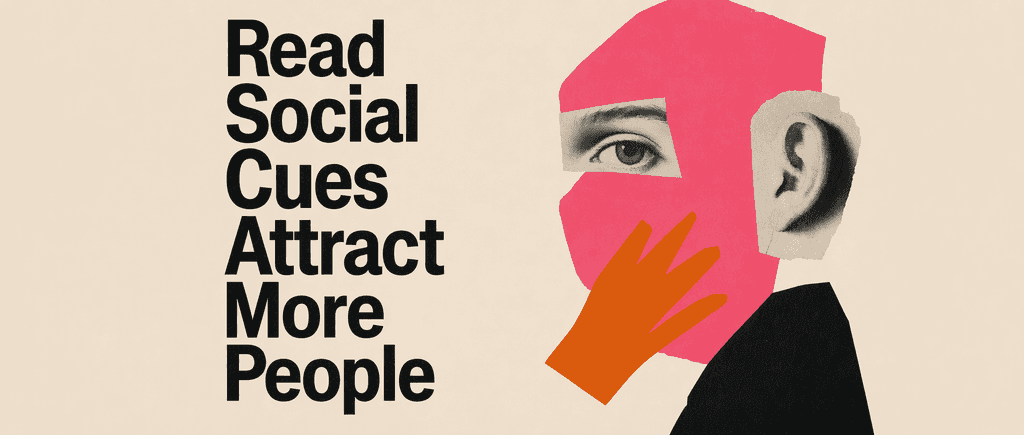
The Art of Reading People: Beyond Body Language Myths
Discover why common body language myths fail and learn the real art of reading people through behavioral clusters and baseline observations for better accuracy.

The Art of Reading People: Beyond Body Language Mythsのベスト引用
The real skill of reading people is about observing clusters of signals and comparing them to a person’s unique baseline. One gesture is just a word, but a cluster is a sentence.
Generated by Astrid
Can you make a lesson about, how to read other people and stuff like that?






よくある質問
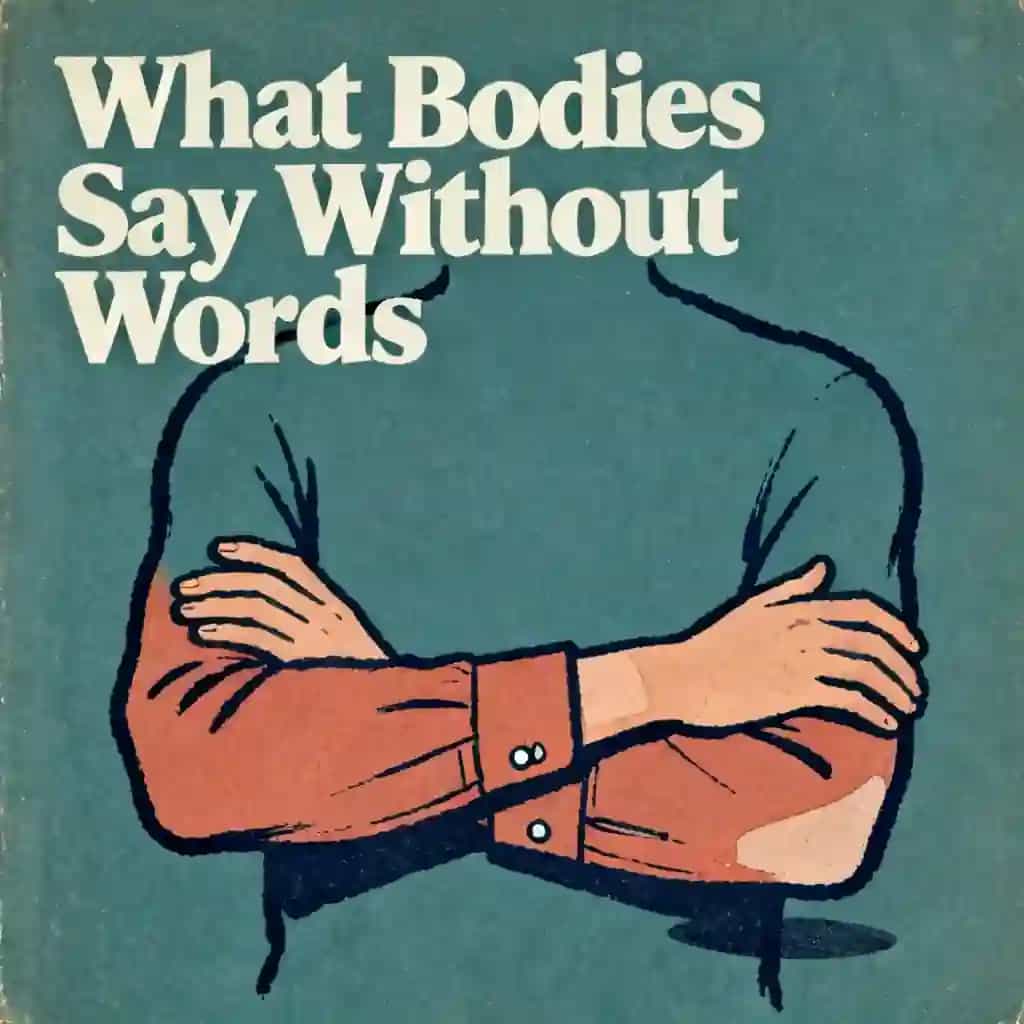
The episode challenges the idea of 'body language dictionaries' that claim a single gesture always has a specific meaning. Common myths include the belief that crossing arms always means someone is closed off, avoiding eye contact automatically signals lying, or touching one's nose indicates they are hiding something. These rigid definitions often lead to misunderstandings because real-life nonverbal communication is much more nuanced than a simple cheat sheet.
To improve accuracy, you must move beyond isolated gestures and look for behavioral clusters. Instead of obsessing over a single action like pen-tapping, you should observe groups of signals that occur together. Research suggests that focusing on these clusters, rather than individual movements, significantly increases your ability to interpret what someone is actually feeling or thinking in high-stakes situations like interviews or dates.
Baseline behavior refers to a person's unique, normal way of acting in a specific environment. Understanding a baseline is crucial because it allows you to compare new signals against their standard conduct. For example, someone might tap their pen because they had too much espresso rather than being bored. By establishing a baseline first, you can more accurately determine if a change in behavior actually signifies a shift in emotion or intent.
The dictionary method is ineffective because it relies on rigid, one-to-one definitions for complex human behaviors. Using a cheat sheet to interpret gestures is compared to trying to read a novel by only looking at every fifth word; you miss the context and the full story. Real people-reading requires looking at the messier, more nuanced reality of how individuals communicate through various nonverbal signals and clusters.
"Instead of endless scrolling, I just hit play on BeFreed. It saves me so much time."


"I never knew where to start with nonfiction—BeFreed’s book lists turned into podcasts gave me a clear path."


"Perfect balance between learning and entertainment. Finished ‘Thinking, Fast and Slow’ on my commute this week."
"Crazy how much I learned while walking the dog. BeFreed = small habits → big gains."
"Reading used to feel like a chore. Now it’s just part of my lifestyle."

"Feels effortless compared to reading. I’ve finished 6 books this month already."
"BeFreed turned my guilty doomscrolling into something that feels productive and inspiring."

"BeFreed turned my commute into learning time. 20-min podcasts are perfect for finishing books I never had time for."
"BeFreed replaced my podcast queue. Imagine Spotify for books — that’s it. 🙌"

"It is great for me to learn something from the book without reading it."
"The themed book list podcasts help me connect ideas across authors—like a guided audio journey."
"Makes me feel smarter every time before going to work"
"Instead of endless scrolling, I just hit play on BeFreed. It saves me so much time."
"I never knew where to start with nonfiction—BeFreed’s book lists turned into podcasts gave me a clear path."
"Perfect balance between learning and entertainment. Finished ‘Thinking, Fast and Slow’ on my commute this week."
"Crazy how much I learned while walking the dog. BeFreed = small habits → big gains."
"Reading used to feel like a chore. Now it’s just part of my lifestyle."
"Feels effortless compared to reading. I’ve finished 6 books this month already."
"BeFreed turned my guilty doomscrolling into something that feels productive and inspiring."
"BeFreed turned my commute into learning time. 20-min podcasts are perfect for finishing books I never had time for."
"BeFreed replaced my podcast queue. Imagine Spotify for books — that’s it. 🙌"
"It is great for me to learn something from the book without reading it."
"The themed book list podcasts help me connect ideas across authors—like a guided audio journey."
"Makes me feel smarter every time before going to work"
"Instead of endless scrolling, I just hit play on BeFreed. It saves me so much time."
"I never knew where to start with nonfiction—BeFreed’s book lists turned into podcasts gave me a clear path."
"Perfect balance between learning and entertainment. Finished ‘Thinking, Fast and Slow’ on my commute this week."
"Crazy how much I learned while walking the dog. BeFreed = small habits → big gains."
"Reading used to feel like a chore. Now it’s just part of my lifestyle."
"Feels effortless compared to reading. I’ve finished 6 books this month already."
"BeFreed turned my guilty doomscrolling into something that feels productive and inspiring."
"BeFreed turned my commute into learning time. 20-min podcasts are perfect for finishing books I never had time for."
"BeFreed replaced my podcast queue. Imagine Spotify for books — that’s it. 🙌"
"It is great for me to learn something from the book without reading it."
"The themed book list podcasts help me connect ideas across authors—like a guided audio journey."
"Makes me feel smarter every time before going to work"
"Instead of endless scrolling, I just hit play on BeFreed. It saves me so much time."
"I never knew where to start with nonfiction—BeFreed’s book lists turned into podcasts gave me a clear path."
"Perfect balance between learning and entertainment. Finished ‘Thinking, Fast and Slow’ on my commute this week."
"Crazy how much I learned while walking the dog. BeFreed = small habits → big gains."
"Reading used to feel like a chore. Now it’s just part of my lifestyle."
"Feels effortless compared to reading. I’ve finished 6 books this month already."
"BeFreed turned my guilty doomscrolling into something that feels productive and inspiring."
"BeFreed turned my commute into learning time. 20-min podcasts are perfect for finishing books I never had time for."
"BeFreed replaced my podcast queue. Imagine Spotify for books — that’s it. 🙌"
"It is great for me to learn something from the book without reading it."
"The themed book list podcasts help me connect ideas across authors—like a guided audio journey."
"Makes me feel smarter every time before going to work"