正直、まだアプリを使いこなせていませんが、この数日使っただけで本当に感動しました… BeFreed は、今まで使ったどの学習アプリともレベルが違います。夢中になれるうえに集中力も実際に上がるので、スマホをだらだら見てしまう人にぴったりです!
@ladyInfinity
Master the AP Environmental Science exam with our survival guide. Learn the College Board's 4 Big Ideas, including Energy Transfer and Earth Systems, for APES success.

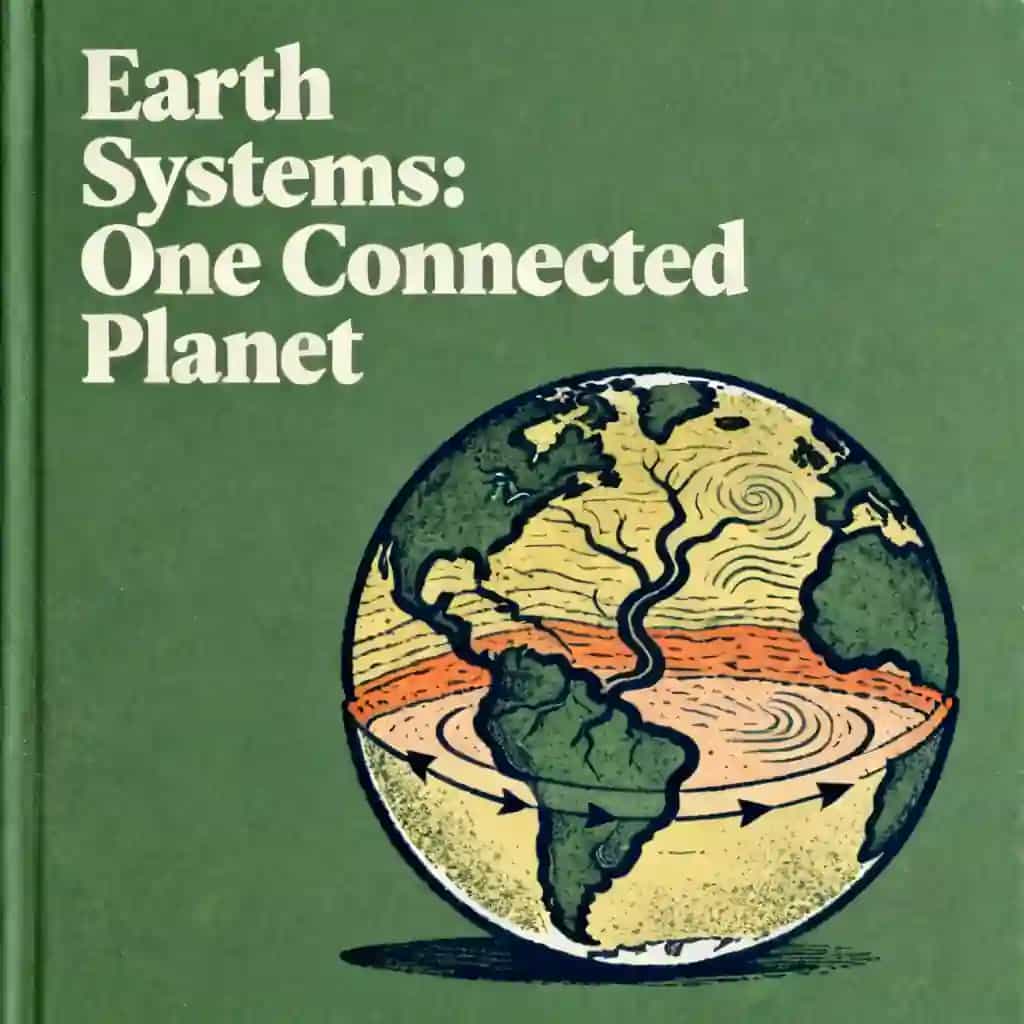
The entire course is actually just one big, interconnected story about how the world works and how we’re currently rewriting the script.
Ap environmental science, Review of all units, explain everything you need to know in each unit including the math and explain on depth all key concepts






The College Board organizes the AP Environmental Science course around four Big Ideas that serve as the structural foundation for the entire curriculum. These include Energy Transfer, which follows how energy flows from the sun through ecosystems, and Earth Systems, which covers the biochemical gears that keep the planet stable. Understanding these core concepts helps students navigate the interconnected story of how the world works and provides a framework for answering complex exam questions.
To succeed on APES multiple-choice questions, students should focus on the four Big Ideas rather than just memorizing isolated facts. By understanding the structural steel of the course—such as how energy is transformed or how Earth systems interact—you can navigate even the trickiest questions on the exam. This survival guide emphasizes that the course is one big, interconnected story, making it easier to apply logic when faced with a high volume of study material.
Energy Transfer is a fundamental Big Idea in AP Environmental Science that functions like a 'follow the money' rule for biology. It dictates that energy flows from the sun into plants and then through animals, being lost as heat at every step of the process. According to the APES curriculum, energy cannot be created or destroyed, only transformed, which is a critical concept for students to master for the AP Environmental Science exam.
Many students feel overwhelmed by the AP Environmental Science exam because of the sheer volume of material they feel they need to memorize. This survival guide suggests that viewing the course as an interconnected story about how the world works can lower stress levels. By focusing on the College Board's Big Ideas, such as Earth Systems and human interactions with the environment, students can move past the feeling of habitat loss and gain confidence in their exam prep.
コロンビア大学卒業生が開発 | サンフランシスコ発
平均評価
7,840件以上のアプリ評価
BeFreedコミュニティ
正直、まだアプリを使いこなせていませんが、この数日使っただけで本当に感動しました… BeFreed は、今まで使ったどの学習アプリともレベルが違います。夢中になれるうえに集中力も実際に上がるので、スマホをだらだら見てしまう人にぴったりです!
@ladyInfinity
ちょうど 23 日前に BeFreed を購入して、それから毎日欠かさず使っています。仕事の流れと学習習慣に完全に溶け込みました。
@jayallen
正直なところ、このアプリは期待をすべて超えてきました。どんなテーマでも音声を生成してもらえて、その結果には驚かされます。私の専門は心理療法で、多分野にまたがる領域ですが、それでも回答はとても正確です。
@Raguipa
何よりありがたいのは、スマホをだらだら見る時間が減ったことです。探す時間が減って、吸収する時間が増えました。オーディオブック、ポッドキャスト、学習プランの組み合わせが素晴らしいです。
@colonyofcreatorsNGO
私は 24 年間、PhotoReading 加速学習のインストラクターをしています… 本と読書と学びが私の専門ですが、BeFreed は情報を消化しやすい形で届ける革新的なアプローチを見事に実現しています。
@BeFreed user
ただの本の要約アプリではありません。「ファン」スタイルを使ってみたら、従来のやり方よりずっと良い要約で、アイデアもつかみやすいです。これだけでも十分元が取れます。
@austinakon
このアプリが大好きです。数日使っただけで、聞くのが止まらなくなりました。始め方として最高です。
@jcrules328
本当に気に入っています。約 1 か月試していますが、まさに掘り出し物だと感じます。BeFreed で自分だけのテーマを作れるのが便利で、声も素晴らしく、ナレーションの選択肢は無限です。
@DanielCZ
役立つ情報やアイデアを 8〜15 分のポッドキャスト風音声にぎゅっとまとめて聞けるのが最高です。ポッドキャストは余計な話が多くて苦手でしたが、これは無駄を全部そぎ落としてくれます。
@BeFreed user
博士課程の仕上げの段階で、なじみのない資料を大量に読む必要があります… BeFreed ならプロンプトを入力するだけで、アプリが資料を探して音声ポッドキャストを作ってくれます。BeFreed のほうが NotebookLM よりも流れがスムーズだと感じます。
@Brad
朝食を作りながら、散歩しながら、通勤しながら聞くものを YouTube でよく探していましたが、BeFreed は広告も余計な話もなしで、もっと的を絞った聞き方をさせてくれます!
@BeFreed user
このプラットフォームの一番の魅力は、その万能さです。扱えないテーマは文字どおりひとつもありません。何を投げても応えてくれます… 制限がまったくないのに約束をきちんと果たしてくれる学習ツールには、なかなか出会えません。
@jayallen
BeFreed は素晴らしいです。使いやすいデザインのおかげで、操作に迷う時間が減り、学ぶ時間が増えました。オーディオブック、ポッドキャスト、学習プランの組み合わせは天才的で、毎日の習慣がすっかり変わりました。
@BeFreed user
最初はイタリア語でポッドキャストを作る方法を理解するのに少し時間がかかりましたが、わかった瞬間、最高でした!どんなテーマでも説明してもらえて、しかもとても賢く、うまく話してくれます!
@matteo77
BeFreed は毎日使うオーディオブックアプリになりました… 一番気に入っているのは、自分のテキストを入れると、外出先でも聞ける音声にしてくれるところです。
@kotanzu1




This plan is essential for students seeking to master the analytical rigor required for AP-level American history. It bridges the gap between factual memorization and critical historical sourcing for aspiring scholars.

This comprehensive plan is designed for students seeking a deep understanding of the forces that shaped modern Europe. It is ideal for AP learners and history buffs who want to master intellectual, political, and industrial transformations.

This intensive prep plan is designed for chemistry students facing upcoming exams who need to bridge the gap between theory and calculation. It simplifies complex equilibrium concepts into actionable steps, making it ideal for those seeking to master acid-base stoichiometry and titration analysis quickly.

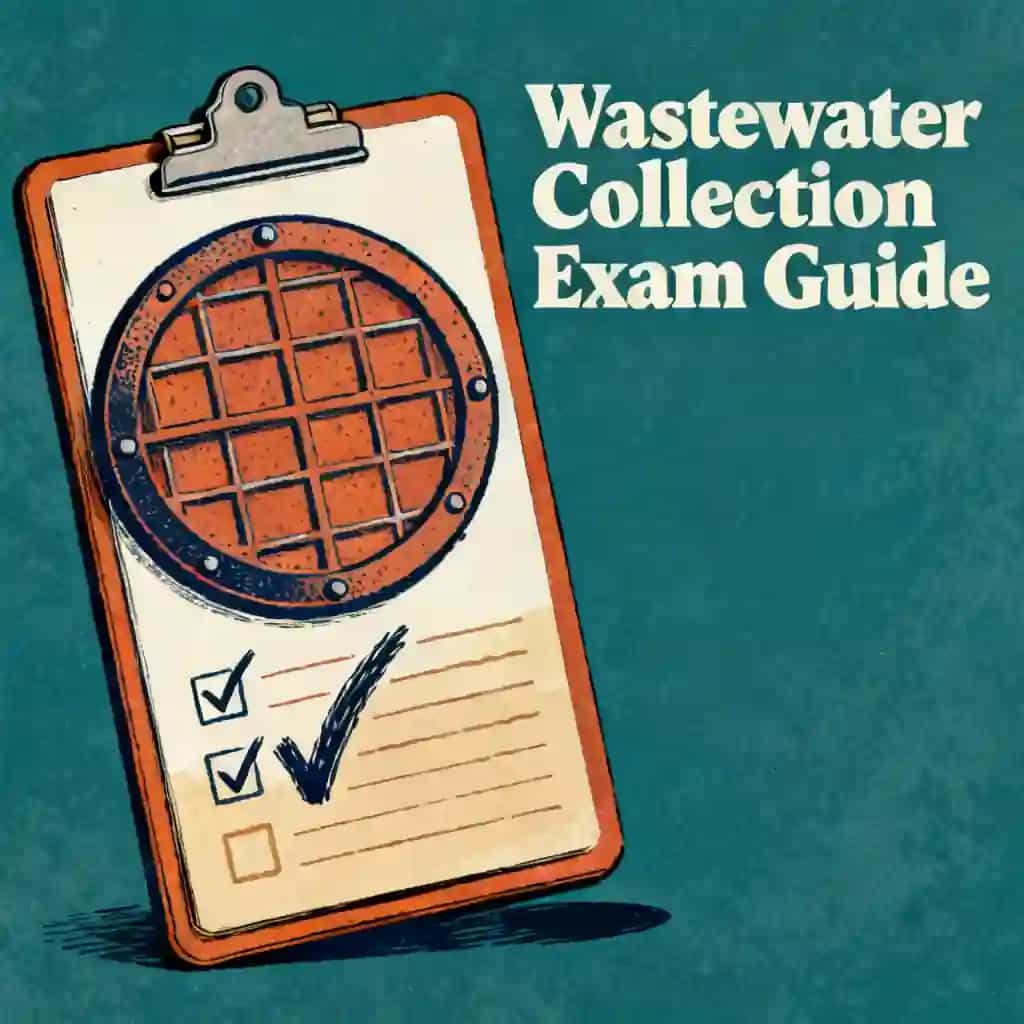
This plan is designed for students facing high-stakes exams who need to maximize their remaining study time. It bridges the gap between panic and performance by combining environmental engineering with scientifically proven memory techniques.

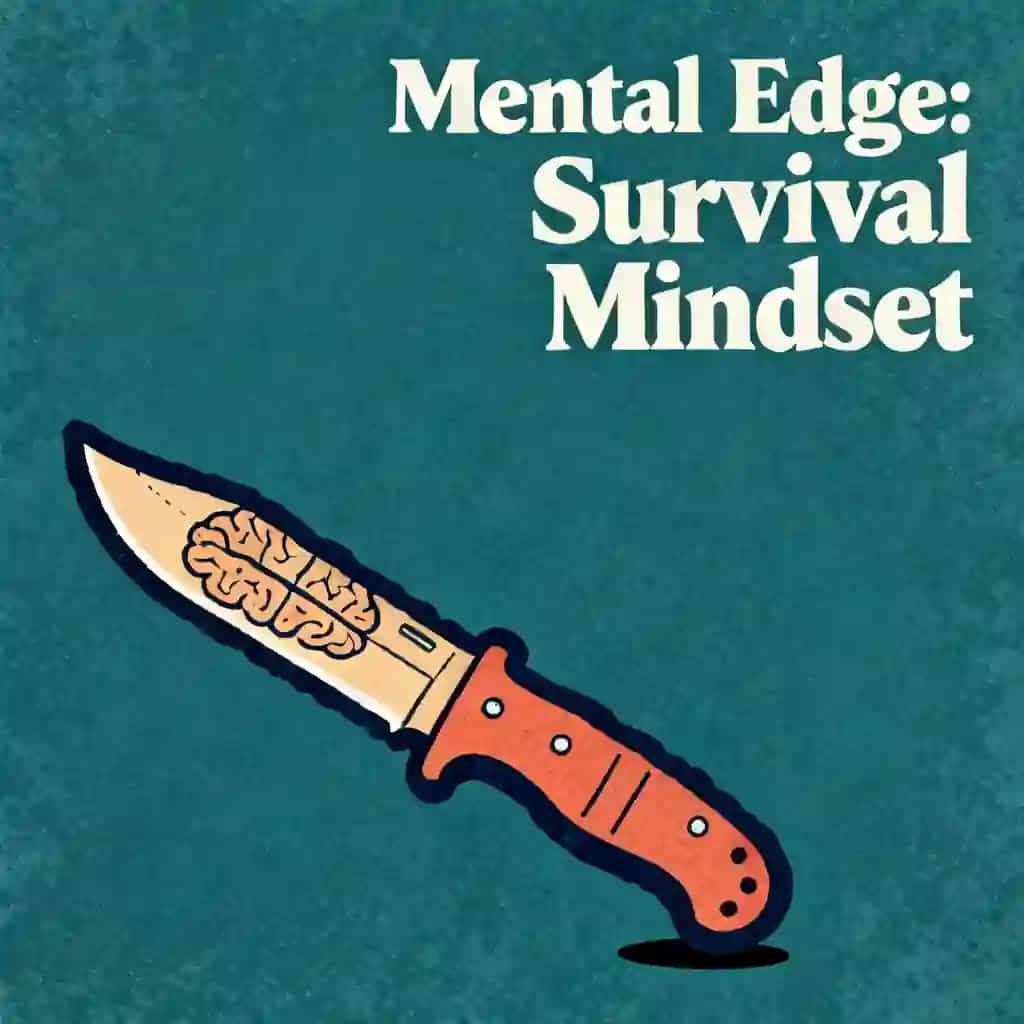
This learning plan is essential for students and professionals facing high-stakes technical or academic examinations. It provides a comprehensive framework that bridges cognitive science with practical test-taking strategies to ensure peak performance under pressure.

This learning plan provides a comprehensive overview of biological principles, from microscopic cellular functions to macroscopic ecological systems. It is ideal for students preparing for exams or science enthusiasts seeking a structured foundation in life sciences.

This plan addresses the urgent need to integrate scientific reality with legal strategy to combat the triple planetary crisis. It is ideal for legal professionals, environmental advocates, and students seeking a deep, multi-disciplinary understanding of how law can drive ecological restoration.

This plan is essential for understanding how past planetary catastrophes shape our current environmental reality. It is ideal for science enthusiasts and students of ecology who want to use paleontology to navigate modern climate challenges.