How to Clean with ADHD: Managing Overwhelmed Households
Struggling with ADHD overwhelm? Learn practical cleaning tips for neurodivergent families to manage household clutter and bridge the gap with non-ADHD partners.

How to Clean with ADHD: Managing Overwhelmed Householdsのベスト引用
The mess isn’t a moral failing; it’s a design flaw. For an ADHD brain, if you can’t see it, it doesn't exist; those piles are actually memory aids, even if they drive a non-ADHD partner crazy.
Generated by Master
How to clean for a very adhd 32 year old female and her partner dosent have adhd he is also considered old school and there daughter has adhd. Her house is the worst ever with stuff of every kind everywhere. Total overwhelm

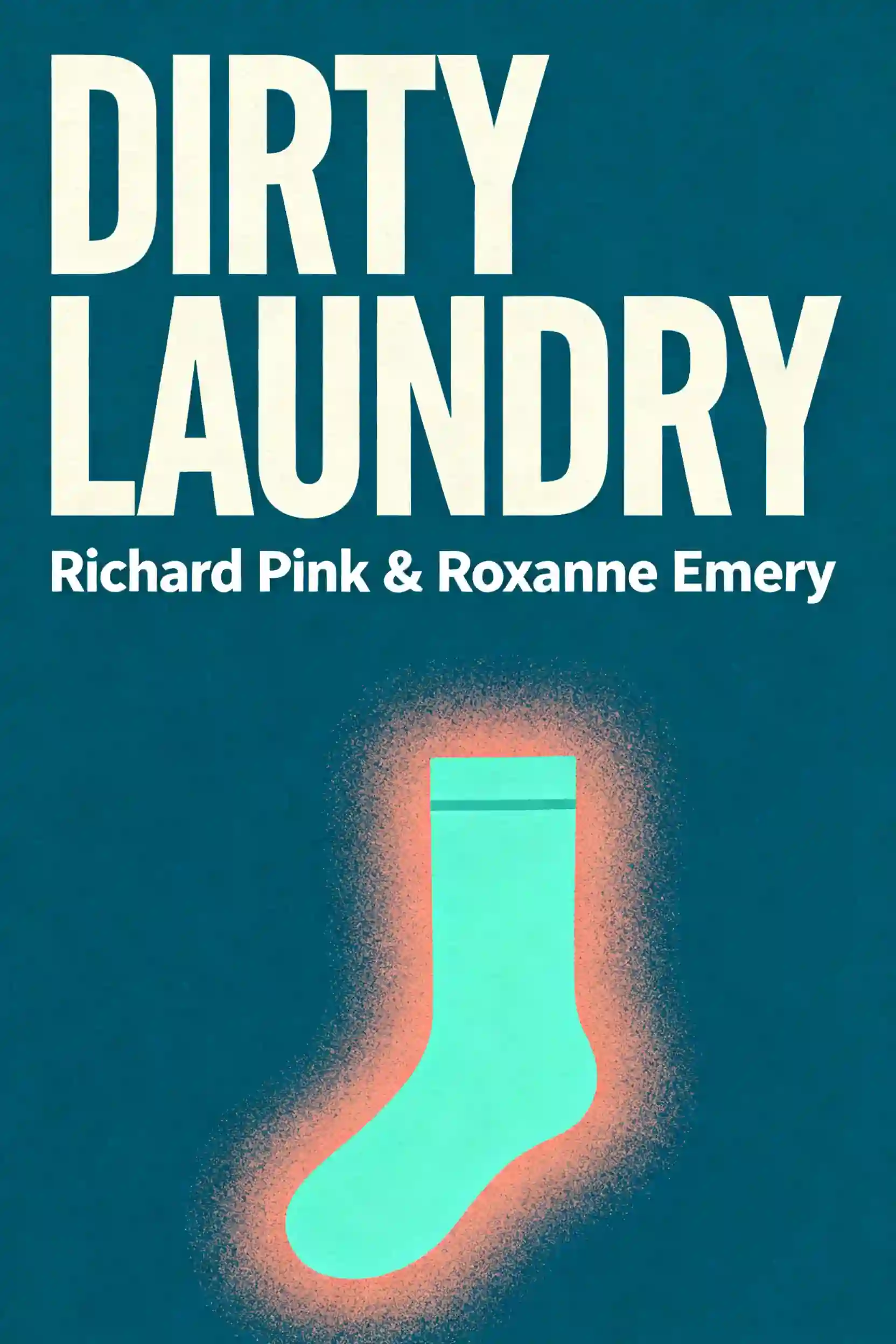
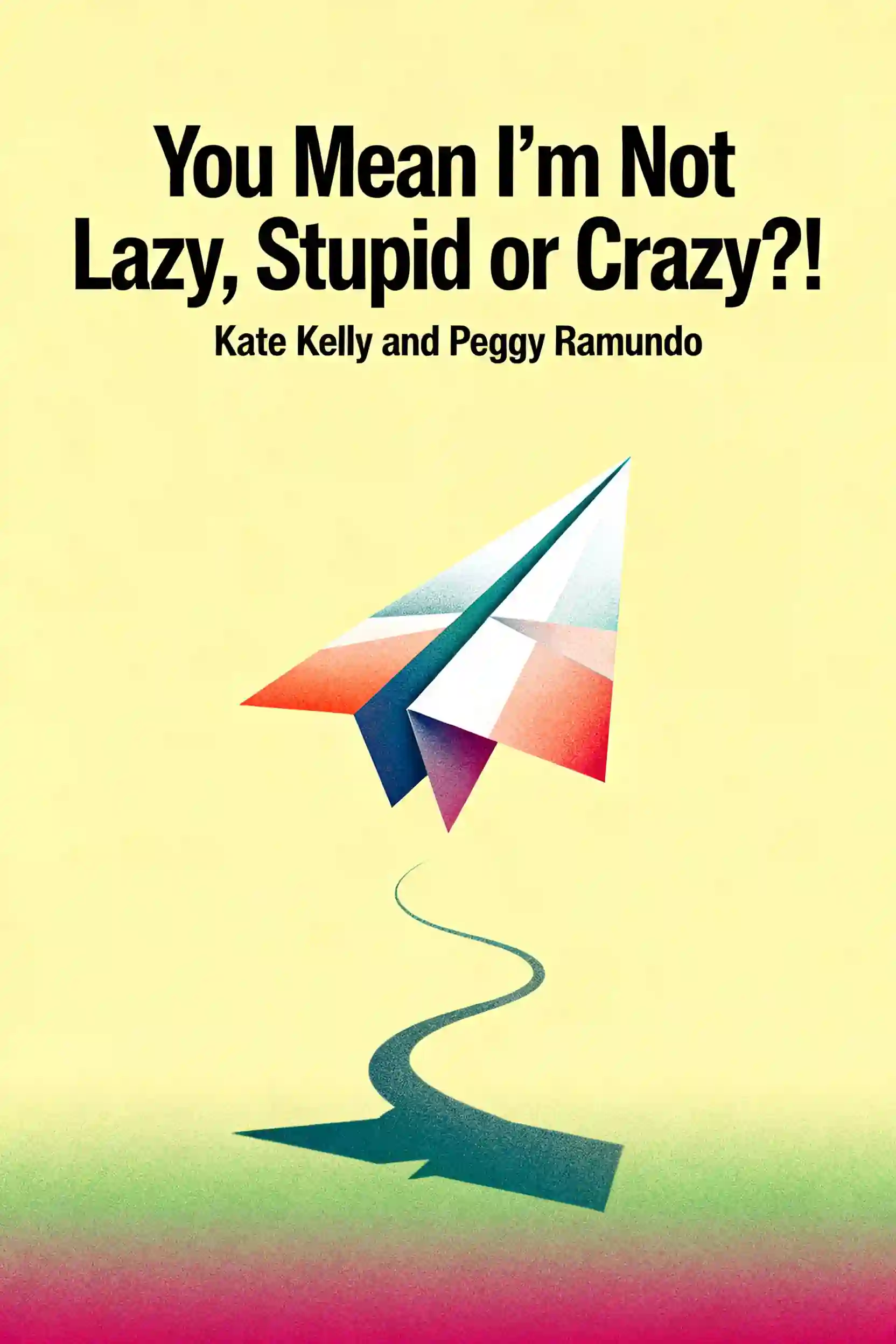
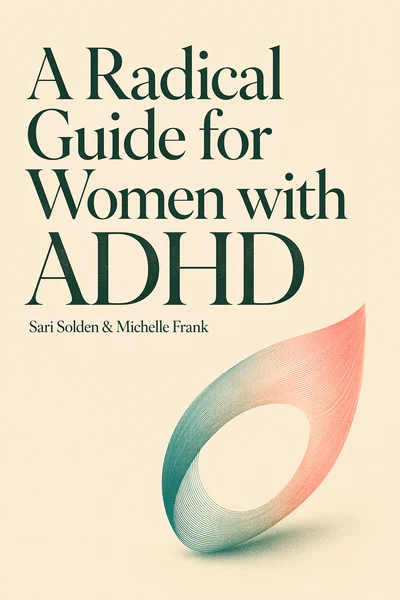
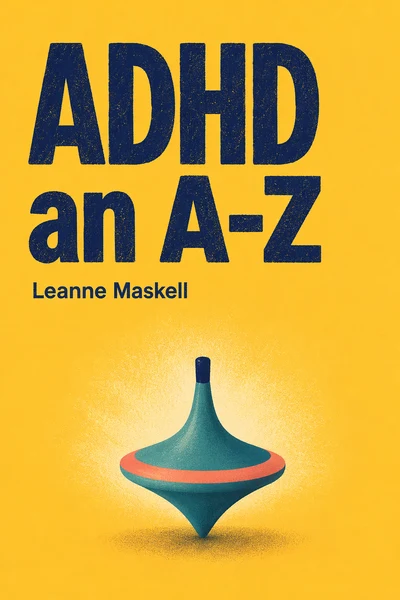
よくある質問
When facing ADHD overwhelm, the key is to break tasks into tiny, manageable steps to avoid total paralysis. Start by focusing on one small area or a single category of items rather than the whole house. Using neurodivergent cleaning strategies, such as setting a short timer or using body doubling, can help you initiate tasks. Remember that the goal is progress, not perfection, as you navigate the unique challenges of managing a household with ADHD.
Effective cleaning with ADHD involves creating systems that work with your brain rather than against it. Utilize visual reminders, open storage bins to reduce 'out of sight, out of mind' issues, and decluttering techniques specifically designed for ADHD. Focus on high-traffic areas first to reduce daily stress. Since ADHD often involves executive dysfunction, keeping cleaning supplies easily accessible in every room can help you seize moments of motivation when they strike.
Navigating ADHD family dynamics requires open communication, especially when a partner has an 'old school' approach to chores. It is important to explain how ADHD affects executive function and why traditional cleaning methods might fail. Work together to find a compromise that respects both the need for order and the reality of neurodivergent struggles. Setting clear expectations and dividing tasks based on individual strengths can help reduce tension and create a more supportive home environment.
Teaching a child with ADHD about household management involves modeling neurodivergent-friendly habits and making cleaning interactive. Use checklists with visual cues and break chores down into simple, one-step instructions to prevent her from feeling overwhelmed. By implementing these ADHD cleaning tips early, you help her develop her own coping mechanisms. Creating a routine that accounts for her energy levels and attention span will make maintaining the home a more positive experience for the entire family.
"Instead of endless scrolling, I just hit play on BeFreed. It saves me so much time."


"I never knew where to start with nonfiction—BeFreed’s book lists turned into podcasts gave me a clear path."


"Perfect balance between learning and entertainment. Finished ‘Thinking, Fast and Slow’ on my commute this week."
"Crazy how much I learned while walking the dog. BeFreed = small habits → big gains."
"Reading used to feel like a chore. Now it’s just part of my lifestyle."

"Feels effortless compared to reading. I’ve finished 6 books this month already."
"BeFreed turned my guilty doomscrolling into something that feels productive and inspiring."

"BeFreed turned my commute into learning time. 20-min podcasts are perfect for finishing books I never had time for."
"BeFreed replaced my podcast queue. Imagine Spotify for books — that’s it. 🙌"

"It is great for me to learn something from the book without reading it."
"The themed book list podcasts help me connect ideas across authors—like a guided audio journey."
"Makes me feel smarter every time before going to work"
"Instead of endless scrolling, I just hit play on BeFreed. It saves me so much time."
"I never knew where to start with nonfiction—BeFreed’s book lists turned into podcasts gave me a clear path."
"Perfect balance between learning and entertainment. Finished ‘Thinking, Fast and Slow’ on my commute this week."
"Crazy how much I learned while walking the dog. BeFreed = small habits → big gains."
"Reading used to feel like a chore. Now it’s just part of my lifestyle."
"Feels effortless compared to reading. I’ve finished 6 books this month already."
"BeFreed turned my guilty doomscrolling into something that feels productive and inspiring."
"BeFreed turned my commute into learning time. 20-min podcasts are perfect for finishing books I never had time for."
"BeFreed replaced my podcast queue. Imagine Spotify for books — that’s it. 🙌"
"It is great for me to learn something from the book without reading it."
"The themed book list podcasts help me connect ideas across authors—like a guided audio journey."
"Makes me feel smarter every time before going to work"
"Instead of endless scrolling, I just hit play on BeFreed. It saves me so much time."
"I never knew where to start with nonfiction—BeFreed’s book lists turned into podcasts gave me a clear path."
"Perfect balance between learning and entertainment. Finished ‘Thinking, Fast and Slow’ on my commute this week."
"Crazy how much I learned while walking the dog. BeFreed = small habits → big gains."
"Reading used to feel like a chore. Now it’s just part of my lifestyle."
"Feels effortless compared to reading. I’ve finished 6 books this month already."
"BeFreed turned my guilty doomscrolling into something that feels productive and inspiring."
"BeFreed turned my commute into learning time. 20-min podcasts are perfect for finishing books I never had time for."
"BeFreed replaced my podcast queue. Imagine Spotify for books — that’s it. 🙌"
"It is great for me to learn something from the book without reading it."
"The themed book list podcasts help me connect ideas across authors—like a guided audio journey."
"Makes me feel smarter every time before going to work"
"Instead of endless scrolling, I just hit play on BeFreed. It saves me so much time."
"I never knew where to start with nonfiction—BeFreed’s book lists turned into podcasts gave me a clear path."
"Perfect balance between learning and entertainment. Finished ‘Thinking, Fast and Slow’ on my commute this week."
"Crazy how much I learned while walking the dog. BeFreed = small habits → big gains."
"Reading used to feel like a chore. Now it’s just part of my lifestyle."
"Feels effortless compared to reading. I’ve finished 6 books this month already."
"BeFreed turned my guilty doomscrolling into something that feels productive and inspiring."
"BeFreed turned my commute into learning time. 20-min podcasts are perfect for finishing books I never had time for."
"BeFreed replaced my podcast queue. Imagine Spotify for books — that’s it. 🙌"
"It is great for me to learn something from the book without reading it."
"The themed book list podcasts help me connect ideas across authors—like a guided audio journey."
"Makes me feel smarter every time before going to work"



![[d6e42fde-c6b9-4601-ae88-e537c66cd196:c0000] https://appsumo.com/account/redemption/c37a369c-47d9-4d6f-a38d-9fed5dc83f13/ p1-1](/_next/image?url=https%3A%2F%2Fd1y2du6z1jfm9e.cloudfront.net%2Fassets%2Fpodcast%2Fyellow.png&w=1024&q=50)