BeFreed
    Categories>Philosophy & Spirituality>Abhidhamma: Understanding Buddhist Philosophy and Psychology

    Abhidhamma: Understanding Buddhist Philosophy and Psychology

    16分
    |
    |
    2026年4月8日
    PhilosophyPsychologySpirituality

    Explore the Abhidhamma to understand Buddhist philosophy and psychology. Learn about the Theravada tradition, the Abhidhamma Pitaka, and deep Dhamma study.

    Abhidhamma: Understanding Buddhist Philosophy and Psychology

    Abhidhamma: Understanding Buddhist Philosophy and Psychologyのベスト引用

    “

    The Abhidhamma is after ultimate truth; it wants to strip away the 'person' and find out what’s actually happening under the hood at a microscopic level. It tells us that what we call a 'person' is just a shorthand for a complex web of impersonal phenomena unfolding at an incredibly rapid pace.

    ”

    このオーディオレッスンはBeFreedコミュニティメンバーが作成しました

    質問を入力

    Abhidhamma

    ホストの声
    Lenaplay
    Milesplay
    学習スタイル
    クイック
    知識ソース
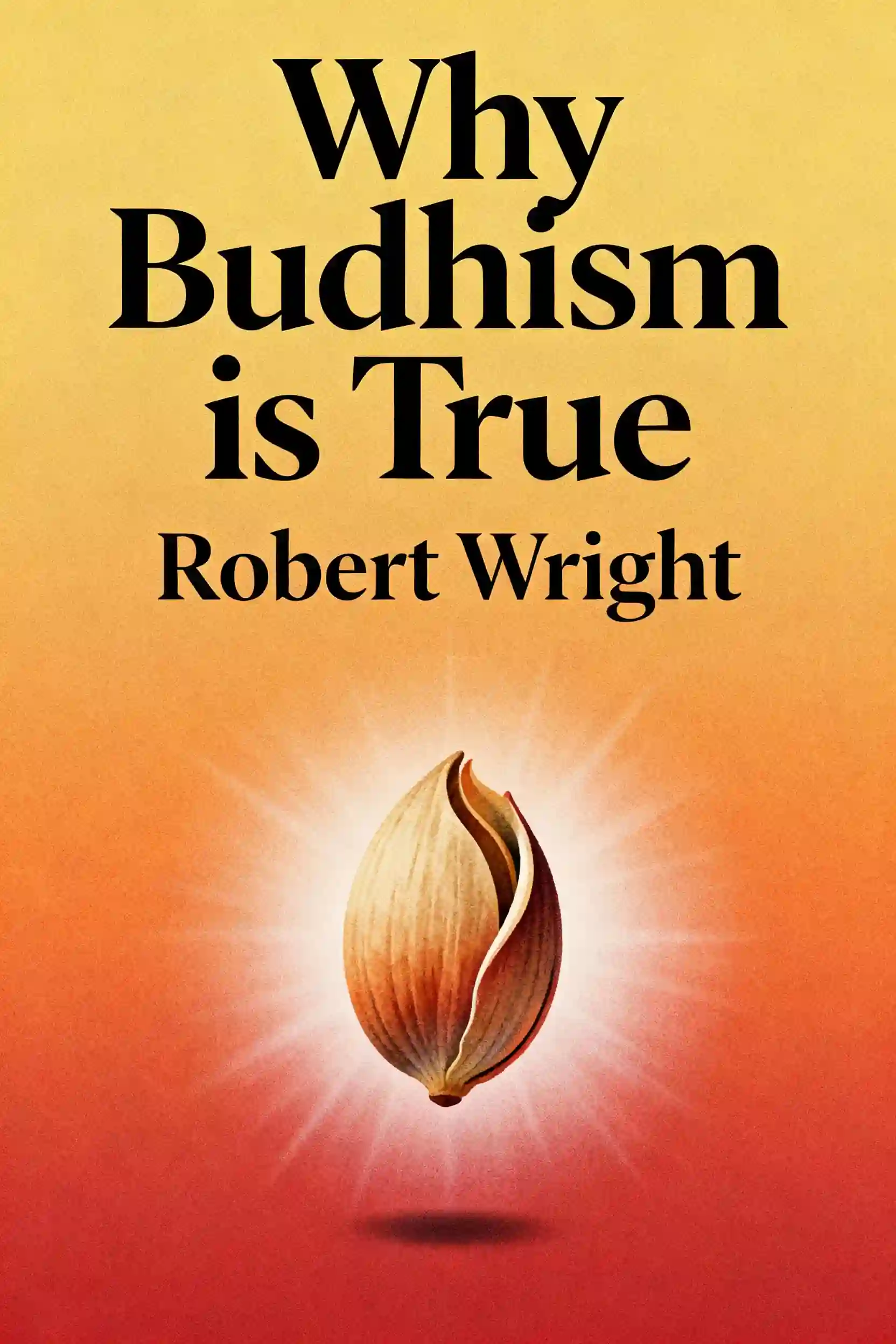
    Why Buddhism Is True
    Buddhism
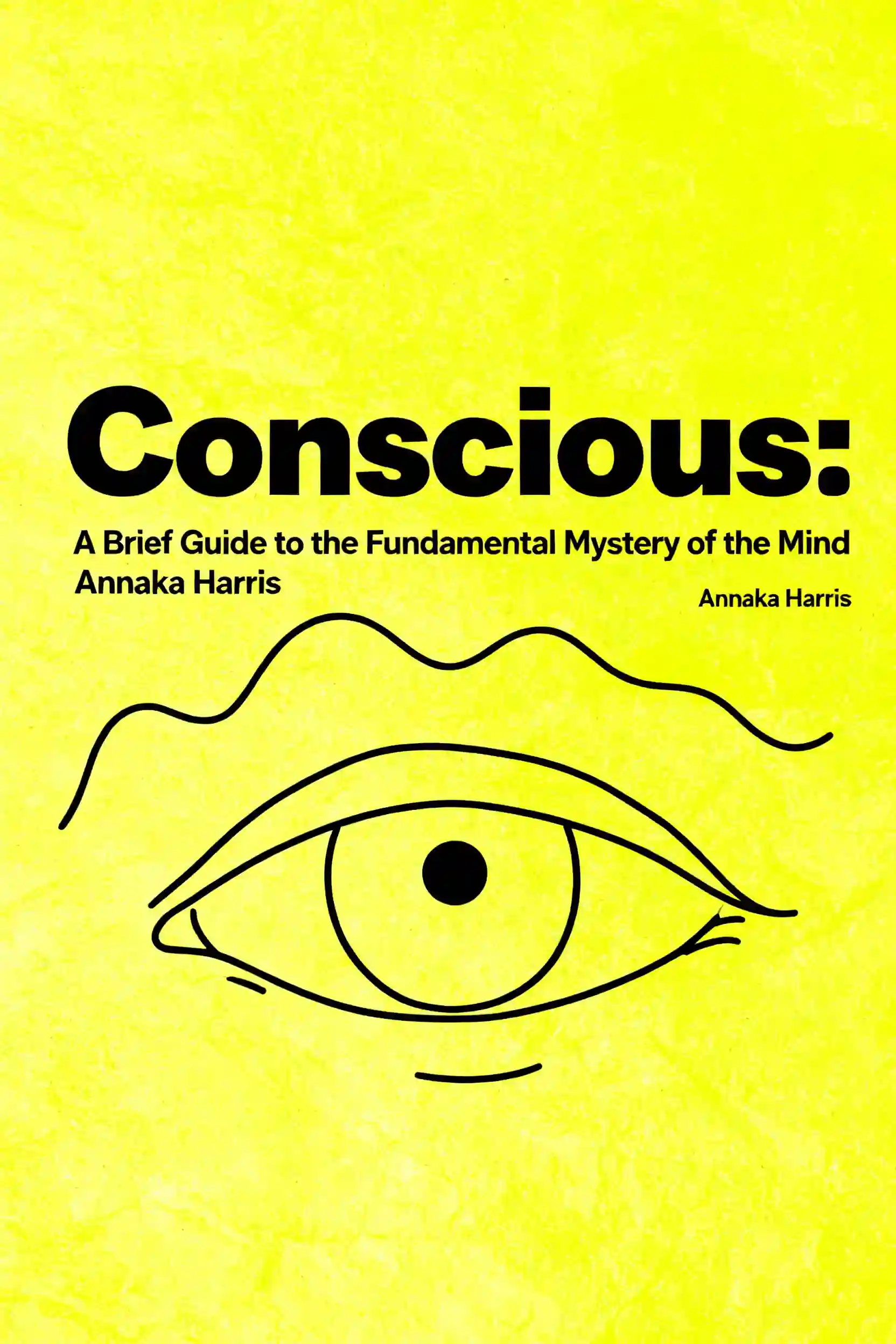
    Conscious
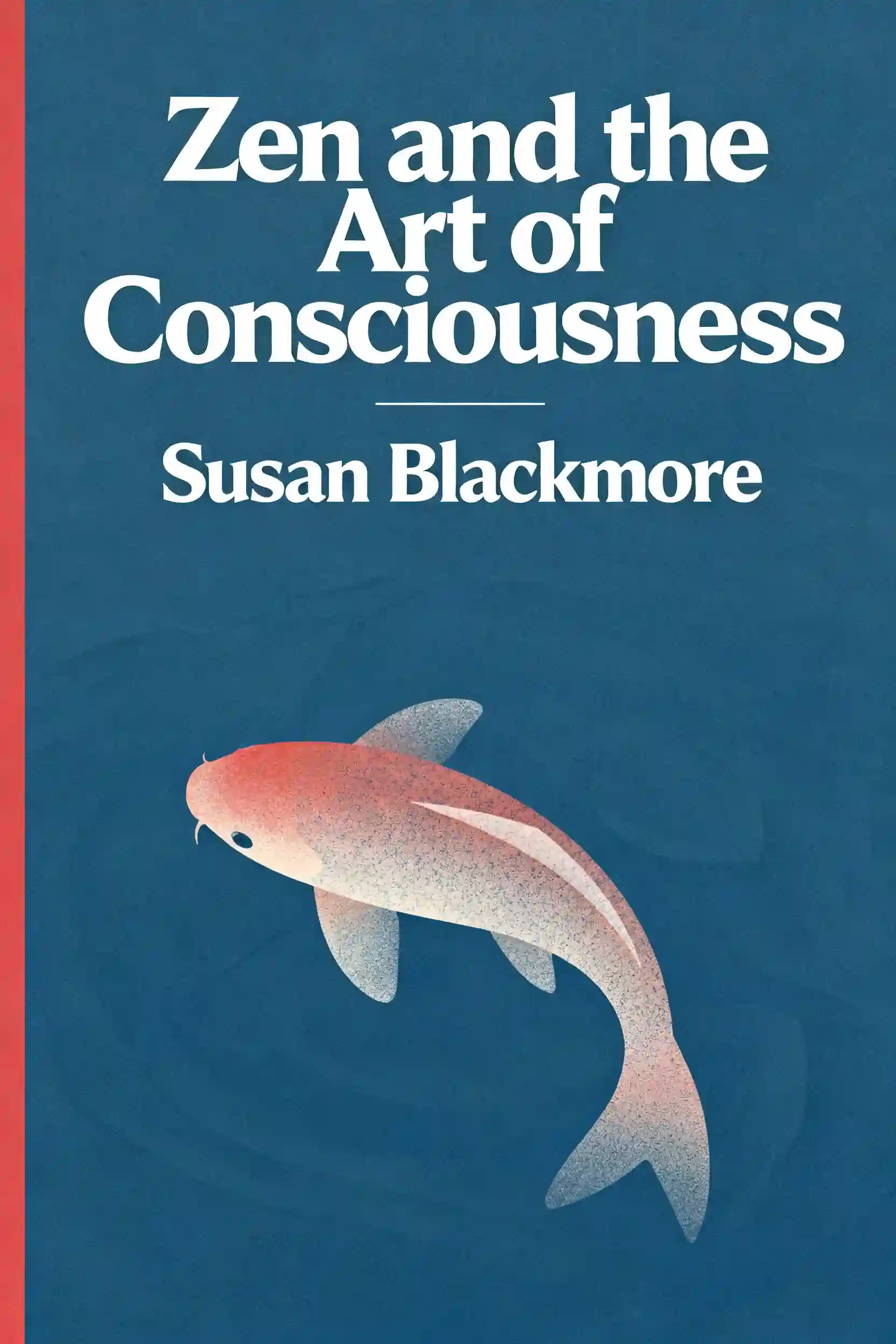
    Zen and the Art of Consciousness
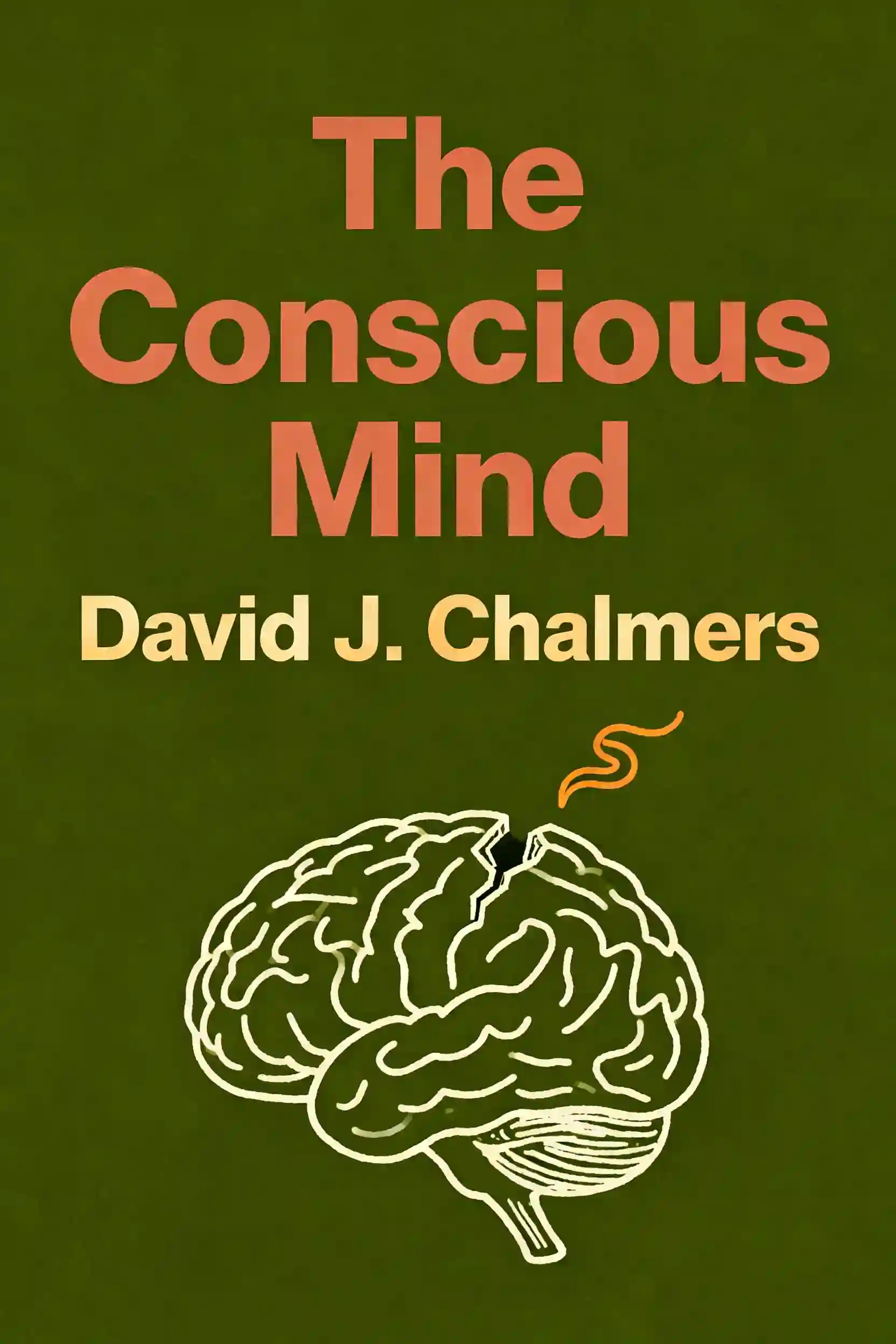
    The Conscious Mind
    Atmamun

    よくある質問

    もっと発見

    Mindfulness, Love & Behavioral Science Study

    Mindfulness, Love & Behavioral Science Study

    学習プラン

    Mindfulness, Love & Behavioral Science Study

    This plan bridges the gap between ancient contemplative practices and modern psychological research to foster emotional intelligence. It is ideal for individuals seeking to improve their relationships and decision-making through a science-backed approach to self-awareness.

    2 h 29 m•4 セクション
    Study Psychology, Mindfulness & Memoirs

    Study Psychology, Mindfulness & Memoirs

    学習プラン

    Study Psychology, Mindfulness & Memoirs

    This plan bridges the gap between scientific psychological principles and ancient contemplative wisdom. It is designed for individuals seeking to enhance their self-awareness while mastering the art of personal narrative and mental clarity.

    3 h 42 m•4 セクション
    Study Mind, Behavior & Philosophy

    Study Mind, Behavior & Philosophy

    学習プラン

    Study Mind, Behavior & Philosophy

    This learning plan bridges the gap between scientific psychology and deep philosophical inquiry to provide a holistic view of the human experience. It is ideal for curious minds seeking to improve their decision-making skills while exploring the profound mysteries of consciousness and ethics.

    3 h 21 m•4 セクション
    Trippy physics and Buddhist stuff

    Trippy physics and Buddhist stuff

    学習プラン

    Trippy physics and Buddhist stuff

    This plan is designed for curious minds seeking to bridge the gap between hard science and spiritual philosophy. It is ideal for those interested in how quantum mechanics and neuroscience validate ancient Buddhist concepts of consciousness and reality.

    3 h 26 m•4 セクション
    Understanding the human mind

    Understanding the human mind

    学習プラン

    Understanding the human mind

    This plan bridges the gap between biological neuroscience and behavioral psychology to provide a holistic view of human nature. It is ideal for curious learners, aspiring psychologists, or professionals seeking to understand the hidden drivers behind human interaction and decision-making.

    3 h 40 m•4 セクション
    Brain & Mind Sciences

    Brain & Mind Sciences

    学習プラン

    Brain & Mind Sciences

    The brain sciences represent one of the most dynamic frontiers in modern science, bridging biology, psychology, and philosophy to understand the organ that makes us who we are. This learning plan is ideal for students, healthcare professionals, or anyone fascinated by how our neural architecture shapes our experiences, thoughts, and behaviors.

    2 h 20 m•4 セクション
    To learn The art of Psychology

    To learn The art of Psychology

    学習プラン

    To learn The art of Psychology

    This plan provides a comprehensive look into the human psyche, bridging the gap between theoretical science and practical application. It is ideal for curious minds, aspiring therapists, or professionals seeking to improve their interpersonal skills and emotional intelligence.

    3 h 35 m•4 セクション
    Psych

    Psych

    学習プラン

    Psych

    This learning plan provides a comprehensive overview of the human experience, from internal cognitive functions to external social influences. It is ideal for students, professionals, or curious minds looking to gain foundational knowledge in mental health and behavioral science.

    3 h 8 m•4 セクション

    コロンビア大学卒業生がサンフランシスコで開発

    BeFreedは1,000,000の好奇心旺盛な仲間が集うグローバルコミュニティ
    BeFreedがウェブ上でどのように話題になっているかをもっと見る

    "Instead of endless scrolling, I just hit play on BeFreed. It saves me so much time."

    @Moemenn
    platform
    star
    star
    star
    star
    star

    "I never knew where to start with nonfiction—BeFreed’s book lists turned into podcasts gave me a clear path."

    @Chloe, Solo founder, LA
    platform
    comments
    12
    likes
    117

    "Perfect balance between learning and entertainment. Finished ‘Thinking, Fast and Slow’ on my commute this week."

    @Raaaaaachelw
    platform
    star
    star
    star
    star
    star

    "Crazy how much I learned while walking the dog. BeFreed = small habits → big gains."

    @Matt, YC alum
    platform
    comments
    12
    likes
    108

    "Reading used to feel like a chore. Now it’s just part of my lifestyle."

    @Erin, Investment Banking Associate , NYC
    platform
    comments
    254
    likes
    17

    "Feels effortless compared to reading. I’ve finished 6 books this month already."

    @djmikemoore
    platform
    star
    star
    star
    star
    star

    "BeFreed turned my guilty doomscrolling into something that feels productive and inspiring."

    @Pitiful
    platform
    comments
    96
    likes
    4.5K

    "BeFreed turned my commute into learning time. 20-min podcasts are perfect for finishing books I never had time for."

    @SofiaP
    platform
    star
    star
    star
    star
    star

    "BeFreed replaced my podcast queue. Imagine Spotify for books — that’s it. 🙌"

    @Jaded_Falcon
    platform
    comments
    201
    thumbsUp
    16

    "It is great for me to learn something from the book without reading it."

    @OojasSalunke
    platform
    star
    star
    star
    star
    star

    "The themed book list podcasts help me connect ideas across authors—like a guided audio journey."

    @Leo, Law Student, UPenn
    platform
    comments
    37
    likes
    483

    "Makes me feel smarter every time before going to work"

    @Cashflowbubu
    platform
    star
    star
    star
    star
    star

    コロンビア大学卒業生がサンフランシスコで開発

    BeFreedは1,000,000の好奇心旺盛な仲間が集うグローバルコミュニティ
    BeFreedがウェブ上でどのように話題になっているかをもっと見る

    "Instead of endless scrolling, I just hit play on BeFreed. It saves me so much time."

    @Moemenn
    platform
    star
    star
    star
    star
    star

    "I never knew where to start with nonfiction—BeFreed’s book lists turned into podcasts gave me a clear path."

    @Chloe, Solo founder, LA
    platform
    comments
    12
    likes
    117

    "Perfect balance between learning and entertainment. Finished ‘Thinking, Fast and Slow’ on my commute this week."

    @Raaaaaachelw
    platform
    star
    star
    star
    star
    star

    "Crazy how much I learned while walking the dog. BeFreed = small habits → big gains."

    @Matt, YC alum
    platform
    comments
    12
    likes
    108

    "Reading used to feel like a chore. Now it’s just part of my lifestyle."

    @Erin, Investment Banking Associate , NYC
    platform
    comments
    254
    likes
    17

    "Feels effortless compared to reading. I’ve finished 6 books this month already."

    @djmikemoore
    platform
    star
    star
    star
    star
    star

    "BeFreed turned my guilty doomscrolling into something that feels productive and inspiring."

    @Pitiful
    platform
    comments
    96
    likes
    4.5K

    "BeFreed turned my commute into learning time. 20-min podcasts are perfect for finishing books I never had time for."

    @SofiaP
    platform
    star
    star
    star
    star
    star

    "BeFreed replaced my podcast queue. Imagine Spotify for books — that’s it. 🙌"

    @Jaded_Falcon
    platform
    comments
    201
    thumbsUp
    16

    "It is great for me to learn something from the book without reading it."

    @OojasSalunke
    platform
    star
    star
    star
    star
    star

    "The themed book list podcasts help me connect ideas across authors—like a guided audio journey."

    @Leo, Law Student, UPenn
    platform
    comments
    37
    likes
    483

    "Makes me feel smarter every time before going to work"

    @Cashflowbubu
    platform
    star
    star
    star
    star
    star

    "Instead of endless scrolling, I just hit play on BeFreed. It saves me so much time."

    @Moemenn
    platform
    star
    star
    star
    star
    star

    "I never knew where to start with nonfiction—BeFreed’s book lists turned into podcasts gave me a clear path."

    @Chloe, Solo founder, LA
    platform
    comments
    12
    likes
    117

    "Perfect balance between learning and entertainment. Finished ‘Thinking, Fast and Slow’ on my commute this week."

    @Raaaaaachelw
    platform
    star
    star
    star
    star
    star

    "Crazy how much I learned while walking the dog. BeFreed = small habits → big gains."

    @Matt, YC alum
    platform
    comments
    12
    likes
    108

    "Reading used to feel like a chore. Now it’s just part of my lifestyle."

    @Erin, Investment Banking Associate , NYC
    platform
    comments
    254
    likes
    17

    "Feels effortless compared to reading. I’ve finished 6 books this month already."

    @djmikemoore
    platform
    star
    star
    star
    star
    star

    "BeFreed turned my guilty doomscrolling into something that feels productive and inspiring."

    @Pitiful
    platform
    comments
    96
    likes
    4.5K

    "BeFreed turned my commute into learning time. 20-min podcasts are perfect for finishing books I never had time for."

    @SofiaP
    platform
    star
    star
    star
    star
    star

    "BeFreed replaced my podcast queue. Imagine Spotify for books — that’s it. 🙌"

    @Jaded_Falcon
    platform
    comments
    201
    thumbsUp
    16

    "It is great for me to learn something from the book without reading it."

    @OojasSalunke
    platform
    star
    star
    star
    star
    star

    "The themed book list podcasts help me connect ideas across authors—like a guided audio journey."

    @Leo, Law Student, UPenn
    platform
    comments
    37
    likes
    483

    "Makes me feel smarter every time before going to work"

    @Cashflowbubu
    platform
    star
    star
    star
    star
    star

    "Instead of endless scrolling, I just hit play on BeFreed. It saves me so much time."

    @Moemenn
    platform
    star
    star
    star
    star
    star

    "I never knew where to start with nonfiction—BeFreed’s book lists turned into podcasts gave me a clear path."

    @Chloe, Solo founder, LA
    platform
    comments
    12
    likes
    117

    "Perfect balance between learning and entertainment. Finished ‘Thinking, Fast and Slow’ on my commute this week."

    @Raaaaaachelw
    platform
    star
    star
    star
    star
    star

    "Crazy how much I learned while walking the dog. BeFreed = small habits → big gains."

    @Matt, YC alum
    platform
    comments
    12
    likes
    108

    "Reading used to feel like a chore. Now it’s just part of my lifestyle."

    @Erin, Investment Banking Associate , NYC
    platform
    comments
    254
    likes
    17

    "Feels effortless compared to reading. I’ve finished 6 books this month already."

    @djmikemoore
    platform
    star
    star
    star
    star
    star

    "BeFreed turned my guilty doomscrolling into something that feels productive and inspiring."

    @Pitiful
    platform
    comments
    96
    likes
    4.5K

    "BeFreed turned my commute into learning time. 20-min podcasts are perfect for finishing books I never had time for."

    @SofiaP
    platform
    star
    star
    star
    star
    star

    "BeFreed replaced my podcast queue. Imagine Spotify for books — that’s it. 🙌"

    @Jaded_Falcon
    platform
    comments
    201
    thumbsUp
    16

    "It is great for me to learn something from the book without reading it."

    @OojasSalunke
    platform
    star
    star
    star
    star
    star

    "The themed book list podcasts help me connect ideas across authors—like a guided audio journey."

    @Leo, Law Student, UPenn
    platform
    comments
    37
    likes
    483

    "Makes me feel smarter every time before going to work"

    @Cashflowbubu
    platform
    star
    star
    star
    star
    star
    1.5K Ratings4.7
    今すぐ学習の旅を始めよう
    BeFreed App
    BeFreed

    なんでも、あなた向けに学ぶ

    DiscordLinkedIn
    注目の書籍要約
    Crucial ConversationsThe Perfect MarriageInto the WildNever Split the DifferenceAttachedGood to GreatSay Nothing
    人気のカテゴリ
    Self HelpCommunication SkillRelationshipMindfulnessPhilosophyInspirationProductivity
    著名人の読書リスト
    Elon MuskCharlie KirkBill GatesSteve JobsAndrew HubermanJoe RoganJordan Peterson
    受賞作品コレクション
    Pulitzer PrizeNational Book AwardGoodreads Choice AwardsNobel Prize in LiteratureNew York TimesCaldecott MedalNebula Award
    注目のトピック
    ManagementAmerican HistoryWarTradingStoicismAnxietySex
    年別ベストブック
    2025 Best Non Fiction Books2024 Best Non Fiction Books2023 Best Non Fiction Books
    注目の著者
    Chimamanda Ngozi AdichieGeorge OrwellO. J. SimpsonBarbara O'NeillWinston ChurchillCharlie Kirk
    BeFreed vs 他のアプリ
    BeFreed vs. Other Book Summary AppsBeFreed vs. ElevenReaderBeFreed vs. ReadwiseBeFreed vs. Anki
    学習ツール
    Knowledge VisualizerAI Podcast Generator
    情報
    会社概要arrow
    料金arrow
    よくある質問arrow
    ブログarrow
    採用情報arrow
    パートナーシップarrow
    アンバサダープログラムarrow
    ディレクトリarrow
    BeFreed
    Try now
    © 2026 BeFreed
    利用規約プライバシーポリシー
    BeFreed

    なんでも、あなた向けに学ぶ

    DiscordLinkedIn
    注目の書籍要約
    Crucial ConversationsThe Perfect MarriageInto the WildNever Split the DifferenceAttachedGood to GreatSay Nothing
    人気のカテゴリ
    Self HelpCommunication SkillRelationshipMindfulnessPhilosophyInspirationProductivity
    著名人の読書リスト
    Elon MuskCharlie KirkBill GatesSteve JobsAndrew HubermanJoe RoganJordan Peterson
    受賞作品コレクション
    Pulitzer PrizeNational Book AwardGoodreads Choice AwardsNobel Prize in LiteratureNew York TimesCaldecott MedalNebula Award
    注目のトピック
    ManagementAmerican HistoryWarTradingStoicismAnxietySex
    年別ベストブック
    2025 Best Non Fiction Books2024 Best Non Fiction Books2023 Best Non Fiction Books
    学習ツール
    Knowledge VisualizerAI Podcast Generator
    注目の著者
    Chimamanda Ngozi AdichieGeorge OrwellO. J. SimpsonBarbara O'NeillWinston ChurchillCharlie Kirk
    BeFreed vs 他のアプリ
    BeFreed vs. Other Book Summary AppsBeFreed vs. ElevenReaderBeFreed vs. ReadwiseBeFreed vs. Anki
    情報
    会社概要arrow
    料金arrow
    よくある質問arrow
    ブログarrow
    採用情報arrow
    パートナーシップarrow
    アンバサダープログラムarrow
    ディレクトリarrow
    BeFreed
    Try now
    © 2026 BeFreed
    利用規約プライバシーポリシー

    重要なポイント

    1

    Mapping the Matrix of the Mind

    0:00

    Lena: You know, Miles, I was thinking—if you wanted to understand the human mind, would you rather read a collection of inspiring stories or a dense, technical manual that maps out every single mental beat?

    0:13

    Miles: That’s a great way to put it. Most people are familiar with the Buddha’s suttas, which are like those relatable discourses. But then there’s the Abhidhamma. It’s often called "Buddhist Psychology," and it’s basically the "higher teaching" that strips away the stories to look at the raw science of reality.

    0:30

    Lena: It’s fascinating because while tradition says the Buddha taught this to gods in a celestial plane over three months, scholars actually date these works to about 100 or 200 years after his death. So, is it a divine revelation or a massive scholastic project by his disciples?

    0:47

    Miles: Right, and does that distinction even matter if the system actually works? It’s this incredibly detailed "matrix" of phenomena that attempts to explain the ultimate nature of existence.

    0:58

    Lena: Exactly. So let’s dive into how this transition from simple stories to a systematic philosophy actually happened.

    2

    The Evolution from Story to Systematic Science

    1:07

    Lena: So, Miles, help me bridge the gap. How do we get from the Buddha walking through a village giving practical advice to this massive, seven-book scholastic system? It feels like moving from a cozy fireside chat to a high-level laboratory report.

    1:23

    Miles: It’s a huge shift, right? Think of the suttas as conventional truth—Sammuti Sacca. They use everyday language—terms like "person," "man," "world," or "I." It’s relatable because it meets people where they are. But the Abhidhamma is after Paramattha Sacca—ultimate truth. It wants to strip away the "person" and find out what’s actually happening under the hood at a microscopic level.

    1:49

    Lena: I love that "under the hood" analogy. So, if the suttas are the prescription for a specific illness, the Abhidhamma is the molecular biology behind the medicine?

    1:58

    Miles: Precisely. In fact, some sources use that exact comparison. A general physician might give you a standard remedy that works, but a specialist understands the chemical interactions of the elements. Scholars like Rupert Gethin and Peter Harvey suggest that even if the full books came later—around the third century BCE—the seeds were there in the Buddha's lifetime. They were called matikas.

    2:21

    Lena: Matikas—that translates to "matrices" or "lists," right? Like a table of contents that just keeps expanding.

    2:28

    Miles: Exactly. These were numbered lists of key teachings—like the five aggregates or the twelve sense bases. Early monks used these as memory aids. Over time, these lists weren’t just summaries—they became the framework for a "Buddhist Psychology." It’s a transition from "what the Buddha said" to "how the system works."

    2:48

    Lena: And it wasn't a smooth transition for everyone, was it? I read that some schools—like the Mahasanghika—didn't even accept the Abhidhamma as canonical. They thought it was the work of fallible human teachers rather than the Buddha himself.

    3:02

    Miles: Spot on. It was a time of "Divided Buddhism." You had different schools in places like Kashmir or Sri Lanka developing their own unique Abhidhamma collections. The version we mostly look at today—the Pali Abhidhamma—is strictly the Theravada collection. It’s their unique way of organizing the "science" of the mind.

    3

    Deconstructing the Ego with Ultimate Realities

    3:23

    Lena: If we’re talking about this as a "science," we have to talk about the "building blocks." In the Abhidhamma, everything boils down to these things called "dhammas," right? But not "Dhamma" as in the whole teaching—something more specific.

    3:38

    Miles: Right, "dhammas" with a lowercase "d." Think of them as the periodic table of elements for the mind. Steven Goodman actually uses that comparison. Just like hydrogen and oxygen combine to make water, these dhammas combine to create what we experience as "reality."

    3:53

    Lena: But here’s the kicker—unlike atoms in old-school physics, these aren't permanent little balls of matter. They’re more like patterns of energy or momentary events.

    2:28

    Miles: Exactly. They are fleeting. The Abhidhamma identifies four "Paramattha Dhammas"—four ultimate realities. First, you have Citta, which is pure consciousness or the act of "knowing" an object. Then you have Cetasikas, the mental factors that color that consciousness—things like feeling, perception, or even greed and compassion.

    4:24

    Lena: So Citta is the light, and Cetasikas are like the colored filters we put over it?

    4:30

    Miles: That’s a great way to visualize it. The third is Rupa—material form or physical phenomena. And the fourth? That’s the big one—Nibbana. The only unconditioned reality.

    4:41

    Lena: It’s wild because the Abhidhamma is basically saying that "you" and "I" don't exist in the way we think we do. We are just a "flux" or a "continuum" of these four realities. There’s no "soul" or "Atman" hiding inside.

    4:54

    Miles: Right. It’s what psychologists like William James later called the "stream of consciousness," but the Abhidhamma was mapping it out over two thousand years ago. It’s a process philosophy. It tells us that what we call a "person" is just a shorthand for a complex web of impersonal phenomena unfolding at an incredibly rapid pace—so fast we can’t even see the gaps between the beats.

    5:15

    Lena: So, by studying these dhammas, the goal isn't just academic—it’s about breaking down our "grasping" to a fixed self. If I can see that "anger" is just a temporary Cetasika arising due to specific conditions, I’m less likely to say "I am an angry person." I’m just observing a fleeting dhamma.

    5:37

    Miles: You’ve hit the nail on the head. It’s about moving from the "conventional" view of a solid world to the "ultimate" view of a flowing, interdependent process.

    4

    The Seven Books and the Mechanics of Causality

    5:48

    Lena: Okay, so we have the building blocks. But the Abhidhamma Pitaka itself is huge—seven distinct books. If someone were to crack them open, what are they actually looking at? Is it just endless lists?

    6:02

    Miles: It can certainly feel that way at first! Let’s look at the first book, the Dhammasangani. It’s basically a manual of ethics that classifies every possible state of mind. It starts with that "matika" we mentioned—a matrix of 22 threefold classifications, like "good," "bad," and "unclassified."

    6:20

    Lena: It’s like a massive flowchart for your brain. And then you have books like the Vibhanga, which takes topics from the suttas and analyzes them using this new technical language. But I think the most intense one has to be the Patthana, the seventh book.

    6:35

    Miles: Oh, the Patthana is legendary. It’s known as the "Maha Pakarana"—the Great Book. While the other books tell you what the dhammas are, the Patthana tells you how they interact. It outlines 24 "conditions" or "causal relations."

    6:49

    Lena: 24 different ways things can influence each other? That’s incredibly sophisticated. It’s not just "A causes B."

    6:57

    Miles: Not at all. It looks at "root conditions," "proximity conditions," "simultaneous conditions"—it’s a web of causality. It explains how a good thought can lead to another good thought, or how physical matter can support a mental state. This is where the "Law of Dependent Origination" gets its most detailed exposition.

    7:16

    Lena: I’m also curious about the Kathavatthu, the "Points of Controversy." That one stands out because it’s the only book attributed to a specific person—Moggaliputta—and it’s basically a record of debates.

    7:28

    Miles: Right, it’s like a transcript of the early Church councils, but for Buddhist doctrine. It refutes "heretical" views—like the idea that a "person" or a "soul" actually exists as an ultimate reality. It shows us that the Abhidhamma wasn't just a quiet meditation—it was forged in the heat of intellectual debate.

    7:47

    Lena: Then you have the Yamaka, the "Book of Pairs." I’ve heard it’s almost like a logic puzzle. "Is every good root a root? Is every root a good root?" It seems intended to sharpen the mind to a razor’s edge.

    8:02

    Miles: It really is about psychological precision. It’s testing your understanding of the definitions so there’s no room for fuzzy thinking. By the time you get through all seven books, you’ve moved from a general understanding of "be kind" to a total, microscopic map of the conditions that make kindness possible.

    5

    Buddhist Psychology vs. Modern Science

    8:20

    Lena: You know, Miles, we keep calling this "Buddhist Psychology." It’s tempting to wonder how it compares to what we study in modern clinics today. Are we just "rediscovering" what the Abhidharmikas knew thousands of years ago?

    8:32

    Miles: It’s a question a lot of people are asking. Dr. Graham Howe, a well-known psychologist, once wrote that Buddhists knew more about our modern psychological problems two thousand years ago than they’ve been given credit for. They were already looking at things like "mental beats" or impulses—what the Abhidhamma calls Javana Citta.

    8:52

    Lena: Javana Citta? That sounds like the "active" part of the thought process.

    2:28

    Miles: Exactly. It’s where the "karmic" weight happens—the moment where we choose how to react to an experience. Modern psychology is just starting to get into the weeds of these micro-decisions, but the Abhidhamma has a whole taxonomy for them.

    9:09

    Lena: But there’s a major difference, isn't there? Modern psychology usually starts with the "psyche" or the "self" as the center of the story. The Abhidhamma starts by saying that the "self" is the illusion we need to cure.

    9:23

    Miles: That is the fundamental divide. Abhidhamma doesn't accept the concept of a "soul" or a permanent "ego." It sees the human being as a "continuum" or a "flux" (santana) without a permanent factor. While modern science looks at atoms and quarks as the building blocks of matter, the Abhidhamma looks at dhammas as the building blocks of experience.

    9:43

    Lena: Steven Goodman mentioned that quarks have names like "beauty" or "charm"—and in a way, the Abhidhamma gives names to the "quarks" of our conscious world. It’s trying to show us the difference between how things appear—as solid objects and people—and how they actually are—as a flowing interaction of energy patterns.

    4:54

    Miles: Right. And it’s interesting to note that even things like the "doctrine of momentariness"—the idea that everything arises and vanishes in an instant—was actually a later development in the Theravada tradition, popping up around the time of the great commentator Buddhaghosa. It shows that this "science" was constantly evolving and refining its "instruments" for looking at the mind.

    10:22

    Lena: It really makes you realize that they were pioneers of phenomenology—studying the structure of experience from the inside out.

    6

    The Problem of Time and Personal Identity

    10:31

    Lena: We’ve talked about the "what" and the "how," but the Abhidhamma also tackles some really heavy philosophical questions—like the nature of time. If everything is just a fleeting moment, how does anything "last"?

    10:45

    Miles: That was a massive point of contention between the schools. The Sarvastivadins—their name actually means "the theory that all exists"—argued that dhammas exist in all three times: past, present, and future. They were like the "eternalists" of the Buddhist world.

    11:01

    Lena: Wait, so they thought the past and future are just as "real" as the right now? That sounds like something out of a sci-fi movie.

    11:08

    Miles: It really does! But the Theravadins and the Sautrantikas pushed back. They were "presentists." They argued that only the present moment actually exists. For the Theravadins, a dhamma has three tiny instants: origination, endurance, and cessation. It’s there, it stays for a heartbeat, and then it’s gone.

    11:28

    Lena: But if it’s gone, how do I remember what I had for breakfast? Or more importantly, how does karma work? If the "me" who did something bad yesterday is already gone, why does the "me" today have to deal with the consequences?

    11:42

    Miles: That’s the "billion-dollar question" of Abhidhamma. To solve it, they developed concepts like the "bhavanga," or the life-continuum. It’s like a subconscious stream that maintains the continuity of the individual even when no active thoughts are happening—like in deep, dreamless sleep.

    11:57

    Lena: So it’s the "thread" that keeps the beads of the moments together, even if the thread itself isn't a "soul"?

    2:28

    Miles: Exactly. It’s a "conditioned" continuity. And some schools, like the Pudgalavadins, actually went so far as to say there *is* a "person" (pudgala) that is real and exists apart from the aggregates. But they were the outliers—the mainstream Abhidharma schools attacked that idea relentlessly. They were committed to the "no-self" doctrine.

    12:23

    Lena: It’s fascinating to see how they used logic and categorization to try and explain the most "inexplicable" parts of being human—like how we change over time while still feeling like the same person. It’s all about the "causal complex" rather than a permanent essence.

    7

    Bringing the Abhidhamma into Daily Life

    12:39

    Lena: Miles, this has been a pretty deep dive into some very abstract territory. For someone listening who isn't a monk or a scholar, is the Abhidhamma even relevant? Or is it just "intellectual quibbling," like some of the ancient critics said?

    12:55

    Miles: You know, that question was raised even in the traditional texts. And the answer is usually: it depends on your temperament. If you’re happy with devotional practice and faith, the suttas might be enough. But if you want to understand the Dhamma in "greater depth and detail," the Abhidhamma is your playbook.

    13:12

    Lena: So, how do we use it? Give me a "practical playbook" moment.

    13:16

    Miles: Think about when you're caught in a mundane chore—like washing dishes or sitting in traffic. Instead of just being "bored" or "annoyed," you can start to observe the "dhammas" at play. You can see the "Rupa"—the physical sensation of the water or the steering wheel. You can notice the "Cetasika" of irritation as it arises.

    13:35

    Lena: So I’m basically "micro-meditating" on the structure of my own mind.

    2:28

    Miles: Exactly. It helps you develop "penetrative insight" into the three characteristics of existence—impermanence, unsatisfactoriness, and non-self. When you see that your "irritation" is just a conditioned mental factor that arises and falls away, it loses its power over you. You stop identifying with it.

    14:00

    Lena: That’s powerful. It’s like having a high-resolution map of a forest. The suttas tell you "don't get lost," but the Abhidhamma shows you every single tree, rock, and stream so you can navigate with total precision.

    14:14

    Miles: And for anyone who wants to teach or explain the Dhamma, it’s almost essential. You can’t fully grasp complex terms like "Kamma," "Samsara," or "Dependent Origination" without that Abhidhamma framework. It gives you the "precise scientific words" to prevent misinterpretation.

    14:30

    Lena: It’s funny because we started by saying it’s dry and technical, but it actually seems like the ultimate tool for liberation. It’s not just about knowing the "matrix"—it’s about learning how to step out of it.

    8

    A Legacy of Insight and Inquiry

    14:43

    Lena: As we bring this to a close, I’m struck by how the Abhidhamma represents this incredible "intellectual endeavor" that spanned centuries. Whether it came from the Buddha directly or from his most brilliant disciples, it’s a monument to the human desire to understand reality.

    15:00

    Miles: It really is. It’s been the heart of scholarship in places like Burma and Sri Lanka for over two thousand years. And even today, as we look at events and technologies through the lens of 2026, these ancient maps of the mind still feel incredibly relevant. They remind us that while the "world" changes, the fundamental "mental beats" of greed, hatred, and wisdom remain the same.

    15:24

    Lena: It makes me think—if we could all see the "ultimate reality" of our thoughts as just fleeting dhammas, how much less conflict would there be? If there’s no "I" to defend, what are we even fighting about?

    15:36

    Miles: That’s the "ultimate" takeaway, isn't it? The Abhidhamma isn't just for academic study—it’s a "theoretical framework to explain the causal underpinnings" of the path to awakening. It’s an invitation to look at our lives under a microscope and find the freedom that comes from seeing things as they actually are.

    15:53

    Lena: To everyone listening, I encourage you to take one small moment today to be an "Abhidharmika." When a strong emotion hits, or even a simple sensation, just ask: "What dhamma is this? Is it conditioned? Is it me?" You might be surprised at what you find when you look past the conventional story.

    16:14

    Miles: It’s a lifelong study, for sure. But even a "bird's eye view" of this vast canonical scenery can change how you see the world.

    16:22

    Lena: Thank you for joining us on this deep dive into the "Matrix of the Mind." It’s been a fascinating journey through the third basket of the Pali Canon.

    16:31

    Miles: Absolutely. It’s been a pleasure exploring these ultimate truths with you.

    16:35

    Lena: Take care, everyone, and happy reflecting on the nature of your own consciousness.

    関連コンテンツ

    podcast cover
    The Mind IlluminatedSiddhartha's BrainThoughts Without a ThinkerBuddha’s Brain
    15 sources
    The Mind Illuminated: Ancient Wisdom Meets Neuroscience
    Discover a systematic ten-stage map to master meditation by blending Buddhist mind science with modern neuroscience to rewire your brain and transcend the narrative self.
    33 min
    podcast cover
    50 Psychology Ideas You Really Need to KnowThe Psychology BookThe Little Book of Psychology30-Second Psychology
    23 sources
    Unveiling the Science of Mind
    Explore psychology beyond therapy stereotypes—a young but diverse science studying everything from child development to decision-making, with applications in schools, businesses, technology and everyday life.
    35 min
    podcast cover
    The Little Book of PsychologyThe Psychology Book50 Psychology Ideas You Really Need to Know30-Second Psychology
    22 sources
    Mapping the Human Mind
    Explore psychology's evolution from its scientific birth to modern approaches, revealing how this discipline illuminates human behavior, thought patterns, and our complex mental landscape.
    30 min
    podcast cover
    50 Psychology Ideas You Really Need to KnowThe Little Book of PsychologyThe Psychology BookPsych: The Story of the Human Mind
    21 sources
    Psychology: Mapping the Mind's Landscape
    Explore the evolution of psychology from philosophical roots to scientific discipline, examining how different schools of thought have shaped our understanding of the human mind and behavior.
    29 min
    podcast cover
    The Little Book of Psychology50 Psychology Ideas You Really Need to KnowThe Psychology Book30-Second Psychology
    23 sources
    The Science of Human Experience
    Explore psychology's journey from ancient wisdom to modern science, examining diverse perspectives on the mind and behavior while discovering practical insights for understanding yourself and others.
    38 min
    podcast cover
    50 Psychology Ideas You Really Need to KnowThe Little Book of PsychologyThe Psychology Book30-Second Psychology
    19 sources
    The Science of Mind and Behavior
    Discover psychology's vast landscape beyond therapy—from cognitive processes to social dynamics, exploring how this young science evolved into a discipline that touches nearly every aspect of human life.
    73 min
    book cover
    The Mind Illuminated
    Culadasa & Matthew Immergut & Jeremy Graves
    A comprehensive, step-by-step meditation guide integrating Buddhist wisdom and brain science.
    9 min
    book cover
    Siddhartha's Brain
    James Kingsland
    Explore the intersection of ancient Buddhist wisdom and modern neuroscience, unveiling the transformative power of mindfulness and meditation.
    9 min