Who Built That: Awe-inspiring stories of American tinkerpreneurs

『Who Built That』の概要
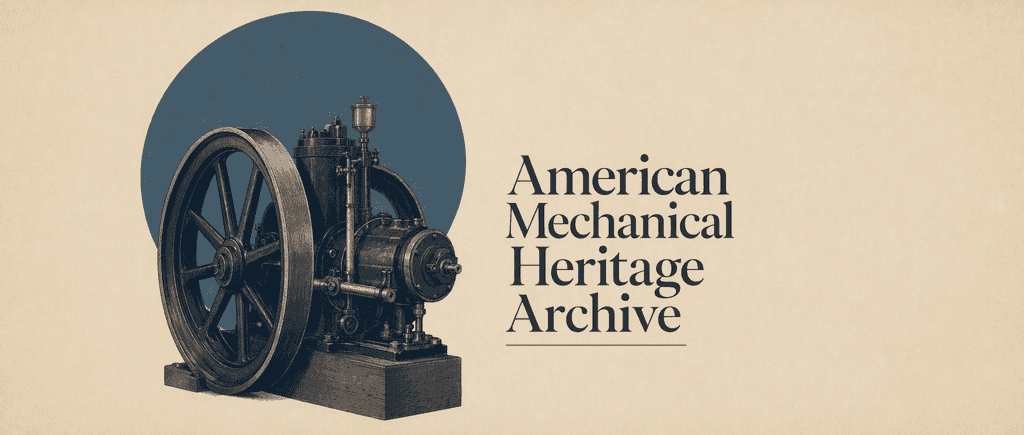
In "Who Built That," Michelle Malkin dismantles Obama's infamous "you didn't build that" claim, celebrating America's forgotten inventors. Did you know your air conditioner and toilet paper exist thanks to these "tinkerpreneurs"? Discover how individual innovation - not government - truly drives American prosperity.
- Michelle Malkin champions "tinkerpreneurs" as America's unsung innovators who built foundational industries
- Self-made success thrives through grit, intellectual property rights, and profit-driven capitalism
- Government intervention often stifles innovation compared to free-market entrepreneurial spirit
- Mundane inventions like bottle caps revolutionized daily life through relentless tinkering
- American exceptionalism stems from risk-taking visionaries who prioritized problem-solving over privilege
- Maglite founder Anthony Maglica epitomizes moral capitalism through quality craftsmanship and affordability
- Air conditioning's origin story reveals how industrial needs spark consumer life improvements
- "Who Built That" counters wealth-shaming narratives with patent-based creator empowerment case studies
- Faith and family values fuel sustainable entrepreneurship more than institutional support systems
- Malkin's historical profiles prove ordinary citizens drive progress through incremental mechanical breakthroughs
- Modern tech success relies on timeless principles of thrift, iteration, and customer focus
- Patent protections enable tinkerpreneurs to transform garage experiments into global enterprises
『Who Built That』の著者について
Michelle Malkin, #1 New York Times bestselling author of Who Built That, is a prominent conservative commentator, syndicated columnist, and advocate for free-market principles. A seasoned voice in political discourse, Malkin’s work often explores themes of entrepreneurship, American exceptionalism, and limited government, reflecting her career as a Fox News contributor and founder of influential platforms like Hot Air and Twitchy.com. Her other notable works, including Culture of Corruption and In Defense of Internment, critique systemic overreach and align with her reputation for challenging mainstream narratives.
With a journalism career spanning three decades, Malkin’s columns have been syndicated nationwide, and her insights have shaped conservative media through appearances on Newsmax TV and CRTV, as well as through her bestselling books.
A graduate of Oberlin College, she combines rigorous research with unapologetic advocacy, earning recognition as one of Mediaite’s most influential conservative voices. Who Built That joins her legacy of works that celebrate innovation and individual liberty, resonating with readers seeking data-driven critiques of progressive policies. Malkin’s books have become staples in political literature, frequently cited in debates and adapted into documentary programming.
『Who Built That』に関するよくある質問
What is Who Built That by Michelle Malkin about?
Who Built That celebrates American entrepreneurship and critiques government overregulation, arguing that small businesses and innovators drive progress more effectively than bureaucratic systems. Michelle Malkin highlights stories of self-made inventors, builders, and creators while challenging policies she views as hostile to free-market principles. The book aligns with her conservative advocacy for limited government and individual liberty.
Who should read Who Built That?
Conservatives, libertarians, and readers interested in free-market economics will find Who Built That compelling. It appeals to entrepreneurs seeking inspiration from grassroots success stories and critics of progressive regulatory agendas. Malkin’s direct, opinionated style caters to fans of her syndicated columns and media commentary.
What are the main arguments in Who Built That?
Malkin argues that government intervention stifles innovation, citing examples of industries like energy and tech. She contrasts bureaucratic inefficiency with the agility of private-sector problem-solvers and emphasizes the importance of personal responsibility over dependency on state systems.
Does Michelle Malkin discuss historical figures in Who Built That?
Yes, Malkin profiles lesser-known American inventors and entrepreneurs to illustrate her thesis. These case studies aim to showcase how individuals, not government programs, have historically driven technological and economic breakthroughs.
How does Who Built That critique modern policy?
The book criticizes occupational licensing, environmental regulations, and federal subsidies as barriers to innovation. Malkin frames these policies as detrimental to small businesses and favorable to corporate cronyism.
What quotes are notable in Who Built That?
While specific quotes aren’t excerpted in available sources, Malkin’s signature phrases like “government gatekeepers” and “permissionless innovation” recur. Her style emphasizes punchy, provocative language to challenge progressive narratives.
Are there criticisms of Who Built That?
Critics argue the book oversimplifies complex policy issues and dismisses the role of public infrastructure in enabling innovation. Some accuse Malkin of cherry-picking examples to fit her ideological framework.
How does Who Built That compare to Malkin’s earlier works?
Unlike her national security-focused books like Invasion, this title targets economic policy. However, it shares her trademark anti-establishment tone and emphasis on individual agency over institutional solutions.
Is Who Built That relevant to current debates about AI and technology?
Malkin’s skepticism of regulatory overreach applies directly to debates about AI governance. The book warns against stifling emerging technologies with preemptive rules, advocating instead for market-driven adaptation.
What actionable lessons does Who Built That offer entrepreneurs?
Entrepreneurs are encouraged to bypass red tape through grassroots advocacy and creative problem-solving. Malkin urges small businesses to form networks to resist regulatory encroachment.
How does Who Built That address racial or gender disparities in entrepreneurship?
While not a central focus, Malkin highlights diverse innovators to argue that merit—not government diversity initiatives—fuels success. This aligns with her opposition to identity-based policies.
Are there discussion guides for Who Built That?
Though no guides are cited, the book’s clear ideological framing makes it suitable for conservative book clubs. Debates could focus on balancing regulation with innovation in sectors like healthcare or tech.
著者の声を通じて本を感じる
知識を魅力的で例が豊富な洞察に変換
キーアイデアを瞬時にキャプチャして素早く学習
楽しく魅力的な方法で本を楽しむ
『Who Built That』の登場人物
- Michelle MalkinAuthor and defender of American entrepreneurs
- Tony MaglicaImmigrant inventor and founder of Mag Instrument
- Willis CarrierScientific genius who pioneered air-conditioning
- Irvine LyleMarketing expert and partner to Willis Carrier
- Tomica MaglicaTony's resourceful mother who survived WWII
『Who Built That』の主要テーマ
- american manufacturing
- intellectual property rights
- immigrant success stories
- industrial innovation
- individualism vs collectivism
『Who Built That』の名言
As long as I'm alive, I will never give up.
Their interconnected stories demonstrate how pursuing individual success creates collective prosperity.
Their partnership exemplifies how complementary talents can revolutionize society.
You didn't build that.
あなたに合った学び方を探す
 クイックサマリーモード
『Who Built That』の要約を9分で読む・聴く
『Who Built That』の核心的なアイデアを分かりやすいポイントに分解し、革新的なチームがどのように創造、協力、成長するかを理解します。

 エンタメモード
『Who Built That』のレッスンを26分のストーリーで
鮮やかなストーリーテリングを通じて『Who Built That』を体験し、イノベーションのレッスンを記憶に残り、応用できる瞬間に変えます。
 パーソナライズモード
Who Built Thatを自分の学習スタイルで体験
何でも質問し、学習スタイルを選び、自分に本当に響くインサイトを一緒に作れます。
"Instead of endless scrolling, I just hit play on BeFreed. It saves me so much time."


"I never knew where to start with nonfiction—BeFreed’s book lists turned into podcasts gave me a clear path."


"Perfect balance between learning and entertainment. Finished ‘Thinking, Fast and Slow’ on my commute this week."
"Crazy how much I learned while walking the dog. BeFreed = small habits → big gains."
"Reading used to feel like a chore. Now it’s just part of my lifestyle."

"Feels effortless compared to reading. I’ve finished 6 books this month already."
"BeFreed turned my guilty doomscrolling into something that feels productive and inspiring."

"BeFreed turned my commute into learning time. 20-min podcasts are perfect for finishing books I never had time for."
"BeFreed replaced my podcast queue. Imagine Spotify for books — that’s it. 🙌"

"It is great for me to learn something from the book without reading it."
"The themed book list podcasts help me connect ideas across authors—like a guided audio journey."
"Makes me feel smarter every time before going to work"
"Instead of endless scrolling, I just hit play on BeFreed. It saves me so much time."
"I never knew where to start with nonfiction—BeFreed’s book lists turned into podcasts gave me a clear path."
"Perfect balance between learning and entertainment. Finished ‘Thinking, Fast and Slow’ on my commute this week."
"Crazy how much I learned while walking the dog. BeFreed = small habits → big gains."
"Reading used to feel like a chore. Now it’s just part of my lifestyle."
"Feels effortless compared to reading. I’ve finished 6 books this month already."
"BeFreed turned my guilty doomscrolling into something that feels productive and inspiring."
"BeFreed turned my commute into learning time. 20-min podcasts are perfect for finishing books I never had time for."
"BeFreed replaced my podcast queue. Imagine Spotify for books — that’s it. 🙌"
"It is great for me to learn something from the book without reading it."
"The themed book list podcasts help me connect ideas across authors—like a guided audio journey."
"Makes me feel smarter every time before going to work"
"Instead of endless scrolling, I just hit play on BeFreed. It saves me so much time."
"I never knew where to start with nonfiction—BeFreed’s book lists turned into podcasts gave me a clear path."
"Perfect balance between learning and entertainment. Finished ‘Thinking, Fast and Slow’ on my commute this week."
"Crazy how much I learned while walking the dog. BeFreed = small habits → big gains."
"Reading used to feel like a chore. Now it’s just part of my lifestyle."
"Feels effortless compared to reading. I’ve finished 6 books this month already."
"BeFreed turned my guilty doomscrolling into something that feels productive and inspiring."
"BeFreed turned my commute into learning time. 20-min podcasts are perfect for finishing books I never had time for."
"BeFreed replaced my podcast queue. Imagine Spotify for books — that’s it. 🙌"
"It is great for me to learn something from the book without reading it."
"The themed book list podcasts help me connect ideas across authors—like a guided audio journey."
"Makes me feel smarter every time before going to work"
"Instead of endless scrolling, I just hit play on BeFreed. It saves me so much time."
"I never knew where to start with nonfiction—BeFreed’s book lists turned into podcasts gave me a clear path."
"Perfect balance between learning and entertainment. Finished ‘Thinking, Fast and Slow’ on my commute this week."
"Crazy how much I learned while walking the dog. BeFreed = small habits → big gains."
"Reading used to feel like a chore. Now it’s just part of my lifestyle."
"Feels effortless compared to reading. I’ve finished 6 books this month already."
"BeFreed turned my guilty doomscrolling into something that feels productive and inspiring."
"BeFreed turned my commute into learning time. 20-min podcasts are perfect for finishing books I never had time for."
"BeFreed replaced my podcast queue. Imagine Spotify for books — that’s it. 🙌"
"It is great for me to learn something from the book without reading it."
"The themed book list podcasts help me connect ideas across authors—like a guided audio journey."
"Makes me feel smarter every time before going to work"

Who Built Thatの要約をダウンロード
Who Built Thatの要約をPDFまたはEPUBで無料でダウンロード。印刷やオフラインでいつでもお読みいただけます。