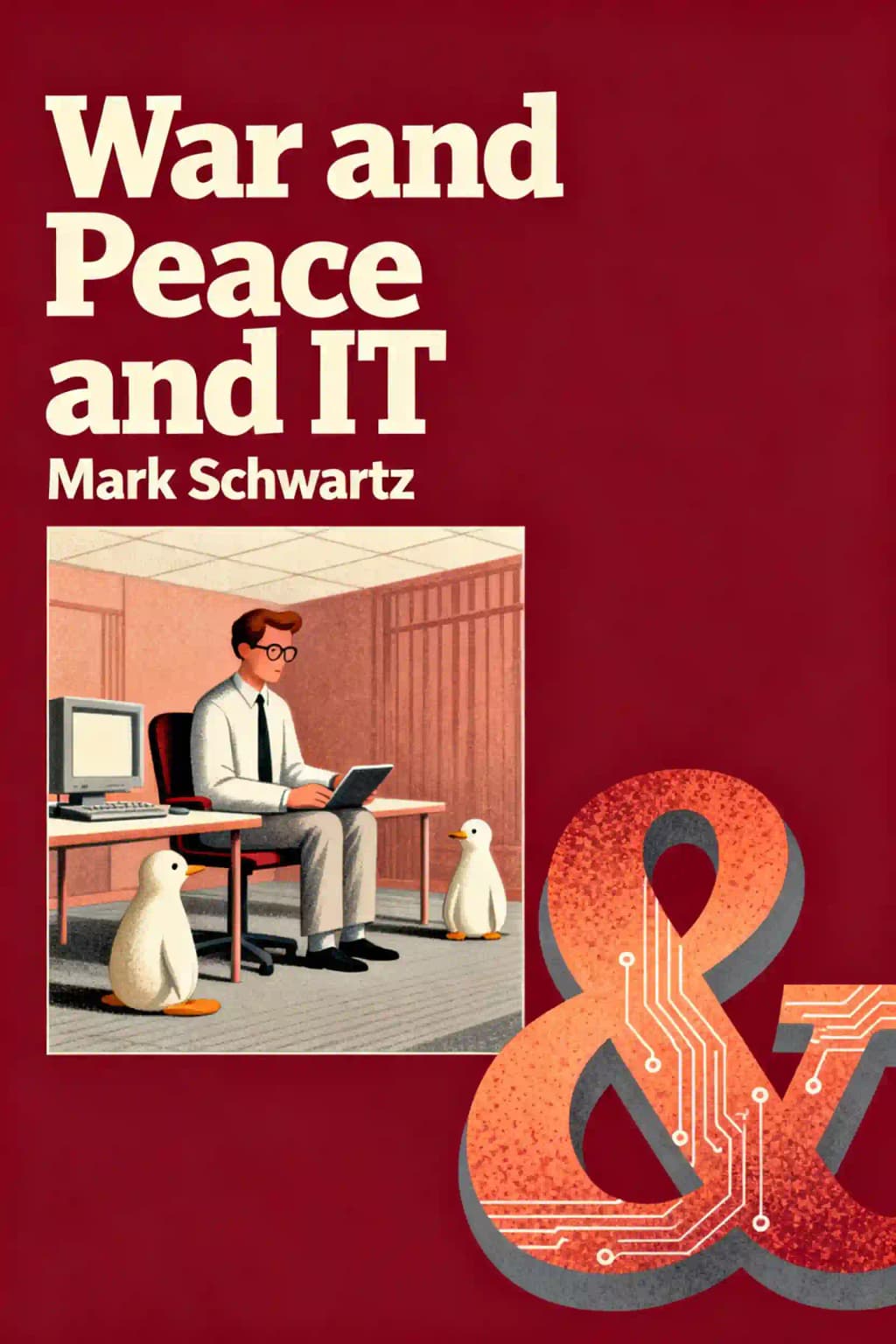
In "War and Peace and IT," Mark Schwartz bridges business-technology divides, revolutionizing digital transformation strategies. Amazon's Stephen Orban insists "every CEO and CIO should read it together" - the rare tech book that's sparked cross-functional collaboration in Fortune 500 boardrooms worldwide.
著者の声を通じて本を感じる
知識を魅力的で例が豊富な洞察に変換
キーアイデアを瞬時にキャプチャして素早く学習
楽しく魅力的な方法で本を楽しむ
Picture Napoleon at Borodino, standing on a hill, watching his carefully laid battle plans disintegrate in the fog of war. His orders arrive too late or become irrelevant before they're executed. Now picture a modern CEO reviewing a three-year IT roadmap, confident in projections that will be obsolete before the ink dries. The parallel isn't coincidental-both are trying to command complex, unpredictable systems with tools designed for a simpler world. This disconnect between leadership and technology has cost enterprises billions and transformed digital transformation from opportunity into organizational theater. The problem began innocently enough in 1975, when computers lived in climate-controlled rooms tended by eccentric specialists who spoke in incomprehensible jargon. When the payroll system crashed and employees couldn't get paid, the programmer responsible seemed more fascinated by his "emphatic byte munger" algorithm than the genuine crisis unfolding. How could businesses hold accountable these essential but alien specialists? The solution seemed obvious: create formal processes where "The Business" specified requirements and IT delivered against Gantt charts and status reports. This arms-length relationship-treating internal technology teams like external contractors-became so entrenched that some organizations even implemented chargeback models where IT billed other departments. Decades later, IT professionals have evolved into business-focused problem solvers with "the heart of the engineer, which is to serve others." Yet organizations remain trapped in outdated relationship models that guarantee failure. The traditional waterfall approach forces stakeholders to specify every possible future need upfront, creating massive "feature bloat"-studies show over half of features in IT systems are rarely or never used, representing billions in wasted spending. What businesses actually want isn't delivery on schedule but delivery as soon as possible, which requires eliminating waste in both technology delivery and the bureaucratic interactions between IT and everyone else.
『War and Peace and IT』の核心的なアイデアを分かりやすいポイントに分解し、革新的なチームがどのように創造、協力、成長するかを理解します。
『War and Peace and IT』を素早い記憶のヒントに凝縮し、率直さ、チームワーク、創造的な回復力の主要原則を強調します。

鮮やかなストーリーテリングを通じて『War and Peace and IT』を体験し、イノベーションのレッスンを記憶に残り、応用できる瞬間に変えます。
何でも質問し、声を選び、本当にあなたに響く洞察を一緒に作り出しましょう。

"Instead of endless scrolling, I just hit play on BeFreed. It saves me so much time."
"I never knew where to start with nonfiction—BeFreed’s book lists turned into podcasts gave me a clear path."
"Perfect balance between learning and entertainment. Finished ‘Thinking, Fast and Slow’ on my commute this week."
"Crazy how much I learned while walking the dog. BeFreed = small habits → big gains."
"Reading used to feel like a chore. Now it’s just part of my lifestyle."
"Feels effortless compared to reading. I’ve finished 6 books this month already."
"BeFreed turned my guilty doomscrolling into something that feels productive and inspiring."
"BeFreed turned my commute into learning time. 20-min podcasts are perfect for finishing books I never had time for."
"BeFreed replaced my podcast queue. Imagine Spotify for books — that’s it. 🙌"
"It is great for me to learn something from the book without reading it."
"The themed book list podcasts help me connect ideas across authors—like a guided audio journey."
"Makes me feel smarter every time before going to work"

War and Peace and ITの要約をPDFまたはEPUBで無料でダウンロード。印刷やオフラインでいつでもお読みいただけます。