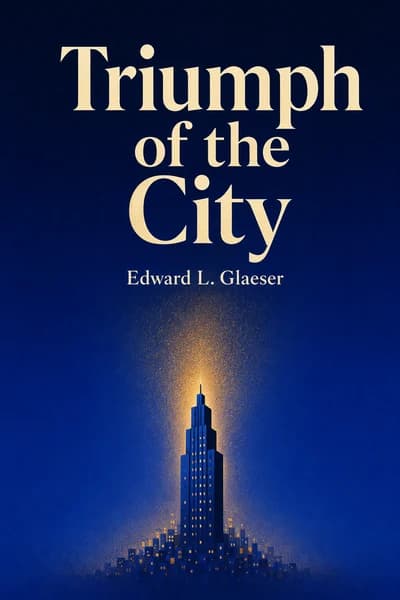
都市は人類最高の発明である
私たちの最大の発明がいかにして私たちをより豊かに、より賢く、より環境に優しく、より健康に、そしてより幸せにするか
3.92(6305 Reviews)
『都市は人類最高の発明である』の概要
グレイザーの傑作は、人類最大の発明である「都市」が、なぜ私たちをより豊かに、より賢く、そしてより幸せにするのかを明らかにしています。『ヤバい経済学』の著者スティーヴン・レヴィットが「見事だ」と絶賛したこの直感に反する都市宣言は、都市生活に関するあなたの常識を覆します。もし、コンクリートのジャングルこそが、実は最も環境に優しい選択肢だとしたらどうでしょうか?
『都市は人類最高の発明である』の主要テーマ
- urban economic development
- human capital accumulation
- innovation through proximity
- industrial city decline
- knowledge spillover effects
『都市は人類最高の発明である』の名言
Cities are the absence of physical space between people and companies.
Cities reflect our fundamental nature as social creatures who thrive through connection.
Ideas don't require roads to cross continents.
Human capital, far more than physical infrastructure, determines which cities prosper.
The exodus from the Rust Belt isn't an indictment of urban living but of cities that abandoned vital features of urban life.
『都市は人類最高の発明である』の登場人物
- Edward L. GlaeserAuthor and economist studying urban environments
- Jane JacobsUrban theorist known for her work on neighborhoods
- Frederick TermanStanford dean and architect of Silicon Valley
- Leland StanfordRailroad magnate and founder of Stanford University
- Muhammad al-KhwarizmiScholar who developed algebra in Baghdad
都市は人類最高の発明であるの要約をダウンロード
都市は人類最高の発明であるの要約をPDFまたはEPUBで無料でダウンロード。印刷やオフラインでいつでもお読みいただけます。