第1章
The Testosterone Revolution: Reclaiming Masculinity in Modern Times
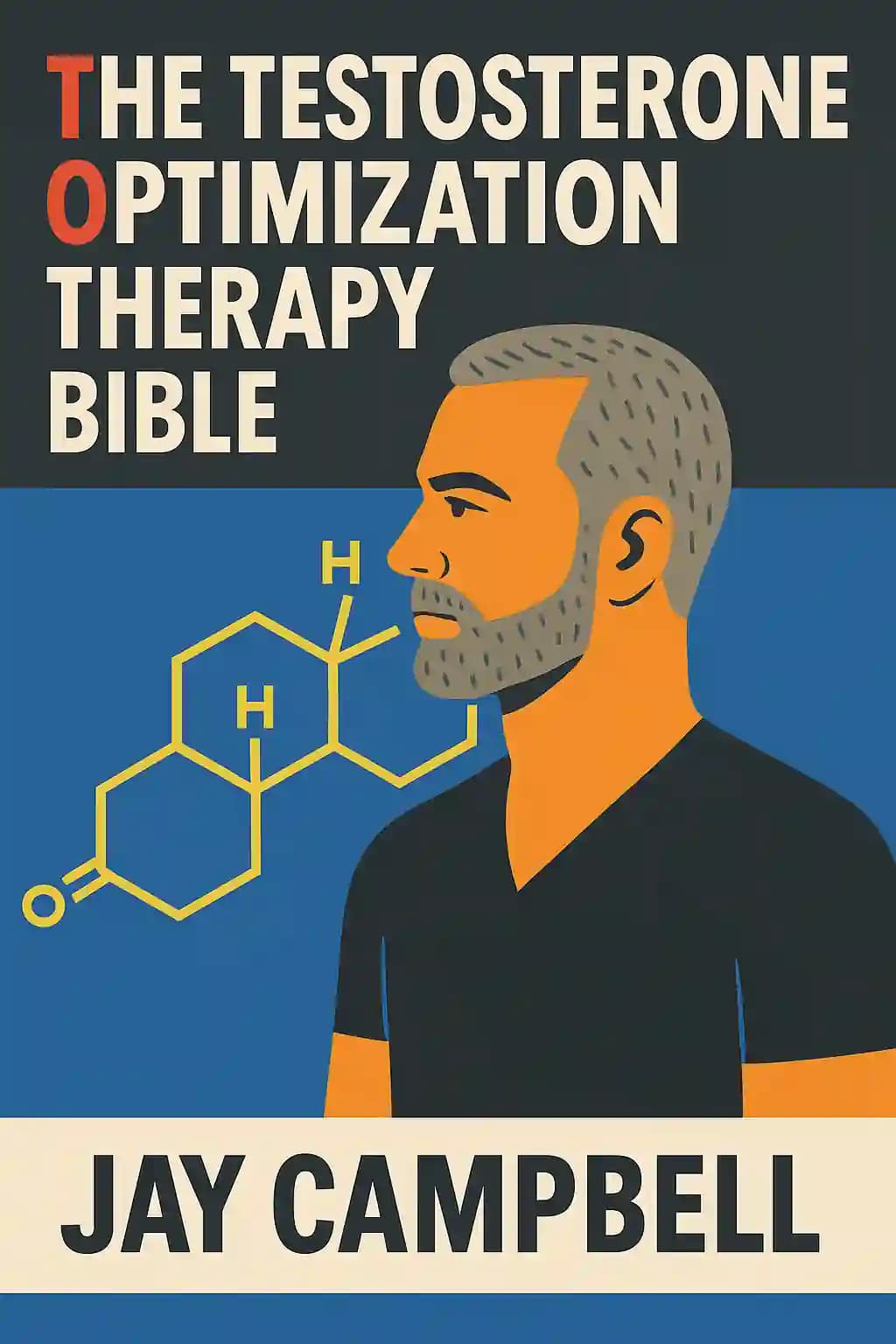
In a world where male testosterone levels are plummeting at an alarming rate, Jay Campbell's "The Testosterone Optimization Therapy Bible" arrives as both a warning and a roadmap. This isn't just another health book-it's a manifesto that has transformed the lives of countless men suffering in silence. Endorsed by over a dozen leading physicians who admit Campbell's knowledge surpasses many medical professionals, the book has become required reading in forward-thinking medical practices. Even Joe Rogan, whose podcast reaches millions, has discussed the concepts within, recognizing the silent epidemic of declining masculinity. What makes this work particularly powerful is how it challenges conventional medical wisdom while providing actionable solutions that have helped men reclaim their vitality, mental clarity, and zest for life-benefits that extend far beyond the bedroom.
第2章
The Silent Epidemic: Why Men Are Losing Their Masculinity
Something alarming is happening to men in the 21st century. Testosterone levels have been dramatically decreasing for over two decades, creating a health crisis that the medical community has largely ignored. Research shows that the average 40-year-old man today has significantly lower testosterone than his father or grandfather had at the same age. This decline isn't merely a natural part of aging-it's accelerating due to environmental factors, poor nutrition, and sedentary lifestyles.
The implications are profound. Testosterone isn't just about muscles and sex drive; it's essential for male development and optimal health across all bodily systems. When levels fall below optimal ranges, men experience a constellation of symptoms: decreased energy, brain fog, depression, increased body fat, reduced muscle mass, and diminished sex drive. These symptoms are often misdiagnosed as separate conditions, leading to prescriptions for antidepressants, erectile dysfunction medications, and weight loss drugs-treating symptoms while ignoring the root cause.
Campbell deliberately replaces the conventional term "Testosterone Replacement Therapy" (TRT) with "Testosterone Optimization Therapy" (TOT) to emphasize that the goal isn't merely replacing testosterone to reach "normal" levels, but optimizing health in a world where average testosterone levels are suboptimal and declining. He makes a crucial distinction between therapeutic testosterone use and anabolic steroid abuse, positioning the book as a guide to lifelong health optimization rather than performance enhancement.
Most importantly, Campbell addresses the ethical question head-on: Is there something morally wrong with using testosterone therapeutically? His answer is unequivocal-there's nothing unethical about optimizing a naturally occurring hormone essential to human development, especially when environmental factors beyond our control are causing its decline.
第3章
The Transformative Power of Optimized Testosterone
When testosterone levels are optimized, the physical transformation can be remarkable. As the primary anabolic hormone, testosterone decreases body fat while simultaneously increasing muscle mass-a combination no diet or exercise program can achieve alone. This occurs through multiple mechanisms: improved insulin sensitivity, enhanced muscle protein synthesis, and direct lipolytic (fat-burning) effects.
For obese men, this creates a pathway out of a vicious cycle. Higher body fat leads to increased aromatase activity (converting testosterone to estrogen), which further lowers testosterone and raises estrogen. This cycle contributes significantly to the obesity pandemic, with the CDC reporting 4 out of 10 US adults are obese. TOT breaks this cycle by decreasing abdominal adiposity and improving body composition.
Beyond physical appearance, optimized testosterone provides powerful protection against age-related diseases. Despite previous conflicting research, overwhelming recent data shows maintaining optimal testosterone levels helps prevent cardiovascular disease. Dr. Abraham Morgentaler's landmark 2015 Mayo Clinic study concluded: "We find no scientific basis for the suggestion that testosterone therapy increases cardiovascular risk... the weight of evidence accumulated by researchers around the world over several decades clearly indicates that higher levels of testosterone are associated with amelioration of cardiovascular risk factors and reduced risk of mortality."
Testosterone also exerts important anti-inflammatory effects throughout the body. It suppresses pro-inflammatory cytokines and stimulates anti-inflammatory cytokines, creating powerful anti-inflammatory effects that protect against conditions ranging from heart disease to Alzheimer's. It raises adiponectin levels (improving insulin sensitivity), inhibits IL-1 production, lowers TNF-alpha levels (the primary cause of cardiovascular disease), and decreases IL-6 levels (found in diabetes, cancer, and Alzheimer's).
Perhaps most surprising to many readers will be testosterone's effects on brain health. It modulates responses in the amygdala (for processing emotions) and prefrontal cortex (for regulating emotional responses). Multiple studies show testosterone improves working memory, visual and verbal memory, and spatial processing power in both young and older men. The "brain fog" commonly reported by men with testosterone deficiency often disappears when starting TOT, with clearer thinking and improved mood being among the fastest and most noticeable positive effects.
第4章
Beyond Physical: The Psychological Renaissance
The psychological effects of optimized testosterone levels may be even more profound than the physical transformation. Most men don't realize how testosterone affects overall well-being or how suboptimal levels prevent them from living fulfilled lives. Men with optimized testosterone report dramatically improved outlook and supreme confidence in controlling their destiny in ways they couldn't comprehend before TOT. This transformation often manifests as enhanced mental clarity, reduced anxiety, and a stronger sense of purpose that permeates all aspects of life.
Higher testosterone levels exponentially increase confidence in decision-making and ability to take decisive action. You become assertive and purposeful, transforming from a man of words to one of calculated, tactical action. TOT helps depressed men become more assertive while making already assertive men more focused and stronger leaders. This enhanced leadership capability often shows up in improved communication skills, better stress management, and the ability to maintain composure under pressure. Many men report feeling "bulletproof" mentally, with a newfound resilience to life's challenges.
From an evolutionary biology perspective, testosterone provides the boldness that improves approach ability and rapport-building with women. Studies show men with higher testosterone demonstrate more aggression, better ability to direct interactions, and greater success attracting partners. Research suggests women can even "smell" higher testosterone levels during certain points in their menstrual cycle. This phenomenon, known as pheromone detection, plays a crucial role in mate selection and social dynamics. Men with optimized testosterone levels often report improved social awareness, better reading of social cues, and enhanced charisma in both personal and professional settings.
The competitive edge gained from optimized testosterone extends beyond dating into business and entrepreneurship. Testosterone drives masculine needs for victory and challenge, with studies showing it may predict perseverance through defeat. It speeds reaction times, improves eyesight and endurance, and produces feelings of invulnerability. The "thrill of victory" experienced in sports or business success comes with increased testosterone levels that can last for days. TOT incorporates these feelings into everyday life, providing a competitive edge that enhances productivity and achievement. This translates into improved risk assessment abilities, better strategic thinking, and enhanced problem-solving skills. Many entrepreneurs report making bolder business decisions while maintaining better emotional control during high-stress situations.
The psychological benefits extend to cognitive function as well. Research indicates that optimal testosterone levels support better memory retention, faster information processing, and improved spatial awareness. Men on TOT frequently report enhanced mental stamina during long workdays, better ability to multitask, and improved emotional regulation. This cognitive enhancement often leads to better work performance, more effective negotiations, and stronger interpersonal relationships both at home and in professional settings.
第5章
Debunking the Natural Testosterone Boosting Myth
For 25 years, marketing campaigns have bombarded men with "testosterone booster" supplements that promise improved sex drive, bigger muscles, and even larger penises. Campbell unequivocally calls these products scams-unproven snake oil that has only succeeded in emptying bank accounts of desperate men seeking to look and feel better.
The book methodically examines the most popular "testosterone boosting" supplements, revealing their ineffectiveness through scientific research:
• Tongkat Ali: In one of the few human studies, men with late-onset hypogonadism taking 200mg daily for 5 weeks showed an average increase of only 80 ng/dL in testosterone-insufficient to produce any significant benefits.
• Tribulus Terrestris: Despite being a key ingredient in many testosterone boosters, multiple studies, including a double-blind study with elite rugby players taking 450mg daily for 5 weeks, showed no differences in testosterone levels or lean body mass compared to placebo groups.
• Zinc Magnesium Aspartate (ZMA): Studies on resistance-trained males showed no increase in testosterone levels after 8 weeks of supplementation.
• Fenugreek: One industry-funded study showed a mere 6.75% increase in serum testosterone over 8 weeks-translating to an increase from 350 ng/dL to only 374 ng/dL, insufficient for noticeable benefits.
• D-Aspartic Acid: A rigorous randomized double-blind study of resistance-trained men found no significant effects on strength, body mass or testosterone levels after 28 days. Alarmingly, higher doses (6g daily) actually reduced total and free testosterone levels.
While some supplements might produce small, temporary increases in testosterone, these are minuscule compared to clinical testosterone therapy. For example, Tongkat Ali might increase testosterone from 250 ng/dL to 330 ng/dL (32%), but proper TOT can raise levels to 1000 ng/dL (233% increase)-a difference that's "NIGHT AND DAY" in terms of how you feel.
Campbell explains how supplement companies exploit the association between libido and testosterone, tricking consumers by enhancing libido to create the illusion of increased testosterone. Research shows testosterone isn't always the decisive factor in libido, with estrogen also playing a vital role in male sexual function.
第6章
The Optimal TOT Protocol: Injectable Testosterone
After extensive research and clinical observation, Campbell conclusively determines that injection is the most effective and reliable method for optimizing testosterone levels. He thoroughly examines four primary injectable testosterone formulations currently available on the market: testosterone cypionate, testosterone enanthate, testosterone propionate, and testosterone suspension. Each formulation has distinct pharmacokinetic properties that influence absorption rates and half-life, providing different options to suit individual needs and preferences.
Based on nearly 20 years of clinical experience and thousands of patient outcomes, Campbell presents his comprehensive protocols for lifelong TOT, arranged in order of therapeutic preference:
1. Option 1A: Daily micro-dosing of 10-30mg testosterone, which provides the most physiologically natural hormone levels and significantly minimizes side effects like aromatization and erythrocytosis. This approach is particularly well-suited for detail-oriented, Type A personalities who prefer precise control over their hormone levels. The daily protocol most closely mimics the body's natural testosterone production rhythm.
2. Option 1B: A modified approach using 50-70mg every other day, offering a practical compromise between optimal hormone stability and injection frequency. This protocol still maintains relatively stable blood levels while requiring less frequent injections than daily administration.
3. Option 2: The most widely adopted protocol involves injecting 50-100mg twice weekly (preferably every 3rd day). This approach balances clinical effectiveness with practical convenience, making it the popular choice among most TOT patients.
For patients with severe needle phobia, Campbell reluctantly accepts a single weekly injection of 100-250mg as a viable alternative, though he emphasizes this is not optimal due to greater hormonal fluctuations and potential side effects.
Campbell stresses the importance of the "start low and go slow" principle, beginning with minimum effective dosages and working closely with healthcare providers to establish optimal hormonal balance through regular blood work and monitoring. He provides detailed guidance on injection technique, explaining that self-administering testosterone becomes as routine as brushing teeth for most men on TOT. The process typically involves using small 25-30 gauge needles that minimize discomfort and tissue damage.
Regarding injection sites, Campbell identifies six primary locations that are both safe and effective: the lateral and medial deltoids, ventral and dorsal gluteus muscles, and the upper outer quadriceps on both legs. He emphasizes the importance of proper site rotation, recommending a systematic approach that allows each injection site to fully recover before reuse, typically 7-10 days. This methodical rotation significantly reduces the risk of developing scar tissue or injection site reactions.
Campbell also addresses common concerns about needle anxiety, drawing parallels to millions of diabetics who successfully manage daily insulin injections. He provides practical strategies for overcoming injection anxiety, including proper education about technique, starting with smaller needle sizes, and gradually building confidence through supervised practice sessions.
第7章
Managing Potential Side Effects Through Proper Monitoring
The potential side effects of TOT are typically minimal and treatable when properly monitored. The primary goal is achieving balance between testosterone and estrogen levels, which requires working with an experienced physician and regular blood testing.
Estradiol management is crucial for successful TOT. Campbell notes that poor estrogen management is the biggest reason why TOT fails. Both high and low estradiol levels can cause sexual dysfunction-high E2 typically causes weak erections while low E2 (often from overdosing aromatase inhibitors) causes lack of interest and erectile difficulties. Water retention is another sign of high E2.
Testosterone therapy commonly increases red blood cell production (erythrocytosis), occurring in up to 40% of users, with injectable testosterone causing higher rates than transdermal or pellet delivery systems. This condition requires monitoring but is easily manageable through therapeutic phlebotomy when hemoglobin exceeds 20 g/dL or hematocrit exceeds 52-54%.
Despite persistent myths, there have been no documented cases of benign or malignant liver tumors with injectable or transdermal TOT in over 15 years of physician-guided therapy. Detrimental lifestyle habits like excessive alcohol consumption, high saturated fat diets, and lack of exercise stress the liver far more than TOT ever could.
Perhaps the most persistent myth about TOT is that it increases prostate cancer risk. Despite media claims linking testosterone to prostate cancer and benign prostatic hyperplasia (BPH), there is no conclusive evidence that TOT increases the risk of either condition. Recent research by Dr. Abraham Morgentaler and the Life Extension Foundation confirms three key points: low testosterone doesn't protect against prostate cancer and may increase risk; high testosterone doesn't increase prostate cancer risk; and testosterone treatment doesn't increase risk even in high-risk men.
第8章
The Critical Role of Nutrition and Lifestyle in TOT
Proper nutrition plays a vital role in maximizing the benefits of Testosterone Optimization Therapy. Campbell warns that TOT isn't a magic solution that can overcome poor dietary habits and sedentary living. Those who consume alcohol nightly and subsist on processed foods and sodas will not experience the full benefits of optimized testosterone levels. However, combining TOT with clean eating and intelligent resistance and endurance training will yield outstanding results.
Protein is the most critical macronutrient for performance and physique improvement. When on TOT, Campbell recommends consuming at least 1 gram of protein per pound of lean body weight, with specific requirements varying by age. High-quality protein should be consumed every 4-5 hours in 20-50 gram portions.
For carbohydrates, consumption should be tailored to your insulin sensitivity and goals. Complex carbs like brown rice, oatmeal, and sweet potatoes should be eaten earlier in day, while high-glycemic carbs are best consumed around workouts.
Essential Fatty Acids (EFAs) are critical for overall health, controlling cellular processes and maintaining optimal nervous system function. Most people are deficient in EFAs. Supplementing with them improves muscular coordination, memory, metabolism, and skin elasticity. EFA consumption significantly impacts testosterone levels, helps maintain positive nitrogen retention, and improves satiety during intermittent fasting.
While on TOT, certain substances should be minimized or avoided entirely for optimal results:
• Alcohol, even in moderation, reduces TOT's benefits by increasing estrogen conversion (leading to excess body fat) and stressing the liver.
• Refined sugar and high fructose corn syrup (HFC) should be minimized as they cause testosterone levels to decrease due to insulin release.
• Soy protein and its by-products are counterproductive to TOT, as they're among the environmental endocrine-disrupting toxins causing gynecomastia, decreased facial and body hair growth, lowered libido, mood swings, higher body fat storage, erectile dysfunction and lowered sperm count.
第9章
The Foundation: Weight Training and Fitness
Campbell emphasizes that discussing testosterone optimization without incorporating weight training fundamentally misses the point of optimal health. Muscle tissue serves as the body's metabolic engine and is the single greatest preventative measure against aging-related diseases. It increases basal metabolic rate, dramatically improves insulin sensitivity, enhances structural integrity, and provides resistance to injury. Recent neurological research even indicates that resistance training increases brain size and cognitive function through enhanced blood flow and neuroplasticity.
He recommends focusing on foundational compound strength movements that engage multiple muscle groups simultaneously. These core exercises include squats (particularly back squats and front squats), overhead press variations, bench press and incline press, conventional and sumo deadlifts, bent-over rows, lat pulldowns, and pull-ups. For men using TOT, the optimal training frequency is 3-5 sessions weekly, each lasting 30-60 minutes, with adequate recovery between workouts. Campbell particularly emphasizes developing the mind-muscle connection-a practice of consciously visualizing the working muscles while maintaining perfect form and achieving maximum muscle contraction through full ranges of motion.
For cardiovascular health, he prescribes a systematic approach to low-impact endurance exercise 3-7 times weekly, with frequency depending on current body fat levels and fitness goals. Sessions should last 20-45 minutes while maintaining 65-80% of maximum heart rate (typically 125-140 bpm for most men). Acceptable modalities include incline walking, cycling, rowing, or elliptical training. Regular cardio exercise protects the vascular system through multiple mechanisms: enhancing nitric oxide release, reducing LDL cholesterol, decreasing systemic inflammation, and potentially reducing blood viscosity often seen in TOT users. Campbell notes that high-intensity interval training (HIIT) can be incorporated but should not comprise more than 20% of cardiovascular work.
Sleep quality and quantity emerge as non-negotiable factors in the protocol. Campbell emphasizes that sleep cannot be "hacked" through supplements or techniques-it requires consistent, quality rest in a cool, dark environment. It's critical for preventing various diseases including obesity, coronary artery disease, Alzheimer's, and dementia. While traditional wisdom suggested longer sleep durations, current research indicates the optimal amount of nightly sleep is between 5.5 and 7 hours for most adults, with sleeping longer than 8 hours potentially increasing mortality risk. He recommends establishing a consistent sleep schedule, avoiding blue light exposure before bed, and maintaining proper sleep hygiene through regular bedding changes and optimal room temperature (65-68F).
第10章
The Golden Rules of TOT: A Lifelong Commitment to Health
Campbell concludes with his Golden Rules of TOT, establishing fundamental principles for safe and effective testosterone therapy that serve as essential guidelines for anyone considering or currently undergoing treatment:
1. TOT should only be used when there's a clinical need diagnosed through symptoms first and blood work second. Symptoms might include chronic fatigue, depression, loss of muscle mass, increased body fat, and decreased libido. Blood work should confirm total and free testosterone levels below optimal ranges.
2. Before starting, assess your lifestyle habits and fitness goals. This includes evaluating sleep patterns, stress levels, nutrition, and exercise routines. Create specific, measurable objectives for your health transformation.
3. Work with an experienced progressive physician who understands modern TOT protocols. Avoid doctors who rely solely on outdated reference ranges or dismiss symptoms despite clinical evidence. The physician should have extensive experience treating testosterone deficiency.
4. Use testosterone alone initially to establish baseline blood work. This "clean" starting point allows proper assessment of how your body responds to testosterone without confounding variables. Monitor results for 8-12 weeks before considering additional compounds.
5. Use Aromatase Inhibitors only when clinically necessary based on blood work. Over-prescription of AIs can lead to joint pain and compromised bone density. Regular estradiol monitoring ensures optimal levels without unnecessary suppression.
6. Regularly monitor biomarkers through blood work, including complete hormone panels, lipids, hematocrit, PSA, and liver function. Quarterly testing is recommended during the first year, then bi-annually once stable.
7. Combine TOT with proper diet and exercise. Testosterone therapy works synergistically with resistance training and proper nutrition. Focus on compound movements, progressive overload, and adequate protein intake.
8. Address obesity before starting TOT, as excess body fat increases aromatization and can complicate treatment. Implement lifestyle changes to reduce body fat percentage to under 20%.
9. Recognize that "testosterone boosting" supplements are largely ineffective and often contain unproven ingredients. Save money and focus on clinically proven treatments instead of marketing hype.
10. Follow optimal injection protocols and learn proper injection techniques. This includes proper needle selection, injection site rotation, and sterile procedures. Typically, more frequent smaller doses (2-3 times weekly) provide stable levels.
There is no valid reason to "cycle" testosterone when treating clinical testosterone deficiency. Once a person replaces their decreasing natural production with exogenous testosterone, therapy must be maintained for life because the body shuts down its own production through feedback inhibition of the hypothalamic-pituitary-testicular axis. The benefits of ongoing, lifelong TOT are so significant - including improved body composition, cognitive function, cardiovascular health, and quality of life - that stopping therapy would be illogical unless facing a serious condition like aggressive metastatic cancer.
With men's natural testosterone levels declining approximately 1% annually after age 30, and environmental factors such as endocrine-disrupting chemicals, processed foods, and chronic stress continuing to degrade endocrine function, TOT remains the only reliable way to maintain optimal testosterone levels while aging. Modern research shows that properly administered testosterone therapy is safe and effective when monitored appropriately. For millions of men suffering needlessly from the symptoms of low testosterone, this book provides a comprehensive roadmap to reclaiming their vitality, mental clarity, and masculine essence in a world increasingly hostile to masculinity itself. The key is commitment to the process and careful adherence to these golden rules.