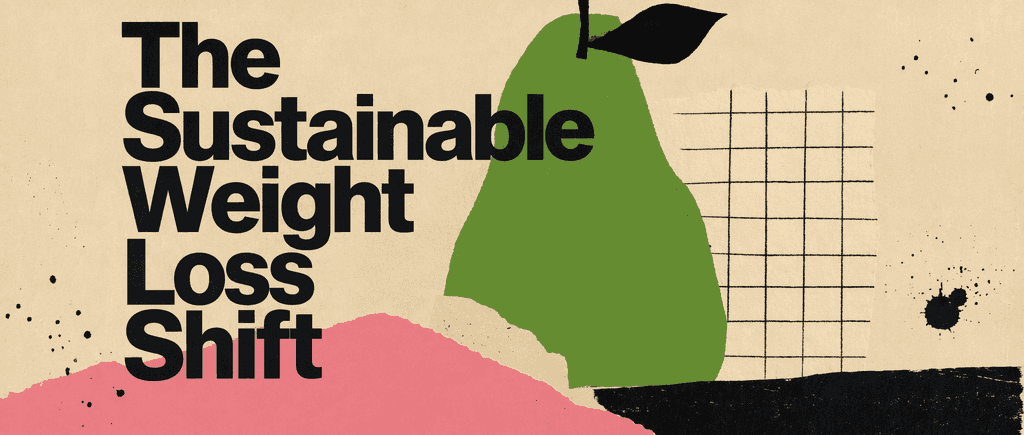
Shift: 7 Powerful Mindset Changes for Lasting Weight Loss

『Shift』の概要
Forget diets - "The Shift" revolutionizes weight loss by targeting mindset, not meals. WW's Chief Scientific Officer Dr. Foster's bestseller reveals why self-compassion outperforms self-criticism. What if hating your body actually prevents lasting change? Discover the psychology that transformed thousands.
- Self-compassion fuels weight loss more than willpower alone
- Progress, not perfection, drives sustainable weight loss success
- Your body deserves respect at any weight or size
- Small habit changes outperform drastic diet overhauls long-term
- Happiness fuels weight loss success; it’s not just an end goal
- Leverage existing strengths instead of fixating on weaknesses
- Social support networks double weight loss effectiveness and accountability
- Gary Foster’s 7 mindset shifts replace diet culture with self-trust
- Non-scale victories matter more than arbitrary weight targets
- Weight-loss myths debunked: Setbacks don’t equal failure
- Cognitive behavioral strategies rewire neural pathways for lasting change
- “The Shift” framework prioritizes mental health over calorie counting
『Shift』の著者について
Gary D. Foster, Ph.D., is the acclaimed author of The Shift: 7 Powerful Mindset Changes for Lasting Weight Loss and a leading behavioral psychologist specializing in sustainable health transformations. As Chief Science Officer at WW (formerly Weight Watchers) and Adjunct Professor of Psychology in Psychiatry at the Perelman School of Medicine, Foster bridges clinical research with practical strategies for lasting weight management. His work emphasizes mindset shifts over restrictive diets, rooted in 25+ years studying motivation, self-compassion, and habit formation.
Foster’s expertise extends to his thought-provoking book Desire, Love, and Identity: Philosophy of Sex and Love, which explores human relationships through psychological and philosophical lenses. A frequent speaker at medical conferences, he translates complex behavioral science into actionable frameworks used by healthcare providers and wellness coaches worldwide.
The Shift has garnered over 1,200 ratings on Goodreads, with readers praising its evidence-based approach to reframing weight-loss challenges. Foster’s insights continue to shape modern wellness strategies, making him a trusted authority in the field of psychological health optimization.
『Shift』に関するよくある質問
What is The Shift by Gary Foster about?
The Shift by Gary Foster presents seven mindset changes to achieve lasting weight loss by focusing on self-compassion, positive thinking, and habit formation instead of restrictive diets. It combines cognitive behavioral therapy and positive psychology to help readers reframe their relationship with food, body image, and self-worth, emphasizing mental shifts over physical restrictions.
Who should read The Shift?
This book is ideal for anyone struggling with yo-yo dieting, individuals seeking sustainable weight loss strategies, or those aiming to improve self-esteem and body image. It’s also valuable for caregivers or loved ones supporting someone on a health journey.
Is The Shift worth reading?
Yes—The Shift offers evidence-based, psychology-driven strategies that prioritize mental well-being alongside physical health. Unlike traditional diet books, it fosters long-term habit changes and self-acceptance, making it a standout resource for holistic weight management.
What are the 7 mindset shifts in The Shift?
The seven shifts include:
- Prioritizing self-kindness over self-criticism.
- Viewing setbacks as opportunities, not failures.
- Embracing small, actionable steps instead of drastic goals.
- Leveraging personal strengths rather than fixating on weaknesses.
- Cultivating body appreciation at any size.
- Seeking support instead of isolating oneself.
- Finding happiness and gratitude in the present.
How does The Shift differ from traditional diet books?
Gary Foster’s approach rejects calorie counting and rigid rules, focusing instead on mindset changes rooted in cognitive behavioral therapy. It emphasizes self-compassion, habit formation, and non-scale victories, making it a sustainable alternative to short-term diets.
What role does self-compassion play in The Shift?
Self-compassion replaces harsh self-judgment, reducing the guilt associated with setbacks. Foster argues that kindness boosts motivation and resilience, creating a healthier mental environment for lasting weight loss.
How does The Shift address body image struggles?
The book encourages readers to appreciate their bodies for their functionality and inherent worth, rather than tying self-esteem to weight. This shift reduces shame and promotes healthier behaviors rooted in self-respect.
Can The Shift help with habit formation?
Yes—Foster advocates for “small steps” (e.g., 1% daily improvements) to build sustainable habits. This method reduces overwhelm and aligns with research on incremental behavior change.
What is the “power of how” in The Shift?
This concept focuses on refining how you approach challenges (e.g., “How can I move more today?”) instead of fixating on outcomes. It fosters problem-solving and adaptability, key traits for long-term success.
Does The Shift recommend seeking external support?
Yes—Foster highlights the importance of community and accountability. Whether through friends, family, or groups like WW (Weight Watchers), support systems enhance adherence and motivation.
How does The Shift integrate gratitude into weight loss?
The book ties gratitude to emotional well-being, showing that appreciating present-moment joys reduces stress-driven eating. Foster suggests practices like daily gratitude journaling to reinforce positivity.
What criticism exists about The Shift?
While praised for its compassionate approach, some reviewers note the book lacks detailed meal plans or exercise routines. However, this omission aligns with its focus on mindset over prescriptive tactics.
著者の声を通じて本を感じる
知識を魅力的で例が豊富な洞察に変換
キーアイデアを瞬時にキャプチャして素早く学習
楽しく魅力的な方法で本を楽しむ
『Shift』の登場人物
- Gary FosterAuthor and obesity research expert
- Tom WaddenExpert in the field of obesity research
- Albert "Mickey" StunkardAuthor of "The Pain of Obesity"
- KatieLawyer and mother used as a case study
- CatherineWW member who discovered the power of motivation
『Shift』の主要テーマ
- weight loss mindset
- self-compassion techniques
- cognitive behavioral shifts
- overcoming weight stigma
- sustainable habit change
『Shift』の名言
Your thoughts, not just your food choices, determine your weight loss success.
Mindset matters enormously—it's the single biggest influencer.
Self-compassion: treating yourself with the same kindness you'd offer a friend.
You can't be cruel to yourself and expect to stay motivated.
What you think determines what you do.
あなたに合った学び方を探す
 クイックサマリーモード
『Shift』の要約を9分で読む・聴く
『Shift』の核心的なアイデアを分かりやすいポイントに分解し、革新的なチームがどのように創造、協力、成長するかを理解します。

 エンタメモード
『Shift』のレッスンを23分のストーリーで
鮮やかなストーリーテリングを通じて『Shift』を体験し、イノベーションのレッスンを記憶に残り、応用できる瞬間に変えます。
 パーソナライズモード
Shiftを自分の学習スタイルで体験
何でも質問し、学習スタイルを選び、自分に本当に響くインサイトを一緒に作れます。
"Instead of endless scrolling, I just hit play on BeFreed. It saves me so much time."


"I never knew where to start with nonfiction—BeFreed’s book lists turned into podcasts gave me a clear path."


"Perfect balance between learning and entertainment. Finished ‘Thinking, Fast and Slow’ on my commute this week."
"Crazy how much I learned while walking the dog. BeFreed = small habits → big gains."
"Reading used to feel like a chore. Now it’s just part of my lifestyle."

"Feels effortless compared to reading. I’ve finished 6 books this month already."
"BeFreed turned my guilty doomscrolling into something that feels productive and inspiring."

"BeFreed turned my commute into learning time. 20-min podcasts are perfect for finishing books I never had time for."
"BeFreed replaced my podcast queue. Imagine Spotify for books — that’s it. 🙌"

"It is great for me to learn something from the book without reading it."
"The themed book list podcasts help me connect ideas across authors—like a guided audio journey."
"Makes me feel smarter every time before going to work"
"Instead of endless scrolling, I just hit play on BeFreed. It saves me so much time."
"I never knew where to start with nonfiction—BeFreed’s book lists turned into podcasts gave me a clear path."
"Perfect balance between learning and entertainment. Finished ‘Thinking, Fast and Slow’ on my commute this week."
"Crazy how much I learned while walking the dog. BeFreed = small habits → big gains."
"Reading used to feel like a chore. Now it’s just part of my lifestyle."
"Feels effortless compared to reading. I’ve finished 6 books this month already."
"BeFreed turned my guilty doomscrolling into something that feels productive and inspiring."
"BeFreed turned my commute into learning time. 20-min podcasts are perfect for finishing books I never had time for."
"BeFreed replaced my podcast queue. Imagine Spotify for books — that’s it. 🙌"
"It is great for me to learn something from the book without reading it."
"The themed book list podcasts help me connect ideas across authors—like a guided audio journey."
"Makes me feel smarter every time before going to work"
"Instead of endless scrolling, I just hit play on BeFreed. It saves me so much time."
"I never knew where to start with nonfiction—BeFreed’s book lists turned into podcasts gave me a clear path."
"Perfect balance between learning and entertainment. Finished ‘Thinking, Fast and Slow’ on my commute this week."
"Crazy how much I learned while walking the dog. BeFreed = small habits → big gains."
"Reading used to feel like a chore. Now it’s just part of my lifestyle."
"Feels effortless compared to reading. I’ve finished 6 books this month already."
"BeFreed turned my guilty doomscrolling into something that feels productive and inspiring."
"BeFreed turned my commute into learning time. 20-min podcasts are perfect for finishing books I never had time for."
"BeFreed replaced my podcast queue. Imagine Spotify for books — that’s it. 🙌"
"It is great for me to learn something from the book without reading it."
"The themed book list podcasts help me connect ideas across authors—like a guided audio journey."
"Makes me feel smarter every time before going to work"
"Instead of endless scrolling, I just hit play on BeFreed. It saves me so much time."
"I never knew where to start with nonfiction—BeFreed’s book lists turned into podcasts gave me a clear path."
"Perfect balance between learning and entertainment. Finished ‘Thinking, Fast and Slow’ on my commute this week."
"Crazy how much I learned while walking the dog. BeFreed = small habits → big gains."
"Reading used to feel like a chore. Now it’s just part of my lifestyle."
"Feels effortless compared to reading. I’ve finished 6 books this month already."
"BeFreed turned my guilty doomscrolling into something that feels productive and inspiring."
"BeFreed turned my commute into learning time. 20-min podcasts are perfect for finishing books I never had time for."
"BeFreed replaced my podcast queue. Imagine Spotify for books — that’s it. 🙌"
"It is great for me to learn something from the book without reading it."
"The themed book list podcasts help me connect ideas across authors—like a guided audio journey."
"Makes me feel smarter every time before going to work"

Shiftの要約をダウンロード
Shiftの要約をPDFまたはEPUBで無料でダウンロード。印刷やオフラインでいつでもお読みいただけます。