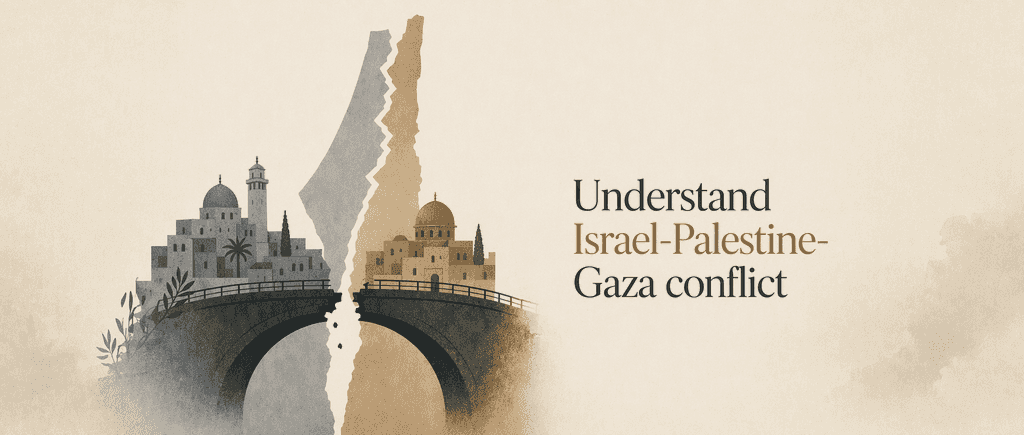
『The seventh million』の概要
Tom Segev's controversial masterpiece reveals how the Holocaust shaped Israel's identity through newly declassified documents. First to expose secret Nazi reparation negotiations and survivor treatment, it challenges conventional narratives, sparking fierce debate among historians. How does trauma become national identity?
- How Israel's early leadership viewed Holocaust survivors through a Zionist ideological lens
- Why the Eichmann trial transformed Israeli society's confrontation with Holocaust trauma
- The complex debate over German reparations and Israeli national identity reconstruction
- How Holocaust memory became weaponized in Israeli political discourse during the 1980s
- Why pre-state Zionist organizations couldn't effectively rescue European Jews from Nazism
- How Israeli education systems initially framed Holocaust victims as passive "lambs"
- The psychological toll of suppressing Holocaust memories on survivor children in Israel
- Why British Mandate policies shaped Zionist priorities over European Jewish rescue efforts
- How Israel's 1967 victory intertwined Holocaust trauma with territorial expansion debates
- Tom Segev's revelation of suppressed Holocaust survivor testimonies in early state archives
- The Seventh Million's analysis of national myths versus historical realities in Israel
- How Holocaust remembrance shifted from private grief to public political instrument
『The seventh million』の著者について
Tom Segev, acclaimed Israeli historian and author of The Seventh Million: The Israelis and the Holocaust, is a leading figure among Israel’s New Historians, known for his critical yet nuanced examinations of the nation’s complex past.
Born in Jerusalem in 1945 to German-Jewish refugees, Segev combines rigorous archival research with journalistic clarity, honed through decades as a columnist for Haaretz.
His works, including One Palestine, Complete (winner of the National Jewish Book Award) and 1967: Israel, the War, and the Year That Transformed the Middle East, explore themes of identity, conflict, and memory. The Seventh Million, praised by Elie Wiesel as a seminal exploration of the Holocaust’s impact on Israeli society, established Segev’s reputation for challenging historical narratives.
His biography A State at Any Cost: The Life of David Ben-Gurion further solidified his authority in modern Middle Eastern history. Segev’s books, translated into 14 languages, are celebrated for bridging academic scholarship and public discourse, offering fresh perspectives on Israel’s formative struggles and contradictions.
『The seventh million』に関するよくある質問
What is The Seventh Million: The Israelis and the Holocaust about?
The Seventh Million by Tom Segev examines how the Holocaust shaped Israel’s national identity, politics, and societal attitudes. It traces the Jewish leadership’s struggles during the British Mandate to rescue European Jews, postwar perceptions of survivors as “lambs led to slaughter,” and the political instrumentalization of Holocaust memory in later decades. The book highlights pivotal moments like the Eichmann trial and German reparations negotiations.
Who should read The Seventh Million?
This book is essential for historians, students of Israeli society, and readers interested in Holocaust studies. It appeals to those exploring how trauma influences national identity, policymakers analyzing historical memory, and anyone seeking a critical perspective on Zionism’s intersection with Holocaust narratives.
Is The Seventh Million worth reading?
Yes—it’s praised for its rigorous research, nuanced analysis, and accessibility. Awarded a National Jewish Book Award and lauded by Elie Wiesel, it offers a groundbreaking critique of Israel’s Holocaust discourse while humanizing survivor experiences. Critics note its unflinching examination of political exploitation of trauma.
What are the main arguments in The Seventh Million?
Segev argues that Israel’s early leadership marginalized Holocaust survivors, viewing them as passive victims, until the Eichmann trial reframed their stories as resistance. He critiques how postwar politics weaponized Holocaust memory to justify military actions and national policies, such as sidelining survivor testimonies until the 1960s.
How does The Seventh Million address the Eichmann trial?
The trial is depicted as a turning point that forced Israel to confront survivor narratives publicly. Segev shows how it shifted perceptions from shame to valorization of resistance, catalyzing national debates about accountability and Jewish agency during the Holocaust.
What does The Seventh Million reveal about Holocaust survivors in Israel?
Survivors faced pressure to assimilate silently, with children encouraged to “forget” their trauma. Many were stigmatized as symbols of weakness until the Eichmann trial reshaped their status. Segev highlights the psychological toll of this erasure and later attempts at reparations.
How does Segev critique Israel’s use of Holocaust memory?
He documents how politicians in the 1970s–1980s co-opted Holocaust imagery to justify military actions and settlement policies. This manipulation, Segev argues, distorted historical lessons and deepened societal divisions.
What role did German reparations play in Israeli society?
Reparations sparked fierce debates, with critics likening acceptance to “blood money.” Segev details how negotiations exposed tensions between economic pragmatism and moral objections, ultimately reshaping Israel’s relationship with postwar Germany.
What are key quotes from The Seventh Million?
Elie Wiesel praised it as “a masterpiece of historical reconstruction.” The book also references survivors being told to “bury their past” and politicians declaring, “The Holocaust is ours to wield as a shield.”
How does The Seventh Million compare to Segev’s other works?
Like One Palestine, Complete and 1967, it combines archival rigor with narrative flair. However, this book uniquely centers Holocaust memory rather than geopolitical events, offering a cultural counterpart to his political histories.
What criticisms exist about The Seventh Million?
Some accuse Segev of overemphasizing Israeli leadership’s failures toward survivors and downplaying early rescue efforts. Others argue his focus on political exploitation oversimplifies complex societal attitudes.
Why is The Seventh Million relevant today?
Its themes—exploitation of collective trauma, immigration ethics, and national identity crises—resonate amid modern debates about conflict, memory, and human rights. The book remains a cautionary tale about history’s politicization.
著者の声を通じて本を感じる
知識を魅力的で例が豊富な洞察に変換
キーアイデアを瞬時にキャプチャして素早く学習
楽しく魅力的な方法で本を楽しむ
『The seventh million』の登場人物
- Tom SegevAuthor and historian exploring Israeli identity
- Yehiel De-NurHolocaust survivor and writer known as Ka-Tzetnik
- David Ben-GurionZionist leader who prioritized rescue and immigration
- Jan BastiaansProfessor who treated survivors with LSD therapy
- Berl KatznelsonLabor Zionist leader who questioned integration
『The seventh million』の主要テーマ
- israeli national identity
- holocaust collective memory
- zionist political pragmatism
- german jewish immigration
- post-war social integration
『The seventh million』の名言
Auschwitz was not on another planet but in this world; it was the work of man.
Hitler's policy puts the entire Jewish people in danger.
The streets are paved with more money than we have ever dreamed of.
To a large extent we are the yishuv.
あなたに合った学び方を探す
 クイックサマリーモード
『The seventh million』の要約を10分で読む・聴く
『The seventh million』の核心的なアイデアを分かりやすいポイントに分解し、革新的なチームがどのように創造、協力、成長するかを理解します。

 エンタメモード
『The seventh million』のレッスンを22分のストーリーで
鮮やかなストーリーテリングを通じて『The seventh million』を体験し、イノベーションのレッスンを記憶に残り、応用できる瞬間に変えます。
 パーソナライズモード
The seventh millionを自分の学習スタイルで体験
何でも質問し、学習スタイルを選び、自分に本当に響くインサイトを一緒に作れます。
"Instead of endless scrolling, I just hit play on BeFreed. It saves me so much time."


"I never knew where to start with nonfiction—BeFreed’s book lists turned into podcasts gave me a clear path."


"Perfect balance between learning and entertainment. Finished ‘Thinking, Fast and Slow’ on my commute this week."
"Crazy how much I learned while walking the dog. BeFreed = small habits → big gains."
"Reading used to feel like a chore. Now it’s just part of my lifestyle."

"Feels effortless compared to reading. I’ve finished 6 books this month already."
"BeFreed turned my guilty doomscrolling into something that feels productive and inspiring."

"BeFreed turned my commute into learning time. 20-min podcasts are perfect for finishing books I never had time for."
"BeFreed replaced my podcast queue. Imagine Spotify for books — that’s it. 🙌"

"It is great for me to learn something from the book without reading it."
"The themed book list podcasts help me connect ideas across authors—like a guided audio journey."
"Makes me feel smarter every time before going to work"
"Instead of endless scrolling, I just hit play on BeFreed. It saves me so much time."
"I never knew where to start with nonfiction—BeFreed’s book lists turned into podcasts gave me a clear path."
"Perfect balance between learning and entertainment. Finished ‘Thinking, Fast and Slow’ on my commute this week."
"Crazy how much I learned while walking the dog. BeFreed = small habits → big gains."
"Reading used to feel like a chore. Now it’s just part of my lifestyle."
"Feels effortless compared to reading. I’ve finished 6 books this month already."
"BeFreed turned my guilty doomscrolling into something that feels productive and inspiring."
"BeFreed turned my commute into learning time. 20-min podcasts are perfect for finishing books I never had time for."
"BeFreed replaced my podcast queue. Imagine Spotify for books — that’s it. 🙌"
"It is great for me to learn something from the book without reading it."
"The themed book list podcasts help me connect ideas across authors—like a guided audio journey."
"Makes me feel smarter every time before going to work"
"Instead of endless scrolling, I just hit play on BeFreed. It saves me so much time."
"I never knew where to start with nonfiction—BeFreed’s book lists turned into podcasts gave me a clear path."
"Perfect balance between learning and entertainment. Finished ‘Thinking, Fast and Slow’ on my commute this week."
"Crazy how much I learned while walking the dog. BeFreed = small habits → big gains."
"Reading used to feel like a chore. Now it’s just part of my lifestyle."
"Feels effortless compared to reading. I’ve finished 6 books this month already."
"BeFreed turned my guilty doomscrolling into something that feels productive and inspiring."
"BeFreed turned my commute into learning time. 20-min podcasts are perfect for finishing books I never had time for."
"BeFreed replaced my podcast queue. Imagine Spotify for books — that’s it. 🙌"
"It is great for me to learn something from the book without reading it."
"The themed book list podcasts help me connect ideas across authors—like a guided audio journey."
"Makes me feel smarter every time before going to work"
"Instead of endless scrolling, I just hit play on BeFreed. It saves me so much time."
"I never knew where to start with nonfiction—BeFreed’s book lists turned into podcasts gave me a clear path."
"Perfect balance between learning and entertainment. Finished ‘Thinking, Fast and Slow’ on my commute this week."
"Crazy how much I learned while walking the dog. BeFreed = small habits → big gains."
"Reading used to feel like a chore. Now it’s just part of my lifestyle."
"Feels effortless compared to reading. I’ve finished 6 books this month already."
"BeFreed turned my guilty doomscrolling into something that feels productive and inspiring."
"BeFreed turned my commute into learning time. 20-min podcasts are perfect for finishing books I never had time for."
"BeFreed replaced my podcast queue. Imagine Spotify for books — that’s it. 🙌"
"It is great for me to learn something from the book without reading it."
"The themed book list podcasts help me connect ideas across authors—like a guided audio journey."
"Makes me feel smarter every time before going to work"

The seventh millionの要約をダウンロード
The seventh millionの要約をPDFまたはEPUBで無料でダウンロード。印刷やオフラインでいつでもお読みいただけます。