第1章
Love's Neurological Dance: Where Science Meets Passion
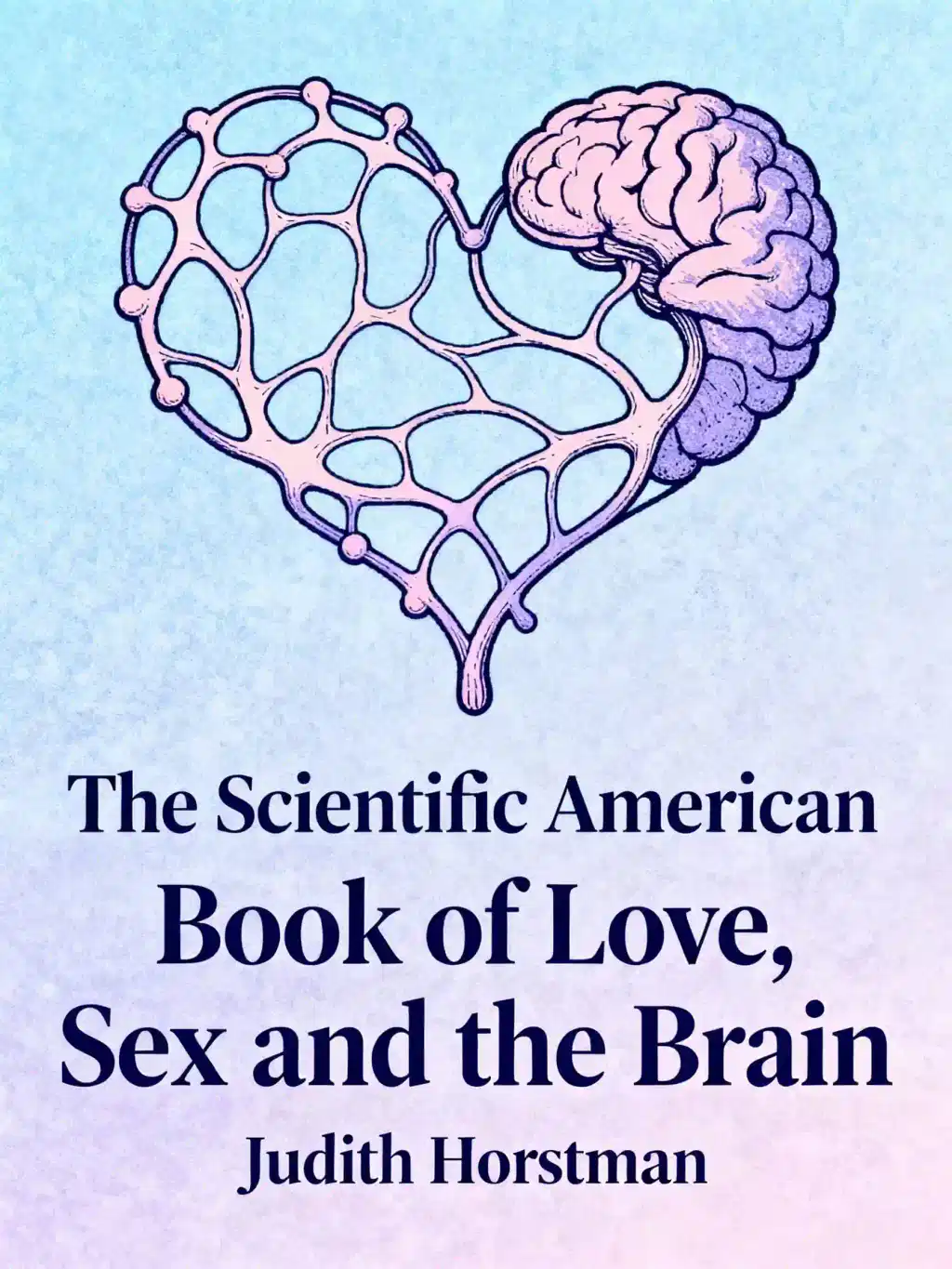
When Harry met Sally, it wasn't just their hearts that fluttered-it was their ventral tegmental areas lighting up like fireworks on the Fourth of July. The Scientific American Book of Love, Sex, and the Brain by Judith Horstman has become something of a cultural phenomenon since its publication, cited by relationship therapists and neuroscientists alike. This groundbreaking work, which Oprah once called "the relationship book that actually explains why we do what we do," reveals how our three-pound universe of neurons orchestrates everything from first kisses to lasting marriages. Far from reducing love to mere chemical reactions, Horstman's exploration elevates our understanding of love by revealing its profound biological importance. As neurologist Oliver Sacks noted, "Understanding the brain mechanisms of love doesn't diminish its magic any more than knowing how a piano works diminishes the beauty of Chopin."
第2章
Hardwired for Connection: The Neurobiology of Attachment
Our need for love isn't merely emotional-it's biological. Loneliness ranks among the top causes of death, comparable to smoking and alcohol consumption, and exceeding obesity in its health impact. Research shows that chronic loneliness increases mortality risk by 26%, while raising cortisol levels and inflammatory markers throughout the body. This isn't poetic exaggeration but scientific fact. The brain processes love as a fundamental drive similar to hunger or thirst, using ancient neural pathways that evolved to ensure survival through social bonding and cooperative behavior.
These pathways begin developing before birth, with fetuses responding to their mother's voice and emotional states through hormonal signals. Our capacity for attachment forms in the womb and continues developing through our earliest interactions with caregivers. By three months, infants can distinguish their primary caregivers and show preferential responses to familiar faces. The brain's mirror neuron system, discovered accidentally by Italian researchers studying monkeys in the 1990s, provides the neurological foundation for empathy and connection. These specialized neurons fire both when we perform an action and when we observe others performing the same action-literally allowing us to experience what others feel.
Humans possess more mirror neurons than other primates, distributed across brain regions governing movement, perception, language, and emotional understanding. Found primarily in the premotor cortex, inferior parietal cortex, and superior temporal sulcus, these neural networks explain why we wince when seeing others in pain, why yawns and laughter are contagious, and how long-term partners seem to read each other's minds. Mirror neurons facilitate empathy, imitation, and learning-fundamental components of human connection. Studies show that individuals with stronger mirror neuron activity typically display greater emotional intelligence and social competence.
However, mirror neurons don't always serve us well. They can reinforce harmful behaviors when we're exposed to violence or pornography. Studies suggest violent video games create neuronal associations between pleasure and inflicting harm, with measurable changes in brain activity after just 30 minutes of exposure. French researchers demonstrated this by monitoring men's brains while viewing pornography-activity in mirror neuron regions predicted the magnitude of sexual arousal. These findings suggest our brains don't fully distinguish between witnessing and performing actions, making us vulnerable to influences we might consciously reject. This mechanism explains why exposure to violence or aggressive behavior can increase aggressive tendencies, even in individuals who intellectually oppose violence.
The chemistry of love involves over a hundred hormones and neurochemicals working in complex feedback loops. Lust runs on testosterone (in both sexes), norepinephrine delivers that heart-racing excitement, and dopamine provides an addictive high rivaling heroin. Brain scans show that the early stages of romantic love activate the same reward pathways as cocaine addiction. Lasting attachment comes from gentler neurochemicals-primarily oxytocin, the "cuddle hormone," which fosters trust and bonding. Released during childbirth, breastfeeding, and orgasm, it creates attachment between mothers and infants, and between lovers. Recent studies have shown that even simple acts like hugging or holding hands can trigger oxytocin release, explaining why physical touch is so crucial for emotional well-being and relationship maintenance.
第3章
The Parental Blueprint: How Early Love Shapes Adult Relationships
Our earliest experiences of love profoundly shape our adult relationships. These formative attachments begin not with childhood crushes but with our parents-our first and most influential lovers. The foundations of our capacity to give and receive love are laid during our earliest years, starting at conception when specific genetic material combines, continuing through prenatal development under maternal hormonal influence, and crystallizing in our first conscious experiences of connection after birth.
The specific sperm that fertilizes the egg determines gender, while the combined genetic material influences fundamental aspects of how we'll experience love. The DRD4 gene correlates with risk-taking behaviors including casual sex, while other genes link to anxiety and depression that can hinder relationships. Prenatal hormones further shape sexual development, calibrating both physical characteristics and orientation preferences.
After birth, the consistency of parental attention directly impacts oxytocin production, affecting our lifelong ability to form attachments. Even breastfeeding shows measurable effects, with imaging studies revealing heightened limbic system activity in nursing mothers responding to their babies' signals.
The foundation of love begins with that first locked gaze between mother and infant. Though scientists don't fully understand the neurological mechanisms, mirror neurons play a crucial role as babies mimic facial expressions almost from birth. This deep gazing helps mothers excel at interpreting their babies' emotions before they can speak, creating a profound emotional synchronicity.
Brain imaging reveals what happens when mothers view their babies' facial expressions. When mothers see their own infants' happy faces, reward centers light up dramatically-including the ventral tegmental area, substantia nigra, and striatum-creating a uniquely pleasurable neural response. The maternal bond creates an imprint in the brain that lasts a lifetime. Even adults in their mid-thirties show stronger neural responses to their mothers' faces than to any other image-including fathers, celebrities, or strangers.
Parenting transforms not just children's brains but parents' brains as well. During pregnancy, a mother's brain undergoes dramatic restructuring as self-focused neural circuitry shifts toward caregiving priorities. Neurons in the medial preoptic area grow substantially during late pregnancy, preparing for appropriate responses to infant needs. The hippocampus develops increased dendritic spine density, enhancing memory and spatial navigation.
Fatherhood is no longer viewed as second-string parenting. Research reveals that paternal involvement creates profound neurological changes in both father and infant brains. Studies with mice show fathers who remain in the nest develop new neurons in their olfactory bulb and hippocampus. The hormone prolactin regulates these new brain cells in fathers.
第4章
His Brain, Her Brain: Gender Differences in Love and Desire
While research confirms anatomical, functional, and chemical differences between male and female brains, newer studies suggest these differences may be less significant than previously thought. As recently as the nineteenth century, scientists claimed women's smaller brains proved intellectual inferiority. Today we know women's brains are proportionally sized to their bodies, not related to intellect.
Scientists agree anatomical, chemical, and functional brain differences exist between men and women, though their behavioral impact may be overstated. Men have larger amygdalas (potentially explaining fight-or-flight responses), while women have larger hippocampi (possibly aiding memory and spatial mapping). Female brains feature symmetrical hemispheres with more gray matter, while male brains have more connecting white matter tissue.
Male and female brains behave differently during love and sex. When men view their beloved, they show activity in visual regions and areas associated with sexual arousal, while women display more activity in areas linked to motivation, pleasure, and memory retrieval. During orgasm, both genders experience reduced amygdala activity, but women's brains show unique areas of complete silence, suggesting they must "turn off" their inner sentry to achieve climax.
While men and women do exhibit psychological differences supported by neuroanatomical findings, these biological differences don't mean they're unchangeable or hardwired. Individual gender traits-preferences in clothing, careers, hobbies, and interpersonal styles-are inevitably shaped by both rearing and experience, as well as biological sex. The brain's plasticity means that even biological differences remain subject to environmental influence and personal development.
Popular assumptions about male and female brains deserve scientific scrutiny. Men do exhibit more physical aggression across cultures and age groups, with differences peaking between ages twenty and thirty. Testosterone plays a significant role, as evidenced by studies showing that even female hyenas with higher testosterone than males display more aggression.
Contrary to stereotypes, women exhibit roughly equal rates of violence within relationships, with some studies suggesting women's rates of physical aggression are slightly higher. However, women suffer nearly two-thirds of injuries in domestic disputes due to men's greater physical strength.
Brain scan research increasingly confirms that sexual orientation isn't a choice but something influenced by genetics and prenatal factors. Studies from the Stockholm Brain Institute reveal that gay men's brains resemble straight women's brains in key structural ways, while lesbian brains share similarities with heterosexual men's brains.
第5章
Romance, Desire, and the Brain in Love
Romantic love-passionate, sexual, all-consuming-shakes us to our core. We burn with desire, ache with longing, and crave our beloved above all else, often neglecting sleep and food in our obsession. This universal human experience has been documented in writings thousands of years old, suggesting its fundamental nature.
Love and sex do more than make us feel euphoric-they're physiologically beneficial. Sex lowers blood pressure, reducing heart attack and stroke risk, while regular intimacy can even stimulate neurogenesis (brain cell creation). Interestingly, love and sex affect cognition differently: love primes creative thinking and global processing, while sexual thoughts enhance analytical thinking and detail focus.
The same brain regions activated by heroin and music light up during love and sexual excitement-our reward system delivers intense pleasure as an evolutionary tool encouraging reproduction. Researchers have found that early romantic love isn't merely an emotion but a motivational state, driving us to focus intensely on our beloved.
Our choice of romantic partners follows complex patterns guided by what psychologist John Money called "love maps"-personalized blueprints of our ideal mate including physical preferences and personality traits. These aren't innate but develop over time. Many theories suggest we choose partners who mirror our relationship with parents, share our attachment styles, or possess qualities we lack.
Sexual arousal biology is nearly universal across mammals, with sight and smell being our primary triggers before touch. Visual cues help us determine attraction in less than a second-researchers Ortigue and Bianchi-Demicheli found we can tell in just a fifth of a second whether we desire someone.
Scent rivals visual stimulation in sexual arousal, connecting directly to our emotional brain rather than reasoning centers. Through smell, we unconsciously assess others' likability, attractiveness, emotional state, and genetic compatibility. We can distinguish stranger from friend, male from female, and even sexual orientation through scent.
Kissing creates an intimate exchange of scents, tastes, textures, and emotions that triggers cascades of neural messages and chemicals. Our lips, having the thinnest skin and densest sensory neurons of any body part, send powerful signals through five cranial nerves to the brain. Research by Gallup found that 59% of men and 66% of women have ended potential relationships after a first kiss felt wrong-suggesting kisses convey crucial subconscious information about compatibility.
第6章
The Neuroscience of Friendship and Social Connection
Friendship, though often overshadowed by romantic love, may be the most meaningful type of love after maternal bonds. Unlike romance, friendship forgives trespasses, doesn't demand exclusivity, and often deepens with age. Research shows close friendships protect health, happiness, and brain function.
Despite our natural social needs and the proliferation of online connections, true friendship appears endangered. Studies reveal that 25% of Americans have no close confidants, and the average number of confidants has dropped from four to two. More people than ever report having no one to confide in-a threefold increase in twenty years.
Chronic loneliness is a hunger that refuses to be fed. Our brains evolved to connect deeply with others, with social structures developing alongside our neural and hormonal mechanisms. When this connection fails, we fall into isolation spirals that damage health. A staggering 60 million Americans suffer from this hidden epidemic.
Lonely people become hypersensitive to social cues yet struggle to read them accurately, perceiving others as threatening while simultaneously becoming more vulnerable to mistreatment. This psychological state triggers physiological changes-UCLA researchers found loneliness alters gene activity, increasing inflammation markers while reducing antibody production and antiviral responses.
Having friends might soon be your doctor's prescription: "Find two more friends and call me in the morning." Research consistently shows that social relationships dramatically improve longevity-a meta-analysis found social support increases survival by approximately 50%. Having complex social networks boosted survival rates by an astonishing 91%. The health benefit equals quitting a fifteen-cigarette-a-day habit and exceeds the benefits of exercise or maintaining healthy weight.
When real social connections aren't available, parasocial relationships-one-sided connections with fictional characters or celebrities-can temporarily ease loneliness. Research confirms this "social surrogacy hypothesis," showing people are more likely to watch favorite TV shows when feeling lonely. These parasocial bonds can temporarily replace troubled real relationships and buffer against threats to self-esteem and rejection.
Virtual social networking occupies a middle ground between parasocial relationships and face-to-face connections. If Facebook were a country, it would rank fourth globally in population, with social networking growing three times faster than overall internet use. These platforms can both alleviate and intensify loneliness depending on usage patterns.
第7章
Marriage, Monogamy, and Lasting Love
Marriage benefits our brains and bodies in numerous ways. About 94% of Americans marry at least once by age 65, with research showing that committed relationships lower stress hormones, improve health outcomes, and increase longevity-particularly for men. The quality of marriage matters, with even "good enough" marriages providing protection against illness and premature death, while negative relationships can eliminate these health benefits.
Being in a committed relationship lowers stress hormone levels. University of Chicago researchers found that during stressful situations, paired individuals showed lower cortisol spikes than singles, with mated men also experiencing reduced testosterone levels associated with aggression. Another study revealed that couples tend to share stress levels, but those in highly satisfactory marriages are less affected by their partner's negative moods.
Despite high failure rates in American marriages, research reveals specific factors that build lasting relationships. Studies of arranged marriages, which often grow in love over time, highlight commitment, communication, accommodation, and vulnerability as essential elements. Scientific research identifies several key bonding mechanisms: shared arousal through novel experiences and adventure heightens emotional connection; proximity and familiarity foster intimacy; similarity in background and intelligence creates stronger bonds; humor and laughter create vulnerability; self-disclosure and secret-sharing deepen connection; kindness, accommodation, and forgiveness strengthen bonds; physical touch produces positive feelings; and commitment provides the foundation for enduring love.
Monogamy is rare in the mammal world, with only 3-5% of species mating for life, raising questions about humans' natural tendencies. Researchers studying prairie voles-one of the few monogamous mammals-discovered that their pair-bonding behavior stems from oxytocin and vasopressin receptors concentrated in brain regions that make monogamy rewarding through dopamine release.
Surprisingly, simple boredom may be the greatest threat to long-term relationships. A 16-year study of 123 couples revealed that those reporting boredom at year 7 showed decreased marital satisfaction by year 16. The key finding: boredom reduces closeness, which causes dissatisfaction. Rather than just eliminating negatives, researchers suggest actively enhancing positives and introducing novelty to fuel excitement.
Contrary to assumptions that passionate love inevitably fades, brain scans of people married an average of 21 years who claimed to be "still madly in love" revealed intense activity in the ventral tegmental area-the same dopamine-releasing region active in new relationships. These long-term lovers also showed activity in the ventral pallidum (associated with attachment in monogamous prairie voles) and the raphe nucleus (producing calming serotonin).
第8章
When Love Hurts: The Neurobiology of Heartbreak
When love ends-through rejection, betrayal, or death-both emotional and physical pain follow. Rejection triggers powerful neurobiological responses that Helen Fisher describes in two stages: the "protest stage," characterized by obsessive attempts to win back the lover with heightened dopamine and norepinephrine activity creating frantic alertness, including behaviors like repeatedly checking phones, stalking social media, and making impulsive contact attempts; and the "resignation/despair" stage marked by helplessness and profound melancholy, often accompanied by disrupted sleep patterns, loss of appetite, and social withdrawal.
Brain scans of people still heartsick over lost love reveal a neurological storm: reward centers remain active when viewing the former lover's image, but additional regions governing obsessive-compulsive behaviors, anger, stress, and addiction also activate. The anterior cingulate cortex, insula, and prefrontal cortex show particularly intense activity. This mixed neural signature explains the torrent of emotions rejected lovers experience-lingering love alongside agitation, anger, and despair. Studies show this neural activity pattern closely resembles that of cocaine addicts experiencing cravings.
Terms like "heartache" and "gut wrenching" aren't mere metaphors-emotional pain activates the same brain regions as physical pain. The hypothalamus links emotional distress to physical sensations through the autonomic nervous system and vagus nerve, which connects the brain to organs in the chest and abdomen. This connection explains common physical symptoms of heartbreak: chest tightness, stomach pain, loss of appetite, and even immune system suppression.
The "widowhood effect"-where surviving spouses die shortly after their partners-has been scientifically verified through multiple studies. A Scottish Longitudinal Study of over 116,000 married individuals found 40% of widowers and 26% of widows died soon after losing their spouse, with some deaths occurring within days or even on the same day. The risk is highest in the first three months following the loss, with cardiovascular disease being the leading cause.
Broken heart syndrome-officially called stress cardiomyopathy-can indeed be life-threatening. It mimics a massive heart attack when adrenaline and stress hormones literally stun the heart following extreme emotional trauma like losing a loved one. The left ventricle temporarily balloons and weakens, creating symptoms identical to a heart attack. Postmenopausal women around age sixty are most vulnerable, especially those with particular heart muscle weaknesses. While usually temporary, about 2% of cases prove fatal.
Social and physical pain share neurological wiring, particularly in the anterior cingulate cortex-which explains why rejection physically hurts. Research by C. Nathan DeWall showed acetaminophen (Tylenol) can actually reduce feelings of social rejection. In his study, participants taking acetaminophen showed decreased activity in brain regions associated with social and physical pain when experiencing rejection compared to those taking placebos. This finding has led to broader research into the overlap between physical and emotional pain pathways, suggesting potential new therapeutic approaches for treating emotional trauma.
Recent studies have also identified elevated levels of inflammatory markers in people experiencing romantic rejection, suggesting heartbreak can trigger a broader stress response throughout the body. This systemic inflammation may contribute to the increased health risks observed during periods of grief and loss, including compromised immune function and increased susceptibility to illness.
第9章
Love in the Future: Technology, Spirituality, and Evolution
Does the human brain have an innate capacity for religious experience and divine connection? Nearly every civilization throughout history has worshiped some supernatural power, from ancient polytheistic societies to modern monotheistic religions. The concept of a supreme being in most religions speaks of our love of God and God's love for the world, suggesting a deeply rooted human need for spiritual connection. Using fMRI and other sophisticated tools of modern neuroscience in the emerging discipline of neurotheology, researchers are attempting to discover what happens in the brain during prayer, meditation, and mystical experiences.
Brain regions associated with romantic and even erotic love consistently activate during spiritual activities. Jefferson University neuroscientist Andrew Newberg scanned the brains of praying nuns and meditating Buddhist monks, finding remarkable overlap between their neural activity and sexually aroused subjects. The anterior cingulate, the caudate nucleus, and other regions linked to pleasure and attachment light up in both scenarios. Religious experiences produce sensations of bliss and unity with the loved one similar to orgasm, perhaps explaining why mystics like Saint Teresa of Avila and Saint John of the Cross often described their raptures with intensely romantic and even erotic language. This neurological connection between spiritual and sexual ecstasy suggests these experiences may share evolutionary origins.
In less than a century, our relationship with sex and love has transformed dramatically through technological innovation. Technology has definitively separated sex from reproduction through various forms of contraception and created new procreation options like in vitro fertilization, egg and sperm donation, and surrogate motherhood. We've developed medications for erectile dysfunction like Viagra and drugs targeting female desire, while simultaneously creating numerous ways to engage sexually without physical contact. These developments have fundamentally altered how we think about intimacy and reproduction.
Human inventiveness has created an expanding universe of ways to connect sexually without physical contact. Beyond traditional phone sex and social media platforms like Facebook, we now have sophisticated video chat services like Skype for real-time visual interaction, sexting via mobile phones, and increasingly immersive virtual sex through customizable avatars. An estimated 100 million users worldwide populate online virtual communities like SecondLife.com, where digital avatars can meet, talk, cuddle, and engage in simulated sex. Virtual reality technology promises even more intimate digital experiences in the future.
While technology offers ever-more sophisticated means of sexual expression and connection, the fundamental nature of love seems remarkably resistant to change. Though lust may be exercised through various tools and technologies, and we might find different objects for our affection (robots, avatars, fictional characters), the core emotions of love remain stable across time and culture. The tender feelings portrayed in ancient writings like the Song of Solomon or Greek love poetry still perfectly describe our emotions today. Despite our increasing digital immersion, most people still strongly prefer warm, face-to-face relationships over purely virtual ones, and remain deeply captivated by stories of romance and true love across all cultures. This suggests that while the methods of expressing love may evolve, the essential human need for authentic emotional connection endures.