
Most Good You Can Do: How Effective Altruism Is Changing Ideas About Living Ethically

『Most Good You Can Do』の概要
Peter Singer's radical challenge to traditional charity: can calculated giving save more lives? Praised by Nicholas Kristof as "powerful, provocative, and basically right," this manifesto sparked global debate on "earning to give" - turning high incomes into maximum impact where it matters most.
- Effective altruism uses evidence to maximize global good through rational giving
- Donate 10%+ income to cost-effective charities for measurable poverty reduction
- "Earning to give" careers fund lifesaving interventions more than direct service
- Singer's moral math: Prevent suffering efficiently using disability-adjusted life years
- Effective altruists prioritize global health over local feel-good charity projects
- Singer's "giving pledge" scales donations with income for sustainable impact
- Counterintuitive truth: Strategic generosity increases life satisfaction more than consumption
- Effective altruism rejects emotional giving for data-driven cause prioritization
- Peter Singer redefines ethics as measurable harm reduction through resource allocation
- Kidney donors exemplify radical effective altruism through literal life-saving sacrifice
- Singer proves $4k malaria prevention creates 30+ years of healthy life
- Effective altruism movement combines moral philosophy with startup impact evaluation tactics
『Most Good You Can Do』の著者について
Peter Singer, author of The Most Good You Can Do: How Effective Altruism is Changing Ideas About Living Ethically, is an Australian-American moral philosopher and founding figure of the effective altruism movement. He is a professor of bioethics at Princeton University and laureate professor at the University of Melbourne.
Singer’s work bridges academic rigor and practical ethics, focusing on rational philanthropy, global poverty, and animal rights. His seminal works include Animal Liberation (1975), which sparked the modern animal rights movement, and Practical Ethics (1979), a cornerstone of contemporary ethical theory.
Singer’s advocacy for systemic change through evidence-based giving is amplified by his nonprofit The Life You Can Save, which promotes efficient charitable giving. A Companion of the Order of Australia and recipient of the Berggruen Prize for Philosophy and Culture, his ideas shape global debates on morality and public policy. The Most Good You Can Do has been translated into over 20 languages and serves as a foundational text for effective altruism organizations worldwide, including Giving What We Can, which Singer advises.
『Most Good You Can Do』に関するよくある質問
What is The Most Good You Can Do about?
The Most Good You Can Do by Peter Singer explores the philosophy of "effective altruism," arguing that individuals should use evidence and reason to maximize the positive impact of their charitable giving. Singer advocates for donating to high-impact causes, prioritizing measurable outcomes over emotional appeals, and addresses ethical dilemmas like whether curing blindness outweighs feeding the starving.
Who should read The Most Good You Can Do?
This book is ideal for philanthropists, ethicists, and socially conscious readers seeking actionable strategies to align their donations with global problem-solving. It’s particularly relevant for those interested in utilitarianism, animal rights, or poverty alleviation, and anyone questioning how to optimize their charitable contributions.
Is The Most Good You Can Do worth reading?
Yes, Singer’s rigorous analysis and real-world case studies provide a compelling framework for ethical decision-making. While the book challenges readers to confront difficult moral trade-offs, its data-driven approach makes it invaluable for those committed to impactful giving.
What is effective altruism, according to Peter Singer?
Effective altruism combines empathy with rational analysis to identify the most impactful ways to reduce suffering. Singer emphasizes donating to organizations proven to save lives per dollar spent, such as those combating malaria or neglected tropical diseases, rather than supporting locally familiar causes.
How does The Most Good You Can Do suggest choosing charities?
Singer advises prioritizing charities with transparent metrics, scalability, and underrepresented causes. Examples include the Against Malaria Foundation (cost-effective bed nets) and GiveDirectly (direct cash transfers), which have demonstrable success rates.
What are the main criticisms of effective altruism?
Critics argue effective altruism oversimplifies complex social issues, neglects systemic change, and may undervalue cultural or artistic causes. Others question its emphasis on quantifiable outcomes over emotional connections to local communities.
How does The Most Good You Can Do apply to career choices?
Singer encourages "earning to give"—pursuing high-paying careers to fund impactful donations. He cites examples like Wall Street professionals donating millions annually to effective charities, though this approach remains controversial.
What quotes define The Most Good You Can Do?
Key quotes include:
- “Effective altruism is about doing good better.”
- “The way you spend your money could mean the difference between life and death.” These highlight Singer’s focus on intentional, life-saving philanthropy.
How does Singer’s The Most Good You Can Do compare to Animal Liberation?
While Animal Liberation focuses on ethical treatment of non-human animals, The Most Good You Can Do broadens Singer’s utilitarianism to human welfare. Both stress rational altruism but differ in scope—one targets specific suffering, the other global impact.
Why is The Most Good You Can Do relevant in 2025?
Amid climate crises, AI ethics debates, and global inequality, Singer’s framework helps donors navigate complex priorities. The rise of impact metrics and blockchain-based transparency tools now operationalize his ideas at scale.
What frameworks does Singer provide for ethical giving?
Singer outlines a 4-step process:
- Assess causes by scale, neglect, and solvability.
- Compare cost-effectiveness across charities.
- Calculate personal earning potential for donations.
- Commit to lifelong, evidence-based philanthropy.
Are there secular alternatives to Singer’s effective altruism?
Yes, approaches like "Effective Altruism Lite" blend Singer’s principles with local giving, while Buddhist-inspired models emphasize compassion without strict utilitarianism. Singer critiques these as less impactful but acknowledges their motivational value.
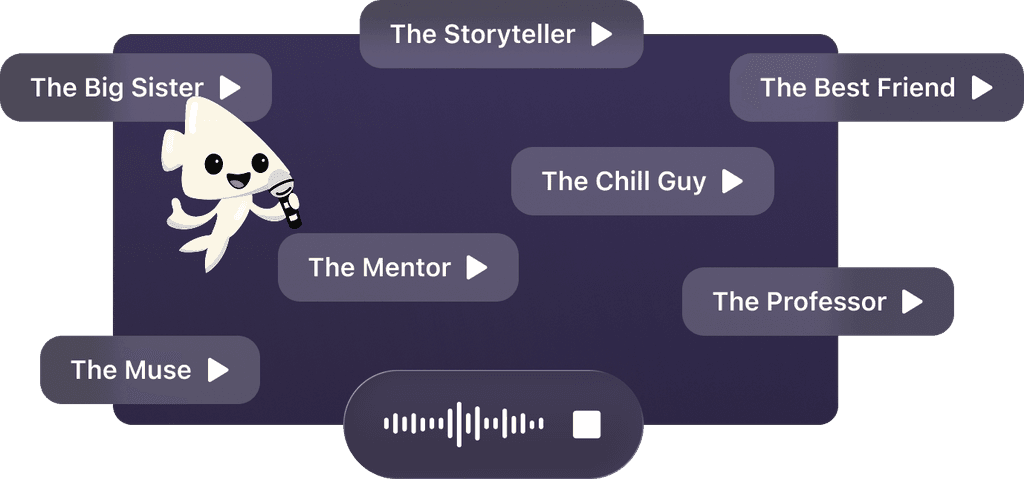
著者の声を通じて本を感じる
知識を魅力的で例が豊富な洞察に変換
キーアイデアを瞬時にキャプチャして素早く学習
楽しく魅力的な方法で本を楽しむ
『Most Good You Can Do』の登場人物
- Peter SingerAuthor and philosopher who founded the movement
- Zell KravinskyDonor who gave away his fortune and a kidney
- Julia WiseBlogger who practices strategic generosity
- Toby OrdOxford philosopher and Giving What We Can founder
- Holden KarnofskyCo-founder of the charity evaluator GiveWell
『Most Good You Can Do』の主要テーマ
- effective altruism
- evidence-based giving
- utilitarian ethics
- strategic philanthropy
- impact maximization
『Most Good You Can Do』の名言
Effective altruism is based on a very simple idea: that we should do the most good we can.
Living a minimally acceptable ethical life involves using a substantial part of our spare resources to make the world a better place.
If it is in our power to prevent something bad from happening, without thereby sacrificing anything of comparable moral importance, we ought, morally, to do it.
We need people who can walk cheerfully over the world.
あなたに合った学び方を探す
 クイックサマリーモード
『Most Good You Can Do』の要約を8分で読む・聴く
『Most Good You Can Do』の核心的なアイデアを分かりやすいポイントに分解し、革新的なチームがどのように創造、協力、成長するかを理解します。

 エンタメモード
『Most Good You Can Do』のレッスンを20分のストーリーで
鮮やかなストーリーテリングを通じて『Most Good You Can Do』を体験し、イノベーションのレッスンを記憶に残り、応用できる瞬間に変えます。
 パーソナライズモード
Most Good You Can Doを自分の学習スタイルで体験
何でも質問し、学習スタイルを選び、自分に本当に響くインサイトを一緒に作れます。
"Instead of endless scrolling, I just hit play on BeFreed. It saves me so much time."


"I never knew where to start with nonfiction—BeFreed’s book lists turned into podcasts gave me a clear path."


"Perfect balance between learning and entertainment. Finished ‘Thinking, Fast and Slow’ on my commute this week."
"Crazy how much I learned while walking the dog. BeFreed = small habits → big gains."
"Reading used to feel like a chore. Now it’s just part of my lifestyle."

"Feels effortless compared to reading. I’ve finished 6 books this month already."
"BeFreed turned my guilty doomscrolling into something that feels productive and inspiring."

"BeFreed turned my commute into learning time. 20-min podcasts are perfect for finishing books I never had time for."
"BeFreed replaced my podcast queue. Imagine Spotify for books — that’s it. 🙌"

"It is great for me to learn something from the book without reading it."
"The themed book list podcasts help me connect ideas across authors—like a guided audio journey."
"Makes me feel smarter every time before going to work"
"Instead of endless scrolling, I just hit play on BeFreed. It saves me so much time."
"I never knew where to start with nonfiction—BeFreed’s book lists turned into podcasts gave me a clear path."
"Perfect balance between learning and entertainment. Finished ‘Thinking, Fast and Slow’ on my commute this week."
"Crazy how much I learned while walking the dog. BeFreed = small habits → big gains."
"Reading used to feel like a chore. Now it’s just part of my lifestyle."
"Feels effortless compared to reading. I’ve finished 6 books this month already."
"BeFreed turned my guilty doomscrolling into something that feels productive and inspiring."
"BeFreed turned my commute into learning time. 20-min podcasts are perfect for finishing books I never had time for."
"BeFreed replaced my podcast queue. Imagine Spotify for books — that’s it. 🙌"
"It is great for me to learn something from the book without reading it."
"The themed book list podcasts help me connect ideas across authors—like a guided audio journey."
"Makes me feel smarter every time before going to work"
"Instead of endless scrolling, I just hit play on BeFreed. It saves me so much time."
"I never knew where to start with nonfiction—BeFreed’s book lists turned into podcasts gave me a clear path."
"Perfect balance between learning and entertainment. Finished ‘Thinking, Fast and Slow’ on my commute this week."
"Crazy how much I learned while walking the dog. BeFreed = small habits → big gains."
"Reading used to feel like a chore. Now it’s just part of my lifestyle."
"Feels effortless compared to reading. I’ve finished 6 books this month already."
"BeFreed turned my guilty doomscrolling into something that feels productive and inspiring."
"BeFreed turned my commute into learning time. 20-min podcasts are perfect for finishing books I never had time for."
"BeFreed replaced my podcast queue. Imagine Spotify for books — that’s it. 🙌"
"It is great for me to learn something from the book without reading it."
"The themed book list podcasts help me connect ideas across authors—like a guided audio journey."
"Makes me feel smarter every time before going to work"
"Instead of endless scrolling, I just hit play on BeFreed. It saves me so much time."
"I never knew where to start with nonfiction—BeFreed’s book lists turned into podcasts gave me a clear path."
"Perfect balance between learning and entertainment. Finished ‘Thinking, Fast and Slow’ on my commute this week."
"Crazy how much I learned while walking the dog. BeFreed = small habits → big gains."
"Reading used to feel like a chore. Now it’s just part of my lifestyle."
"Feels effortless compared to reading. I’ve finished 6 books this month already."
"BeFreed turned my guilty doomscrolling into something that feels productive and inspiring."
"BeFreed turned my commute into learning time. 20-min podcasts are perfect for finishing books I never had time for."
"BeFreed replaced my podcast queue. Imagine Spotify for books — that’s it. 🙌"
"It is great for me to learn something from the book without reading it."
"The themed book list podcasts help me connect ideas across authors—like a guided audio journey."
"Makes me feel smarter every time before going to work"

Most Good You Can Doの要約をダウンロード
Most Good You Can Doの要約をPDFまたはEPUBで無料でダウンロード。印刷やオフラインでいつでもお読みいただけます。


