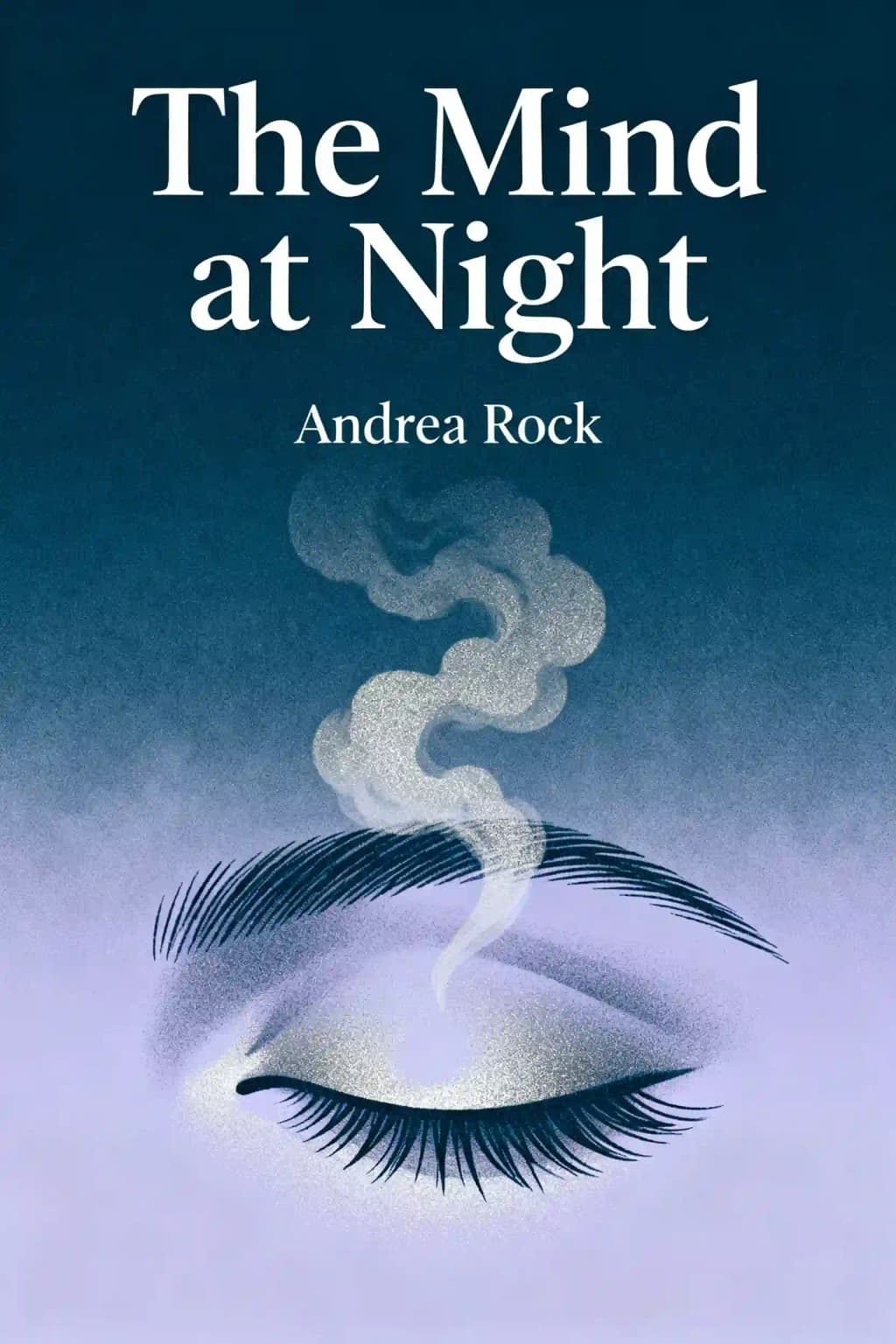
Unlock the enigma of your unconscious mind in Andrea Rock's scientific exploration of dreams. Award-winning science reporter reveals how nightly brain activity influences memory, emotions, and health - a vital resource for understanding why your sleeping hours might be more productive than waking ones.
著者の声を通じて本を感じる
知識を魅力的で例が豊富な洞察に変換
キーアイデアを瞬時にキャプチャして素早く学習
楽しく魅力的な方法で本を楽しむ
What if I told you that every night, while you're completely unaware, your brain is running a parallel universe-complete with characters, plot twists, and emotional drama that would make Hollywood jealous? In 1951, a broke graduate student named Eugene Aserinsky wired his eight-year-old son with electrodes and stumbled upon one of the most profound discoveries in neuroscience: our sleeping brains aren't resting at all. They're throwing elaborate performances we call dreams. Using a rescued polygraph from a dusty basement, Aserinsky watched in astonishment as his son's brain waves suddenly shifted from the slow rhythm of sleep to sharp, frantic patterns that looked almost identical to waking consciousness. When he gently woke the boy during these episodes, his son vividly described dreams he was having. This wasn't just sleep-this was the brain on a secret mission. That discovery shattered everything scientists thought they knew about the sleeping mind and launched a scientific revolution that continues today. Think of sleep as a five-act play that repeats throughout the night. We drift from relaxed alpha waves into hypnagogic imagery-those strange, fleeting visions as we fall asleep. Then comes light sleep, followed by the deep delta waves where our bodies do their heaviest repair work. But the real magic happens in the fifth act: REM sleep, when our eyes dart frantically beneath closed lids and our brains light up like Times Square on New Year's Eve. This cycle repeats roughly every ninety minutes, with REM periods growing longer as morning approaches. By dawn, we're spending more time in vivid dreamland than in deep restoration. Here's what makes REM sleep so bizarre: your brain is essentially awake, but your body is paralyzed. Evolution built this safety mechanism so you don't act out your dreams-imagine the chaos if you physically ran from that dream tiger. Research across species reveals that REM sleep exists in mammals and some birds but not reptiles, suggesting it evolved relatively recently in evolutionary terms. A newborn spends half their sleep in REM, perhaps building the neural scaffolding they'll need for consciousness. By age four, this stabilizes to about 20-25% of sleep, where it remains for most of life.
『The Mind at Night』の核心的なアイデアを分かりやすいポイントに分解し、革新的なチームがどのように創造、協力、成長するかを理解します。
『The Mind at Night』を素早い記憶のヒントに凝縮し、率直さ、チームワーク、創造的な回復力の主要原則を強調します。
鮮やかなストーリーテリングを通じて『The Mind at Night』を体験し、イノベーションのレッスンを記憶に残り、応用できる瞬間に変えます。
何でも質問し、声を選び、本当にあなたに響く洞察を一緒に作り出しましょう。

"Instead of endless scrolling, I just hit play on BeFreed. It saves me so much time."
"I never knew where to start with nonfiction—BeFreed’s book lists turned into podcasts gave me a clear path."
"Perfect balance between learning and entertainment. Finished ‘Thinking, Fast and Slow’ on my commute this week."
"Crazy how much I learned while walking the dog. BeFreed = small habits → big gains."
"Reading used to feel like a chore. Now it’s just part of my lifestyle."
"Feels effortless compared to reading. I’ve finished 6 books this month already."
"BeFreed turned my guilty doomscrolling into something that feels productive and inspiring."
"BeFreed turned my commute into learning time. 20-min podcasts are perfect for finishing books I never had time for."
"BeFreed replaced my podcast queue. Imagine Spotify for books — that’s it. 🙌"
"It is great for me to learn something from the book without reading it."
"The themed book list podcasts help me connect ideas across authors—like a guided audio journey."
"Makes me feel smarter every time before going to work"

The Mind at Nightの要約をPDFまたはEPUBで無料でダウンロード。印刷やオフラインでいつでもお読みいただけます。