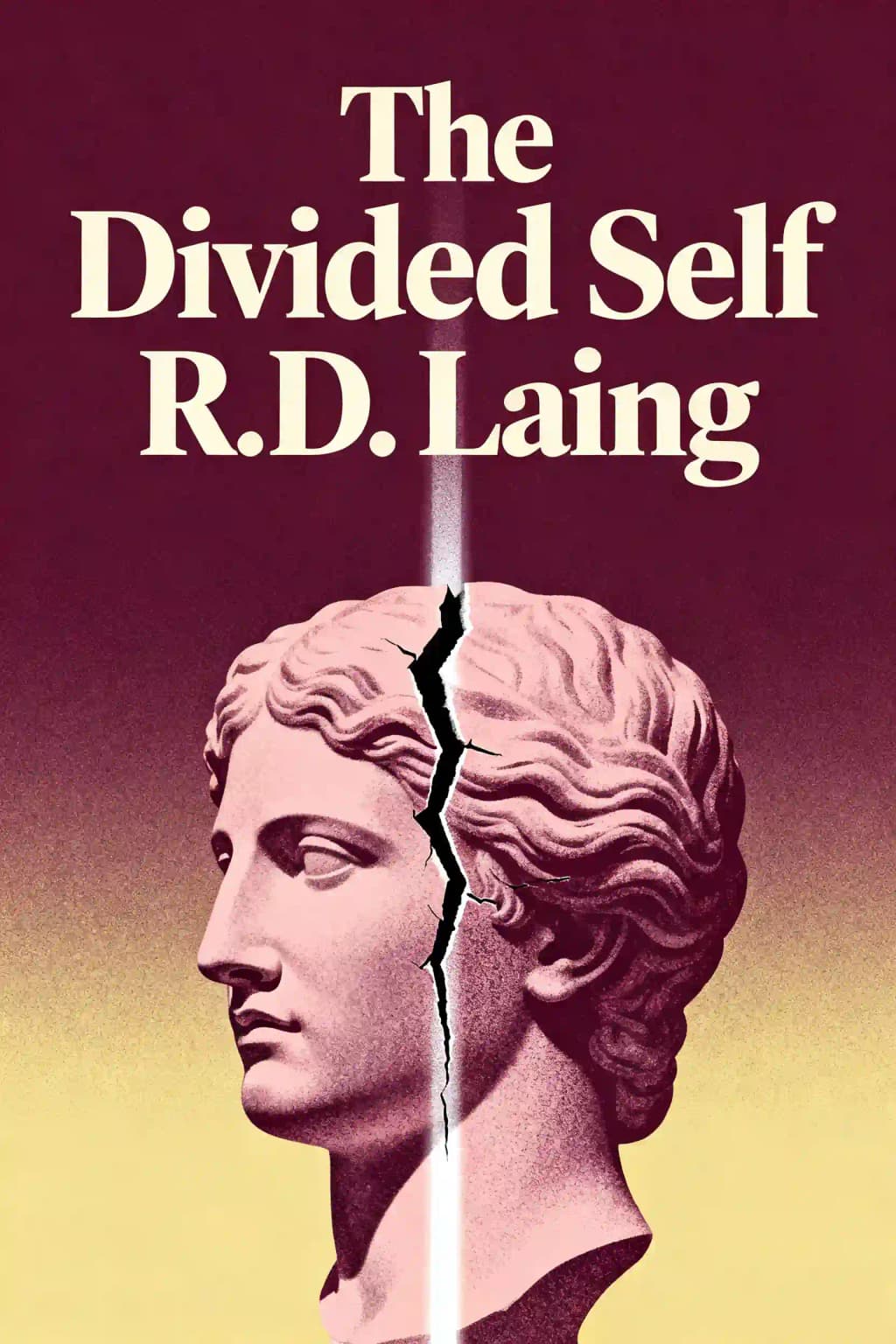
Laing's revolutionary 1960 classic reframes madness as a rational response to an insane world. The inspiration behind "One Flew Over the Cuckoo's Nest," this 30-year-old psychiatrist's manifesto sparked the anti-psychiatry movement by asking: What if our "sanity" is actually our greatest lie?
著者の声を通じて本を感じる
知識を魅力的で例が豊富な洞察に変換
キーアイデアを瞬時にキャプチャして素早く学習
楽しく魅力的な方法で本を楽しむ
The paradox of human existence is that our relatedness to others is as essential as our separateness, though no particular person is necessary to our being.
『The Divided Self』の核心的なアイデアを分かりやすいポイントに分解し、革新的なチームがどのように創造、協力、成長するかを理解します。
『The Divided Self』を素早い記憶のヒントに凝縮し、率直さ、チームワーク、創造的な回復力の主要原則を強調します。

鮮やかなストーリーテリングを通じて『The Divided Self』を体験し、イノベーションのレッスンを記憶に残り、応用できる瞬間に変えます。
何でも質問し、声を選び、本当にあなたに響く洞察を一緒に作り出しましょう。

"Instead of endless scrolling, I just hit play on BeFreed. It saves me so much time."
"I never knew where to start with nonfiction—BeFreed’s book lists turned into podcasts gave me a clear path."
"Perfect balance between learning and entertainment. Finished ‘Thinking, Fast and Slow’ on my commute this week."
"Crazy how much I learned while walking the dog. BeFreed = small habits → big gains."
"Reading used to feel like a chore. Now it’s just part of my lifestyle."
"Feels effortless compared to reading. I’ve finished 6 books this month already."
"BeFreed turned my guilty doomscrolling into something that feels productive and inspiring."
"BeFreed turned my commute into learning time. 20-min podcasts are perfect for finishing books I never had time for."
"BeFreed replaced my podcast queue. Imagine Spotify for books — that’s it. 🙌"
"It is great for me to learn something from the book without reading it."
"The themed book list podcasts help me connect ideas across authors—like a guided audio journey."
"Makes me feel smarter every time before going to work"

The Divided Selfの要約をPDFまたはEPUBで無料でダウンロード。印刷やオフラインでいつでもお読みいただけます。
When we meet another person, we can perceive them in two fundamentally different ways: as a fellow human being with hopes, fears, and dreams-or as merely a complex biological organism. This distinction lies at the heart of R.D. Laing's groundbreaking work. In 1960s psychiatric circles dominated by clinical detachment, Laing dared to suggest something revolutionary-that to understand mental illness, particularly schizophrenia, we must first understand the patient's subjective experience of their world. What if madness isn't simply a collection of symptoms but an intelligible response to unbearable circumstances? What if psychosis represents not a break from reality but a desperate attempt to preserve a threatened sense of self?