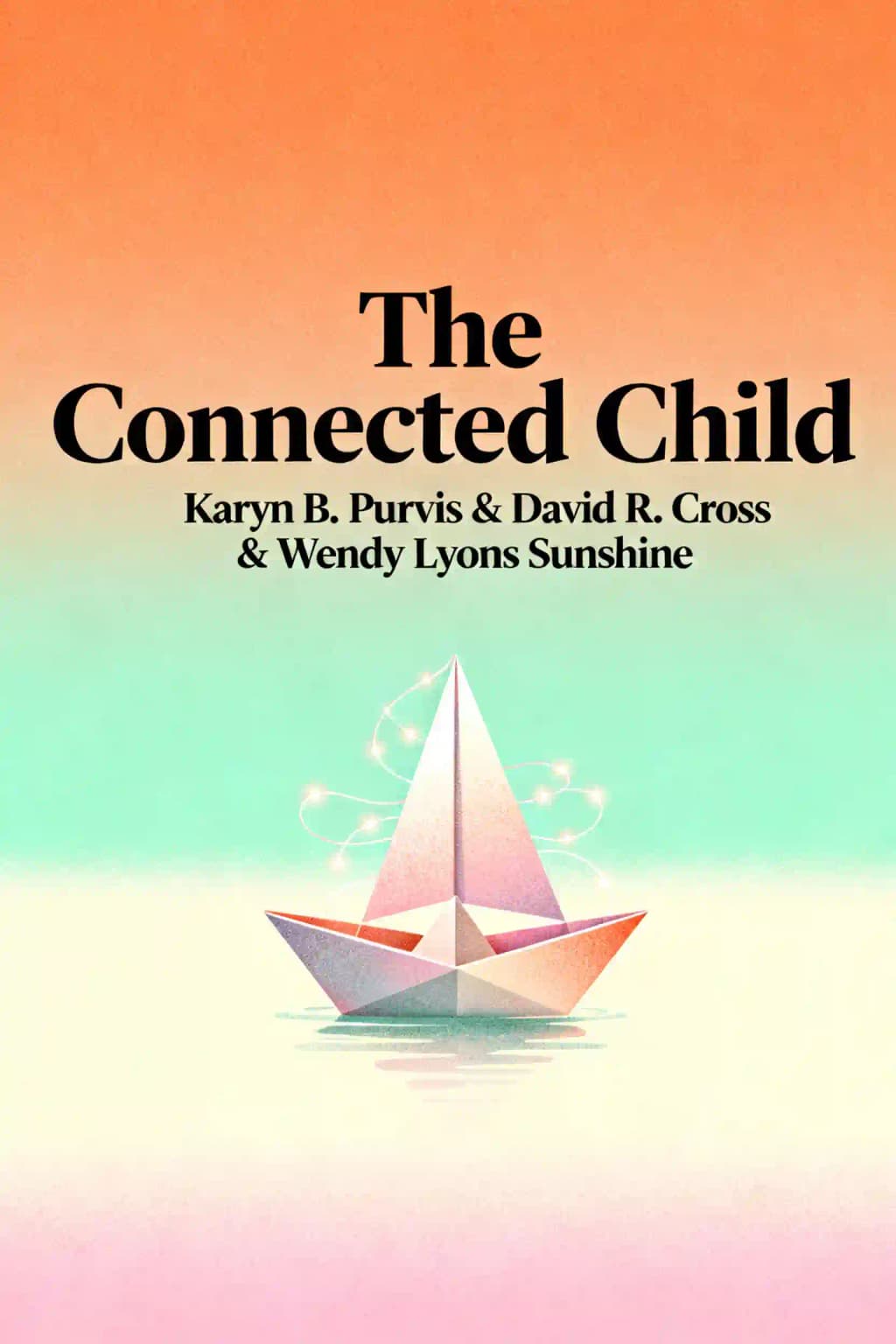
The Connected Child
Bring hope and healing to your adoptive family
『The Connected Child』の概要
Discover how to heal wounded hearts in "The Connected Child," the groundbreaking guide transforming adoption and foster care. Dr. Purvis's trauma-informed approach has revolutionized parenting practices worldwide, challenging traditional discipline methods while offering practical strategies that build genuine emotional connections where fear once ruled.

『The Connected Child』の主要テーマ
- trust based relational intervention
- trauma informed parenting
- felt safety
- sensory processing disorder
- attachment repair
『The Connected Child』の名言
Children from hard places need connection even before they need correction.
Behavior is communication.
Children who act out appear strong but are surprisingly fragile inside.
Compassion must be our guide.
Play is a safe route to a harmed child's heart.
『The Connected Child』の登場人物
- Karyn B. PurvisLead author and expert in child development
- David R. CrossCo-author and researcher in child psychology
- Wendy Lyons SunshineCo-author and writer specializing in family issues
- DonnieEight-year-old case study exhibiting defiance
- JaneySix-year-old case study with food-related trauma
著者について
『The Connected Child』の著者について
Karyn B. Purvis, David R. Cross, and Wendy Lyons Sunshine, authors of The Connected Child: Bring Hope and Healing to Your Adoptive Family, are renowned experts in child development, trauma recovery, and attachment-focused parenting.
Purvis, a developmental psychologist and former director of Texas Christian University’s Institute of Child Development, pioneered research on trust-based relational interventions for children from hard places. Cross, a psychology professor and associate director at the same institute, contributed decades of clinical expertise in behavioral neuroscience. Sunshine, an award-winning journalist, translates their research into accessible strategies.
Their collaborative work blends scientific rigor with practical guidance, addressing themes of sensory processing, emotional bonding, and trauma-informed care. Purvis also led the Adoption Project and Hope Connection camp, programs aiding adoptive families.
The book, a cornerstone in adoption literature, is widely endorsed by child welfare professionals and recommended by organizations like the Evan B. Donaldson Adoption Institute. It has become essential reading for foster and adoptive parents globally, praised for its compassionate, evidence-based approach to healing developmental gaps.
The Connected Childの要約をダウンロード
The Connected Childの要約をPDFまたはEPUBで無料でダウンロード。印刷やオフラインでいつでもお読みいただけます。
この本に関するよくある質問
The Connected Child provides evidence-based strategies to help children recover from trauma, neglect, or abuse through trust-building and attachment-focused parenting. Dr. Karyn Purvis emphasizes creating sensory-rich environments, disarming fear responses, and teaching social skills using methods like compromise and “re-dos.” The book’s Trust-Based Relational Intervention (TBRI) framework prioritizes emotional safety and connection to heal “children from hard places.”
This book is essential for adoptive/foster parents, caregivers, and professionals supporting children with traumatic histories. It’s also valuable for educators, therapists, or anyone seeking trauma-informed tools to address behavioral challenges, rebuild trust, and nurture healthy emotional development.
Key concepts include:
- Connection over correction: Prioritize emotional bonds before addressing behavior.
- TBRI principles: Empower caregivers to disarm fear, establish respectful authority, and teach life skills.
- Trauma-informed strategies: Use compromise, “good words,” and sensory activities to regulate stress responses.
The book explains how early trauma rewires brain development, leading to hypervigilance and survival-mode behaviors. Purvis advocates calming fear through nurturing routines, attuned communication (“matching”), and predictable environments to rebuild neural pathways for trust and security.
- Re-dos: Let children practice positive behaviors after mistakes.
- Compromise: Teach negotiation skills while maintaining boundaries.
- Sensory engagement: Use play, music, or tactile activities to reduce anxiety.
- “Fear must be calmed through connection before addressing behaviors”
- “You cannot lead a child to healing if you don’t know the way yourself”
- “Start by journaling your child’s routines to identify triggers”
Unlike punitive methods, Purvis rejects shame-based discipline. Instead, TBRI focuses on identifying unmet needs behind behaviors, using playful engagement to strengthen bonds, and modeling respectful communication to teach self-regulation.
Some note the strategies require significant caregiver consistency and patience, which may challenge families in crisis. Critics also highlight the lack of immediate behavioral fixes, as TBRI’s relationship-focused approach demands long-term commitment.
It introduces TBRI, which is expanded in The Connected Parent (posthumously co-authored). Both books blend scientific research with practical examples, though the latter adds more parent testimonials and modern case studies.
With rising awareness of childhood trauma’s lifelong impacts, Purvis’ methods remain critical for foster/adoptive systems, schools, and mental health professionals. Its focus on neuroplasticity and attachment aligns with contemporary trauma-informed care trends.
TBRI is a holistic model combining:
- Empowering principles (meeting physical/emotional needs).
- Connecting strategies (building trust through attunement).
- Correcting techniques (teaching skills without shame).
Teachers can apply TBRI to de-escalate classroom meltdowns, foster peer connections, and support students with adverse childhood experiences. Techniques like “time-in” (staying present during distress) replace isolation-based discipline.