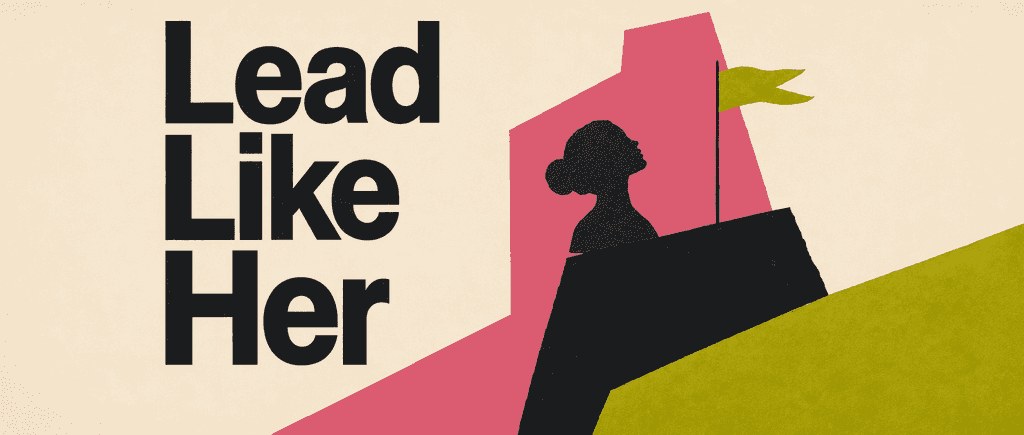
The Cinderella complex: women's hidden fear of independence

『The Cinderella complex』の概要
Colette Dowling's 1981 NYT bestseller exposes women's unconscious fear of independence. This feminist manifesto sparked countless personal transformations, with readers declaring "this book made me a feminist!" Studied alongside de Beauvoir's classics, it challenges the psychological chains still binding modern women.
- Colette Dowling’s Cinderella Complex reveals women’s unconscious fear of independence
- True empowerment requires dismantling childhood conditioning toward dependency and passivity
- The book links stalled careers to secret hopes for romantic rescue
- Women’s self-sabotage often stems from internalized “happily ever after” fantasies
- Emotional security cannot be achieved through financial dependence on partners
- Overcoming the complex demands confronting core beliefs about feminine weakness
- Societal narratives position marriage as achievement rather than mutual partnership
- The Cinderella paradox: seeking freedom through surrender creates deeper entrapment
- Healing requires separating inherited values from authentic personal aspirations
- Dowling argues dependency patterns manifest as workplace anxiety and perfectionism
- Building genuine autonomy involves risk-taking without safety-net fantasies
- The book redefines success as self-trust over external validation quests
『The Cinderella complex』の著者について
Colette Dowling, psychotherapist and bestselling author of The Cinderella Complex: Women’s Hidden Fear of Independence, is renowned for her groundbreaking exploration of gender psychology and women’s internalized fears of self-reliance. A New York-based clinician with a background in psychoanalysis, Dowling draws from her professional expertise and cultural observations to dissect societal expectations shaping women’s lives.
Her 1981 classic, blending feminist theory with psychological insight, spent 26 weeks on The New York Times bestseller list and has been translated into 26 languages, solidifying its status as a pivotal text in gender studies.
Dowling’s career spans decades of influential writing, including You Mean I Don’t Have to Feel This Way? on mental health and The Frailty Myth, which challenges stereotypes about physical limitations. Her articles have graced major publications like Harper’s and The New York Times Magazine, amplifying her voice in debates on autonomy and identity.
A Smith College-trained clinician, she merges academic rigor with accessible storytelling, offering frameworks that remain relevant in contemporary discussions about empowerment. The Cinderella Complex continues to inspire readers globally, with its enduring print run attesting to its cultural resonance.
『The Cinderella complex』に関するよくある質問
What is The Cinderella Complex by Colette Dowling about?
The Cinderella Complex explores women’s psychological barriers to independence, arguing that societal conditioning fosters a subconscious reliance on others for emotional and financial security. Colette Dowling blends personal anecdotes, case studies, and feminist theory to dissect how fear of autonomy limits women’s potential. The book became a cultural phenomenon in the 1980s for challenging traditional gender roles and sparking conversations about self-sufficiency.
Who should read The Cinderella Complex?
This book is ideal for readers interested in feminist psychology, gender studies, or self-help literature. It resonates with women navigating career transitions, relationship dynamics, or personal growth. Critics and supporters alike recommend it for its provocative insights into societal expectations, though its 1980s context may require modern readers to contextualize some arguments.
What are the main concepts in The Cinderella Complex?
Key ideas include:
- Hidden Fear of Independence: The unconscious belief that dependence on men guarantees safety.
- Social Conditioning: How upbringing and cultural norms reinforce passive behavior in women.
- Self-Sabotage: Patterns of avoiding success or responsibility to maintain dependency.
What famous quotes come from The Cinderella Complex?
Notable lines include:
- “We have only one real shot at liberation, and that is to emancipate ourselves from within.”
- “Women absorb blame as if they were born to be society’s doormats.” These quotes highlight Dowling’s focus on internalized barriers and societal accountability.
How does The Cinderella Complex critique traditional gender roles?
Dowling argues that patriarchal systems reward women for passivity, creating a “glass ceiling” of self-doubt. She critiques marriage and motherhood as institutions that perpetuate dependency, urging women to confront ingrained fears of autonomy. The book’s analysis of gendered socialization remains a cornerstone of its thesis.
What criticisms exist about The Cinderella Complex?
Critics argue the book oversimplifies women’s experiences, overlooks intersectional factors like race and class, and relies heavily on middle-class perspectives. Some note contradictions in Dowling’s own life choices, such as financial struggles later revealed in interviews.
How does The Cinderella Complex compare to The Feminine Mystique?
Both books address systemic oppression of women but differ in focus: Betty Friedan emphasizes societal structures, while Dowling prioritizes psychological barriers. The Cinderella Complex is often seen as a successor, extending Friedan’s ideas to interpersonal dynamics and self-perception.
Can The Cinderella Complex help with career challenges?
Yes. Dowling’s framework helps readers identify self-sabotaging behaviors like avoiding promotions or downplaying achievements. By addressing fear of success, the book offers strategies to build confidence and assertiveness in professional settings.
Why is The Cinderella Complex still relevant today?
While some examples feel dated, its core themes—like internalized dependence and societal expectations—remain pertinent. Modern readers apply its insights to discussions about work-life balance, emotional labor, and gender equality in relationships.
What are actionable takeaways from The Cinderella Complex?
- Acknowledge Dependency: Identify areas where fear of independence influences decisions.
- Challenge Conditioning: Actively question societal messages about femininity.
- Build Autonomy: Pursue financial and emotional self-reliance through incremental goals.
How does Colette Dowling’s background influence The Cinderella Complex?
As a psychotherapist and feminist writer, Dowling drew from clinical cases and 1970s–80s feminist movements. Her later work in psychoanalysis and addiction informed the book’s focus on subconscious behaviors and self-sabotage.
Are there modern books similar to The Cinderella Complex?
Fans may enjoy Lean In by Sheryl Sandberg (workplace empowerment) or Untamed by Glennon Doyle (self-liberation). These updates reframe Dowling’s ideas for contemporary audiences, emphasizing intersectionality and systemic change.
著者の声を通じて本を感じる
知識を魅力的で例が豊富な洞察に変換
キーアイデアを瞬時にキャプチャして素早く学習
楽しく魅力的な方法で本を楽しむ
『The Cinderella complex』の登場人物
- Colette DowlingAuthor and psychologist who identified the complex
- Princess DianaHistorical figure who struggled with independence
- Gloria SteinemFeminist leader who analyzed the book's impact
- Betty FriedanFeminist author who praised the book's insights
『The Cinderella complex』の主要テーマ
- female psychological dependency
- fear of independence
- internalized gender conditioning
- unconscious self-sabotage
- rescue fantasies
『The Cinderella complex』の名言
The Cinderella Complex is a network of largely repressed attitudes and fears that keeps women in a state of psychological dependence on men.
The wish to be saved may be the most important issue facing women today.
Women generally function well below their intellectual and creative capabilities.
Women often self-select into lower-paying, less challenging positions.
Women retreat from newfound freedom and career advancement opportunities.
あなたに合った学び方を探す
 クイックサマリーモード
『The Cinderella complex』の要約を8分で読む・聴く
『The Cinderella complex』の核心的なアイデアを分かりやすいポイントに分解し、革新的なチームがどのように創造、協力、成長するかを理解します。

 エンタメモード
『The Cinderella complex』のレッスンを23分のストーリーで
鮮やかなストーリーテリングを通じて『The Cinderella complex』を体験し、イノベーションのレッスンを記憶に残り、応用できる瞬間に変えます。
 パーソナライズモード
The Cinderella complexを自分の学習スタイルで体験
何でも質問し、学習スタイルを選び、自分に本当に響くインサイトを一緒に作れます。
"Instead of endless scrolling, I just hit play on BeFreed. It saves me so much time."


"I never knew where to start with nonfiction—BeFreed’s book lists turned into podcasts gave me a clear path."


"Perfect balance between learning and entertainment. Finished ‘Thinking, Fast and Slow’ on my commute this week."
"Crazy how much I learned while walking the dog. BeFreed = small habits → big gains."
"Reading used to feel like a chore. Now it’s just part of my lifestyle."

"Feels effortless compared to reading. I’ve finished 6 books this month already."
"BeFreed turned my guilty doomscrolling into something that feels productive and inspiring."

"BeFreed turned my commute into learning time. 20-min podcasts are perfect for finishing books I never had time for."
"BeFreed replaced my podcast queue. Imagine Spotify for books — that’s it. 🙌"

"It is great for me to learn something from the book without reading it."
"The themed book list podcasts help me connect ideas across authors—like a guided audio journey."
"Makes me feel smarter every time before going to work"
"Instead of endless scrolling, I just hit play on BeFreed. It saves me so much time."
"I never knew where to start with nonfiction—BeFreed’s book lists turned into podcasts gave me a clear path."
"Perfect balance between learning and entertainment. Finished ‘Thinking, Fast and Slow’ on my commute this week."
"Crazy how much I learned while walking the dog. BeFreed = small habits → big gains."
"Reading used to feel like a chore. Now it’s just part of my lifestyle."
"Feels effortless compared to reading. I’ve finished 6 books this month already."
"BeFreed turned my guilty doomscrolling into something that feels productive and inspiring."
"BeFreed turned my commute into learning time. 20-min podcasts are perfect for finishing books I never had time for."
"BeFreed replaced my podcast queue. Imagine Spotify for books — that’s it. 🙌"
"It is great for me to learn something from the book without reading it."
"The themed book list podcasts help me connect ideas across authors—like a guided audio journey."
"Makes me feel smarter every time before going to work"
"Instead of endless scrolling, I just hit play on BeFreed. It saves me so much time."
"I never knew where to start with nonfiction—BeFreed’s book lists turned into podcasts gave me a clear path."
"Perfect balance between learning and entertainment. Finished ‘Thinking, Fast and Slow’ on my commute this week."
"Crazy how much I learned while walking the dog. BeFreed = small habits → big gains."
"Reading used to feel like a chore. Now it’s just part of my lifestyle."
"Feels effortless compared to reading. I’ve finished 6 books this month already."
"BeFreed turned my guilty doomscrolling into something that feels productive and inspiring."
"BeFreed turned my commute into learning time. 20-min podcasts are perfect for finishing books I never had time for."
"BeFreed replaced my podcast queue. Imagine Spotify for books — that’s it. 🙌"
"It is great for me to learn something from the book without reading it."
"The themed book list podcasts help me connect ideas across authors—like a guided audio journey."
"Makes me feel smarter every time before going to work"
"Instead of endless scrolling, I just hit play on BeFreed. It saves me so much time."
"I never knew where to start with nonfiction—BeFreed’s book lists turned into podcasts gave me a clear path."
"Perfect balance between learning and entertainment. Finished ‘Thinking, Fast and Slow’ on my commute this week."
"Crazy how much I learned while walking the dog. BeFreed = small habits → big gains."
"Reading used to feel like a chore. Now it’s just part of my lifestyle."
"Feels effortless compared to reading. I’ve finished 6 books this month already."
"BeFreed turned my guilty doomscrolling into something that feels productive and inspiring."
"BeFreed turned my commute into learning time. 20-min podcasts are perfect for finishing books I never had time for."
"BeFreed replaced my podcast queue. Imagine Spotify for books — that’s it. 🙌"
"It is great for me to learn something from the book without reading it."
"The themed book list podcasts help me connect ideas across authors—like a guided audio journey."
"Makes me feel smarter every time before going to work"

The Cinderella complexの要約をダウンロード
The Cinderella complexの要約をPDFまたはEPUBで無料でダウンロード。印刷やオフラインでいつでもお読みいただけます。