第1章
The Immune System's Beautiful Complexity: A Revolution in Medicine
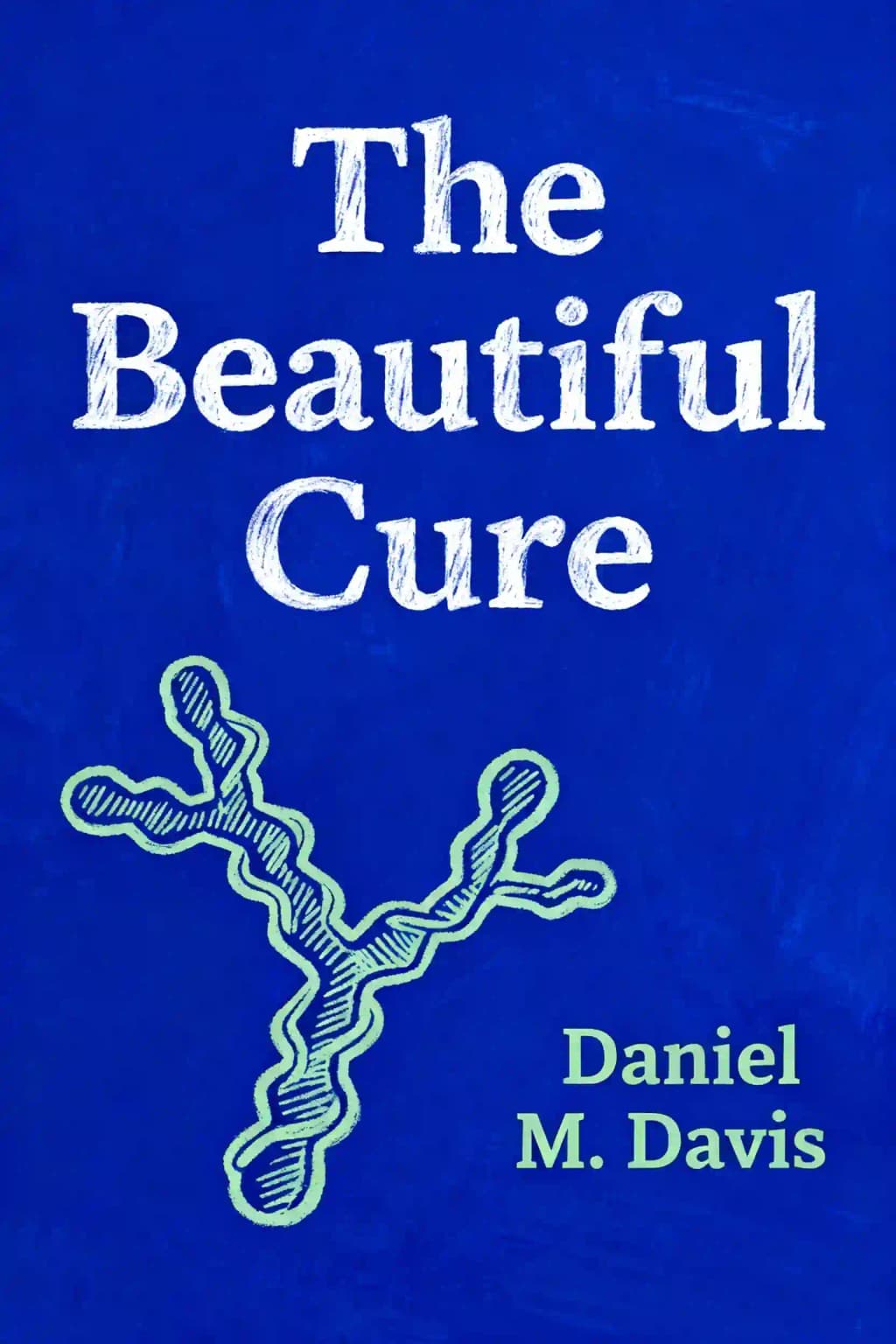
Did you know that your immune system makes more decisions in a single day than you will consciously make in your entire lifetime? This intricate defense network, which scientists once viewed as a simple security system, has revealed itself to be one of nature's most astonishing achievements-a complex, multilayered lattice of interlocking subsystems that exists in constant flux. In Daniel M. Davis's "The Beautiful Cure," we discover how our immunity is profoundly affected by stress, sleep, aging, and even our state of mind. This revolutionary understanding has transformed medicine, leading to breakthrough treatments for cancer, autoimmune diseases, and infections. The book has been hailed by Bill Bryson as "an inspirational book that not only reveals the 'secret life' of our bodies but also the incredible dedication and determination of scientists who work to understand it." As we explore the immune system's mysteries, we embark on one of humankind's greatest scientific adventures-a story of personal hardships, triumphs, and sacrifices by countless researchers contributing fragments to a magnificent whole.
第2章
The Dirty Little Secret That Changed Immunology
In 1989, immunologist Charles Janeway confronted what he called his field's "dirty little secret": vaccines only worked well with chemical additives called adjuvants, but nobody understood why. This mystery had roots stretching back to 1721, when the first recorded immunity clinical trial took place in England. Six condemned prisoners received smallpox inoculations, briefly fell ill, then recovered and received royal pardons. Though controversial and dangerous (with a 2% mortality rate), the practice gained prominence when the Prince and Princess of Wales had their daughters inoculated.
The true vaccination breakthrough came in 1796 when Edward Jenner used cowpox pus instead of smallpox for inoculation. After proving its effectiveness on eight-year-old James Phipps, Jenner published his findings independently after rejection by the Royal Society. His discovery eventually led to smallpox's global eradication by 1980-the only human disease ever completely eliminated.
By Janeway's time, scientists understood immunity as distinguishing "self" from "non-self" molecules but couldn't explain why isolated bacterial proteins made poor vaccines without adjuvants like aluminum salts. Janeway proposed a revolutionary idea: the immune system needs two signals to activate-not just detecting something foreign but specifically recognizing patterns unique to germs. This insight predicted the existence of pattern-recognition receptors that would specifically detect molecular signatures critical to microbial survival.
Though initially dismissed, Janeway's paper profoundly influenced Ruslan Medzhitov, a Moscow University student who encountered it in 1992 amid the Soviet Union's collapse. Despite limited resources-spending half his monthly stipend to photocopy Janeway's paper and communicating through restricted email-Medzhitov eventually secured a position in Janeway's Yale lab. Together, they validated Janeway's theories about innate immunity.
The final pieces fell into place when Jules Hoffmann showed that the toll gene was crucial for fruit fly immune defense against fungi, and Bruce Beutler identified that the human equivalent (TLR4) was responsible for detecting bacterial components-exactly the pattern-recognition receptor Janeway had predicted. These discoveries revealed how our immune system innately "sees" pathogens, earning Hoffmann and Beutler the 2011 Nobel Prize, though many felt Janeway (who died in 2003) and Medzhitov deserved equal recognition.
第3章
The Cellular Sentinels That Guard Our Bodies
Ralph Steinman tackled a fundamental immunology question: how does the body determine when and how strongly to mount an immune response? His investigation led to the monumental discovery of dendritic cells-unusual stellate, spiky-shaped cells with fine projections that constantly extended and retracted. These cells had actually been seen a century earlier by Paul Langerhans, who mistook them for nerve cells.
Despite potential "perceptual blindness" that might have caused him to overlook these cells, Steinman recognized their uniqueness. Using electron microscopes, he confirmed they were structurally distinct from known immune cells and named them "dendritic cells" after their tree-like branching projections. Though found throughout the body, they're relatively rare, making them challenging to isolate and study.
To isolate these cells, Steinman spent five years developing a complex centrifugation process, borrowing techniques from Christian de Duve who worked upstairs. The difficult procedure required multiple steps: first separating immune cells by density, then exploiting dendritic cells' tendency to stick to glass, followed by clumping other immune cells with red blood cells, and finally a second centrifugation. This technical challenge actually benefited Steinman by limiting competition from other researchers for about ten years.
Many scientists initially rejected Steinman's claims, believing he had merely rediscovered macrophages. Through persistent research and conference presentations, Steinman gradually convinced the scientific community that dendritic cells were unique. His student Michel Nussenzweig demonstrated that dendritic cells were extraordinarily potent at activating T cells-at least a hundred times better than macrophages.
Dendritic cells proved to be the critical link between innate and adaptive immunity. When pattern-recognition receptors detect pathogens, dendritic cells capture fragments of the invader and present them to T cells, essentially showing the adaptive immune system what to target. This discovery completed the picture of how our immune system coordinates its response to infections, with dendritic cells serving as the crucial decision-makers that determine whether and how strongly to activate our defenses.
第4章
The Molecular Messengers That Orchestrate Immunity
In summer 1956, Jean Lindenmann and Alick Isaacs discovered interferon-a protein that cells release when infected by viruses to warn neighboring cells. Their discovery faced skepticism, with critics dismissing it as "misinterpreton." Lindenmann's career suffered when his former boss claimed credit, while Isaacs faced intense pressure that contributed to his depression and early death at forty-five.
Despite early disappointments, interferon research gained new life when Ion Gresser discovered its cancer-fighting potential in mice. Finnish scientist Kari Cantell developed a method to produce interferon from human white blood cells, while Charles Weissmann proposed using genetic engineering to isolate the interferon gene and produce the protein in bulk.
Weissmann's team injected RNA into frogs' eggs, identified those producing interferon, then converted the RNA back to DNA. This interferon gene was inserted into bacteria to produce copious amounts of the protein. When they announced successful interferon production from genetically modified bacteria in 1980, pharmaceutical company Schering-Plough's stock jumped 20%.
Despite market excitement, interferon disappointed clinically, with only a small percentage of cancer patients showing partial tumor reduction. Scientists discovered multiple types of interferon and many similar protein molecules, collectively named cytokines-the immune system's hormones that shape responses to different threats.
Almost all human cells can detect invading microbes using pattern-recognition receptors and produce interferon in response. Interferon activates "interferon-stimulated genes" that help cells fight infections, especially viruses. Genetic variations in these genes explain why some people suffer more severely from infections like influenza.
Other cytokines regulate different aspects of immunity-IL-1 extends neutrophils' lifespan so they can continue trapping germs in DNA webs, IL-2 activates Natural Killer cells to hunt cancerous cells, while IL-10 dampens inflammation to prevent autoimmune reactions. This complex network of molecular messengers allows our immune system to coordinate responses across the entire body, ensuring that defenses are mobilized when needed and restrained when the threat has passed.
第5章
The Breakthrough That Transformed Autoimmune Treatment
Sir Marc Feldmann's breakthrough insight that autoimmune diseases might result from cytokines creating self-perpetuating inflammatory cycles led to a revolutionary treatment for rheumatoid arthritis. After initial laboratory success, James "Jim" Woody, Feldmann's former PhD student who had become Centocor's chief scientific officer, proved crucial in convincing the company to provide antibodies for clinical trials.
The first small trial in 1992 with just twenty patients showed dramatic improvements. Video footage of "patient eight" captured the remarkable transformation-from painfully climbing stairs to running down them with joy. Though patients relapsed after the initial treatment, subsequent doses again improved their conditions, proving the therapy wasn't a cure but could effectively manage symptoms.
Formal randomized trials confirmed that anti-TNF antibody reduced inflammatory cytokines and decreased immune cell infiltration in joints. The treatment worked best when combined with methotrexate, establishing an early example of effective "poly-pharmacy." While Centocor's initial sepsis treatment failed, their anti-TNF antibody (Remicade) became wildly successful, leading to Johnson & Johnson acquiring the company for $4.9 billion in 1999.
Despite being a British invention, the therapy was commercialized in America, with multiple companies developing TNF blockers. By 2012, anti-TNF therapies generated $9.3 billion annually. The treatment's success extended beyond arthritis to conditions like Crohn's disease, psoriasis, and ankylosing spondylitis, helping at least 1.8 million people worldwide.
The therapy's success wasn't without limitations: it weakens immune defenses against infections, doesn't help 40% of rheumatoid arthritis patients, and manages rather than cures the disease. Nevertheless, it demonstrated antibodies' potential as medicines, paving the way for other antibody therapies like rituximab, which targets B cells and has treated over 750,000 cancer patients while also helping arthritis patients who don't respond to anti-TNF therapy.
This breakthrough represents one of medicine's greatest recent achievements-turning the destructive power of autoimmunity back on itself by precisely targeting the specific molecules driving disease, rather than broadly suppressing the entire immune system. It exemplifies how understanding the immune system's intricate regulatory mechanisms can lead to treatments that work with our natural defenses rather than against them.
第6章
The Mind-Body Connection: How Emotions Shape Immunity
In 1996, as a physics PhD working in Jack Strominger's Harvard lab, Daniel Davis accidentally discovered that heating cancer cells to 41C made them more vulnerable to Natural Killer cells. Later research revealed why: heat induces cancer cells to display "stress-inducible proteins" on their surface, marking them for immune attack. This connection between heat and immunity isn't new-the 3,000-year-old Edwin Smith papyrus described using heat against breast cancer.
Fever itself represents a crucial evolutionary adaptation. Even cold-blooded animals seek warmer environments when infected, using similar biochemical pathways to those in humans. Fever helps fight infection by directly inhibiting pathogen replication while enhancing immune cell production, movement, and effectiveness. The process begins when pattern-recognition receptors detect pathogens, triggering cytokine release and prostaglandin E2 production, which act on the brain's hypothalamus to raise body temperature.
The hypothalamus, which controls hunger, thirst, sleep, and complex emotions, responds by triggering noradrenaline release, causing blood vessel constriction and activating brown fat cells to generate heat. This explains why illness affects our moods and behaviors-our immune system literally shapes our feelings through cytokine and hormone interactions.
The immune and nervous systems maintain constant dialogue through cytokines and hormones, with stress hormones having particularly profound effects on immunity. This connection led to one of medicine's greatest triumphs: the discovery of cortisone. In 1929, American physician Philip Hench noticed that patients with rheumatoid arthritis experienced relief during jaundice or pregnancy. After years of investigation with biochemist Edward Kendall, they tested "compound E" (cortisone) on a 29-year-old woman with debilitating arthritis. Two days later, she walked out of the hospital for a three-hour shopping spree.
Despite initial "miracle cure" headlines, cortisone proved to have significant side effects at high doses. However, its true medical legacy emerged when researchers discovered it could treat asthma at much lower doses. Today, cortisone derivatives-commonly called steroids-remain among the world's most prescribed medicines.
Prolonged stress weakens immunity through sustained cortisol elevation, reducing immune cells' ability to engulf pathogens, produce cytokines, or kill diseased cells. Studies show stressed individuals suffer worse viral infections, heal more slowly, and respond less effectively to vaccines. In controlled mouse studies, stressed mice show delayed immune responses to flu, with fewer immune cells reaching infected lungs and lower cytokine levels.
The stress-immunity link extends beyond mice to humans. Elderly caregivers for spouses with dementia show reduced flu vaccine responses, while HIV-positive men experiencing higher stress levels are two to three times more likely to develop AIDS. Among all lifestyle factors affecting immunity, stress has the strongest scientific backing.
第7章
Rhythms of Life: Time, Space, and Immune Function
Our bodies operate on a 24-hour rhythm established by Earth's rotation roughly 2.5 billion years ago. This circadian cycle governs countless biological processes, each with its own particular timing: deepest sleep at 2 a.m., lowest body temperature at 4:30 a.m., peak testosterone at 8:30 a.m., fastest reaction time at 3:30 p.m., and highest blood pressure at 6:30 p.m.
Animal studies reveal that immune responses vary dramatically by time of day. Mice (being nocturnal) mount stronger immune responses to bacterial infections during their rest period (daytime) than during their active period (night). Similarly, human immune function is generally stronger during our rest period at night.
This day-night immune variation stems partly from cortisol's daily fluctuation, remaining low during sleep. Blood composition also changes, with most immune cell types circulating in greater numbers at night, though some T cells actually peak during daytime. Rather than simply being "better" at night, our immune system exists in qualitatively different states depending on time of day.
Our bodies don't operate on a single timing system but rather multiple synchronized clocks. The master clock-roughly 20,000 nerve cells in the hypothalamus-conducts this orchestra but takes its cue from specialized cells in our eyes. Russell Foster discovered these cells in 1991, finding that even blind mice with non-functioning rods and cones could still regulate their body clock according to light cycles. While the hypothalamus clock serves as conductor, individual cells and tissues-even red blood cells without nuclei-maintain their own rhythms.
Space travel magnifies circadian disruption to extreme levels. On the International Space Station, astronauts experience 45 minutes of sunlight followed by 45 minutes of darkness as they orbit Earth at 17,000 mph. Most astronauts require sleep medication, and blood samples reveal profound immune system disarray-altered cell distribution, shifted activation thresholds, and decreased T cell responsiveness. While no astronaut has developed cancer or autoimmune disease in space, they commonly experience reactivation of dormant viruses that their disrupted immune systems can no longer control.
Understanding the body's daily rhythms creates opportunities for more effective medical treatments. For asthma patients, an inhaled steroid given once between 3-5:30pm proved comparable to taking the same medicine four times daily. Vaccination timing also shows promise-one study found stronger immune responses to hepatitis A and flu vaccines when administered in the morning versus afternoon, though interestingly only in men.
第8章
The Guardians: How Regulatory Cells Maintain Balance
Despite its seemingly simple mission of defending the body by attacking harmful invaders, the immune system is extraordinarily complex. This elaborate system sometimes fails, particularly in autoimmune diseases, which occur when the immune system attacks healthy cells. Over fifty different types of autoimmune diseases affect around 5% of people, with two-thirds being female. The counterintuitive concept that the body might attack itself represented a paradigm shift in medical understanding, only gaining widespread acceptance in the 1960s.
Shimon Sakaguchi's groundbreaking work revealed that certain immune cells actively prevent autoimmunity. When Ethan Shevach, once a vocal critic of suppressor T cells, repeated Sakaguchi's experiments and confirmed his findings, the scientific community finally accepted their existence. By 1998, both scientists demonstrated that these cells could suppress immune responses in laboratory cultures. Despite the evidence, it took until 2001-three decades after they were first proposed-for six different teams to identify these cells in humans. The cells were renamed "regulatory T cells" (Tregs) to distance them from their controversial past.
The breakthrough in understanding regulatory T cells came from an unexpected source-mice bred at Oak Ridge National Laboratory. In 1949, a colony of mice developed autoimmune disease, and by 1997, researchers identified the culprit: a mutation in the Foxp3 gene. This same gene was soon linked to IPEX syndrome in humans, a rare but devastating autoimmune condition. In 2003, three research teams discovered that Foxp3 is essential for regulatory T cell development and function-a single gene capable of transforming normal T cells into regulatory ones by controlling approximately 700 other genes.
Regulatory T cells are particularly abundant in the gut, where they face perhaps their most challenging task: distinguishing between harmful invaders and beneficial bacteria. The gut contains trillions of bacteria-as many as there are human cells in the entire body-creating a complex ecosystem that varies between individuals and changes with age, diet, and health status. The immune system maintains this delicate balance by responding to metabolites produced by bacteria, dampening responses to beneficial microbes while activating against harmful ones.
The hygiene hypothesis suggests that modern environments may contribute to rising allergies and autoimmune diseases. Studies of Amish and Hutterite communities with similar ancestry but different farming practices revealed Amish children have significantly lower asthma rates (5% versus 20%). Research found Amish children's immune systems were continuously stimulated at low levels by environmental bacteria, and remarkably, dust from Amish homes could suppress asthma symptoms in mice.
第9章
The Cancer Revolution: Unleashing Immune Power Against Disease
Jim Allison and Padmanee Sharma's work at MD Anderson Cancer Center led to a revolutionary cancer treatment approach now considered alongside surgery, radiation and chemotherapy as a mainstream option. Their breakthrough came from curiosity-driven research rather than targeted disease treatment. Sharon Belvin's case exemplifies this revolution-diagnosed with stage IV melanoma at 22 with tumors in her lungs, she faced grim prospects until joining a clinical trial based on Allison's discovery. After just four injections over three months, her tumor shrank by over 60%, eventually leading to complete remission.
Cancer was once thought invisible to our immune system since it develops from our own cells. Belgian scientist Thierry Boon definitively established that genetic and epigenetic changes in cancer cells create protein fragments detectable by T cells as abnormal. This suggests the immune system not only fights germs but also maintains cellular integrity by screening against harmful mutations.
Jim Allison's breakthrough came from focusing not on activating the immune system against cancer, but on removing its brakes. His approach, called immune checkpoint therapy, used antibodies to block CTLA-4, a receptor that normally stops T cell responses. By preventing this "switch off" signal, T cells could attack cancer cells more effectively and for longer periods. When Allison's team tested their anti-CTLA-4 antibody in mice with bowel cancer, the results were astonishing-tumors completely disappeared.
Transforming Allison's laboratory discovery into a human medicine required persistence through numerous corporate transfers and clinical challenges. The antibody (MDX-010) initially showed mixed results in trials, partly because traditional cancer treatment success criteria were designed for chemotherapy, which works differently than immunotherapy. In a decisive melanoma trial, the CTLA-4-blocking antibody (eventually named ipilimumab/Yervoy) increased average survival from six to ten months, with over 20% of patients living two years or more-unprecedented for late-stage melanoma.
The success of CTLA-4 blockade opened doors to targeting other immune checkpoints. Japanese scientist Tasuku Honjo discovered PD-1, another brake receptor on T cells that, when blocked, proved even more effective than CTLA-4 inhibition with fewer side effects. Scientists have now identified over twenty different immune brake receptors, each potentially targetable with specific inhibitors.
Building on earlier work, Carl June at the University of Pennsylvania developed CAR T cell therapy, which genetically modifies a patient's T cells to specifically target their cancer. The chimeric antigen receptor (CAR) combines an antibody front-end that locks onto cancer cells with a back-end that triggers killing. Though conceptualized in 1989, it took decades to perfect the technique, ultimately using a disabled HIV virus. When first tested, two of three patients achieved complete remission. In August 2017, the FDA approved CAR T cells for certain cancers.
The immune system's complexity makes predicting treatment outcomes difficult. To improve efficacy, researchers are exploring combination therapies. The Parker Institute aims to solve this by fostering collaboration across six major cancer centers, breaking down traditional competitive barriers and streamlining the testing process. Once rivals, Jeff Bluestone and Jim Allison now work together under this umbrella to test combinations of different immunotherapy approaches, particularly for cancers with few mutations that are less visible to the immune system.
第10章
The Beautiful Complexity: Embracing Our Immune Identity
Science serves many functions-method, journey, knowledge, power-but its greatest success lies in curing disease. Yet our immune system remains more powerful than any medicine we've created. Through decades of research, scientists have uncovered many immune secrets by testing what happens when cells, genes, or pathways are altered. Despite this progress, the immune system, like any complex system, defies simple explanation.
Perhaps the immune system is inherently pluralistic, like light behaving as both wave and particle depending on the measurement. It may not follow a single principle like "danger detection" or "self/non-self discrimination"-these are useful concepts but not universal laws. The immune system combines multiple strategies: distinguishing self from non-self, detecting specific pathogen patterns, responding to damage signals, and maintaining tolerance to beneficial microbes.
This complexity explains why no single theory fully captures immune function. The system evolved not as a designed machine but through natural selection acting on countless variations over billions of years. Each component serves multiple functions, and the system as a whole achieves remarkable balance through redundancy, checks, and counterbalances.
In the future, precise measurements and computational simulations may enable health predictions, but death cannot be eradicated. We should be cautious about pursuing supposed "perfection" in human biology, noting how conditions once pathologized (like homosexuality) reflect societal prejudice rather than medical necessity.
The immune system represents not just a defense mechanism but a fundamental aspect of our identity. It shapes who we are through its responses to every infection, stress, and environmental exposure we encounter. Each person's immune system is unique-even identical twins' immune profiles diverge as they age and experience different environmental exposures.
Understanding our immune system helps us see ourselves as we truly are-complex, adaptive beings constantly in dialogue with our environment. This knowledge has already transformed medicine, leading to treatments that work with our natural defenses rather than against them. As we continue to unravel the beautiful complexity of immunity, we gain not just the power to heal disease but also profound insights into what makes us human.