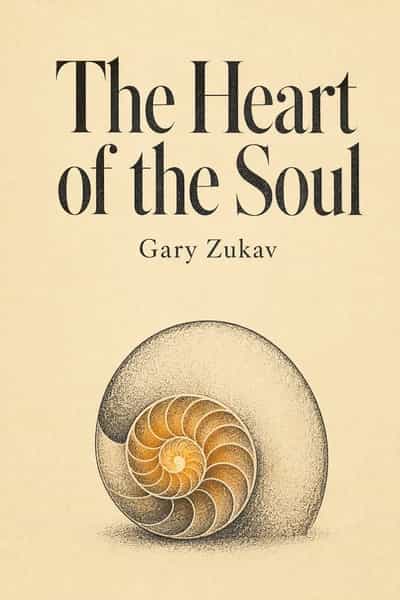
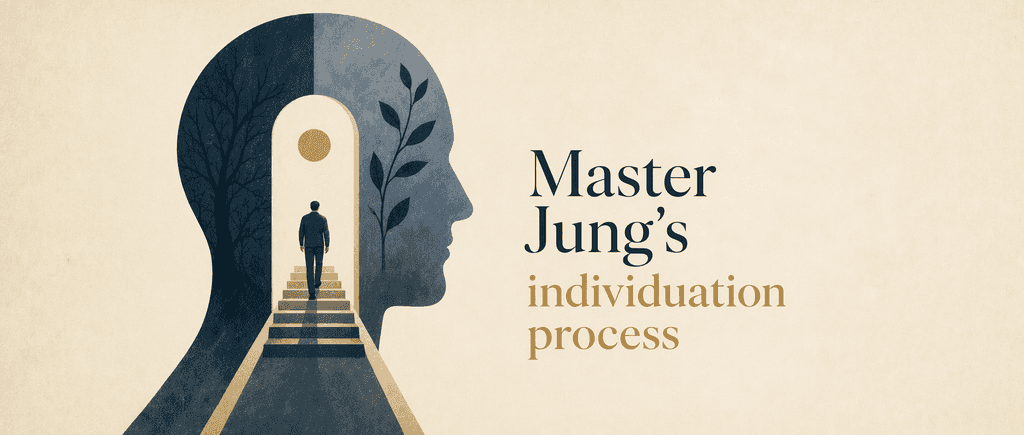
In "Swamplands of the Soul," Jungian analyst James Hollis challenges our pursuit of happiness, revealing how depression, grief, and doubt become pathways to profound meaning. Embraced by therapists worldwide since 1996, it transforms life's darkest moments into opportunities for authentic soul-making.
著者の声を通じて本を感じる
知識を魅力的で例が豊富な洞察に変換
キーアイデアを瞬時にキャプチャして素早く学習
楽しく魅力的な方法で本を楽しむ
Soul work requires not solving our problems but living through them, seeking meaning in our suffering.
『Swamplands of the Soul』の核心的なアイデアを分かりやすいポイントに分解し、革新的なチームがどのように創造、協力、成長するかを理解します。
『Swamplands of the Soul』を素早い記憶のヒントに凝縮し、率直さ、チームワーク、創造的な回復力の主要原則を強調します。

鮮やかなストーリーテリングを通じて『Swamplands of the Soul』を体験し、イノベーションのレッスンを記憶に残り、応用できる瞬間に変えます。
何でも質問し、声を選び、本当にあなたに響く洞察を一緒に作り出しましょう。

"Instead of endless scrolling, I just hit play on BeFreed. It saves me so much time."
"I never knew where to start with nonfiction—BeFreed’s book lists turned into podcasts gave me a clear path."
"Perfect balance between learning and entertainment. Finished ‘Thinking, Fast and Slow’ on my commute this week."
"Crazy how much I learned while walking the dog. BeFreed = small habits → big gains."
"Reading used to feel like a chore. Now it’s just part of my lifestyle."
"Feels effortless compared to reading. I’ve finished 6 books this month already."
"BeFreed turned my guilty doomscrolling into something that feels productive and inspiring."
"BeFreed turned my commute into learning time. 20-min podcasts are perfect for finishing books I never had time for."
"BeFreed replaced my podcast queue. Imagine Spotify for books — that’s it. 🙌"
"It is great for me to learn something from the book without reading it."
"The themed book list podcasts help me connect ideas across authors—like a guided audio journey."
"Makes me feel smarter every time before going to work"

Swamplands of the Soulの要約をPDFまたはEPUBで無料でダウンロード。印刷やオフラインでいつでもお読みいただけます。
Why do we feel guilty for feeling bad? There's something deeply wrong with a culture that promises perpetual happiness while pathologizing every uncomfortable emotion. We've built entire industries around avoiding pain-self-help books that promise five easy steps, pharmaceuticals that smooth every rough edge, Instagram feeds curated to project endless joy. Yet here's the uncomfortable truth: meaning doesn't emerge from mountaintops of bliss but from the swampy, difficult territories we desperately try to avoid. The distinction between happiness and meaning isn't semantic-it's the difference between numbing ourselves and truly living. Those dark emotional states we medicate, distract from, and deny? They're not obstacles to growth. They're the very soil where it happens. We've inherited centuries of philosophical hand-wringing about the gap between what we want and what we get. But what if that gap isn't a design flaw? What if our suffering isn't something to fix but something to move through? Jung saw neurosis not as illness but as "the suffering of a soul which has not discovered its meaning"-symptoms pointing toward what needs healing. Most of us spend enormous energy fleeing from ourselves. We fill every moment with noise, distraction, busyness. We structure our lives to avoid solitude because silence forces us to confront uncomfortable questions: Who am I beneath my roles? What do I truly want? What have I been avoiding? The unconscious operates autonomously, beyond our control, surging up in dreams, slips of tongue, inexplicable moods. Our conscious ego frantically tries to maintain order, dusting the parlor while the basement floods.