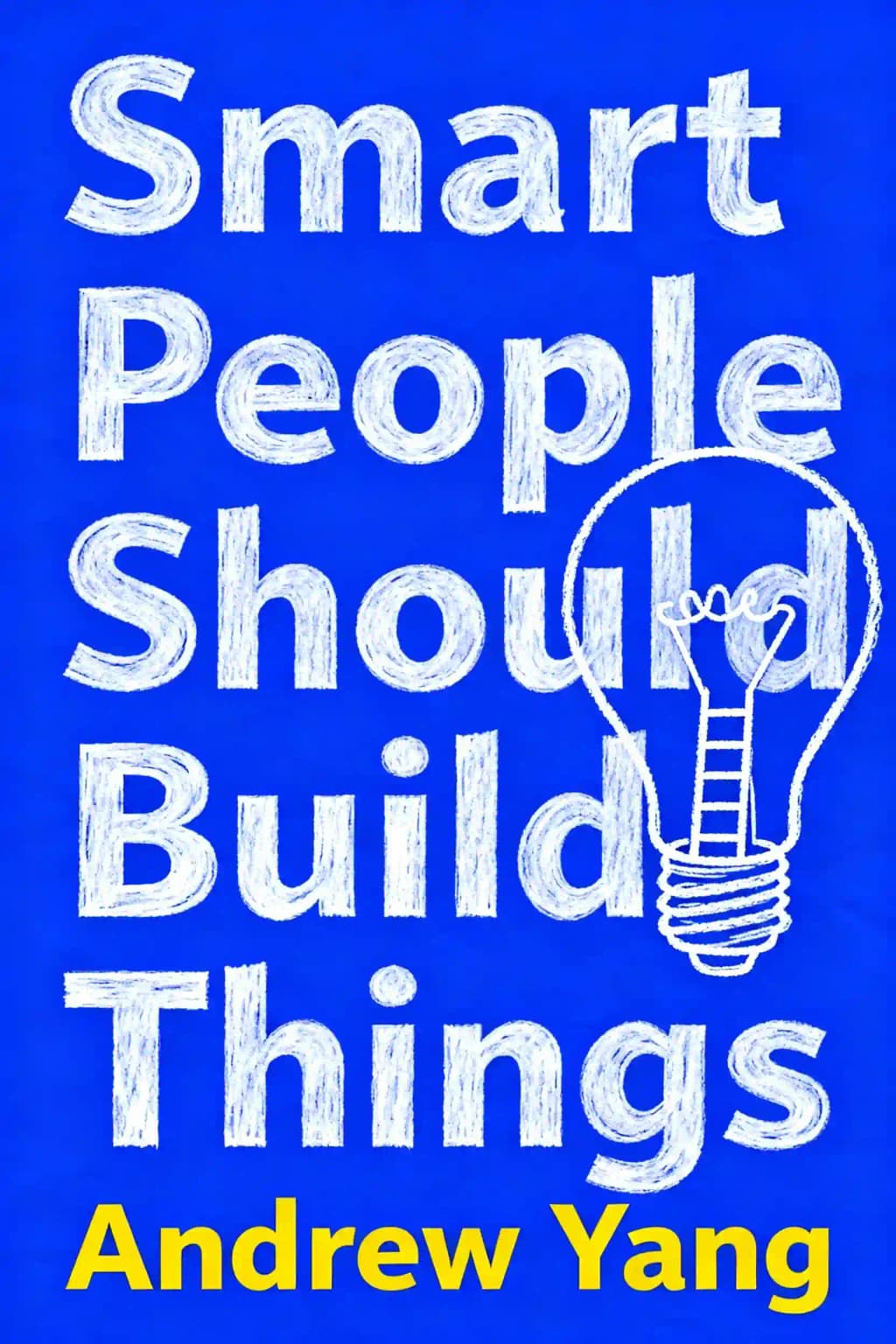
Andrew Yang challenges America's talent pipeline, arguing elite graduates should build startups, not join finance or consulting. Named a White House "Champion of Change," Yang's manifesto reveals why entrepreneurship - not traditional careers - drives economic growth and creates meaningful innovation.
著者の声を通じて本を感じる
知識を魅力的で例が豊富な洞察に変換
キーアイデアを瞬時にキャプチャして素早く学習
楽しく魅力的な方法で本を楽しむ
Every spring, America's elite universities witness a peculiar ritual. Brilliant students who once dreamed of curing diseases, revolutionizing education, or building revolutionary technologies line up in business casual attire, clutching polished resumes, waiting to interview with Goldman Sachs and McKinsey. The numbers are staggering: 29% of Harvard graduates funnel into finance or consulting, while another 37% pursue law or medical school. Meanwhile, the small companies that could drive real innovation struggle to attract even a single top graduate. Something has gone profoundly wrong with how we deploy our brightest minds-and it's costing us far more than we realize. Why do our smartest graduates abandon their ambitious dreams for spreadsheets and PowerPoint decks? The answer lies in a recruitment machine so sophisticated it makes college admissions look amateur. Investment banks and consulting firms invest millions creating what feels like a natural next step-structured interviews, clear deadlines, defined benchmarks. For students who've spent their lives mastering formal processes, it's irresistible. Dylan Matthews, a 2012 Harvard graduate, captures this perfectly: "Applying to Wall Street is much closer to college applications than applying anywhere else. Harvard students are really good at formal processes like that, and less good at sorting through thousands of job listings from companies whose reputations they don't know." These firms begin courting sophomores through networking events and summer internships, offering something intoxicating: $100,000+ salaries, signing bonuses, prestige, and the promise that "you can do anything after two years here." Meanwhile, a promising startup in Detroit can't compete. No campus presence, no structured training program, no brand recognition. They might offer exciting work and equity, but to a 22-year-old with $100,000 in student debt, that sounds like risk. The consulting firm sounds like security.
『Smart People Should Build Things』の核心的なアイデアを分かりやすいポイントに分解し、革新的なチームがどのように創造、協力、成長するかを理解します。
『Smart People Should Build Things』を素早い記憶のヒントに凝縮し、率直さ、チームワーク、創造的な回復力の主要原則を強調します。

鮮やかなストーリーテリングを通じて『Smart People Should Build Things』を体験し、イノベーションのレッスンを記憶に残り、応用できる瞬間に変えます。
何でも質問し、声を選び、本当にあなたに響く洞察を一緒に作り出しましょう。

"Instead of endless scrolling, I just hit play on BeFreed. It saves me so much time."
"I never knew where to start with nonfiction—BeFreed’s book lists turned into podcasts gave me a clear path."
"Perfect balance between learning and entertainment. Finished ‘Thinking, Fast and Slow’ on my commute this week."
"Crazy how much I learned while walking the dog. BeFreed = small habits → big gains."
"Reading used to feel like a chore. Now it’s just part of my lifestyle."
"Feels effortless compared to reading. I’ve finished 6 books this month already."
"BeFreed turned my guilty doomscrolling into something that feels productive and inspiring."
"BeFreed turned my commute into learning time. 20-min podcasts are perfect for finishing books I never had time for."
"BeFreed replaced my podcast queue. Imagine Spotify for books — that’s it. 🙌"
"It is great for me to learn something from the book without reading it."
"The themed book list podcasts help me connect ideas across authors—like a guided audio journey."
"Makes me feel smarter every time before going to work"

Smart People Should Build Thingsの要約をPDFまたはEPUBで無料でダウンロード。印刷やオフラインでいつでもお読みいただけます。
