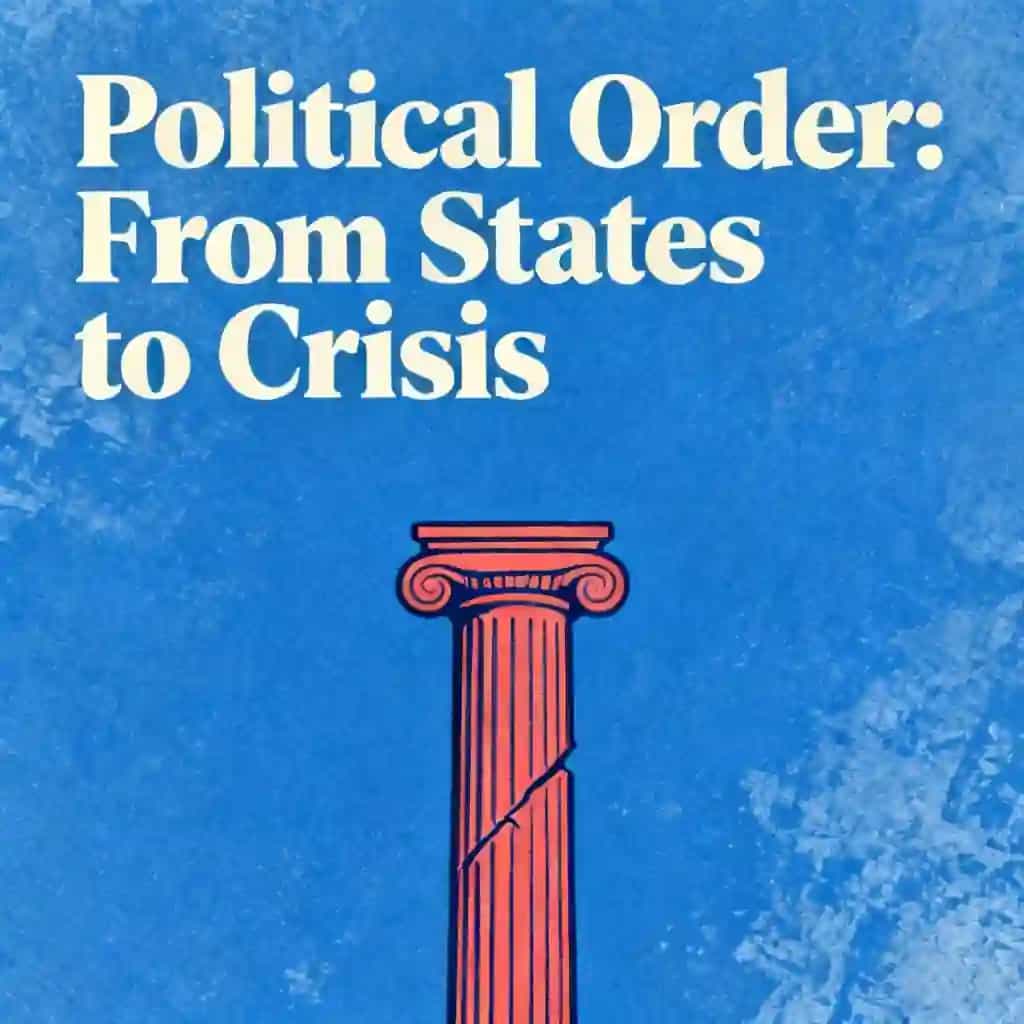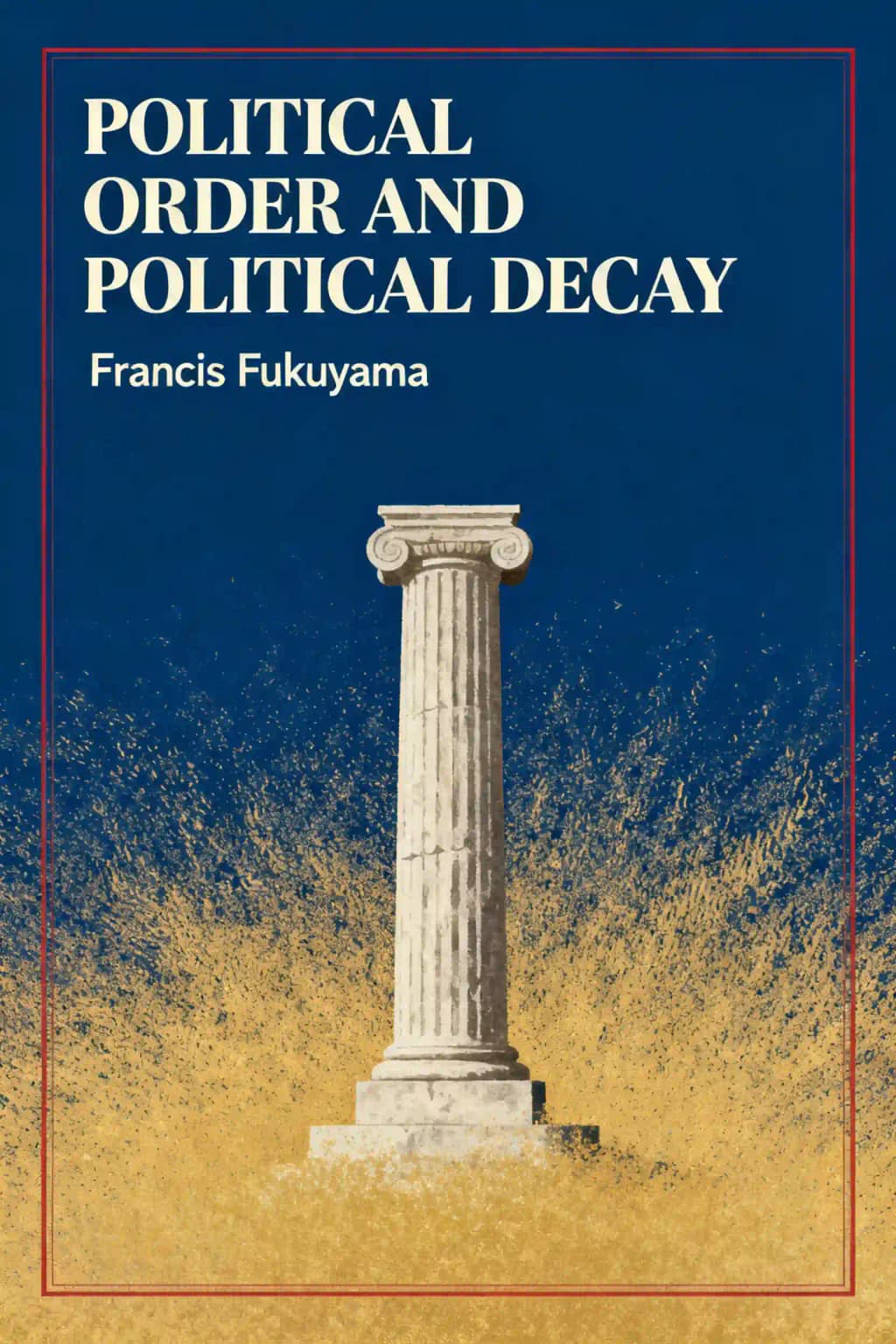
Fukuyama's masterpiece dissects democracy's fragility from Industrial Revolution to globalization. Praised by historian Niall Ferguson as "a major work of political science," it reveals how clientelism precedes mature democracy - a revelation reshaping how world leaders understand institutional decay in even the most stable nations.
著者の声を通じて本を感じる
知識を魅力的で例が豊富な洞察に変換
キーアイデアを瞬時にキャプチャして素早く学習
楽しく魅力的な方法で本を楽しむ
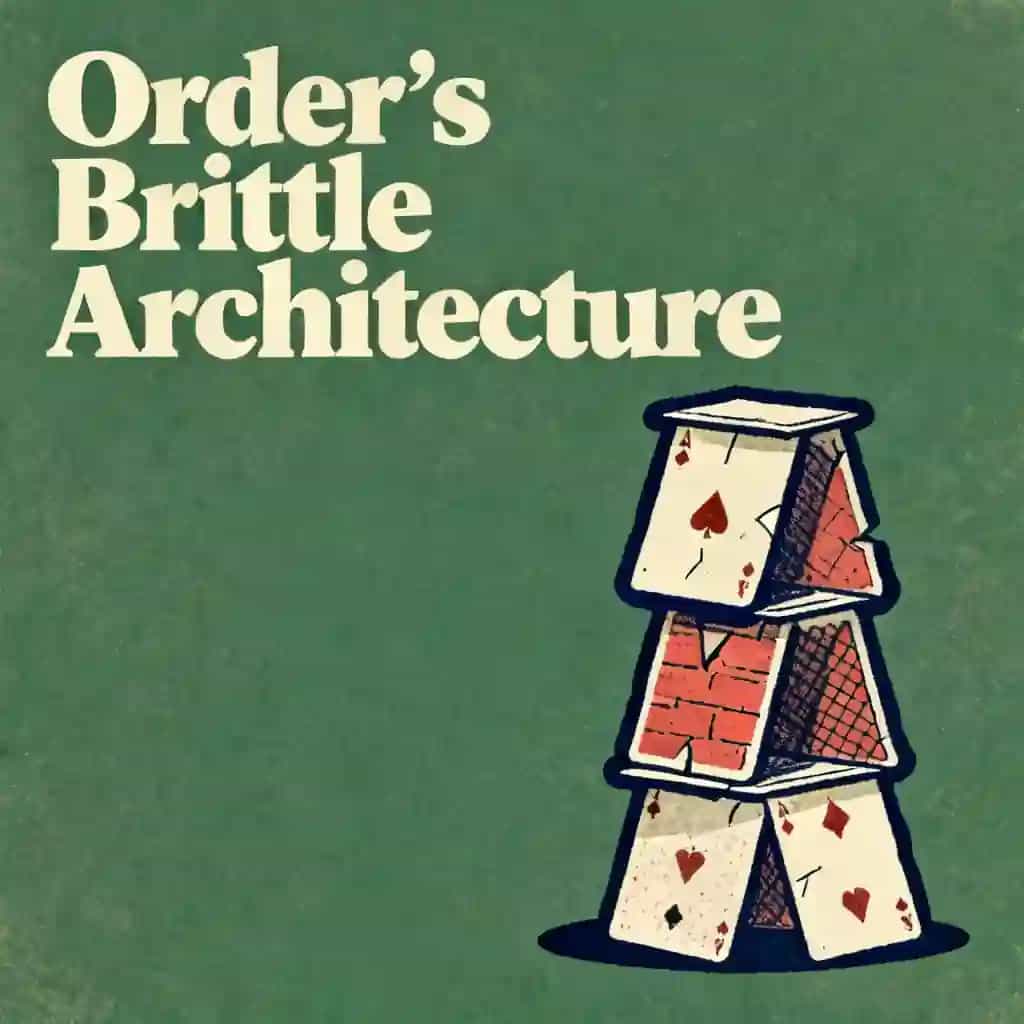
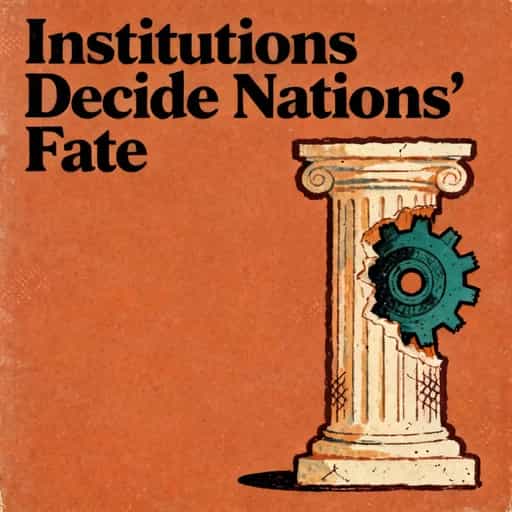
Why do some nations thrive while others spiral into chaos? Consider this puzzle: Germany and Greece both belong to the European Union, share democratic values, and operate under similar legal frameworks. Yet when the 2008 financial crisis hit, Germany weathered the storm while Greece nearly collapsed. The difference wasn't resources or geography-it was the quality of their political institutions. Understanding why governments succeed or fail matters now more than ever. From Brexit to the Arab Spring, from America's partisan gridlock to China's authoritarian efficiency, we're witnessing a global reckoning with fundamental questions about power, legitimacy, and governance. Think of political development as a three-legged stool. Remove any leg and the whole structure collapses. The first leg-state capacity-represents government's ability to actually do things: collect taxes, enforce laws, deliver services, maintain order. Without it, you get Somalia: beautiful constitutions on paper, chaos in reality. The second leg-rule of law-means even the powerful must follow established rules. This isn't merely having laws on the books; it requires independent courts and a culture where legal authority trumps personal power. The third leg-democratic accountability-ensures government serves citizens rather than rulers. Here's the tension: these three don't naturally cooperate. Strong states can crush individual rights. Rigid legal systems can paralyze necessary action. Unfettered democracy can descend into mob rule. The magic happens when all three exist in balance-what we recognize as liberal democracy with effective government. Yet this balance contradicts our deepest instincts. Humans evolved in small groups where we helped family members and traded favors with friends. Modern institutions demand we treat strangers impartially and follow abstract rules over personal loyalty. This explains why corruption and nepotism constantly resurface-they're not aberrations but reversions to our default programming. Every functional government represents a hard-won victory over human nature itself.
『Political Order and Political Decay』の核心的なアイデアを分かりやすいポイントに分解し、革新的なチームがどのように創造、協力、成長するかを理解します。
『Political Order and Political Decay』を素早い記憶のヒントに凝縮し、率直さ、チームワーク、創造的な回復力の主要原則を強調します。

鮮やかなストーリーテリングを通じて『Political Order and Political Decay』を体験し、イノベーションのレッスンを記憶に残り、応用できる瞬間に変えます。
何でも質問し、声を選び、本当にあなたに響く洞察を一緒に作り出しましょう。

"Instead of endless scrolling, I just hit play on BeFreed. It saves me so much time."
"I never knew where to start with nonfiction—BeFreed’s book lists turned into podcasts gave me a clear path."
"Perfect balance between learning and entertainment. Finished ‘Thinking, Fast and Slow’ on my commute this week."
"Crazy how much I learned while walking the dog. BeFreed = small habits → big gains."
"Reading used to feel like a chore. Now it’s just part of my lifestyle."
"Feels effortless compared to reading. I’ve finished 6 books this month already."
"BeFreed turned my guilty doomscrolling into something that feels productive and inspiring."
"BeFreed turned my commute into learning time. 20-min podcasts are perfect for finishing books I never had time for."
"BeFreed replaced my podcast queue. Imagine Spotify for books — that’s it. 🙌"
"It is great for me to learn something from the book without reading it."
"The themed book list podcasts help me connect ideas across authors—like a guided audio journey."
"Makes me feel smarter every time before going to work"

Political Order and Political Decayの要約をPDFまたはEPUBで無料でダウンロード。印刷やオフラインでいつでもお読みいただけます。