第1章
The Power of Bright Line Eating: Finding Freedom Through Structure
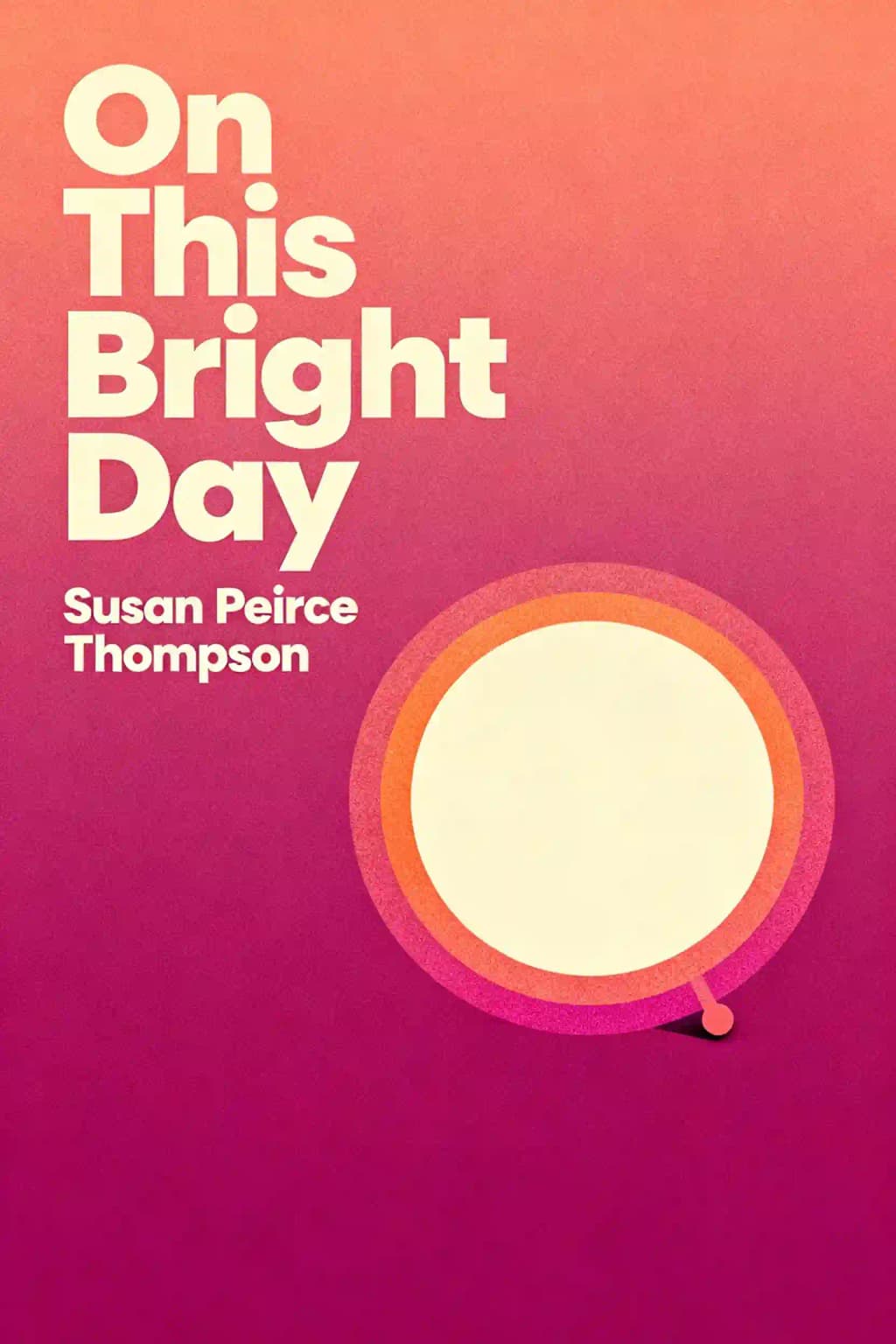
In a world saturated with weight loss programs promising quick fixes and miracle transformations, Susan Peirce Thompson's "On This Bright Day" offers something refreshingly different-a daily companion for those seeking true freedom from food addiction. This book, beloved by celebrities like Brene Brown and Gabby Bernstein, has become a cornerstone text in the growing movement of structured eating approaches that address the neurological basis of food addiction rather than simply focusing on willpower or motivation.
第2章
The Science of Food Addiction and the Four Bright Lines
At the heart of Thompson's approach is a revolutionary understanding of how processed foods-particularly sugar and flour-affect our brains in ways strikingly similar to addictive substances. Drawing from her background as a neuroscientist and her personal journey overcoming food addiction, Thompson explains that for those high on the Food Addiction Susceptibility Scale, moderation simply isn't possible. The brain scans of food addicts show similar patterns of activation to those of drug addicts when exposed to their trigger substances, demonstrating that this isn't merely a matter of willpower but a genuine neurological response.
"For those high on the Food Addiction Susceptibility Scale, moderation with sugar is impossible," Thompson writes. The science is clear: sugar raises insulin levels and blocks leptin (our fullness hormone), creating insatiable hunger regardless of how much we eat. This process creates a vicious cycle: eating sugar leads to insulin spikes, which drives blood sugar down, triggering intense cravings for more sugar. Research shows that sugar activates the same reward pathways in the brain as cocaine, making it particularly difficult for susceptible individuals to consume it in moderation. Complete elimination becomes the only path to true liberation.
The same applies to flour, which affects susceptible brains identically to sugar, creating the same dopamine spike and insulin cascade. Many Bright Line Eating practitioners discovered that when they eliminated sugar but continued eating flour, their flour consumption gradually increased, maintaining the cycle of cravings. This is because refined flour is converted to glucose in the bloodstream almost immediately, sometimes even faster than table sugar. Studies have shown that wheat products can trigger addictive eating patterns through their effect on opioid receptors in the brain.
Thompson's solution is elegantly simple yet profoundly effective: four non-negotiable boundaries called "Bright Lines":
1. No sugar in any form (including natural sweeteners, artificial sweeteners, and hidden sugars in processed foods)
2. No flour of any kind (including whole grain flours, nut flours, and other grain-based products)
3. Eating only at meals (no snacking, grazing, or "just a taste")
4. Weighing and measuring food quantities (using specific tools and portions)
These boundaries address both the substance addiction (to what we eat) and behavioral addiction (to the act of eating itself). By eliminating sugar and flour completely, the brain begins to heal from the physical addiction, while meal structure and portion control address the behavioral component. Research indicates that it takes approximately 14 days for sugar cravings to significantly diminish and up to eight weeks for the brain's reward system to reset.
"The average person makes 221 food decisions daily," Thompson explains. "That's 221 opportunities to act against our goals." By eliminating grazing and snacking, Bright Line Eating dramatically reduces these decision points, giving the body time to empty the stomach and digest between meals. This structured approach also helps regulate hormones like ghrelin and leptin, which control hunger and satiety signals. The program's success is evidenced by research showing that participants who strictly adhere to these bright lines have a success rate several times higher than traditional diet approaches.
Thompson's framework is supported by studies showing that clear, unambiguous boundaries are more effective than flexible guidelines for behavior change. When rules are absolute rather than subjective, the brain expends less energy on decision-making and is less susceptible to rationalization and exceptions.
第3章
Beyond Willpower: The Psychology of Sustainable Change
What distinguishes Thompson's approach from typical diet programs is her deep understanding that food addiction isn't simply a matter of weak willpower. Rather, it involves complex neurological processes that can hijack even the most determined mind. Drawing from neuroscience research, she explains how certain foods, particularly those high in sugar and flour, can trigger addictive responses in the brain similar to those seen with drugs of abuse.
The book introduces readers to the concept of "automaticity"-the process by which behaviors become so routine they require minimal conscious effort, like brushing teeth or driving. Thompson explains that once eating behaviors become automatic, they no longer require willpower, freeing mental energy for more meaningful pursuits. She provides numerous examples of how this works in practice: weighing and measuring food becomes second nature, meal planning becomes routine, and saying "no" to off-plan foods becomes reflexive rather than a daily struggle.
"Once something becomes automatic, we don't need willpower to accomplish it," she writes. This is achieved through consistent repetition-eating meals at the same times, perhaps even eating identical breakfasts daily with small seasonal variations. Thompson suggests starting with breakfast automation, offering practical suggestions like preparing overnight oats or having a standard morning meal that requires minimal decision-making.
Thompson also addresses the challenging emotional landscape of recovery. Many who begin Bright Line Eating have never experienced true hunger, having eaten at the first twinge of discomfort or used food to cope with emotions. Learning to experience hunger becomes a meditative practice: "Stop, notice, tune into the sensation, and breathe." This practice helps practitioners develop the understanding that "hunger is not an emergency"-a powerful mantra that helps them breathe through temporary discomfort.
The book delves into the science of habit formation, explaining how new neural pathways are created through consistent practice. Thompson emphasizes that it typically takes 66 days for new habits to become automatic, not the commonly cited 21 days. She provides specific strategies for navigating this critical period, including journaling exercises, support group participation, and daily check-ins with accountability partners. These tools help practitioners maintain their commitment while their new habits are being established.
Thompson also addresses the role of environmental triggers and social support in sustainable change. She recommends specific strategies for managing challenging situations, such as restaurant dining, holiday celebrations, and travel, offering detailed protocols for maintaining boundaries while preserving social connections.
第4章
The Role of Community in Recovery
Perhaps the most distinctive aspect of Bright Line Eating is its emphasis on community support. Thompson understands that humans are "herd animals" who prioritize belonging, and behaviors that threaten this are quickly abandoned. This biological drive for connection runs so deep that it can either sabotage or support our eating goals, depending on how we harness it.
"Those who experience the full Bright Transformation find community within their newfound food lifestyle," Thompson explains. While friends and family may support us, connecting with others following Bright Lines is essential as they understand our unique challenges. These connections provide validation, accountability, and practical wisdom that only those walking the same path can offer. When one member struggles with a workplace celebration or family gathering, others who've navigated similar situations can share their successful strategies.
The book outlines various support structures designed to create multiple layers of accountability and encouragement. These include vibrant online communities where members share daily victories and challenges, local member connections for in-person support, dedicated Buddies for regular check-ins and mutual accountability, and temporary Guides who offer experienced mentorship during particularly challenging periods. "In the BLE community, we welcome requests for support and applaud when we ask for it. This is a journey we walk together," Thompson emphasizes.
This community aspect addresses what many diet programs miss-the social and emotional components of eating. Traditional programs often focus solely on food choices and willpower, overlooking how profoundly our social connections influence our eating behaviors. By creating a supportive environment where vulnerability is welcomed and celebrated, practitioners develop deep, meaningful connections that sustain them through challenges that might otherwise lead to relapse.
The community provides practical support through shared meal planning, recipe exchanges, and troubleshooting difficult situations. Members report that the sense of belonging they find in the BLE community often becomes as important as the food guidelines themselves. Success stories within the community serve as powerful motivation, while the collective wisdom helps members navigate everything from holiday celebrations to travel challenges while maintaining their bright lines.
Thompson emphasizes that this community approach transforms what could be a lonely journey into a shared adventure, where every member's success strengthens the whole group. The program's high success rate is attributed largely to this robust support system, which helps members maintain their commitment even when faced with significant obstacles or setbacks.
第5章
Identity Shift: The Key to Lasting Change
Thompson recognizes that having dieted much of their lives, many find it challenging to view Bright Line Eating as a lifetime way of eating. "New members often can't imagine forever without sugar and flour, but veterans absolutely can," she notes. This initial resistance is natural and expected, as most people have spent years cycling through temporary diets rather than embracing permanent lifestyle changes.
The solution lies in an identity shift that happens gradually-"brick by brick, Bright meal by Bright meal, one day at a time." This transformation occurs through consistent, small actions rather than dramatic overnight changes. By consistently planning food the night before and eating exactly that, practitioners develop the identity of someone who doesn't eat sugar, flour, or between meals. This methodical approach allows the brain to rewire itself gradually, making the new behaviors feel increasingly natural and automatic.
Thompson emphasizes that this identity shift manifests in subtle but powerful ways. Veterans of the program often report no longer viewing certain foods as options, similar to how most people don't see non-food items as potential meals. The cravings and mental struggle diminish as the new identity takes hold. For example, long-term practitioners often find themselves naturally bypassing the bakery section without feeling deprived or walking past office treats without internal conflict.
"By consistently performing these actions, we become the person who does this-we become who we truly are: Bright," Thompson explains. This identity-based approach creates sustainability far beyond what willpower alone could achieve. The shift moves practitioners from constantly fighting against temptation to naturally living in alignment with their new identity. Success stories often highlight how members stop thinking of themselves as people struggling with food and start seeing themselves as individuals who simply eat in a way that supports their health and happiness.
The process also builds upon itself - each successful day reinforces the new identity, making subsequent days easier. Members report that what initially felt like restrictions eventually feels like freedom, as their new identity allows them to move through life without the constant mental chatter about food choices and portions that previously consumed their thoughts.
第6章
Navigating Life's Challenges While Maintaining Bright Lines
One of the most valuable aspects of "On This Bright Day" is its practical guidance for navigating real-world challenges without breaking Bright Lines. Thompson addresses everything from travel and restaurants to holidays and social gatherings, providing detailed strategies for maintaining commitment while fully participating in life's important moments.
For travel, she recommends thorough preparation that begins well before departure. This includes researching restaurant menus at destinations, committing meals in advance through detailed planning, bringing a reliable food scale, and packing emergency food supplies when necessary. She suggests creating a detailed food plan for the entire trip, including specific restaurants and backup options. "With preparation and commitment, any journey can be Bright," she assures readers. Thompson also addresses specific travel scenarios, such as long flights, road trips, and international travel where language barriers might complicate food orders.
Restaurants present particular challenges, as they often contain triggering ingredients like oil and butter, and portion sizes can be unpredictable. Thompson suggests several practical approaches: discreetly weighing portions on an extra plate, following the one-plate rule with honest intentions, or requesting a take-home box early to remove extras before eating. She provides specific scripts for making special requests to servers, such as asking for dressings on the side or vegetables steamed without oil. The book includes a comprehensive list of common restaurant dishes and how to modify them to maintain Bright Lines.
For holidays and celebrations, Thompson encourages focusing on the social aspects rather than food, offering specific strategies for different occasions. She suggests creating new traditions that don't center around eating, such as family games, shared activities, or volunteer work. "Being openhearted means feeling the full spectrum of human emotion-one of life's best aspects," she writes. The book provides detailed guidance for handling common situations like family pressure to eat, workplace celebrations, and holiday buffets. By maintaining healthy boundaries with time and energy, practitioners can fully engage with loved ones while staying true to their commitment.
Thompson also addresses emotional challenges, acknowledging that social situations often trigger complex feelings about food and belonging. She provides practical tools for managing these emotions, including meditation techniques, conversation starters that shift focus away from food, and strategies for communicating boundaries with compassion and clarity. The section includes real-life success stories from practitioners who have successfully navigated challenging social situations while maintaining their Bright Lines.
第7章
The Transformation Beyond Weight Loss
While many come to Bright Line Eating seeking weight loss, Thompson emphasizes that the true transformation extends far beyond physical appearance. As practitioners develop food sobriety, they experience profound shifts in mental clarity, emotional regulation, and spiritual connection. These changes often surprise participants who initially focused solely on dropping pounds.
"Mental clarity isn't typically the first benefit people expect from BLE," Thompson notes, "largely because it's impossible to fully perceive the mental fog created by sugar, flour, and processed foods when we've lived in it for years." Only when these substances clear from the body do practitioners recognize what mental clarity and agility feel like. Many report improved concentration at work, enhanced memory, and a newfound ability to focus on complex tasks without the afternoon energy crashes that once plagued them. Participants frequently describe feeling "awake" for the first time in years.
Emotionally, practitioners learn to experience the full spectrum of feelings without using food to numb or escape. "In recovery, we're learning to take genuine breaks without using food to numb ourselves," Thompson explains. This emotional intelligence transfers to all areas of life, creating more authentic connections and greater resilience. Practitioners develop tools to handle stress, anxiety, and celebration without turning to food. Many discover that emotions they once considered unbearable become manageable, leading to improved relationships and workplace interactions.
The program's impact on spiritual well-being often emerges unexpectedly. Many find that the space previously occupied by food obsession opens to deeper awareness and purpose. "Weight loss and achieving a Bright Body isn't an end itself but a means to living your fullest life," Thompson writes. "The real goal is peace and freedom from food obsession so we can fulfill our deeper purpose." Practitioners report rediscovering old passions, pursuing long-forgotten dreams, and developing a stronger sense of self-worth independent of their appearance.
The transformation often ripples through all aspects of life. Participants report improved sleep patterns, increased energy for physical activities, and a renewed sense of possibility. Many find themselves naturally gravitating toward other positive lifestyle changes, from decluttering their homes to pursuing new career opportunities. The program's emphasis on routine and structure often helps practitioners develop better time management skills and more balanced lifestyles overall.
Thompson emphasizes that these broader changes aren't merely side effects but central to the program's success. When practitioners focus solely on weight loss, they miss the deeper transformation that ensures lasting change. The program's holistic approach addresses not just what people eat, but how they think, feel, and live.
第8章
The Maintenance Dance: Sustaining Success for Life
Perhaps the most challenging aspect of any weight loss journey is maintenance-the lifelong practice of sustaining results after reaching goal weight. Thompson addresses this head-on, acknowledging that it requires as much support, vigilance, and dedication as the initial weight loss phase did. Many find this transition particularly challenging because it requires a fundamental shift in mindset from "working toward" to "being."
"Successful maintenance requires shifting our identity to someone who has arrived and truly letting go of the food and weight struggle," she explains. This creates a vacuum that can feel scary-no longer organizing life around food struggles leaves empty space that must be filled with other interests and a new identity. The void left behind when food obsession lifts can be surprisingly uncomfortable, as many have used food-related thoughts and behaviors as coping mechanisms for years or even decades.
Thompson encourages practitioners to embrace this new phase as an adventure in self-discovery. "Our new challenge is filling life with other interests and embracing a new identity," she writes. This might include developing deeper relationships, pursuing creative endeavors, or finding ways to serve others. She suggests specific activities like joining community groups, taking up new hobbies, volunteering, or reconnecting with long-forgotten passions that food addiction may have pushed aside.
The maintenance phase also involves practical adjustments to the food plan, adding more grains and other foods to maintain weight rather than continue losing. Thompson provides detailed guidelines for calculating maintenance calories and adjusting portions while keeping meals simple and structured. But the four Bright Lines remain non-negotiable, providing the structure that enables true freedom. She emphasizes that maintenance isn't about relaxing the rules, but rather about finding sustainable joy within them.
The book outlines specific maintenance strategies, including:
• Regular weigh-ins to catch any slight rebounds early
• Maintaining connection with the Bright Line community
• Planning for special occasions and travel
• Developing non-food rewards and celebrations
• Creating new daily routines that support long-term success
Thompson stresses that maintenance is not a finish line but rather a new way of living that requires ongoing attention and care. She encourages readers to view it as a dance rather than a destination - sometimes requiring careful adjustments, other times flowing naturally, but always moving forward with grace and intention.
第9章
A Daily Practice for Lifelong Transformation
"On This Bright Day" is structured as 365 daily meditations, reflecting Thompson's understanding that recovery happens one day at a time. Each meditation addresses a specific aspect of the journey, providing wisdom, encouragement, and practical guidance for that day's challenges. The meditations range from simple mindfulness exercises to deeper explorations of emotional patterns, relationship dynamics, and personal growth opportunities.
The daily format is intentionally designed to break down the overwhelming nature of long-term recovery into manageable pieces. Each day's reading takes approximately five minutes, followed by a reflection question and a specific action step. These might include journaling prompts, mindfulness exercises, or small behavioral experiments that build upon each other throughout the year.
This format acknowledges the reality that transformation isn't a one-time event but a daily practice of recommitment. "Just for today" becomes a powerful mantra that makes the journey manageable, even for those who struggle to imagine permanent change. Thompson emphasizes that this approach allows readers to focus on immediate choices rather than becoming paralyzed by thoughts of "forever" or past failures.
Through daily reflection and practice, practitioners gradually develop what Thompson calls a "Bright Life"-one characterized by food freedom, mental clarity, emotional intelligence, and authentic connection. The weight loss becomes almost secondary to this broader transformation of body, mind, and spirit. Readers report significant shifts in their relationship with food, but also improvements in their sleep patterns, energy levels, relationships, and overall life satisfaction.
The daily meditations are organized thematically by month, addressing different aspects of recovery such as body acceptance, emotional regulation, boundary setting, and social eating. Each theme builds upon previous work while introducing new concepts and challenges. Thompson includes real-life examples from her clients' experiences, demonstrating how these principles can be applied in various situations, from holiday gatherings to workplace stress to family dynamics.
The practice emphasizes progress over perfection, encouraging readers to view setbacks as learning opportunities rather than failures. This compassionate approach helps break the cycle of shame and self-judgment that often accompanies disordered eating patterns, replacing it with curiosity and self-awareness.
第10章
A Revolutionary Approach to an Age-Old Problem
Susan Peirce Thompson's "On This Bright Day" offers a revolutionary approach to the age-old problem of food addiction and weight struggle. By combining cutting-edge neuroscience with practical wisdom and community support, she has created a pathway to sustainable transformation that thousands have successfully followed. Drawing from her background as a tenured psychology professor and her personal journey overcoming food addiction, Thompson brings both academic rigor and lived experience to this challenging topic.
What makes this approach particularly powerful is its recognition that food addiction is both a physical and psychological condition requiring a comprehensive solution. The four Bright Lines - no sugar, no flour, measured meals, and specific meal times - address the physical addiction by eliminating trigger foods and establishing clear boundaries around eating behaviors. These non-negotiable rules create a framework that removes the exhausting mental debate around food choices, allowing the brain's reward centers to reset and heal from addictive patterns.
The supporting practices of community connection, habit formation, and identity shift address the psychological components essential for long-term success. Daily connection with others on the same path provides accountability and emotional support, while systematic habit formation techniques help rewire deeply ingrained behaviors. The emphasis on identity transformation - seeing oneself as a "Bright Lifer" rather than someone perpetually struggling with food - creates a fundamental shift in self-perception that supports lasting change.
For those who have struggled with food and weight for years, perhaps decades, this book offers not just hope but a concrete plan for lasting change. It acknowledges the difficulty of the journey while providing the tools, support, and inspiration to make it possible-one bright day at a time. Thompson's approach differs from traditional diet programs by addressing the root causes of food addiction, including the neurological impacts of processed foods, the role of insulin resistance, and the importance of circadian rhythm alignment in managing hunger and cravings.
The book's framework is built on extensive research in addiction science, behavioral psychology, and habit formation, while remaining accessible and practical for daily implementation. Through detailed meal planning guidelines, troubleshooting strategies, and success stories from program participants, readers receive a comprehensive roadmap for their own transformation journey.