第1章
Breaking the PCOS Cycle: A Revolution in Women's Health
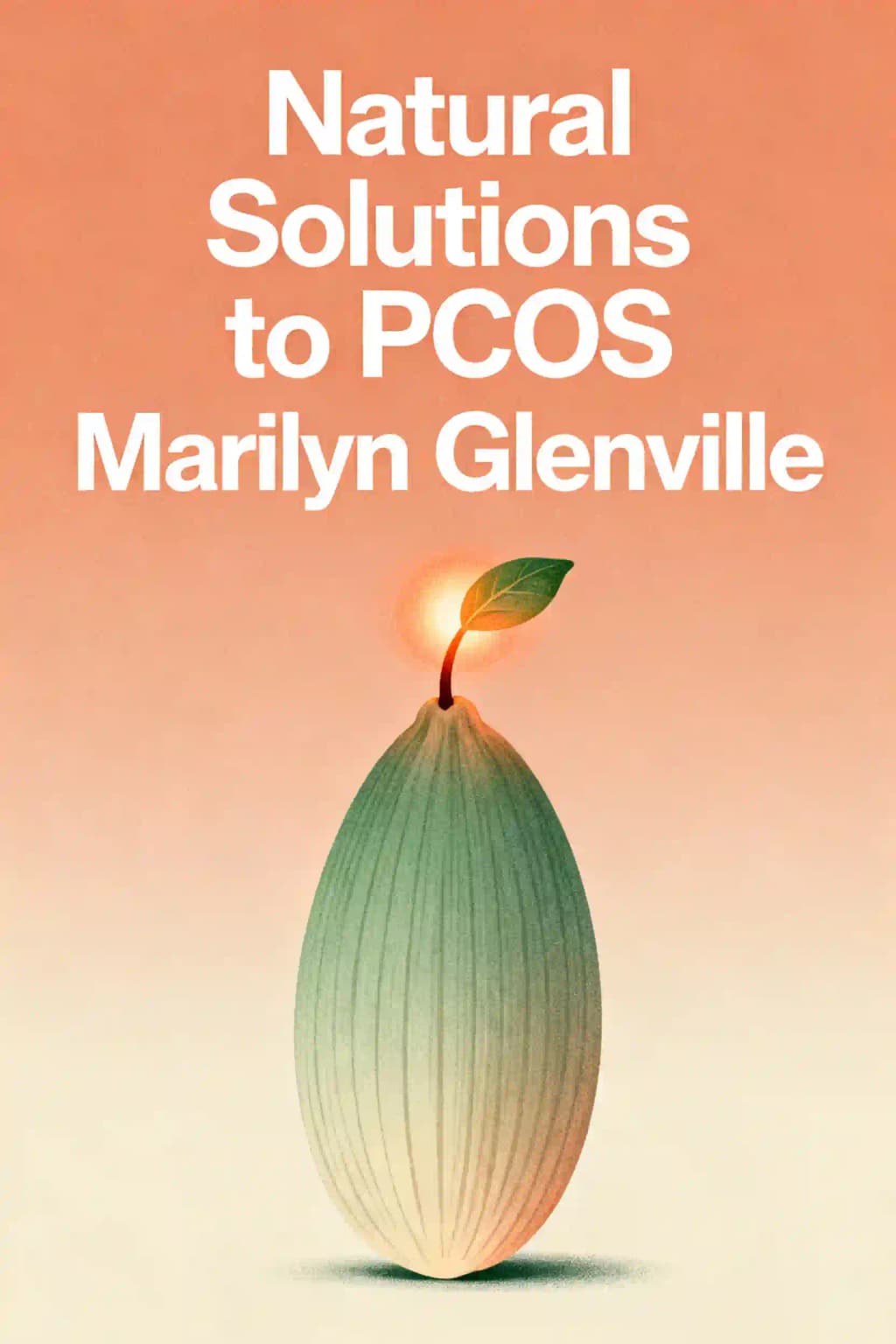
Polycystic Ovary Syndrome (PCOS) affects up to 10% of women worldwide, yet remains one of the most misunderstood and frequently misdiagnosed hormonal conditions. When Marilyn Glenville's groundbreaking book "Natural Solutions to PCOS" was published, it created waves in the medical community by challenging conventional treatment approaches. Endorsed by celebrities like Victoria Beckham and Jools Oliver who have spoken openly about their PCOS struggles, this book has become the definitive guide for women seeking natural alternatives to synthetic hormones and medications. What makes Glenville's approach revolutionary is her focus on addressing root causes rather than merely masking symptoms-a methodology that has helped thousands of women reclaim their hormonal health, fertility, and confidence when conventional medicine failed them.
第2章
Understanding PCOS: The Hidden Epidemic
Polycystic ovary syndrome affects 5-10% of reproductive-age women worldwide, making it the most common hormonal imbalance in women, impacting an estimated 150-200 million women globally. Despite being identified in 1935 by doctors Stein and Leventhal (originally called Stein-Leventhal syndrome), it remains frequently misdiagnosed or undiagnosed for years. The condition manifests through multiple symptoms: irregular or absent periods, excess facial and body hair (hirsutism), persistent acne, weight gain particularly around the middle, thinning scalp hair, and fertility problems. The name itself is somewhat misleading-the "cysts" aren't actually cysts but undeveloped follicles that give the ovaries a characteristic pearl-like or grape-like appearance under ultrasound, with many small follicles arranged around the ovary's periphery.
PCOS creates a complex and destructive cycle of hormonal imbalance. In a normal menstrual cycle, follicle-stimulating hormone (FSH) stimulates egg maturation within the ovaries, leading to regular ovulation. With PCOS, low FSH combined with constantly elevated luteinizing hormone (LH) prevents proper follicle development and ovulation. Without ovulation, no progesterone is produced, causing the pituitary gland to release even more LH, which triggers increased testosterone production in the ovaries. This excess testosterone further prevents ovulation and causes androgenic symptoms like excess hair growth, acne, and male-pattern hair loss. The ratio of LH to FSH in PCOS patients is often 2:1 or 3:1, instead of the normal 1:1.
Most women with PCOS (approximately 70-80%) also have insulin resistance-their cells can't properly use insulin to process blood sugar effectively. This causes the pancreas to produce excess insulin, creating a condition called hyperinsulinemia, which stimulates more testosterone production in the ovaries and reduces sex-hormone-binding globulin (SHBG) production in the liver. Lower SHBG leads to higher levels of free testosterone in the bloodstream, creating uncontrolled testosterone levels. Weight gain worsens this metabolic cycle, though it's important to note that even slim women can have PCOS, with some studies suggesting up to 30% of women with PCOS are of normal weight.
The long-term health risks associated with PCOS are significant and often underappreciated. Women with PCOS are seven times more likely to develop Type 2 diabetes and face substantially greater risks of cardiovascular disease, with a 50% higher risk of heart attack. They also have increased risks of high blood pressure, stroke, and endometrial cancer due to prolonged exposure to unopposed estrogen. Mental health impacts are also considerable, with higher rates of anxiety and depression reported among PCOS sufferers. However, understanding this vicious cycle reveals how it might be broken through natural approaches that address the root causes rather than merely treating symptoms. Recent research suggests that lifestyle modifications, particularly diet and exercise, can significantly improve both symptoms and long-term health outcomes.
第3章
Diagnosing the Syndrome: Beyond the Obvious Signs
Diagnosing PCOS remains inconsistent among medical professionals, with significant variations in diagnostic criteria worldwide. Generally, diagnosis requires at least two of three key problems: infrequent/absent ovulation, signs of high male hormones (physical or in blood tests), and polycystic ovaries on ultrasound. Anyone experiencing irregular periods, infertility, excess hair growth (particularly on face, chest, or back), unexplained weight gain, or persistent acne should request comprehensive testing, especially if symptoms began around puberty or early adulthood.
Several blood tests help confirm diagnosis, forming a complex diagnostic puzzle. LH (luteinizing hormone) is typically high, while FSH (follicle-stimulating hormone) often presents low, creating an abnormal LH:FSH ratio exceeding 2:1. Testosterone levels, both total and free, are frequently elevated, though they may fall within the upper range of normal. The free androgen index provides crucial information about biologically active testosterone. Additional essential tests include prolactin (to rule out prolactinoma), fasting glucose (indicating insulin resistance), and comprehensive thyroid function panels (TSH, T3, T4).
Advanced diagnostic markers include Anti-Mullerian Hormone (AMH), which is usually elevated 2-3 times above normal in PCOS patients, reflecting the increased number of small follicles. Sex hormone-binding globulin (SHBG) typically presents low due to insulin resistance, leading to higher free testosterone levels. A complete metabolic workup should include fasting insulin, 2-hour glucose tolerance test, detailed lipid profile (including triglycerides and cholesterol fractions), and adrenal hormone tests like DHEA-S to exclude adrenal disorders.
Timing critically affects test accuracy. FSH and LH should be tested within the first three days of menstruation when levels are naturally lowest, providing the most reliable baseline measurements. Hormonal contraceptives can significantly alter results by suppressing ovarian function and hormone production, necessitating a minimum 2-3 month washout period before testing for accurate results.
Ultrasound imaging plays a pivotal role in diagnosis, with transvaginal ultrasound offering superior visualization compared to transabdominal approaches. PCOS is confirmed when scans reveal twelve or more follicles measuring 2-9mm per ovary (normal healthy follicles reach 20mm) and/or increased ovarian volume exceeding 10cm3. The characteristic "string of pearls" appearance on ultrasound, showing multiple small follicles around the ovarian periphery, is highly indicative of PCOS.
The AMH test has emerged as a valuable diagnostic tool, particularly for women considering fertility treatments. PCOS patients typically show AMH levels exceeding 5 ng/mL, sometimes reaching 20 ng/mL or higher. These elevated levels signal potential complications during fertility treatments, particularly the risk of ovarian hyperstimulation syndrome during IVF, necessitating careful medication dosing and monitoring.
Several conditions can present with PCOS-like symptoms, requiring careful differential diagnosis: thyroid disorders (particularly hypothyroidism), pituitary tumors, premature ovarian insufficiency, Cushing's syndrome, and congenital adrenal hyperplasia. This comprehensive testing approach, combined with detailed patient history and physical examination, ensures accurate diagnosis and enables development of targeted treatment strategies for each individual's specific presentation of PCOS.
第4章
The Seven-Step Diet: Nutrition as Medicine
The foundation of treating PCOS naturally lies in a comprehensive dietary approach that addresses multiple aspects of the condition simultaneously. Unlike medications that provide temporary relief with potential side effects, nutritional adjustments work in harmony with a woman's system and can potentially eliminate PCOS altogether. The seven-step approach targets the root causes of hormonal imbalance:
First, switching to unrefined carbohydrates stabilizes blood sugar and prevents insulin resistance. Unrefined carbohydrates contain natural fiber that slows glucose absorption, preventing blood sugar spikes that trigger excessive insulin release. Foods like barley, brown rice, buckwheat, oats, vegetables, and wholemeal breads release glucose gradually, requiring minimal insulin response compared to refined alternatives like white flour products, sugar, and white rice. Adding protein to meals further slows carbohydrate absorption.
Second, increasing omega-3 fats improves insulin sensitivity and cell function. These essential fatty acids, found in oily fish like mackerel, salmon, sardines, and herring, make cell walls healthier and insulin receptors more sensitive, allowing the body to use glucose effectively without producing excess insulin. They also help reduce male hormones, addressing acne and excess hair growth.
Third, eliminating dairy products reduces male hormone production. Milk and dairy contain insulin-like growth factor (IGF-1) that mimics insulin by stimulating glucose storage in fat cells and triggering increased testosterone production. Women with PCOS often have twice as much IGF-1 in their bodies as other women, and their ovaries are more sensitive to its effects. Cutting dairy products and switching to plant-based alternatives can significantly reduce PCOS symptoms.
Fourth, increasing vegetable and pulse consumption raises SHBG levels. Sex-hormone-binding globulin binds to excess testosterone, preventing it from circulating freely. Women with PCOS typically have very low SHBG levels, worsening symptoms like acne and hirsutism. Studies show that increasing vegetable intake significantly boosts SHBG levels, while diets rich in meat and starchy foods lower SHBG by 23%. Flaxseeds are particularly effective at raising SHBG and lowering testosterone.
Fifth, reducing or eliminating alcohol supports liver function. The liver plays a crucial role in balancing blood sugar and eliminating hormones. When you drink alcohol, your liver prioritizes breaking it down over other functions, storing excess as fat which can lead to fatty liver disease. Alcohol also causes weight gain around the middle and blocks absorption of essential nutrients like zinc.
Sixth, cutting down on caffeine reduces stress on the adrenal glands. Excessive caffeine consumption stimulates adrenaline and cortisol production, which can worsen insulin resistance and hormone imbalances. Substituting with herbal teas or occasional green or white tea provides antioxidants without the negative effects.
Finally, reducing saturated fats and eliminating trans fats improves overall hormone balance. Women with PCOS often have inflammation levels 96% higher than normal, even without being overweight. Trans fats found in processed foods interfere with ovulation, promote abdominal weight gain, block essential fatty acid absorption, harden insulin receptors, and create inflammation.
These dietary changes create a positive domino effect, breaking the PCOS cycle and creating an upward spiral of health that addresses the root causes of the condition rather than merely masking symptoms.
第5章
Supplements and Herbs: Nature's Pharmacy
Modern farming practices, food transportation, and soil depletion mean diet alone may not provide all necessary nutrients for PCOS management. Today's fruits and vegetables contain significantly fewer minerals than in the 1930s, with notable reductions in iron, calcium, zinc, and magnesium. For women with PCOS, specific supplements and herbs can dramatically improve symptoms when combined with dietary changes.
Chromium stands as the key nutrient for PCOS, helping balance blood sugar, improve insulin resistance, counteract food cravings, and support weight loss. It assists insulin in moving glucose from blood into cells and helps produce glucose tolerance factor (GTF). Common deficiencies occur because refining grains removes chromium. The recommended dosage is 200g daily.
B vitamins are crucial for hormone balance: B2 helps convert nutrients to energy; B3 balances blood sugar and improves cholesterol; B5 aids weight loss and adrenal function; B6 maintains hormone balance and reduces inflammation. Biotin combined with chromium benefits blood sugar balance and reduces hair loss.
Inositol, a vitamin-like substance, improves insulin sensitivity, regulates menstrual cycles, induces ovulation, and reduces male hormones. Studies show it can be as effective as metformin for improving ovulation without side effects. Vitamin D improves insulin sensitivity, helps prevent Type 2 diabetes, and reduces inflammation. When combined with calcium, it can normalize menstrual cycles.
Magnesium improves insulin sensitivity and reduces diabetes risk, while zinc regulates reproductive hormones, assists insulin function, controls appetite, and produces anti-inflammatory substances. Omega-3 fats increase insulin sensitivity, control inflammation, and reduce testosterone levels.
Herbs directly target hormone imbalances causing PCOS symptoms. Black cohosh reduces LH hormone levels and helps with anxiety. Agnus castus balances hormones by working on the pituitary gland. Milk thistle improves liver function for hormone detoxification. Saw palmetto decreases male hormone levels by acting as an anti-androgen. Green tea controls male hormones, inflammation, and aids weight loss while improving insulin sensitivity.
For optimal results, supplements should be taken in capsule form rather than tablets for better absorption. Women taking the contraceptive Pill should follow dietary recommendations and take supplements (excluding herbs) for three months before considering discontinuing the Pill to add herbs and allow natural cycle regulation. This comprehensive approach addresses multiple aspects of PCOS simultaneously, creating synergistic benefits that medications alone cannot provide.
第6章
Weight Management: Breaking the Resistance
Not every woman with PCOS struggles with weight, but the condition creates unfair metabolic challenges. Women with PCOS often gain more weight than others consuming the same calories due to hormonal imbalances. Research shows that losing just 5% of body weight significantly improves PCOS symptoms by decreasing testosterone and insulin levels while increasing beneficial SHBG protein. This modest weight loss can stimulate ovulation, regulate cycles, and improve fertility-studies show 82% of women start ovulating after weight loss, with 90% of previously non-ovulating women conceiving naturally.
Several factors make women with PCOS more susceptible to weight gain regardless of food intake. The "thrifty genes" theory suggests PCOS women have efficient metabolisms that convert food into fat easily-beneficial during famines but problematic with abundant food. Women with PCOS often have sluggish metabolisms, possibly due to thyroid issues. Additionally, appetite regulation is disrupted-ghrelin (hunger hormone) levels remain elevated after eating, while leptin resistance prevents feeling satisfied. The inflammatory process triggered by PCOS worsens leptin resistance, creating a vicious cycle of eating more and gaining weight.
Effective weight management strategies include consuming specific foods that help control appetite and blood sugar: soup before meals reduces hunger hormone ghrelin; regular porridge is twice as filling as muesli; cinnamon improves insulin sensitivity; sweet potatoes trigger adiponectin which regulates insulin; vinegar and lemon juice lower a meal's glycemic index; protein with every meal slows digestion and keeps you satisfied longer; and resistant starch (found in beans, peas, oats, and cooled potatoes or rice) acts like fiber, prevents weight gain, and improves insulin sensitivity.
How you eat matters as much as what you eat. Eating slowly allows fullness signals to register, which takes about 20 minutes. Using smaller plates naturally reduces portion sizes. Eating little and often-never going more than three hours without food-keeps insulin levels low. Avoiding mindless eating while watching TV or working at your computer prevents overconsumption, as studies show we consume up to 70% more food when distracted.
Adequate sleep is crucial-sleep deprivation increases hunger hormones and decreases satiety signals. Studies show dieters who sleep 8.5 hours lose 55% more body fat than those sleeping only 5.5 hours. Just one night of inadequate sleep begins insulin resistance, which can increase by 30% after six nights of sleep debt.
Rather than focusing on weight alone, measuring body fat percentage or waist-to-hip ratio provides more meaningful progress indicators. This comprehensive approach addresses the unique metabolic challenges women with PCOS face, creating sustainable results rather than temporary weight loss.
第7章
Exercise: The Right Kind Makes All the Difference
Regular exercise is the most important lifestyle change after diet for controlling PCOS. It strengthens the immune system, releases endorphins, improves bowel function, and benefits bone and heart health. Most crucially, when combined with good nutrition, exercise can reverse insulin resistance and increase insulin sensitivity. For women struggling to conceive, exercise increases pregnancy chances, particularly for those resistant to fertility drugs like clomiphene.
However, not all exercise is equally effective for PCOS. Even thin women with PCOS can be insulin resistant, so exercise should focus on improving insulin sensitivity through aerobic activities like walking, jogging, cycling, dancing, or swimming. Regular aerobic exercise increases glucose transporters in muscles, making them more receptive to insulin, thereby reducing both blood sugar and insulin levels.
For weight loss, building muscle is key as it's metabolically active-one pound of muscle burns 75 calories daily compared to just 8 calories for fat. Since muscle weighs more than fat but takes up five times less space, measuring progress by body-fat percentage or waist-to-hip ratio is more accurate than scale weight.
Interval training provides particularly powerful benefits for women with PCOS. This involves varying exercise intensity-working at maximum effort for 30-60 seconds before dropping to a comfortable level, then repeating. The Tabata method (four minutes of 20-second high-intensity bursts with 10-second rests) has been proven more effective for fat loss than hour-long steady workouts. Just three short sessions weekly can dramatically improve insulin sensitivity.
Anaerobic exercise with resistance training builds muscle through weights or bodyweight exercises, boosting metabolism and fat burning even when not exercising-a powerful tool against PCOS weight gain. For maximum effectiveness, exercise on an empty stomach (ideally before breakfast), do weight training before cardio, consume protein within 30 minutes after exercise, stay hydrated, and include rest days to prevent muscle loss.
This targeted exercise approach addresses the specific metabolic challenges of PCOS, creating improvements in insulin sensitivity, hormone balance, and body composition that benefit overall health and fertility beyond what medications alone can achieve.
第8章
Managing Fertility and Pregnancy with PCOS
PCOS is a leading cause of infertility, but balancing hormones and restoring proper ovarian function dramatically improves conception chances. By following the nutritional recommendations for six months, many women start ovulating and conceiving naturally without medication. For those over thirty-five, combining natural approaches with conventional fertility treatments often yields the best results.
To maximize fertility, both partners should follow specific guidelines. Eating well according to the seven-step diet plan is fundamental, as is reducing alcohol and caffeine consumption. Just two cups of coffee daily increases miscarriage risk by 25%, while smoking makes conception twice as difficult. Proper supplementation is crucial-a fertility-specific multivitamin along with vitamin C and fish oil provides essential nutrients. Omega-3 fats have far-reaching fertility benefits, helping control insulin resistance, reducing inflammation, and quieting an overactive immune system that might otherwise reject a pregnancy.
Weight management is particularly important-even a modest 5-10% weight loss can dramatically improve ovarian function, increase pregnancy rates, and reduce miscarriage risk. Many IVF clinics won't treat women with BMI above 30 due to lower success rates. Male partners should also maintain healthy weight as obesity negatively impacts sperm quality and quantity.
Complementary therapies can enhance fertility alongside dietary and lifestyle changes. Acupuncture has helped 38% of women with PCOS achieve regular ovulation or pregnancy by balancing hormones, regulating cycles, and improving blood flow to the womb. It also boosts IVF success rates. Hypnotherapy addresses fertility-related stress and fears about pregnancy, with studies showing it can improve hormone balance and increase IVF pregnancy rates.
Women with PCOS face three times higher miscarriage risk, primarily due to elevated LH levels affecting egg quality. Following the dietary and supplement recommendations is crucial for reducing this risk by balancing hormones and improving egg quality. Some research suggests metformin may help prevent early miscarriage in women with PCOS.
During pregnancy, women with PCOS face increased risks of gestational diabetes, high blood pressure, pre-eclampsia, and preterm delivery. Up to 52% develop gestational diabetes, and half of these women develop Type 2 diabetes within 10-15 years after giving birth. Prevention through continuing the dietary recommendations is crucial. Supplements during pregnancy should include folic acid, B vitamins, vitamins E and D, calcium, magnesium, zinc, selenium, chromium, manganese, iron, vitamin C, and Omega-3 fish oils.
Research shows the womb environment and maternal diet directly program a baby's future health. A good eating and supplement plan, particularly with Omega-3 fats, reduces risk of postnatal depression and supports the baby's brain development. Studies show children of mothers who consume Omega-3 fats during pregnancy perform better on IQ tests at age four and have reduced risk of allergic diseases like eczema and asthma.
第9章
Safeguarding Your Long-Term Health
Even when PCOS symptoms diminish through dietary and lifestyle changes, continued vigilance is essential. Women with PCOS remain at higher risk for diabetes, heart disease, stroke, Alzheimer's, and certain cancers due to increased inflammation. The nutritional plan should be viewed as a lifelong strategy rather than a temporary fix.
The insulin resistance that affects most women with PCOS puts them at increased risk for diabetes, with up to 20% eventually developing the condition. This risk is higher for those with a family history of Type 2 diabetes, women over forty, those who experienced gestational diabetes during pregnancy, or women with a BMI over 30. Encouragingly, research demonstrates that diet and exercise are nearly twice as effective as metformin at reducing diabetes risk.
Uncontrolled PCOS increases the risk of high blood pressure, stroke, and heart disease-collectively known as metabolic syndrome. This unhealthy combination includes abdominal fat, high blood sugar, high blood pressure, elevated triglycerides, and low HDL cholesterol. Controlling blood sugar helps prevent diabetes and balance cholesterol levels. Taking a quality multivitamin and mineral supplement remains important even when symptoms improve, particularly B vitamins which combat homocysteine, a compound linked to heart disease, stroke, Alzheimer's, and osteoporosis.
Women with PCOS face increased cancer risk due to insulin's role as an "anabolic steroid" that encourages cell mutation and prevents normal cell death. High insulin levels are linked to bowel, liver, pancreas, breast, ovary, and womb cancers. PCOS sufferers have a four-fold increased risk of endometrial cancer, while high insulin levels triple breast cancer risk. Weight gain, particularly around the middle, further increases cancer risk-post-menopausal women who accumulate abdominal fat are 88% more likely to develop breast cancer because these fat cells produce estrogen.
As women with PCOS approach menopause, periods may naturally become more regular and symptoms may diminish. The average menopause age remains around fifty-one, the same as women without PCOS. However, post-menopausal women with PCOS face greater risk of heart disease and stroke. In some cases, PCOS persists after menopause, continuing to cause blood-sugar imbalances, excess male hormones, and chronic inflammation.
By implementing natural solutions consistently, women can take control of PCOS symptoms without drugs, side effects, or invasive procedures. This comprehensive approach not only manages current symptoms but protects against long-term health complications, restoring quality of life, fertility, and confidence that conventional treatments alone often fail to provide.