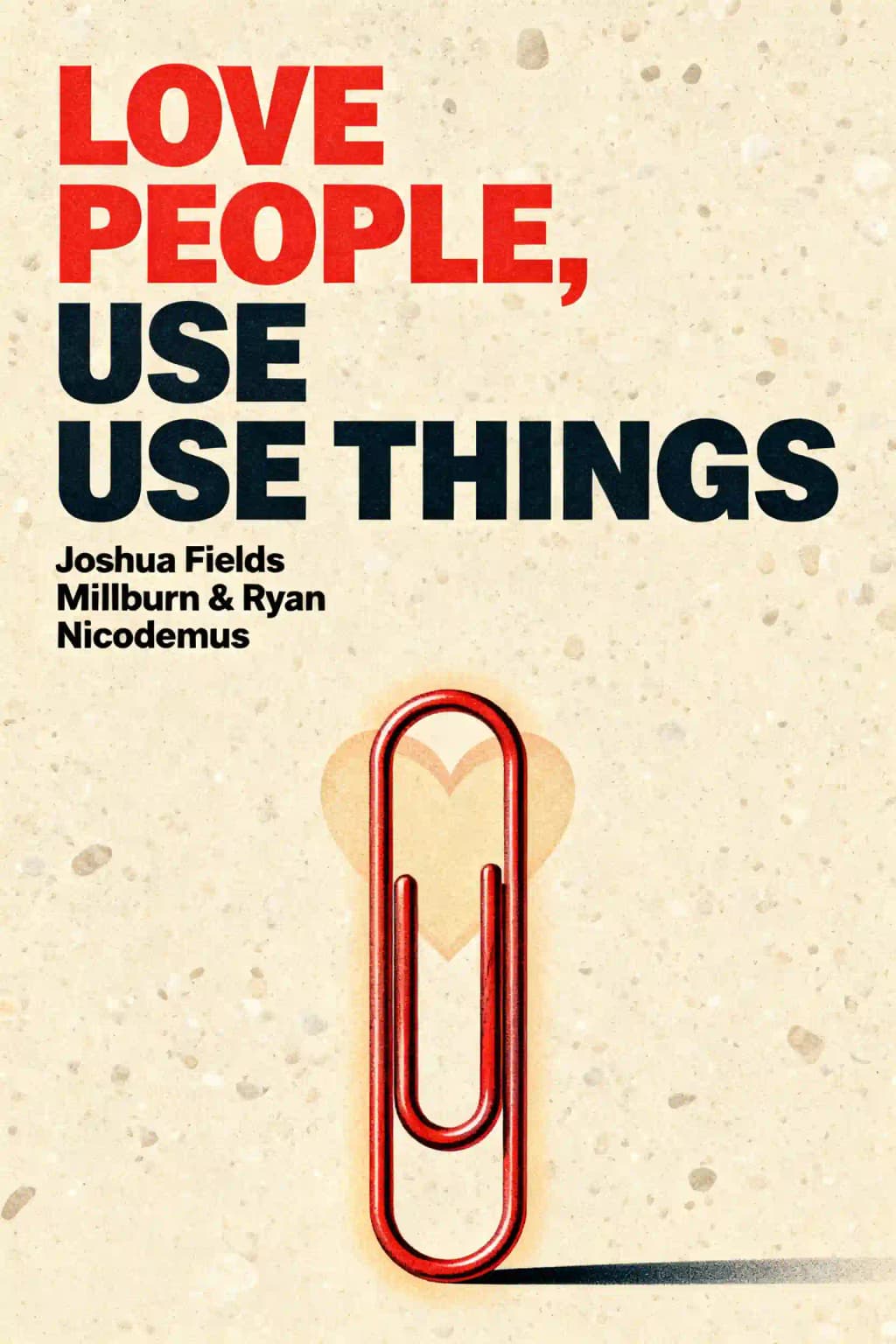
In "Love People, Use Things," The Minimalists reveal why relationships trump possessions. With 140 million podcast downloads, their anti-consumerism philosophy has sparked a decluttering revolution. Readers often stop mid-chapter to reorganize their homes - will you find what truly matters?
著者の声を通じて本を感じる
知識を魅力的で例が豊富な洞察に変換
キーアイデアを瞬時にキャプチャして素早く学習
楽しく魅力的な方法で本を楽しむ
We live surrounded by more than we could ever need, yet somehow it's never enough. The average American household contains over 300,000 items. Three hundred thousand. And yet, when asked what brings meaning to their lives, no one points to their closets, their garages, or their storage units. Instead, they speak of moments with people they love, experiences that changed them, connections that sustained them. So why do we keep accumulating? Why do half of all households have no savings while our homes bulge with unused possessions? The answer lies in a fundamental confusion: we've reversed the equation. We love things and use people, when it should be the opposite. This reversal doesn't happen overnight-it's a gradual drift, one purchase at a time, until we wake up drowning in debt and stuff, wondering why success feels so hollow. Before the pandemic, Americans collectively owed more than $14 trillion in debt. The average person carried four credit cards with over $16,000 in balances. Sixty-two percent couldn't produce $1,000 for an emergency-even among high earners. This isn't about income; it's about spending. We've expanded our lives in every direction: homes have doubled in size over fifty years, we maintain 52,000 storage facilities (six times the number of Starbucks), and our garages overflow with items we've forgotten we own. American children possess 40% of the world's toys yet play with only 12 of their average 200 daily. If everyone consumed like Americans, we'd need nearly five Earths. The true cost extends beyond purchase prices-every possession demands space, maintenance, repair, eventual replacement, and emotional bandwidth. We cling to rotary phones and cassette tapes out of nostalgia, filling basements and attics with things we no longer use.
『Love People, Use Things』の核心的なアイデアを分かりやすいポイントに分解し、革新的なチームがどのように創造、協力、成長するかを理解します。
『Love People, Use Things』を素早い記憶のヒントに凝縮し、率直さ、チームワーク、創造的な回復力の主要原則を強調します。

鮮やかなストーリーテリングを通じて『Love People, Use Things』を体験し、イノベーションのレッスンを記憶に残り、応用できる瞬間に変えます。
何でも質問し、声を選び、本当にあなたに響く洞察を一緒に作り出しましょう。

"Instead of endless scrolling, I just hit play on BeFreed. It saves me so much time."
"I never knew where to start with nonfiction—BeFreed’s book lists turned into podcasts gave me a clear path."
"Perfect balance between learning and entertainment. Finished ‘Thinking, Fast and Slow’ on my commute this week."
"Crazy how much I learned while walking the dog. BeFreed = small habits → big gains."
"Reading used to feel like a chore. Now it’s just part of my lifestyle."
"Feels effortless compared to reading. I’ve finished 6 books this month already."
"BeFreed turned my guilty doomscrolling into something that feels productive and inspiring."
"BeFreed turned my commute into learning time. 20-min podcasts are perfect for finishing books I never had time for."
"BeFreed replaced my podcast queue. Imagine Spotify for books — that’s it. 🙌"
"It is great for me to learn something from the book without reading it."
"The themed book list podcasts help me connect ideas across authors—like a guided audio journey."
"Makes me feel smarter every time before going to work"

Love People, Use Thingsの要約をPDFまたはEPUBで無料でダウンロード。印刷やオフラインでいつでもお読みいただけます。