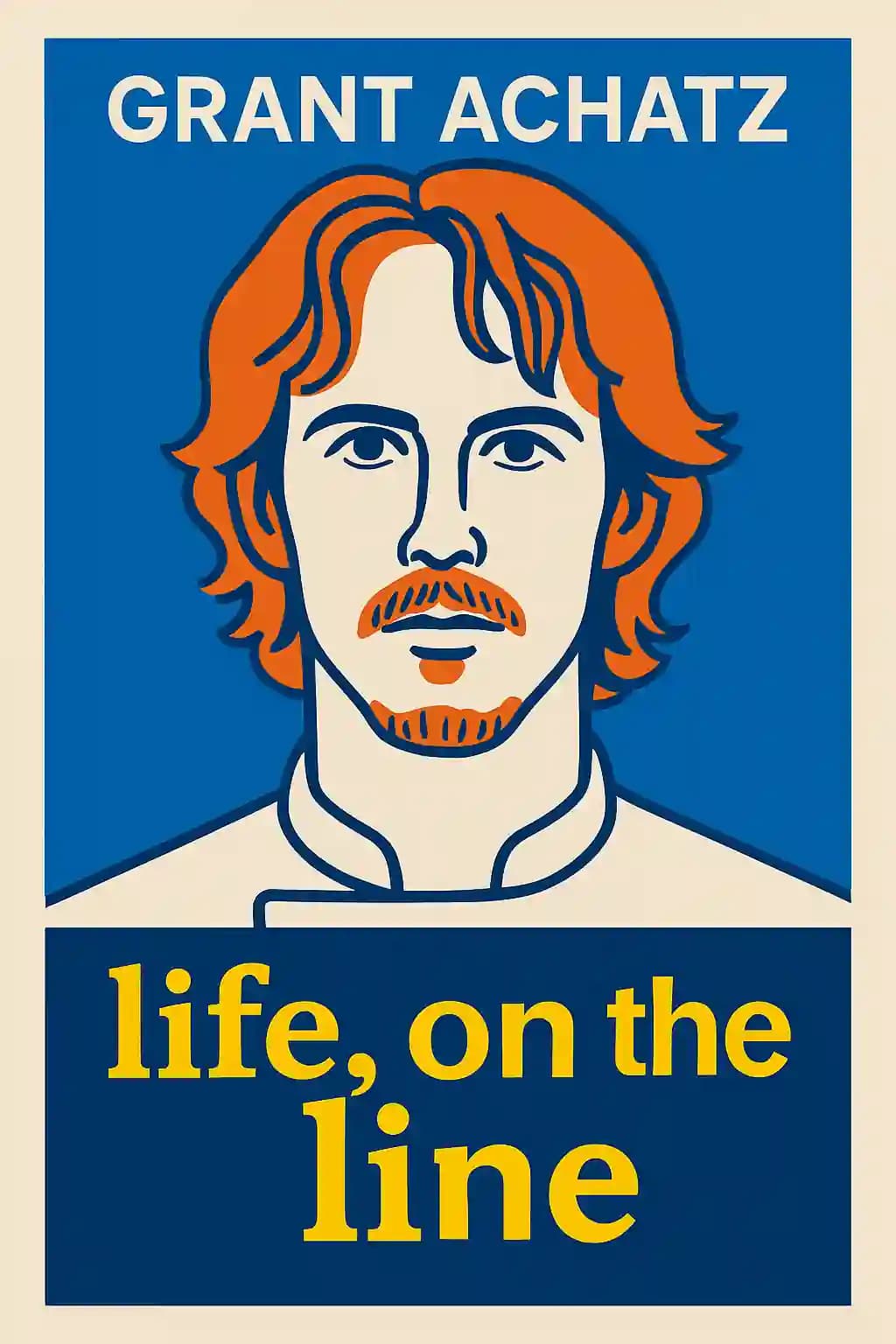
Life, on the Line
A Chef Cooking for His Life
『Life, on the Line』の概要
A chef's harrowing journey through culinary greatness and Stage IV tongue cancer. Grant Achatz revolutionized molecular gastronomy at Alinea while facing death, inspiring countless chefs worldwide. How did a man who lost his sense of taste redefine modern dining forever?

『Life, on the Line』の主要テーマ
- molecular gastronomy
- tongue cancer survival
- culinary innovation
- sensory loss
- fine dining apprenticeship
『Life, on the Line』の名言
Food wasn't just a profession-it was their identity.
Chef Keller was God; try to be exactly
『Life, on the Line』の登場人物
- Grant AchatzThe protagonist and innovative chef
- Thomas KellerRenowned chef and owner of The French Laundry
- Charlie TrotterExacting chef and owner of Charlie Trotter's
- Cindy MorganGrant's high school girlfriend
- TimGrant's cousin and childhood companion
Life, on the Lineの要約をダウンロード
Life, on the Lineの要約をPDFまたはEPUBで無料でダウンロード。印刷やオフラインでいつでもお読みいただけます。
この本に関するよくある質問
Life, on the Line chronicles chef Grant Achatz’s rise to culinary fame, his battle with stage IV tongue cancer, and his partnership with Nick Kokonas to build Alinea, a groundbreaking Chicago restaurant. The memoir intertwines themes of creativity, resilience, and friendship, offering insights into high-pressure kitchens, innovative cooking techniques, and overcoming life-threatening adversity.
This book appeals to food enthusiasts, aspiring chefs, and anyone inspired by stories of personal triumph. It resonates with readers interested in culinary innovation, cancer survival narratives, or the dynamics of creative partnerships.
Yes—critics and readers praise its raw honesty, gripping storytelling, and unique perspective on fine dining. The book’s blend of culinary artistry and human resilience makes it a standout memoir, earning accolades like the James Beard Award.
Achatz opted for aggressive chemotherapy and radiation instead of tongue removal, losing his sense of taste temporarily. He trained his team to replicate his palate, relying on texture and aroma to maintain Alinea’s quality. His recovery is hailed as a medical and personal miracle.
Kokonas, Achatz’s business partner, co-founded Alinea and supported him through cancer treatment. His financial acumen and loyalty helped sustain the restaurant during Achatz’s illness, underscoring their deep professional and personal bond.
Achatz emphasizes experimentation, like using liquid nitrogen or aromatic gels, and sourcing rare ingredients. The book reveals how he balances artistic vision with practical challenges, such as cost constraints and customer expectations.
Achatz earned the James Beard Rising Star Chef Award (2003) and Outstanding Chef Award (2008). Alinea was named Best Restaurant in America by Gourmet in 2006, cementing his status as a culinary trailblazer.
The book details immense pressure to innovate, manage costs, and maintain perfection. Negative reviews, staffing issues, and the physical toll of long hours are recurring themes, showcasing the industry’s demands.
Alinea represents Achatz’s culinary vision—a Michelin-starred venue known for avant-garde dishes like edible balloons. Its success symbolizes his triumph over cancer and redefinition of modern dining.
Unlike typical memoirs, it focuses equally on medical survival and creative partnership. Its depth on innovation (e.g., multi-sensory meals) and vulnerability sets it apart from books like Kitchen Confidential.
Some readers note its niche appeal, with dense culinary terminology and minimal focus on Achatz’s personal life outside work. However, most praise its candid portrayal of ambition and adversity.
Achatz and Kokonas’s journey illustrates risk-taking, adaptability, and teamwork. Their strategies for scaling creativity—like Alinea’s ticket system—offer lessons for innovators in any field.


