第1章
DNA's Dynamic Dance: How Our Genes Shape and Are Shaped By Us
Remember the seventh grade? Whether strikingly clear or lost in childhood's fog, you're carrying it with you-not just psychologically, but genetically. Your body constantly transforms as every experience leaves an indelible mark within your genome. This contradicts what most of us learned about genetic inheritance being fixed at conception. Right now, your DNA is being modified, with genetic switches turning on and off in response to what you're doing, seeing, and feeling.
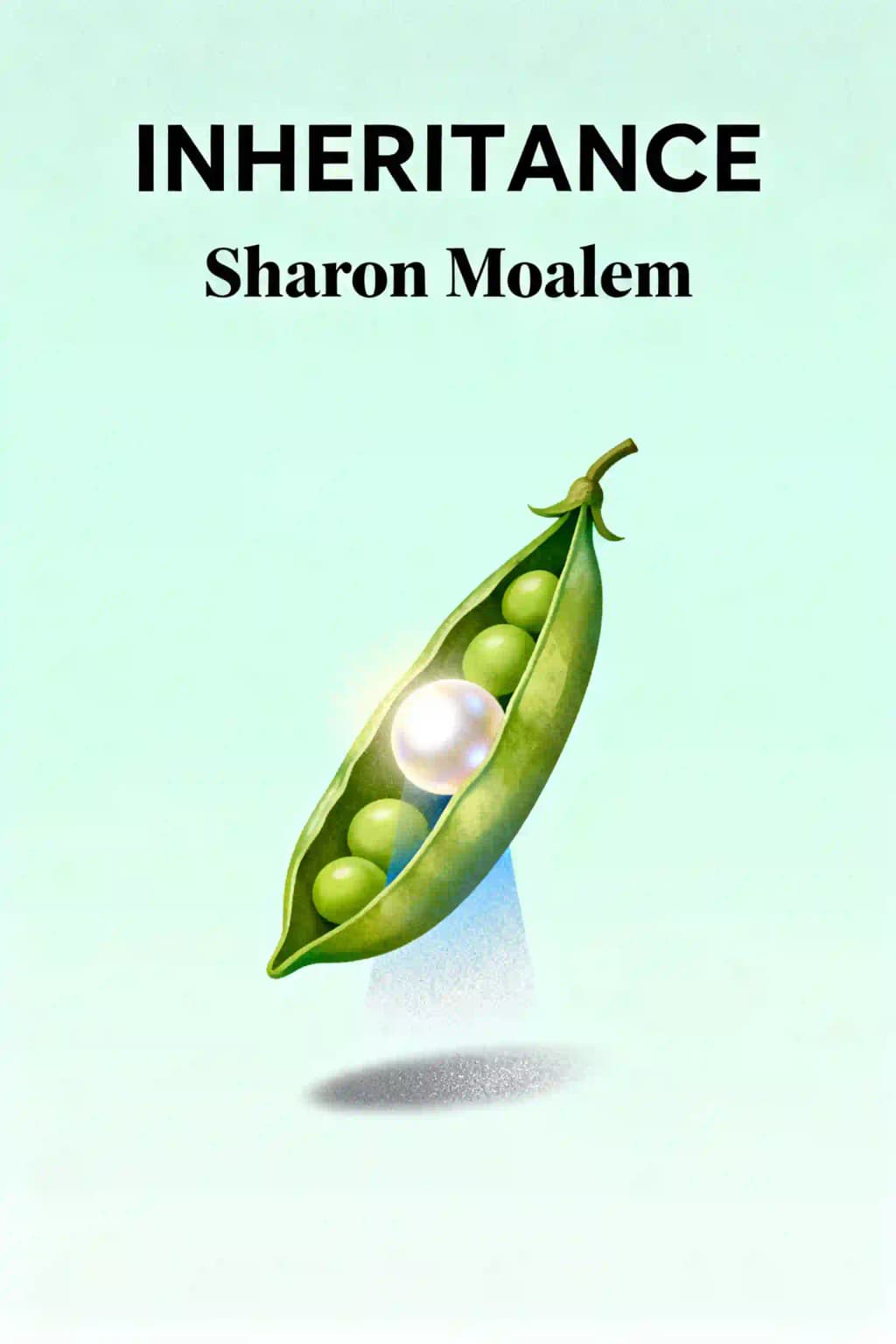
Sharon Moalem's "Inheritance" has become a cultural touchstone for those seeking to understand their biological destiny. Endorsed by celebrities like Gwyneth Paltrow, who featured it in her Goop book club, and praised by scientific luminaries, this book challenges our fundamental understanding of genetics. As genetic testing companies like 23andMe and Ancestry have exploded in popularity, Moalem's insights provide the crucial context missing from those colorful pie charts of ethnic heritage. His work reveals that we are not prisoners of our DNA-we are its collaborators, constantly rewriting our genetic story through our daily choices.
第2章
The Genetic Detective: How Specialists Read Your Body's Story
For New York chef Jeff, following health trends meant nothing when his own genetic makeup told a different story. After his blood work showed high cholesterol, he reluctantly embraced a fruit-and-vegetable-rich diet to avoid medication. Paradoxically, after three years of "eating right," Jeff felt worse-bloated, nauseated, and tired. Medical investigations revealed liver cancer, shocking everyone since Jeff had no typical risk factors. The culprit? Hereditary fructose intolerance (HFI), a rare genetic condition preventing proper breakdown of fructose, causing toxic buildup in the liver. For people with HFI, fruit isn't healthy-it's deadly.
Things are changing rapidly in genetics. While genome sequencing was once prohibitively expensive, today it costs less than a high-quality television and continues getting cheaper. This flood of genetic data reveals crucial information that could have helped Jeff make better health decisions. Traditional medicine has long based treatments on what works for most people, but genetic sequencing shows that absolutely no one is "average"-everyone has genetic variations that can be medically significant.
Surprisingly, a genetic examination doesn't necessarily start with DNA samples. By simply examining physical characteristics-skin texture, joint flexibility, or palm lines-a geneticist can gather significant information. While DNA analysis under microscopes can reveal chromosomal arrangements, much can be learned through careful observation of visible traits.
Looking at facial features like eye spacing, symmetry, lip fullness, or chin size can reveal genetic information. For example, orbital hypertelorism (wider-spaced eyes) is not just a trait found in attractive people like Jackie Kennedy Onassis and Michelle Pfeiffer, but also appears in over 400 genetic conditions. Our faces serve as biological trademarks, revealing our genetic workmanship and developmental history-which is why humans evolved to pay such close attention to facial features for quick assessments of kinship, health, and parental suitability.
Your hands and feet similarly reveal remarkable genetic insights. Palm creases can indicate conditions like fetal alcohol spectrum disorder or Down syndrome. Finger characteristics are equally telling: excessive length (arachnodactyly) may suggest Marfan syndrome; curved pinkies (clinodactyly) connect to over 60 syndromes; and wide thumbs might indicate Hirschsprung's disease. Simple flexibility tests, like bending your thumb to your wrist, can identify conditions like Ehlers-Danlos syndrome that might require medication to prevent aortic dissection. These low-tech observations often reveal as much as sophisticated genetic testing, demonstrating how geneticists combine subtle physical clues with technical analysis to diagnose conditions.
第3章
Beyond Mendel: The Jazz Improvisation of Your Genes
Beyond the binary Mendelian understanding of genetics lies a more nuanced reality-our genes function not like a rigid musical score but rather like a jazz club where improvisation flourishes. While we start with a genetic foundation, there's considerable flexibility in how these genes express themselves. Just as musicians can play instruments loudly or softly, quickly or slowly, our bodies use genes with similar versatility.
This genetic expression responds constantly to our actions and thoughts-from simple movements that trigger biochemical reactions to complex emotional responses that create neural pathways. The business world offers illuminating parallels to genetic expression. De Beers controls diamond supply to maintain artificial scarcity and value, while companies like Toyota pioneered just-in-time manufacturing to minimize inventory costs. Our bodies operate on similar principles of efficiency-producing enzymes only when needed rather than storing excess capacity.
Like Costco's high labor productivity model, our biology aims to accomplish the most with minimal resources. When circumstances change, our bodies adapt-producing more alcohol dehydrogenase enzymes during drinking binges or allowing astronauts' hearts to shrink by 25% in zero gravity when that extra cardiac capacity isn't needed. These examples demonstrate that our genetic inheritance isn't a fixed destiny but a responsive system that constantly adjusts to life's demands.
The yellow water buttercup exemplifies this flexibility, completely changing its leaf structure from rounded blades to threadlike hairs when water levels rise, without any change to its genome. This phenotypic plasticity mirrors how human bodies can adapt to different environments. Our genes are part of a flexible network, contrary to the rigid determinism many associate with genetics. As Mendel couldn't see in his peas, it's not just what our genes give us that matters, but what we give to our genes-nurture can and does trump nature.
第4章
The Lasting Impact: How Trauma Rewrites Our Genetic Code
Epigenetics studies how gene expression changes from life conditions without altering DNA. Methylation is a key process where chemical compounds attach to DNA, programming cells for specific functions by turning genes on or off. These modifications can influence health outcomes from cancer to longevity.
Research reveals surprising applications of epigenetics. Spanish researchers found they could predict which teenagers would lose weight at summer camp based on their pre-existing methylation patterns. This demonstrates how our unique epigenome influences our response to interventions like diet changes.
Trauma creates lasting epigenetic changes. In Zurich, scientists separated baby mice from their mothers daily for two weeks. These mice grew into maladjusted adults who gave up easily in challenging situations-behaviors transmitted to their offspring for generations, even without direct contact. The affected genes, Mecp2 and Crfr2, exist in both mice and humans.
Bullying similarly alters human genetics. Researchers studying identical twins found that by age 12, bullied twins showed increased methylation of the SERT gene compared to their non-bullied siblings. This epigenetic change persisted and corresponded with blunted cortisol responses during stress-a protective adaptation similar to PTSD that can lead to depression and alcoholism later in life.
Larger traumas affect populations similarly. After 9/11, pregnant women near the Twin Towers who developed PTSD had lower cortisol levels-as did their babies, especially those in the third trimester during the attacks. These children remain more easily distressed years later.
Our genes maintain records of trauma long after psychological healing, and mounting evidence suggests these changes pass to future generations. Specific "windows of epigenetic susceptibility" during fetal development mean maternal stress, nutrition, and obesity can permanently reprogram a baby's metabolism. We are the genetic culmination of not just our own experiences but those of our ancestors-challenging traditional Mendelian inheritance and revealing how our choices affect generations to come.
第5章
The Living Skeleton: How Bones Adapt to Our Lives
When I entered the hospital room, I found three-year-old Grace, a tiny girl in a hospital gown with perspiration on her brow from the pain of her fractures. With modern treatments combining drugs, physical therapy, and medical interventions, Grace transformed from a fragile toddler to a brave, adventurous girl. Her story demonstrates how environmental factors can help overcome genetic limitations-just as all our bones constantly break and rebuild themselves.
Our skeletons are alive and constantly remodeling through a microscopic battle between two types of cells: osteoclasts (the "Wreck-It Ralphs") that break down bone, and osteoblasts (the "Fix-It Felixes") that rebuild it. This partnership completely renews our skeletal structure every decade, creating personalized skeletons that withstand a lifetime of physical activity.
For specific conditions, researchers are revisiting therapies once considered outlandish, like vibration therapy (pioneered by Dr. John Harvey Kellogg), to trigger osteoclasts and osteoblasts to strengthen bones in patients with osteogenesis imperfecta or osteoporosis.
Even perfect genetic inheritance can be compromised by disuse, aging, poor diet, and hormonal changes. Some genetic mutations create devastating bone disorders, like fibrodysplasia ossificans progressiva (FOP or "stone man syndrome") affecting Ali McKean, whose endothelial cells transform into bone-producing osteoblasts. When Ali gets injured, her body responds by growing bone at the injury site. The condition is linked to mutations in the ACVR1 gene, though most cases arise from new mutations rather than inheritance. A subtle clue-Ali's short, bent big toe-might have helped diagnose her condition earlier.
Our bones record our life experiences. The sailors of Henry VIII's sunken ship Mary Rose had enlarged left shoulder bones from drawing heavy longbows. Modern children's spines show the effects of overloaded backpacks, while babies sleeping on their backs (to prevent SIDS) often develop positional plagiocephaly-slightly misshapen heads that parents increasingly correct with cranial remodeling helmets.
Beyond shape, our bones' true strength lies in flexibility. Unlike Michelangelo's David, whose marble ankles are cracking from centuries of vibrations, our bones regenerate through collagen production. Collagen-from the Greek word for glue-provides structural support throughout our body, from bones to skin to artery walls. It comes in over two dozen types, with Type I comprising 90% of our body's collagen.
A single letter mutation in our genetic code-like changing one note in Beethoven's "Fur Elise"-can dramatically alter collagen production, resulting in brittle bones. This demonstrates how we're all just one genetic letter away from life-altering conditions.
第6章
The Personalized Plate: Why One Person's Superfood Is Another's Poison
Richard's case demonstrates how subtle genetic conditions can profoundly affect behavior and cognition. Despite having a milder form of ornithine transcarbamylase (OTC) deficiency than Cindy, Richard experienced leg pain and concentration issues at school that were directly related to his protein consumption. The pepperoni stick in his pocket revealed his family's skepticism about his condition, but when he finally adhered to a low-protein diet, not only did his leg pain disappear, but his school performance dramatically improved and his behavior normalized.
This transformation raises important questions about how many children with behavioral or cognitive issues might actually have undiagnosed metabolic conditions. Before phenylketonuria (PKU) was understood, children with this condition were simply classified as having intellectual disabilities. Similarly, some children diagnosed with cognitive impairments or autism spectrum disorders today might have underlying metabolic diseases that could be addressed with proper diagnosis and treatment.
The lesson from Cindy, Richard, and Jeff is clear: we are all individuals with unique genetic, epigenetic, and microbiome profiles. Optimizing nutrition isn't just about preventing deficiencies but about understanding our personal genetic makeup. With advancing genetic sequencing technology, we're moving toward truly personalized diets tailored to our individual genetic inheritance. And as we'll see next, this personalization extends beyond diet to medication as well.
第7章
Medication Mismatch: When Standard Doses Become Deadly
For those without access to comprehensive genetic testing, climbing your family tree can provide valuable information. Asking relatives about drug reactions might save your life, as even small details can reveal crucial genetic patterns. This is why Mormons, with their religious practice of detailed genealogical research, may be leading the way in genetic health. Their meticulous family records, maintained for religious purposes but available publicly, combined with their typically clean lifestyle choices (avoiding caffeine, alcohol, and drugs), create fewer complicating factors when analyzing genetic and environmental influences.
You don't need to be Mormon to give your descendants valuable genetic information. Creating a thorough family health history is one of the most valuable gifts you can provide. These details help answer personalized health questions: What's the best drug dosage for my genotype? How can I avoid the Prevention Paradox? What nutritional strategies best serve my genetic needs? By seeking these answers, you'll discover the genetic qualities that make you uniquely original.
The story of Meghan, a two-year-old who died after receiving a standard dose of codeine following a tonsillectomy, illustrates the dangers of ignoring genetic variation in drug metabolism. Meghan had multiple copies of the CYP2D6 gene, making her an "ultra-rapid metabolizer" who converted codeine to morphine much faster than average, resulting in a fatal overdose from a supposedly safe medication. Her tragic case led to FDA warnings against codeine use in children after tonsillectomies, but countless other medications still pose similar risks to people with genetic variations in drug-processing enzymes.
第8章
Left, Right, and Center: How Our Bodies Choose Sides
The story of Mark "Occy" Occhilupo connects to the broader concept of laterality-how our bodies develop with specific organs on specific sides. Just as surfboards gained stability from Tom Blake's invention of the skeg (fin) in the 1930s, our embryonic development depends on nodal cilia-tiny protein "antennae" that create directional fluid currents around the developing embryo. These currents establish chemical gradients that trigger the right genes to express at the right time, determining where organs like the liver (right side) and spleen (left side) will form.
When cilia malfunction due to genetic changes, developmental balance goes awry. Proteins like Sonic Hedgehog, Lefty2, and Nodal compete for "supremacy in the realm of laterality." Malfunctioning cilia can cause conditions ranging from missing organs (like spleenlessness) to multiple organs (polysplenia) to complete reversal of organ placement (situs inversus). These ciliopathies affect everything from our vascular plumbing to neurological wiring.
Cilia are ubiquitous throughout our bodies-from sperm tails (modified cilia called flagella) to the fallopian tubes to our lungs, where they clear mucus and debris. Genetic conditions like primary ciliary dyskinesia (PCD) from mutations in genes like DNAI1 and DNAH5 cause breathing difficulties and blocked sinuses. Laterality is fundamental to human development, with even our basic biochemistry showing preference for "left-handed" molecular configurations in amino acids, the building blocks of proteins.
Our genetic code dictates this preference for left-handed amino acids, which NASA scientists discovered may have extraterrestrial origins after finding more left-handed than right-handed amino acids in a meteorite from Tagish Lake. This laterality extends to supplements like vitamin E, where artificially produced forms can counteract natural variants found in foods, suggesting we're better off getting nutrients from natural sources that provide the correct molecular handedness our bodies evolved to use. Our genes orchestrate this delicate balance of laterality that shapes everything from our internal organs to our fingertips.
第9章
Superhuman Potential: The Genetic Outliers Among Us
My humbling experience climbing Mount Fuji revealed how genetics determines our adaptability to extreme conditions. Despite being young and healthy, I suffered severe altitude sickness while an elderly Japanese woman effortlessly passed me.
For those without high-altitude genes, acclimatization requires time as our bodies increase erythropoietin (EPO) production to stimulate red blood cell production. While beneficial for oxygen transport, increased red blood cells thicken blood, potentially increasing clotting risk-a biological trade-off.
This extra EPO can provide energy benefits, which is why synthetic EPO became popular among endurance athletes like Lance Armstrong before testing was developed. Some athletes, like Finnish cross-country skier Eero Mantyranta, have natural genetic advantages-his primary familial and congenital polycythemia gave him 50% more oxygen-carrying capacity from a single DNA letter change in his EPOR gene.
Sherpas demonstrate remarkable adaptation through a different genetic mutation in EPAS1 that actually produces fewer red blood cells, providing stability rather than thickness-essential for permanent high-altitude living. This may represent one of the fastest documented cases of human evolution, occurring in just 500 years since they arrived near Mount Everest.
Pain serves as our fundamental protection system, providing the basic feedback needed for development. For pain signals to transmit properly, specific proteins must function correctly. Scientists discovered mutations in the SCN9A gene in people with congenital insensitivity to pain after investigating a Pakistani boy who performed as a human pincushion. This boy tragically died before age fourteen after jumping off a building to impress friends.
These conditions are called channelopathies, where nonfunctioning gates on cell surfaces prevent pain signals from being transmitted. Scientists have now identified nearly 400 genes involved in pain response, opening possibilities for selective pain management treatments that maintain pain's vital protective functions.
Our genetic inheritance affects far more than just pain response. Looking at genes as an interconnected network rather than isolated elements is the next research frontier, complicated by how our ancestors' life experiences also shape our genetic landscape. Understanding these personal genetic gifts helps us make better life decisions-from adventure choices to where we live and what we eat.
第10章
The Genetic Crystal Ball: Promise, Privacy, and Peril
Cancer is the black death of our time-ironically a sign of progress, as we've tamed many infectious diseases that historically killed humans. Today, our greatest dangers often come from within. About 7.6 million people die of cancer annually worldwide, and four in ten people will be diagnosed with cancer in their lifetime.
When asked on Edward R. Murrow's show if cancer-causing agents had been identified in cigarettes, Clarence Cook Little simply answered "No," then elaborated that while cigarettes themselves didn't cause cancer, tar from smoking might contain cancer-forming substances. This artful dodge exemplified Big Tobacco's strategy-not technically lying while obscuring the truth.
More revealing was Little's interest in determining "what kind of people are heavy smokers"-suggesting genetic predisposition rather than cigarettes themselves might be the real problem. This strategy of shifting blame to genetic susceptibility is being adopted by other industries, from soft drinks to fast food manufacturers.
The Burlington Northern Santa Fe railroad (BNSF) demonstrated how far companies might go. Rather than improving workplace safety, they secretly tested employees who filed carpal tunnel syndrome claims for genetic markers indicating susceptibility to wrist injuries. This led to a $2.2 million settlement with the Equal Employment Opportunity Commission for violating the Americans with Disabilities Act.
While the 2008 Genetic Information Nondiscrimination Act (GINA) now protects against genetic discrimination in employment and health insurance, it doesn't cover life or disability insurance. Even more concerning, researchers have demonstrated that supposedly anonymous genetic data can be de-anonymized using genealogy websites and basic information like age and state of residence.
With social media revealing health histories and public genealogy records, employers, insurers, or even potential partners could discover your genetic vulnerabilities without your knowledge. This raises profound ethical questions, as illustrated by David, who contacted me about secretly testing his fiancee Lisa's DNA after learning her biological mother likely died from Huntington's disease-a fatal genetic disorder Lisa didn't want to be tested for.
As genetic testing becomes cheaper and easier, we'll face more ethical dilemmas about whether to "hack" someone's genome. Meanwhile, our own behaviors continually damage our DNA-from air travel radiation to sun exposure, alcohol consumption, tobacco smoke, insecticides, and chemicals in personal care products.
第11章
The Gift of Rarity: How Uncommon Conditions Illuminate Universal Truths
Moalem reflects on how our bodies function through complex genetic mechanisms that largely go unnoticed. Most biological processes happen "in the shadows"-from heartbeats to breathing to healing-with our genomes constantly responding to environmental needs through expression and repression. We typically remain "blissfully ignorant" of these genetic underpinnings until something goes wrong. Like pipes in a home, we don't think about what's happening until something breaks. Our bodies maintain a precarious balance, sending molecular signals that remind us to eat, drink, and sleep, yet most of us live in "a state of almost complete physiological and genetic ignorance."
The remarkable case of Thomas and Nicholas, who shared the same SOX18 mutation despite being separated by 4,000 miles and 24 years, led to the identification of a new condition: HLTRS (hypotrichosis-lymphedema-telangiectasia-renal syndrome). Nicholas received a kidney from his father and is thriving socially and academically. This discovery will benefit future patients with this condition through earlier diagnosis and specialized care. Though extremely rare, these cases demonstrate how studying genetic outliers provides profound insights for everyone else.
Rare disorders collectively affect about 30 million Americans-one in ten people. These genetic outliers help scientists understand fundamental biological processes. For instance, Nicholas and Thomas's SOX18 mutation could reveal how cancers hijack the lymphatic system and improve kidney disease treatments. As James Paget noted in 1882, rare conditions are "not one without meaning" but rather potential beginnings of "excellent knowledge."
The story of familial hypercholesterolemia (FH) perfectly illustrates how rare diseases inform common treatments. People with FH inherit dangerously high LDL levels from birth due to mutations in the LDLR gene. Norwegian physician Carl Muller's 1930s research into FH laid the groundwork for developing statins, drugs that target the HMG-CoA reductase enzyme involved in cholesterol production. Atorvastatin (Lipitor) became one of history's most successful pharmaceuticals, saving millions of lives worldwide.
People with Laron syndrome, standing less than 4'10" with distinctive facial features, appear virtually immune to cancer. Unlike Gorlin syndrome (which promotes cellular growth and cancer susceptibility), Laron syndrome represents a form of cellular growth restriction or "extreme cellular totalitarianism." This demonstrates the crucial balance between growth promotion and restriction in our bodies.
Moalem expresses profound gratitude to people with rare disorders and their families, describing them as among the toughest people he's ever met-patients and families showing incredible courage facing challenging diagnoses. He highlights Nicholas's mother Jen, nicknamed "Kung-Fu Momma" for her resolute advocacy. These rare disease families remind us to appreciate seemingly inconsequential biological processes we take for granted, while teaching us what it means to be human-to live, overcome, and love. Most importantly, hiding inside everyone with a rare genetic condition is a secret that, if shared, might one day help cure us all.