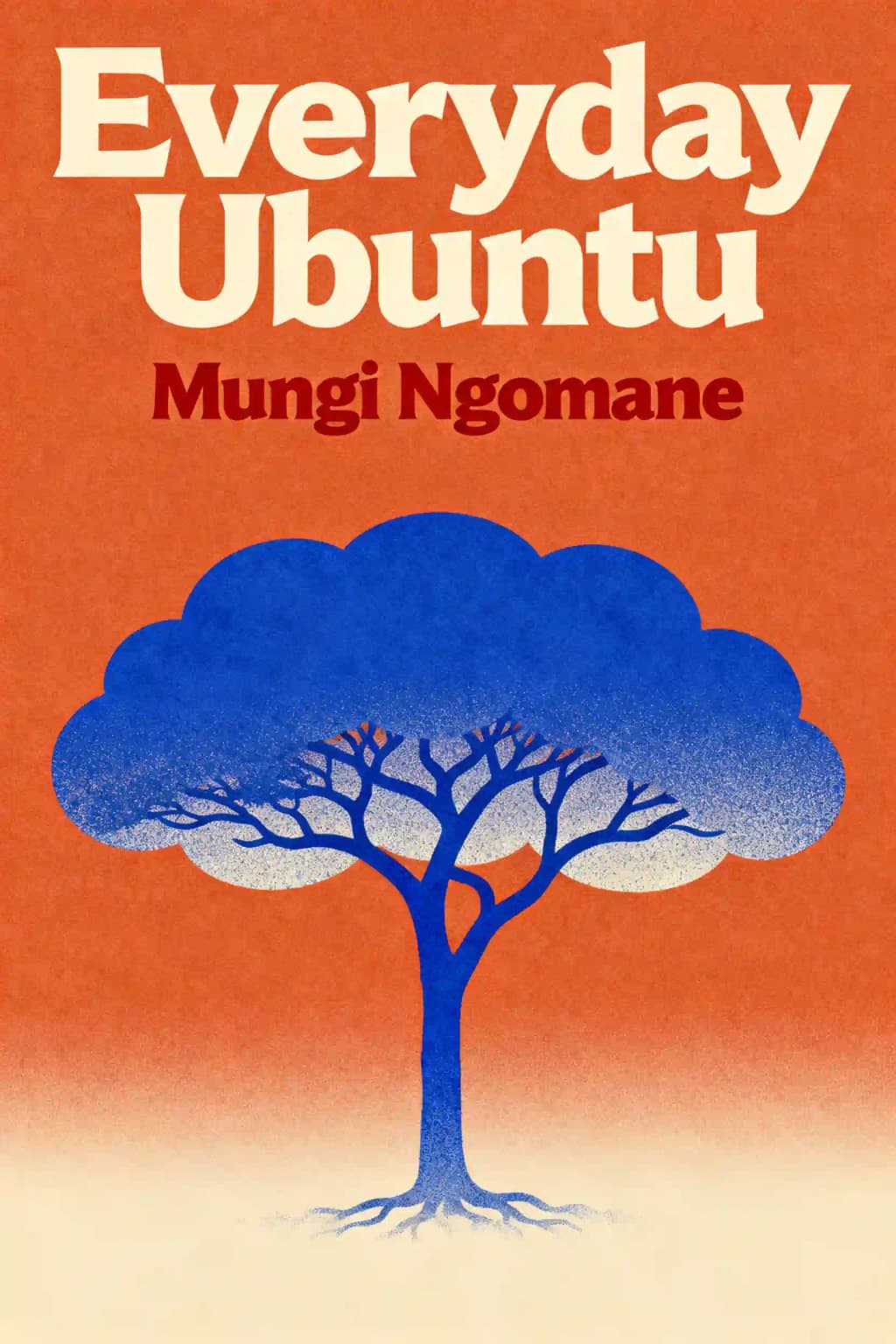
In "Everyday Ubuntu," Mungi Ngomane reveals the African philosophy that's transforming how we connect with others. With a 3.96 Goodreads rating, this practical guide asks: What if the antidote to our divided world has existed in African wisdom all along?
Mungi Ngomane, author of Everyday Ubuntu: Living Better Together, the African Way, is a human rights advocate and intercultural peacebuilding expert rooted in the philosophy of Ubuntu.
The granddaughter of Nobel Peace Prize laureate Archbishop Desmond Tutu, Ngomane holds a master’s degree in International Studies and Diplomacy from SOAS, University of London, and has worked with organizations like the Tutu Foundation UK and Millions of Conversations to advance conflict resolution, refugee rights, and gender equity.
Her book, a definitive guide to Ubuntu’s principles of communal dignity and interconnectedness, blends personal heritage with practical wisdom, reflecting her experience in Middle East peace initiatives and global advocacy. Ngomane hosts the Everyday Ubuntu Podcast, featuring dialogues with thought leaders like award-winning journalist Tre’vell Anderson, and frequently speaks at international forums, including Church of the Brethren events.
Illustrated with vibrant photography, Everyday Ubuntu has been celebrated in global workshops and a 2024 documentary film, The Spirit of Ubuntu, underscoring its enduring relevance in fostering social harmony.
Everyday Ubuntu explores the South African philosophy of Ubuntu, which emphasizes interconnectedness and mutual respect. Through 14 practical lessons, Mungi Ngomane illustrates how recognizing shared humanity can foster empathy, community, and personal growth. The book blends personal stories, historical context (including apartheid and the Rwandan genocide), and African proverbs to show how Ubuntu principles apply to modern life.
This book is ideal for readers seeking to cultivate compassion, resolve conflicts, or build inclusive communities. It resonates with those interested in African philosophy, social justice advocates, and anyone navigating divisive cultural or political climates. Ngomane’s accessible writing also makes it suitable for educators and parents teaching empathy to younger audiences.
Yes, Everyday Ubuntu offers timeless wisdom for fostering unity in a divided world. Reviewers praise its blend of storytelling, actionable advice, and historical insights, calling it a “refreshing perspective” on collective well-being. The inclusion of Desmond Tutu’s foreword and vibrant design further enhances its value.
Key lessons include:
Ubuntu, derived from Zulu wisdom, means “I am because we are.” It asserts that human dignity and community bonds are inseparable. Ngomane quotes her grandfather Desmond Tutu: “My humanity is caught up, is inextricably bound up, in yours,” emphasizing mutual responsibility and compassion.
The book examines apartheid’s legacy and South Africa’s reconciliation process, alongside the Rwandan genocide. These examples highlight Ubuntu’s role in healing divided societies and underscore the dangers of dehumanization.
Notable proverbs include:
Ngomane suggests practices like:
As Tutu’s granddaughter, Ngomane expands on his “Rainbow Nation” vision, linking Ubuntu to global human rights. The foreword by Tutu underscores the philosophy’s relevance to modern justice movements.
Some readers find its graphic historical accounts (e.g., genocide) unsettling, though these serve to stress Ubuntu’s urgency. Others note the philosophy’s simplicity, but Ngomane counters with actionable frameworks for complex scenarios.
Unlike individualism-focused guides, Everyday Ubuntu prioritizes community and systemic change. It aligns more with works like Braiding Sweetgrass (Robin Wall Kimmerer) than productivity-centric titles, offering a culturally rooted path to collective thriving.
The book tackles polarization, racism, and sexism, advocating Ubuntu as a tool for bridging divides. Ngomane ties it to contemporary movements like #BlackLivesMatter and refugee rights advocacy, urging systemic empathy.
著者の声を通じて本を感じる
知識を魅力的で例が豊富な洞察に変換
キーアイデアを瞬時にキャプチャして素早く学習
楽しく魅力的な方法で本を楽しむ
Ubuntu is about our interconnectedness, our common humanity, and our responsibility to each other.
A person is a person through other people.
I am because you are.
Everyone counts, everyone contributes, and together we accomplish far more than we could individually.
We are far more united and have far more in common than that which divides us.
『Everyday Ubuntu: Living Better Together, the African Way』の核心的なアイデアを分かりやすいポイントに分解し、革新的なチームがどのように創造、協力、成長するかを理解します。
『Everyday Ubuntu: Living Better Together, the African Way』を素早い記憶のヒントに凝縮し、率直さ、チームワーク、創造的な回復力の主要原則を強調します。

鮮やかなストーリーテリングを通じて『Everyday Ubuntu: Living Better Together, the African Way』を体験し、イノベーションのレッスンを記憶に残り、応用できる瞬間に変えます。
何でも質問し、声を選び、本当にあなたに響く洞察を一緒に作り出しましょう。

"Instead of endless scrolling, I just hit play on BeFreed. It saves me so much time."
"I never knew where to start with nonfiction—BeFreed’s book lists turned into podcasts gave me a clear path."
"Perfect balance between learning and entertainment. Finished ‘Thinking, Fast and Slow’ on my commute this week."
"Crazy how much I learned while walking the dog. BeFreed = small habits → big gains."
"Reading used to feel like a chore. Now it’s just part of my lifestyle."
"Feels effortless compared to reading. I’ve finished 6 books this month already."
"BeFreed turned my guilty doomscrolling into something that feels productive and inspiring."
"BeFreed turned my commute into learning time. 20-min podcasts are perfect for finishing books I never had time for."
"BeFreed replaced my podcast queue. Imagine Spotify for books — that’s it. 🙌"
"It is great for me to learn something from the book without reading it."
"The themed book list podcasts help me connect ideas across authors—like a guided audio journey."
"Makes me feel smarter every time before going to work"

Everyday Ubuntu: Living Better Together, the African Wayの要約をPDFまたはEPUBで無料でダウンロード。印刷やオフラインでいつでもお読みいただけます。
When Archbishop Desmond Tutu received his Nobel Peace Prize in 1984, he didn't stand alone on that prestigious stage. Instead, he invited fifty friends and family from around the world to share his triumph. This wasn't mere generosity-it was ubuntu in action. This South African philosophy, meaning "I am because you are," represents one of Africa's greatest gifts to humanity. Unlike Western approaches that direct us inward for answers, ubuntu teaches that our humanity is inextricably bound up in others. This perspective guided South Africa's reconciliation after apartheid and continues to offer profound wisdom in our increasingly disconnected world. Ubuntu isn't just an abstract concept-it's a practical approach to living that transforms how we relate to ourselves and others, creating bridges across our deepest divides.