第1章
The Farm-to-Table Journey That Changed Everything
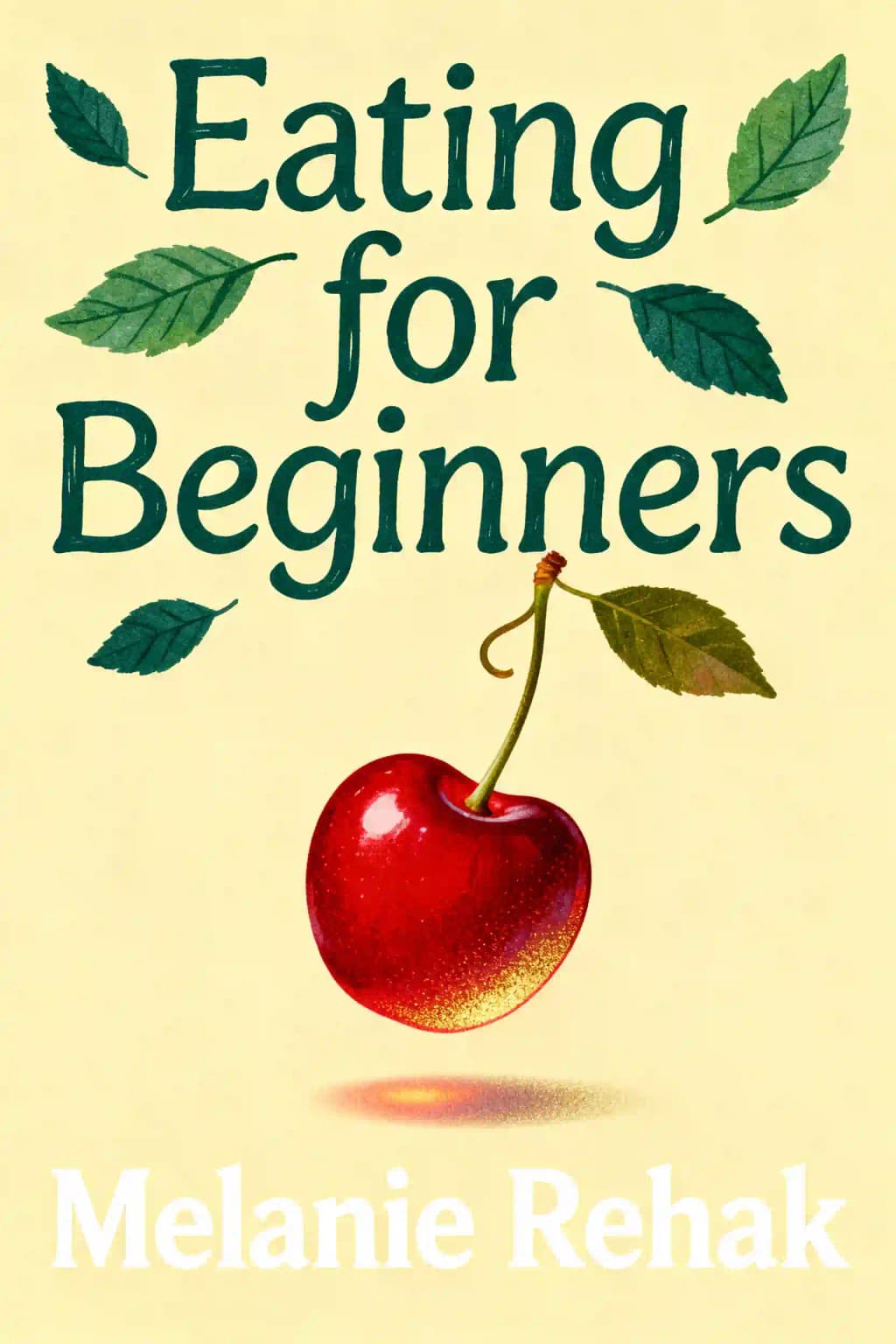
When my son Jules turned one and began eating solid food, I found myself paralyzed by choices I felt unequipped to make. Should I prioritize grass-fed over organic? What about food miles versus hormones? Was I saying I cared more about my body than global warming if I bought organic California lettuce? I wasn't alone-sixty-one percent of Americans reported confusion about feeding their families. But with Jules, the stakes felt higher. Here was someone who had literally never tasted anything, whose body remained untainted by MSG or palm oil "butter." I felt responsible to get it right, yet couldn't imagine denying him childhood food joys. This tension led me to applewood, a small Brooklyn restaurant where owners David and Laura Shea practiced sustainable agriculture while focusing on food's joy without preaching. Their approach inspired me to don a chef's jacket and embark on a year-long journey through restaurant kitchens, local farms, and even fishing boats to discover what eating truly means in twenty-first century America-a journey that would transform not just how I cook, but how I understand our complex relationship with food.
第2章
The Kitchen Classroom: First Lessons in Professional Cooking
My first day at applewood began with duck butchery-slitting down the backbone, scraping along the breastbone, removing legs for confit, and chopping carcasses for stock. I quickly realized it was actually easier to butcher a duck than trim my squirming toddler's fingernails. Unlike parenting's endless learning curve, duck butchery offered clear accomplishment: when a duck is butchered, it's butchered.
I was stationed at garde manger, responsible for cold starters including pea shoot salad with crawfish, marinated yellowtail with beets, cheese plates, and house-made charcuterie. Despite my inexperience, I would be preparing food for paying customers that very evening. My to-do list included tasks I'd never done before: making vinaigrettes, roasting beets, preparing black bean puree, and baking garlic crostini.
David, tall and broad in his chef's jacket and Buddy Holly glasses, wasn't fazed by my inexperience. Unlike typical restaurant kitchens filled with tempers and hierarchy, applewood operated without macho attitudes. The grill was even run by a woman named Sarah, who had chosen to work there because "everyone was calm" even during their busiest nights.
Laura, small and strong with dark curly hair, was the perfect counterpart to David. As the restaurant's public face, she was charming but not soft, with a quick wit and no-nonsense attitude. David silently worried while Laura worried loudly; he ran the kitchen and she ran the front of house, never interfering with each other's domains.
Their vision for applewood dated back to their time at Old Chatham Sheepherding Company, where they grew nearly everything they served. For David, it felt like returning to "the farm" in Pine Plains where he'd spent significant childhood time. At Old Chatham, he had a Proustian moment with vegetables, reconnecting with memories of eating tomatoes off the vine as a child. For Chicago-raised Laura, the experience was even more transformative: "Once you pull baby spinach out of the ground and eat it, warmed by the sun, it never tastes as good any other way."
When creating applewood, the Sheas prioritized "clean local food" over strict organic certification. They wanted to know how food was grown and why, valuing personal relationships with farmers over labels. Their philosophy was simple: "We wanted to open a place where we could feed everybody the way we feed ourselves and our children."
第3章
Personal Food Journeys: From Childhood Pickiness to Professional Cooking
My first word, uttered in the winter of 1971-72, was "cookie." Not surprisingly, my childhood nickname was "Miss Carbohydrate," and I sported an extraordinarily large belly that thankfully disappeared when having a bowling ball midsection stopped being cute. After Jules was born-whose first word was "no!" quickly followed by "this!" so he could reject most foods-I heard many reminiscences about what a dreadfully picky eater I had been.
I'd refused sauce of any kind until my double digits, even hating McDonald's stops during family trips because they served burgers with pre-applied mustard and ketchup. This past haunted me as Jules displayed the same stubbornness, making me feel I'd failed at M.F.K. Fisher's noble pursuit of nourishing loved ones "against the hungers of the world." Unable to please my son, I channeled my feeding instinct toward strangers at applewood.
My zeal for kitchen work manifested physically-by midsummer I had almost no fingernails left. One particularly memorable injury came from using a mandoline, which Liza called "the most dangerous tool in the kitchen" yet claimed "makes everything so easy!" Despite my inexperience, I persisted through multiple gloves and increasingly painful injuries, finishing enough jicama for the diver scallops while setting aside my imperfect pieces for kitchen snacking.
While I found satisfaction in the restaurant's logical processes, home was another story. Jules cried at dinner every night in June, surviving almost exclusively on yogurt, bananas, nuts and crackers. The parenting books I reluctantly consulted were useless-their advice that children need multiple exposures to new foods didn't apply to Jules, who simply refused everything with increasing verbal precision: "No chicken. No pasta. No fish."
When I asked Laura her secret for raising good eaters, expecting a snappy retort, I instead received surprising sympathy. She revealed that Sophie, her daughter, had eaten everything until age four, then gradually restricted her diet to mainly chicken. "They're people," Laura shrugged, "and sometimes it's a political protest and sometimes they really don't like it." Her unexpected tenderness gave me hope that Jules wasn't permanently broken.
Unexpectedly, candied orange peel connected me to my late father, who had died when Jules was just four months old. Following Sarah's simple recipe, I boiled julienned orange peel repeatedly in fresh water before reducing it with sugar. As I watched the matchsticks churning in boiling water, I recalled eating this treat with my father around the world, often "to the point of gleeful illness." When Jules tried a piece, his surprised exclamation-"Like it! More!"-revealed my father in his delighted expression, showing me that connections can be maintained through food even after loss.
第4章
Beyond the Label: Understanding Artisanal Cheese Production
By my third month at applewood, I'd settled into the restaurant's weekly rhythm-dinner service Tuesday through Saturday, Sunday brunch, closed Mondays. Tuesday mornings meant chefs inventively working with remaining ingredients, while Thursday deliveries brought fresh excitement. But cheese arrived randomly, often by ordinary UPS delivery-a revelation that fascinated me. These unassuming brown boxes contained treasures like ashy gray wheels of cheese that seemed incongruous among Amazon packages and office supplies.
Curious about applewood's cheese sources, I drove to Cato Corner, a small dairy farm in Connecticut about 120 miles away. There, caramel-colored Jersey cows grazed behind wooden fences, with a long red barn set against rolling green pastures-like stepping into Jules's Old MacDonald book.
In a small gray shed, I met Cheryl (a former chef) and Dianna (a part-time Manhattan accountant), both dressed in white galoshes, plastic aprons, and cheesecloth shower caps as they wrapped cheese. They sold about 500 pounds weekly at NYC Greenmarkets, with increasing local sales following food safety scares. A poster read: "Homeland security. Buy local. It matters."
Mark Gillman, the red-haired cheesemaker who grew up on his mother Elizabeth MacAlister's farm, led me into the cheesemaking room-a stark contrast to the fresh outdoors. Inside was ninety-degree, rancid-smelling air like "getting inside someone's dirty sneaker." After scrubbing with sanitizing fluid and donning protective gear, I entered a sealed environment dominated by a stainless steel bath filled with 2,700 pounds of milk warmed to ninety degrees.
That day we made Hooligan, a soft, washed-rind "stinky cheese" named for its troublemaker character. The milk-one day's yield from thirty cows-would produce about 200 one-pound wheels. Using raw milk required less starter culture than pasteurized milk would need, since pasteurization kills natural bacteria and enzymes crucial to flavor development. This explained why raw milk cheese tastes better-it contains "millions of micro-organisms" from the grasses, flowers, and weeds the cows eat, creating naturally complex flavors that reflect their specific pasture. As Italo Calvino wrote, "Behind every cheese there is a pasture of a different green under a different sky."
Cheesemaking, Mark explained, is essentially managing four ingredients: milk, starter culture, rennet, and time. The milk's seasonal variations act as a wild card, requiring adjustments to maintain consistency while acknowledging that "no two batches of artisanal cheese will ever be exactly the same." Winter milk, richer in protein, needs more culture and less rennet than summer milk.
In the cheese cave-a fifty-degree, extremely humid underground library of aging cheeses-hundreds of Hooligans in various stages of ripening filled wooden shelves, their colors progressing from yellowish-pink to deep sticky orange as they aged. Outside, I met Elizabeth, Mark's mother, who showed me around the barn where thirty-two "milkers" were being hooked up to vacuum pumps. With her long gray hair and infectious laugh, Elizabeth rose at 2:30 every morning to tend her herd-many named with Scottish, Irish, and Welsh monikers like Moira, Deirdre, and Maeve.
We walked through forty-two acres of pasture where the cows grazed in twelve-hour rotations on wild clover and bluegrass. Elizabeth proudly explained that her pastures had just been approved for the USDA's Grassland Reserve program, protecting them from development. The rest of her seventy-five acres-woodlands and wetlands-belonged to the Connecticut Farmland Trust, preventing development in a state that had lost twenty-one percent of its farmland in just two decades.
"We're about the animals," Mark had said earlier. "We're a farm." Now I understood that cheese was merely the means to preserving the land. Elizabeth had chosen cheesemaking as the best way to keep the farm running and profitable.
第5章
Finding Your Place in the Professional Kitchen
David was rhapsodizing about Ipswich clams one hot summer afternoon, planning to serve them fried in beer batter with upstate arugula. While I anticipated tasting them, I dreaded having to dunk slimy clams in goopy batter and fry them to order while managing my other garde manger duties, especially after watching a TV show where someone was murdered in a deep fryer.
I hadn't yet developed the passion for cooking that drove applewood's chefs to create complex dishes requiring extensive prep and pickup work. They embraced difficulty and experimentation, constantly creating new combinations that required multiple simultaneous tasks. With the menu changing nightly, I never had time to master any dish before it disappeared.
Despite my fears about managing the complicated process during service, the first taste of those clams changed everything. "It's like licking the boardwalk," one server said ecstatically. When Laura arrived stressed, David convinced her to try one, saying, "It tastes like the Atlantic Ocean." After one bite of the soft, briny center, her mood transformed completely.
Unlike traditional hierarchical kitchens, David fostered creativity among his chefs, allowing them to write their own menus and experiment freely. This approach attracted talented cooks like Liza, who hadn't attended cooking school but had worked in high-end Manhattan restaurants, and Greg, who'd learned cooking on the job. Sarah, a cooking school graduate with theater training, brought unique energy to the kitchen, often singing food-related lyrics while working. Everyone was called "Chef," subverting traditional kitchen structure, and David encouraged experimentation rather than demanding rigid adherence to his own ideas-a refreshing change from famous restaurants where "you don't get to have any ideas."
David taught me to chop parsnips using the "oblique cut," turning the vegetable a quarter-rotation after each angled slice to create asymmetrical pieces. Rather than demanding perfection like "the asshole French cooking teacher," he accepted my imperfect attempts, giving me space to improve. When I accidentally overcooked the parsnips into "parsnip chips," we salvaged them with heavy cream rather than discarding them. This approach exemplified David's kitchen philosophy: "You can't do it right, you can't do it wrong." The kitchen maintained peace even during frenzied service, guided by a magnet's motto about finding calm amid noise and hard work.
第6章
From Field to Table: The True Cost of Sustainable Farming
In August, we returned to the East Coast and its humidity. Jules had survived summer on his peanut-based diet and even grown an inch. What he did eat when Noah brought him to the restaurant was Liza's insanely spicy cayenne puffed rice soup garnish. This began what we called Jules's "cocktail party phase," where he subsisted on intensely flavored foods typically found at adult gatherings-dry roasted nuts, hummus with carrots, red pepper strips, pita chips, sour cornichon pickles, and oddly, pickled cocktail onions.
Back at applewood, I escaped the summer heat in the walk-in cooler, marveling at produce from Lucky Dog Organics-bronze oak lettuce like sea coral, purple beans, Red Bor kale, rainbow chard, and sticky-skinned tomatillos that tasted like lemon-infused tomatoes. At the Meet the Farmer dinner, Richard Giles invited me to visit their farm with a sly smile: "We'll find you a pair of boots if you come up."
I drove to Hamden on a rainy September 11th, contemplating how crises make us reconsider food's importance. At Lucky Dog's storefront, Holley led me through a back gate to reveal 44 acres of farmland spread below, bordered by the Delaware River with Catskills rising beyond. Richard, tall and lanky with shoulder-length hair, welcomed me to their "rainy day work"-laying concrete, maintaining equipment, and cutting weeds.
Richard came from a farming family, but of a different kind-his father was an agronomist overseeing chemical-heavy research where "the air smelled of chemistry" and fish floated belly-up in local waterways. After studying animal science and managing large cattle farms, Richard briefly grew vegetables in Mississippi before teaching writing in Brooklyn. He'd always dreamed of "just the right farm," which he and Holley found in the former dairy operation that became Lucky Dog.
Lucky Dog uses only organic materials like Spinosad (from natural bacteria) and hydrogen peroxide rather than conventional pesticides. But Richard spoke candidly about the precarious finances-they borrow money yearly for operations, hoping to break even through farmers' markets, wholesale to restaurants like applewood, and their CSA program. When a flood destroyed their entire 2006 harvest, customers rallied with donations and advance CSA purchases, yet they still struggled with debt.
Richard passionately articulated how conventional agriculture's true costs remain hidden while organic farming's expenses are transparent in higher prices. Beyond individual purchasing choices, he advocated for systemic change through university research, watershed protection, and farmland preservation. He acknowledged compromise was necessary-"I love to have oranges in the morning from Florida"-while explaining that organic farming honors "a complex living system" rather than treating everything as disposable.
Even the children of organic farmers sometimes ate fast food, Richard admitted, describing how his kids initially ate everything but learned food refusal at school. Six-year-old Sybilla, though reserved in conversation, valued that they could "pick vegetables ourselves" and avoid "the not-organic ones." Dinner featured all farm-grown food-tongue-of-fire beans, fried potatoes, salad, and corn sauteed with garlic-though the children barely ate, instead discussing "The Dorothy Movie" (The Wizard of Oz).
第7章
The Labor Behind Your Plate: A Day in Harvest Season
Arriving at Lucky Dog farm before dawn without coffee, I faced my first challenge at the bean-sorting machine, comparing the experience to the famous chocolate factory scene from I Love Lucy. The rattling machine required sharp eyes and fast hands to spot and remove flawed beans from the conveyor belt, creating a panicky adrenaline rush. After sorting beans, the farm crew donned insulated boots and plastic pants before heading to the fields with knives to harvest baby spinach, followed by numerous varieties of lettuce-Berenice, Cocarde, Magenta, Vulcan, Galactic, and others-each requiring precise cutting technique in freezing mud.
Harvesting kale required a different technique than lettuce-cutting individual leaves rather than whole heads, gathering them in one hand while cutting with the other until forming a bunch of fifteen leaves. Standing amid the vast expanse of leafy crops, I felt momentarily connected to the farm, recalling Emily Dickinson's poem about "this whole Experiment of Green." After kale, we harvested rainbow chard with its vibrant stems before loading crates onto trucks and returning to the barn.
Back at the barn, the crew unloaded crates and began processing the harvest. Ashley washed lettuce heads in water troughs before handing them to Micah, who packed them into labeled cardboard boxes-over a thousand heads in total. Meanwhile, I returned to the bean sorter, this time sorting through thirty-two crates of green and yellow beans. Despite the monotony that made my coworker Val exclaim "This makes you feel like you could go insane," the indoor work felt luxurious compared to the freezing fields.
After a hurried but satisfying lunch of deviled farm eggs and tuna sandwiches, the crew returned to the fields in warmer afternoon temperatures, shedding their plastic pants to harvest more kale and collard greens. The final task was potato harvesting, where we had to crawl on our knees along rows of soil where a potato digger had loosened Russian Banana fingerlings. I discovered the revolting reality of rotten potatoes underground-cottage cheese-like goo with a putrid smell-before learning to use rocks to check for rot before digging with bare hands.
The final task involved washing and sorting seven hundred pounds of potatoes through another conveyor belt system. The potatoes soaked in a water trough before being sprayed, brushed, and dried on sponges. The crew had to sort them into three categories: perfect specimens, tiny "peanut" potatoes for the farm store, and those showing rot. I realized I had prepared these same potatoes many times at applewood without ever considering the intensive hand labor required to harvest and process them.
Finishing at 5:20 PM, I was shocked it wasn't much later given the day's labor. Driving home, I reflected on Wendell Berry's distinction between isolating, harsh work and restorative, dignified work that represents "one of the forms and acts of love." The farm experience clarified my understanding of food choices-not about perfection but making the right choice whenever possible. Richard had told me, "I'd like us all to talk not about denying ourselves but about making changes. We have to make an investment in what we think is true."
第8章
Balancing Ideals and Reality in Sustainable Food
As winter approached, the restaurant's produce palette shifted to earthy tones-browns, yellows, and beiges with occasional splashes of red or purple from beets and cabbage. When Florida lettuce appeared at the garde manger station, I questioned its presence, prompting David to explain his pragmatic approach to sourcing. He defended the "localish" biodynamic lettuce as a business necessity, noting that customers won't come if the menu features only rutabaga and garlic-the only things growing in the Hudson Valley during winter.
David explained his philosophy of being "as local as possible" while acknowledging the practical compromises required in running a restaurant. He refers to applewood as the "sucker account," willing to buy anything from trusted sources. He reassured me that just as I buy California produce for my son Jules (who prefers crunchy vegetables), sometimes you have to say, "I'm going to have the gyro platter from the dirty diner and enjoy it."
When David asked me to return to the fish station, my skills were tested during a surprise health department inspection. Despite the kitchen chaos-hidden drinks, rearranged utensils, and staff running downstairs to check whole animal carcasses-I managed to cook perfectly done scallops. Though disoriented by the missing equipment and tense atmosphere, I powered through an impressive array of dishes: radish-jalapeno salads, foie gras appetizers, multiple fish orders, and even fried tomatillos. After my shift, I collapsed at home, unable to sleep until 2 a.m. as adrenaline coursed through my system.
I discovered the difficult reality behind applewood's charming family-restaurant facade. Laura and David opened the restaurant when Laura was eight-and-a-half months pregnant with Tatum, who soon became the restaurant's beloved mascot. Behind the scenes, Laura struggled with transporting two young children home late every night. Once a self-righteous stay-at-home mother who judged parents with nannies, Laura's perspective transformed completely with the restaurant's demands. The Sheas survived by embracing "the whole messy, impossible package," with staff members like Frank becoming essential to its survival.
The Monday before Thanksgiving, I helped with applewood's catering service, preparing sides for customers who ordered free-range Vermont turkeys. In a single afternoon, we prepared enormous quantities of dishes: sweet potato puree for fifty-two, herbed potatoes for thirty-two, roasted root vegetables for ninety-six, butternut squash soup for ninety-two, and more. David's instructions emphasized generosity: "Overestimate. Give more when in doubt and all will be well." For my own Thanksgiving dinner, I prepared a Vermont turkey given by David and Laura, cooking it with Brussels sprouts from a friend's recipe (complete with the delightful penciled note "I usually add a stick of butter here").
第9章
From Land to Sea: Understanding Sustainable Fishing
By midwinter, I accepted my fate and abandoned the grill for good, returning to fish where my talents clearly belonged. This meant learning to handle whole fish, not just pre-cut portions. I started with sardines-fifty gleaming, jewel-like fish that I'd always ordered in restaurants but never dared prepare myself. After David showed me how to clean one, I tackled the remaining forty-nine, scraping off their iridescent scales and revealing their beautiful silver-gold skin before gutting them for that night's service.
At applewood, David buys only wild fish caught sustainably, prioritizing environmental impact over locality. He receives daily emails from his fishmonger listing available fish, their origins, and catching methods, then cross-checks against the Monterey Bay Aquarium's Seafood Watch list. Hook and line fishing is most environmentally friendly, allowing unwanted catch to be returned alive. Traps, pots and gill nets are relatively safe, while trawling, dredging and purse seining cause significant environmental damage.
To complete my fish education, I joined Kevin Wark, a Barnegat Light gill-net fisherman who supplied applewood's fish vendor. At 2:45 AM on Memorial Day, Kevin picked me up for a day on his 42-foot lobster boat, the Dana Christine. We would travel fifty-two miles offshore to retrieve monkfish nets he'd set the previous day. Kevin's permit allowed just 27 days at sea annually with a 3,000-pound limit per trip-a system that forces aggressive fishing on permitted days. As we headed into open water at sixteen knots, Kevin shared his concerns about the dying fishing industry. "I don't think there will be another generation of fishermen," he explained, citing prohibitive costs for boats and permits.
Despite Kevin's frustration with regulations, he wasn't against them entirely. "We need rules, but we need smart rules that make sense," he explained, having spent years working with regulators and testifying before Congress. Like the farmers I'd met, Kevin wanted to preserve his livelihood while ensuring fish would remain for future generations. "We all like conservation, and we all want to have fish for tomorrow. We don't want to fish ourselves out of a job. We're the barometers of the ocean."
After two and a half hours on the water, Kevin went to nap while I dozed on a bench. When I woke, we'd anchored and the boat was pitching violently. Despite taking Dramamine, I immediately became violently seasick, retreating to the cabin floor with a bucket while Kevin and Mike hauled in their catch. Between bouts of vomiting, I briefly observed them wrestling hideous monkfish from their nets-mud-colored beasts with huge heads and lumpy tails that Kevin called "the poor man's lobster."
Kevin explained they'd gross about $3,000 from the day's catch-"a good day, no lost gear." His boat was the top-producing small vessel on the East Coast, catching 350,000-400,000 pounds of fish annually. Days later, I discussed sustainable fishing with David at applewood, who clarified that "dayboat" simply means the fish hasn't been frozen overnight, not necessarily that it's sustainable. However, small operations like Kevin's, using properly sized mesh nets and adhering to catch limits, were helping rebuild fish populations.
When I returned home from my fishing adventure, still queasy but eager to share my seafaring tales with Noah, he greeted me with unexpected news: "Jules likes sausages." Our son, who had stubbornly refused most foods, was finally showing interest in meat. This breakthrough had been preceded by other small victories-a bite of pizza at a birthday party, trying wax beans, corn on the cob, and fresh peas. Though he didn't eat most things he tried, Jules had suddenly become curious about the variety of food that existed.
第10章
Coming Full Circle: Finding Sweetness in Imperfection
After months in the kitchen, I finally got my chance to work in the pastry section when August needed help. Though intimidated at first, I found myself surrounded by familiar ingredients like chocolate sauce and mascarpone cream rather than raw meat. Despite my lack of pastry skills, August was patient as I struggled with making tart crusts and filling them with pecan mixture. Working alongside him, I watched in awe as he created five new desserts before dinner service, from pecan tarts with butterscotch sauce to warm chocolate souffles with brandied cherry-pecan soup.
August, only twenty-six, had discovered his calling in pastry after starting as a line cook at seventeen and briefly working on cruise ships. "This is where all my creativity comes out," he explained while effortlessly creating desserts he often didn't even taste before serving. His menu included grapefruit sorbet with citrus compote, cinnamon-fennel creme brulee with pineapple-thyme-lime compote, and chocolate souffles that seemed to materialize without effort.
Despite my sweet tooth, I've always been incapable of making desserts successfully. My last attempt at baking a cake for my brother-in-law's birthday had ended in disaster when it cratered in the middle. The one exception was a family frosting recipe made of sugar, corn syrup and egg whites that I prepared for Jules's second birthday. When Jules blew out his candle and actually ate the frosting (though not the cake), I counted it as progress in his eating habits.
My greatest triumph came when August needed to repurpose leftover bread. When he asked for ideas, I spontaneously suggested prunes. His eyes lit up immediately: "Yeah. That's going to be good." He told me to "write down that today you invented the Melanie Bread Pudding." The dessert was spectacular, and it felt like the perfect note to end my kitchen journey on. I decided that evening to return to writing.
Though I missed the restaurant in the months that followed, I'd gained a deeper understanding of food and community that transformed how I shopped and cooked at home. I learned that eating well isn't about perfection but about making thoughtful choices when possible. I discovered that behind every ingredient lies a complex web of human relationships, environmental considerations, and economic realities. Most importantly, I found that food connects us not just to the earth but to each other-across generations, across cultures, and even across the dinner table with a picky toddler who might, just might, try chicken tonight.
And in a final triumph, Jules-my selective eater-suddenly announced "I like chicken" one night at dinner, and actually took a bite, completing my journey of food discovery for us both. As David would say, "Give more when in doubt and all will be well."