第1章
The Mind-Clearing Magic of Less: How Minimalism Transforms Your Life
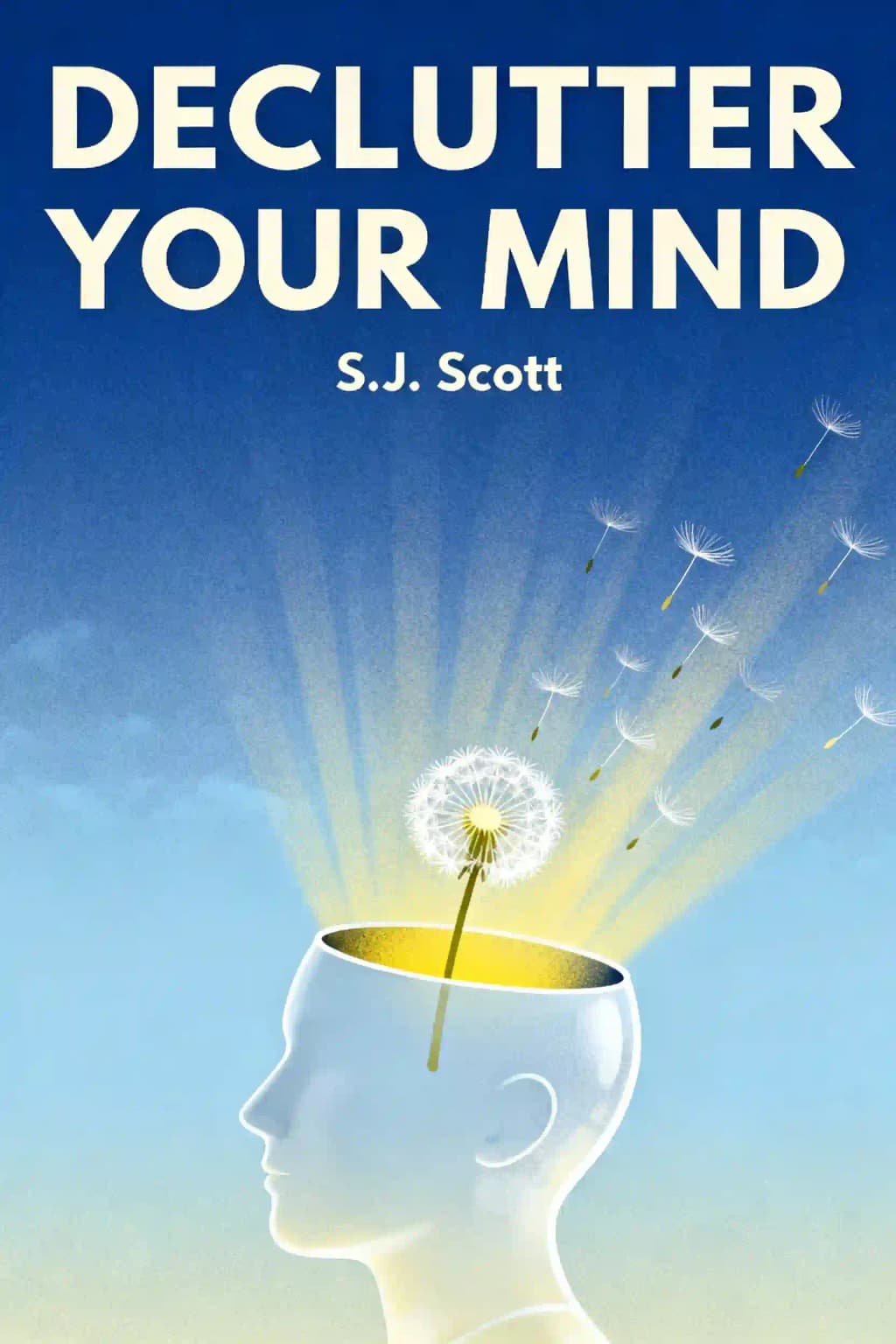
In a world that constantly bombards us with messages to buy more, own more, and do more, "Declutter Your Mind" offers a revolutionary counterpoint: perhaps the path to happiness lies in having less. This isn't just another organization book-it's a philosophy that has captivated millions, including celebrities like Kim Kardashian, who transformed her famously maximalist aesthetic to embrace minimalist principles in her home design. The minimalist movement has exploded in popularity, with Netflix's hit show "Tidying Up with Marie Kondo" becoming a cultural phenomenon and sparking a 465% increase in donations to thrift stores nationwide. Beyond trendy entertainment, minimalism has become a serious response to our overwhelming consumer culture, with studies showing that the average American home contains over 300,000 items. No wonder we're stressed! What makes this approach so powerful is that it isn't about deprivation-it's about intentionally choosing what deserves space in your life, both physically and mentally.
第2章
The Essence of Minimalism: More Than Just Decluttering
Minimalism isn't about fitting all your possessions into a backpack or living like a hermit. It's a philosophy borrowed from the art world of the 1950s that emphasizes simplicity while preserving what truly matters. At its core, minimalism is about redirecting time from unimportant activities toward meaningful pursuits, rejecting superficial materialism, and valuing quality over quantity in both possessions and relationships.
Think about it this way: when you prioritize just three important tasks daily instead of trying to accomplish twenty mediocre ones, you're practicing minimalism. When you choose one well-made leather jacket that will last a decade over five cheap ones that will fall apart, you're embracing minimalist principles.
Many misconceptions surround minimalism. It's not about counting your possessions or joining some ascetic cult. It's simply about being comfortable with less and questioning what deserves space in your life. Minimalists regularly ask themselves: "Do I need this? When did I last use it? What happens if I discard it? Could someone else use it more?"
The minimalist philosophy recognizes that possessions are replaceable and shouldn't be given undue meaning. Instead of defining success by what you own, minimalism measures it by the quality of your relationships, health, personal growth, and contributions to others. It's a tool that removes unnecessary distractions so you can focus on what truly matters.
What makes minimalism so powerful is its flexibility-it's not a radical lifestyle with rigid rules. The definition of "excess" varies by individual. A globetrotting writer naturally needs far fewer possessions than a settled hedge-fund manager with a family. Your needs can always evolve as your lifestyle changes. The only constant is the ongoing process of questioning what adds genuine value to your life.
第3章
The Minimalist Personality: Signs You're Ready for Change
Have you ever felt a strange satisfaction when getting rid of things you don't need? Do you prefer quality items over cheap alternatives? Do you find yourself drawn to clean, uncluttered spaces? These might be signs that you're a minimalist at heart.
Minimalists exhibit distinctive traits that set them apart in our acquisition-obsessed society. They value order in all aspects of life, often making lists to stay organized and avoid procrastination. Their wardrobes contain fewer but higher-quality pieces-timeless items rather than trendy ones that will be outdated next season. They view clothing as an investment, understanding that a $300 pair of Italian leather shoes that lasts for years is actually more economical than repeatedly buying $50 knockoffs that wear out quickly.
A true minimalist detests waste in any form. This aversion extends beyond physical possessions to time, energy, and resources. They're drawn to cleanliness and functionality in their living spaces, preferring neutral colors, clean lines, and spacious environments over decorative clutter. When it comes to finances, minimalists aren't miserly-they simply spend intentionally on things they love and will use long-term rather than impulsively purchasing items that provide only momentary satisfaction.
This preference for quality over quantity extends to relationships as well. Minimalists tend to cultivate deeper connections with fewer people rather than maintaining numerous superficial acquaintances. They recognize that meaningful relationships require time and energy-resources that are finite and should be invested wisely.
If you find yourself nodding along to these descriptions, you may already have minimalist tendencies waiting to be fully embraced. The good news is that these traits can be developed even if they don't come naturally. Like any skill, minimalism improves with practice and intention.
第4章
Varieties of Minimalism: Finding Your Personal Path
While minimalists share the core belief that "less is more," their motivations and approaches differ significantly. Understanding these different styles can help you identify which resonates most with your values and goals.
Aesthetic minimalists focus primarily on visual appearance rather than quantity of possessions. They're drawn to white spaces, clean lines, and neutral tones-think of the stereotypical minimalist Instagram feed or the sleek simplicity of Apple products. For them, minimalism is as much about creating a certain look as it is about reducing clutter.
Essential minimalists, by contrast, constantly pare down their possessions to the bare necessities. They detest waste and only acquire what they truly need. These are the people who might actually fit everything they own into a backpack or small suitcase, though that's not necessarily their goal.
Experiential minimalists value experiences over possessions. They often live with minimal belongings that fit in a backpack as they pursue adventure and exploration. For them, minimalism is a tool that enables a nomadic lifestyle free from the burden of maintaining numerous possessions.
Sustainable minimalists adopt minimalism primarily for environmental reasons. They're concerned about their ecological footprint and live by the motto "make do or make without." They might repair items instead of replacing them, shop secondhand, and carefully consider the environmental impact of everything they purchase.
Thrifty minimalists are motivated primarily by financial considerations. They limit spending and make do with what they have in order to save money, reduce debt, or achieve financial independence. For them, minimalism is a practical approach to financial freedom rather than a philosophical stance.
Mindful minimalists seek psychological peace through sensible moderation. They find joy and spiritual enlightenment by releasing unnecessary possessions that create mental clutter. Their focus is on creating mental space rather than physical space.
Most minimalists combine elements from several of these approaches. The beauty of minimalism is that it's not prescriptive-you can adapt it to fit your unique circumstances, values, and goals. What matters is identifying what truly brings value to your life and eliminating what doesn't.
第5章
The Practical Path: Implementing Minimalism Room by Room
Transforming your home into a minimalist haven doesn't happen overnight. It requires a methodical approach, tackling one area at a time. Let's explore how to apply minimalist principles to different spaces in your home.
Start with your closet-often the most cluttered area in many homes. Begin by discarding torn or damaged clothing that you've been holding onto for no good reason. Next, donate items you haven't worn in the past year-if you haven't reached for them in that time, you probably won't miss them. Set numerical limits for each clothing category: do you really need fifteen pairs of jeans when you only wear five? Keep only what you truly love and regularly use.
In the kitchen, remove chipped or cracked dishes that detract from your dining experience. Limit coffee mugs and teacups to a reasonable number-a dozen is plenty for most households. Eliminate duplicate appliances and gadgets, keeping only those you use regularly. Clear expired food from cupboards and refrigerator. Remember, you can tackle one kitchen drawer or cabinet at a time rather than attempting to declutter the entire space at once.
Children's toys present a particular challenge. Remove items that haven't been played with in over a week, letting children participate in decisions if they're old enough. Donate broken toys or those children have outgrown. When purchasing new toys, choose quality items that encourage creativity rather than accumulating numerous plastic toys that quickly lose their appeal. Teaching children about donation helps them learn valuable lessons about generosity and non-attachment.
For bathrooms, keep only regularly used toiletries and a reasonable number of towels. Check medicine cabinets for expired medications and contact local authorities about proper disposal methods. Discard expired makeup products and unused appliances to create a streamlined, functional space.
Living areas often accumulate the most visible clutter. Consider digitizing movie and music collections to eliminate physical storage needs. For book lovers, this can be challenging-consider adopting a read-and-donate approach rather than permanent storage, or transition to e-books for new purchases. Reduce decorative items, keeping only those that truly add value and joy to your space.
Remember that minimalism requires ongoing vigilance against accumulating items that don't serve a purpose or bring joy. Each time you're tempted to bring something new into your home, ask yourself: "Do I need this? Will it add value to my life? Do I have space for it?" This conscious approach to consumption is the foundation of minimalist living.
第6章
The Minimalist Journey: A Step-by-Step Transformation
Embracing minimalism is a journey rather than a destination. It begins with setting clear, personalized goals about what minimalism means to you individually-whether it's owning only necessities, decluttering spaces, or separating happiness from purchases.
Start by defining what truly makes you happy and passionate, then be willing to discard everything else. Create a written vision of your minimalist life, breaking it into smaller actionable steps with a timeline for completion. If you're unsure what to eliminate, first list what you want to keep-the things that bring genuine joy and purpose to your life.
Next, consider your living situation. You might contemplate moving to a smaller or simplified home, though this isn't mandatory. Minimalism doesn't require downsizing; it simply means releasing unnecessary possessions and creating space for what matters.
The decluttering process is essential but challenging, especially for those emotionally attached to their possessions. Start slowly-don't attempt everything at once. For items you're uncertain about, place them in storage for a month or two. If you function perfectly without them during that time, you likely don't need them. Remember that minimalism isn't about recklessly discarding everything; it's about understanding what truly matters in your life.
Transitioning to minimalism takes time, especially if you're accustomed to comfort and abundance. Give yourself weeks or months to gradually eliminate unnecessary luxuries. Start with simple adjustments like foregoing extravagant meals or unnecessary purchases. Keep what genuinely makes you happy, but question whether you're holding onto things merely from habit rather than necessity.
Develop the habit of asking yourself, "Do I need this?" before making purchases. Learn to differentiate between needs and wants-food, clothing, shelter, security, and love are necessities; everything else is a want. Initially, you'll try justifying purchases, but taking a moment to question your motivation can prevent unnecessary accumulation.
When you do acquire something, choose quality over quantity. It's better to own a few high-quality products than numerous cheap items that quickly deteriorate. Additionally, learn to repair and repurpose rather than replace. Transform old glass bottles into vases or use fabric scraps for creative projects.
Throughout this process, regularly revisit your understanding of what minimalism means to you. This clarity helps maintain focus on your goals. Remember that becoming a minimalist represents a major lifestyle change requiring patience-don't expect overnight transformation.
第7章
The Rewards of Less: How Minimalism Transforms Your Life
The benefits of minimalism extend far beyond having a tidy home. These interconnected advantages build upon each other, creating a positive cycle that transforms your entire life.
Perhaps the most significant benefit is freedom-not just financial freedom, but freedom of time and mental energy. Consider daily habits like buying coffee: $3 daily becomes $720 yearly-money that could fund travel, hobbies, or debt reduction. By brewing coffee at home instead, you gain resources for meaningful experiences. Additionally, minimalism helps free up time from your schedule, allowing you to prioritize activities you value rather than working constantly to pay off accumulating debt.
This freedom leads directly to worry-free living. In our materialistic world, spending creates stress-people agonize over things they can't afford, don't have, and the time they lack for what they love. Minimalism offers peace of mind by reducing these anxieties. Whether you're worried about mortgage payments, credit card debt, lack of quality time with loved ones, or finding time to organize your home-these self-induced stresses can be alleviated through minimalist principles.
Freedom from stress improves both mental and physical health. While physical health improves through exercise and healthy eating, mental health flourishes when stress decreases. Minimalism reduces fear and anxiety, creating space for relaxation and well-being. Imagine having an hour to yourself without worrying about bills or cleaning-you'd naturally feel calmer and more centered.
With fewer worries competing for attention, your ability to focus dramatically improves. Think of your focus as a bucket of water, with each thought creating a hole-the more holes, the less water remains. When you declutter your mind and environment, you eliminate unnecessary distractions and can fully engage with what matters.
Fear of failure often stems from having too much to do without enough time. Questions like "What if I can't pay my bills?" or "What if I end up bankrupt?" represent common failure anxieties. When your mind overflows with such worries, health deteriorates and personal time vanishes. Embracing minimalism allows you to leave these anxieties behind and concentrate on what brings joy.
Perhaps most profoundly, minimalism shifts your thinking away from entitlement toward gratitude. We often believe we deserve certain things, but minimalism teaches contentment with what we have rather than craving what we don't need. True happiness comes from within-not from possessions or other people. This fundamental shift in perspective can transform not just your home, but your entire outlook on life.
第8章
Clearing Mental Clutter: The Psychology of Minimalism
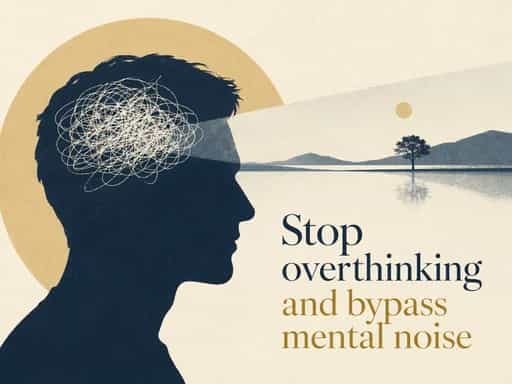
Minimalism extends beyond physical possessions to encompass mental and emotional decluttering. Understanding the psychological aspects of minimalism is crucial for lasting change.
Before embracing minimalism, clearly identify your goals and how they relate to your life. Without specific goals, you'll likely make half-hearted attempts without real progress. Two major obstacles prevent people from achieving their goals: perfectionism and self-doubt. Perfectionism keeps you planning endlessly instead of taking action-the more you chase perfection, the more problems you'll find. Similarly, you must learn self-acceptance before making meaningful changes.
Visualization plays a powerful role in this process. Always think about the big picture and visualize what success means to you in vivid detail. The clearer and more descriptive your visualization, the more motivated you'll be to achieve your goal. If you can't visualize it clearly, reconsider whether it's truly what you want.
Without action, however, your goal remains just a dream. Devise a concrete plan with steps to achieve your vision. This plan will help focus your energy on priorities and maintain motivation even when challenges arise.
When setting goals for your minimalist journey, start by imagining an ideal situation without worrying about obstacles. Dream big-imagine having a blank slate to decide who you want to be. Write down these goals and place them where you'll see them daily. Ensure they're meaningful to you personally, not just what others expect. Ask yourself tough questions: What would I do if I only had a month left to live? What if I had unlimited money? What if I knew I would never fail?
Be specific with your goals-vague aspirations like "getting in shape" are impossible to achieve. "I want to lose 20 pounds in 3 months" gives you something concrete to work toward. From your list, select the three most important goals that have the potential to transform your life. Set deadlines for these goals, as targets without timelines invite procrastination.
Remember that achieving goals is a process, not magic. Create a one-step-a-day rule-do something every day, no matter how small, that moves you toward your goal. Limit the number of goals you pursue simultaneously; one single goal is ideal because you can dedicate all your resources to achieving it.
第9章
Finding What Matters: Self-Assessment for Authentic Living
Minimalism isn't about creating voids in your life-it's about shifting focus toward what you truly enjoy by eliminating distractions. As Socrates suggested, "An unexamined life is not worth living." You must examine your life to simplify it, starting with understanding your needs and identifying what you love.
Begin by asking: "What do I love the most?" Your answers will reveal your life priorities, and they'll differ from person to person. There are no right or wrong answers-for some, spending time with loved ones is paramount; for others, it might be traveling or pursuing a hobby.
Next, examine your daily activities and how they relate to what's important to you. Ask: "What things occupy my time, and how do they connect to what matters to me?" For instance, if you go out for drinks weekly but don't find it meaningful, you could redirect that time toward something you genuinely enjoy.
Apply this questioning to your possessions as well. A simple test: if your house burned down, what would you genuinely miss? If you can easily replace something without feeling loss, you likely don't love it. This exercise helps identify which possessions truly matter.
The same logic applies to relationships. Among all your daily contacts, who do you depend on in a crisis? Those you call in times of need are the ones who truly matter-the rest are merely acquaintances. It's perfectly acceptable to maintain a small circle of dependable friends rather than surrounding yourself with numerous superficial connections.
Where you spend most of your time and money reveals what matters to you. Whether reading, watching TV, or working, the time and resources invested indicate importance in your life. Similarly, what occupies your thoughts when you're alone reveals your priorities. Your mind naturally gravitates toward what matters most.
Consider what excited you in your youth-your high school interests or particular hobbies. These early passions often reveal enduring values. Identify causes that motivate you, whether supporting education or environmental conservation. When feeling lost, do something that scares you-minimalism involves pursuing what truly matters, and often the things we love most frighten us because they matter so deeply.
To discover your authentic priorities, temporarily set aside financial concerns. If money were no object, what would you focus on? This exercise helps reveal your true interests beyond practical constraints.
第10章
Happiness Through Intentionality: The Minimalist Mindset
Happiness can be a powerful motivator, yet only one in three people report being truly happy. We easily complain about minor inconveniences while taking remarkable achievements for granted. Happiness comes from controlling our emotions rather than letting them control us. Life isn't defined by what happens but by how we react to situations.
When we obsess over specific outcomes, we make our happiness dependent on results that may not materialize. This mindset sabotages us-if the outcome differs from expectations, we feel disappointed regardless of whether the result is objectively good. By fixating on particular results, we create unnecessary suffering.
We're all unique individuals, yet many of us get trapped in society's standardized race toward "success." There will always be someone better at something, and time will never be sufficient for everything. Instead of competing with others, define what happiness, success, and wealth mean to you personally. Pull yourself out of the endless rat race by stopping comparisons-it's the only way to truly get ahead in life.
Commit yourself to things that make you happy. How often have we told ourselves "just this once" when breaking our own rules? These small choices eventually form our character. The gap between what you do and what you should do needs to be minimal for happiness. Giving 100% commitment is easier than 98%-once fully committed, the decision is made.
Gratitude means focusing energy on what you have rather than what's missing. Research shows gratitude provides physical benefits (stronger immune system, better blood pressure, improved sleep), psychological benefits (increased positivity, alertness, joy), and social benefits (becoming more helpful, generous, compassionate). Despite these advantages, most people remain ungrateful, constantly focusing on what they lack.
The words we use shape our perspective. People who are grateful frequently use terms like "gifts," "abundance," "blessings," and "fortunate." Incorporating these into your daily vocabulary expands your awareness of things to be thankful for.
Growth requires stepping outside your comfort zone. A happy person becomes comfortable with discomfort, challenging themselves rather than stagnating. Taking risks makes you feel alive and elevates your consciousness. When facing potential failure, your mind becomes creative and innovative.
Happy people prioritize important things-both urgent and non-urgent-like exercise, reading, goal-setting, and spending time with loved ones. These activities are easily postponed but essential. Establish a morning routine with activities you enjoy to start each day positively. Learn to refuse even great opportunities that don't align with your vision, focusing on what's best for you rather than merely "good."
第11章
Living the Minimalist Life: Practical Applications
Incorporating minimalism into daily life requires appreciation, routine, and mindfulness practices that help identify what truly matters while eliminating excess. Here are practical ways to embrace minimalist principles:
Learn to appreciate what you have. Make a habit of acknowledging three things you're grateful for when waking up and before sleeping-whether it's your bed, friends, family, or job. This practice shifts focus from what's missing to what's present.
Establish a morning routine that creates focus, energy, and positivity. Consider yoga, exercise, meditation, or inspirational reading to prepare yourself for a good day. How you begin your day often determines how the rest unfolds.
Practice acceptance of circumstances beyond your control. Things rarely go exactly as planned, and resistance to reality only creates unnecessary suffering. Accept what has happened so you can respond effectively rather than reacting emotionally.
Live in the present moment-the only place where happiness exists. While past memories may be beautiful, they offer nothing new. Don't let digital distractions pull you from physical presence; balance online engagement with real-world living.
Listen attentively during conversations rather than merely hearing words. Attentive listening builds stronger relationships and anchors you in the present moment, becoming an excellent source of happiness.
Recognize that material possessions provide only momentary satisfaction. Try saving for six months without unnecessary shopping-you'll accumulate funds for meaningful experiences like travel. Create beautiful memories rather than filling life with expensive branded products.
Dream big and have faith in your ability to realize those dreams. Spend five minutes daily visualizing what you want to achieve and how amazing you'll feel upon accomplishment. Make these visualizations as vivid as possible to motivate action.
Take concrete steps toward your dreams. If your present doesn't resemble your dreamed future, identify actions that ensure growth. Start with small steps-you don't need to do everything at once to ultimately reach your goal.
Change your mindset from scarcity to abundance. If feeling unloved, try showing love to someone who needs it-your mindset shift will create ripple effects. How you perceive the world largely determines your experience of it.
Give yourself permission to rest. Taking short breaks, power naps, and scheduled downtime is essential for revitalizing yourself. Neither mind nor body is an infallible machine-both require regular renewal.
Make time for play and joy. Don't approach life as an endless series of tasks; recognize the magic of being alive and dedicate time daily to something purely fun that reconnects you with childlike wonder.
Surround yourself with positive people. Attitude is contagious-when surrounded by smiling people, you'll likely smile too. Cultivate relationships with happy individuals while limiting exposure to those who drain your energy.
Move through life more slowly and mindfully. We constantly rush between destinations, missing what matters along the way. Remember that faster doesn't equal better, and busy doesn't equal growth.
Learn to let go of what doesn't serve you-complaints, unnecessary comparisons, negativity, past mistakes, and future worries. Holding onto emotional baggage leaves no room for welcoming better experiences into your life.
Practice forgiveness-both of others and yourself. Holding onto past hurts serves no purpose and keeps you stuck in negative patterns. Forgiveness enables forward movement and personal growth.
Start each day with purpose rather than mindlessly checking email or social media. The night before, identify one meaningful task that would make your day successful if completed, then tackle it immediately upon waking.
Remember that minimalism isn't a sprint but a marathon requiring patience and consistency. The rewards-freedom, peace of mind, improved health, greater focus, and authentic happiness-make the journey worthwhile. By identifying what truly matters and eliminating everything else, you create space for a life of meaning, purpose, and joy.