第1章
Reclaiming Your Body as God's Masterpiece
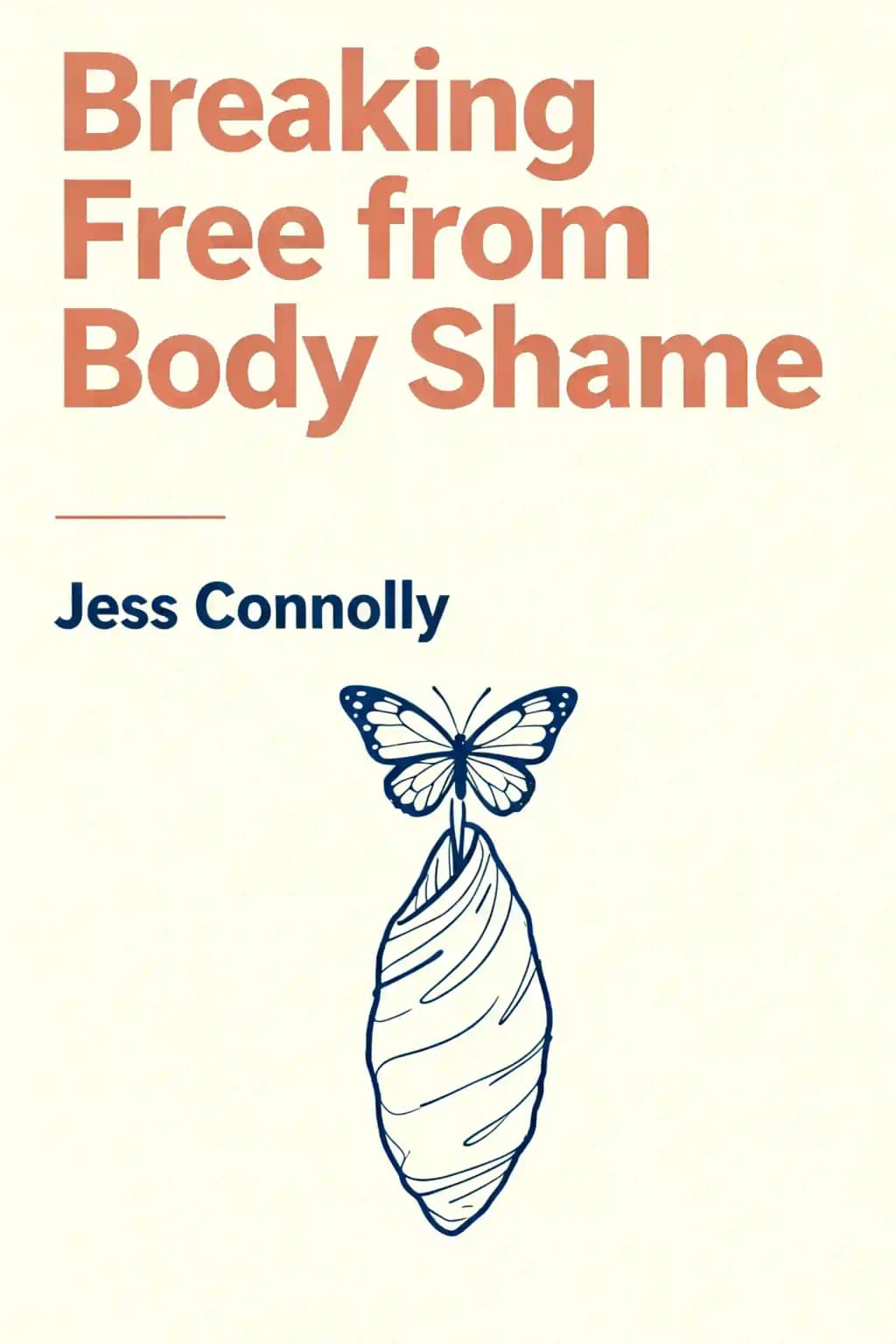
When was the last time you looked in the mirror and truly loved what you saw? For millions of women, that question triggers an avalanche of shame, comparison, and self-criticism. In "Breaking Free from Body Shame," Jess Connolly confronts this universal struggle with refreshing honesty and biblical wisdom. As a bestseller that has resonated with celebrities like Sadie Robertson Huff and Lauren Daigle, this book has sparked a quiet revolution in Christian circles, challenging the deafening silence around women's body image issues in church communities. What makes this work particularly powerful is how Connolly reframes body image not as a superficial concern but as a deeply spiritual battlefield where our understanding of God's creation and purpose collides with cultural messaging. Her approach has been praised by Psychology Today as "bridging the gap between faith and body acceptance" in ways few resources have managed to accomplish.
第2章
The Spiritual Roots of Body Shame
At nearly nine years old, lying in the backseat during a family road trip, Jess used her hand like an imaginary knife to "slice off" parts of her body she deemed excessive. She silently prayed for God to remove these parts, promising to keep it a secret. Nearly thirty years later, she admits she still sometimes feels that same temptation, despite knowing better.
Body image isn't a shallow concern but a profoundly spiritual issue. Our bodies are made by God, in His image, and are where we encounter Him. The disconnection between believing God creates good things and feeling shame about our bodies reveals the spiritual nature of this struggle. The critical questions we must confront are: Do we believe God makes good things? Do we know what our bodies are for? Do we understand what makes a body good?
Many Christians compartmentalize their bodies, failing to recognize them as integral to worship, service, rest, and relationships. Instead, we absorb harmful messages that our bodies are projects to work on, reflections of righteousness, trophies to earn glory, or inherently bad vessels of impure desires-messages we receive from childhood through pivotal life moments.
Jess recalls encountering few people who had healthy relationships with their bodies. Instead, she remembers painful experiences like a pastor commenting her heels might snap under her weight or church leaders gifting her a 600-calorie diet plan. Then came a turning point: a woman named Lily noticed Jess wearing high-waisted jeans (something women with her body type "shouldn't" wear) and tearfully thanked her: "Seeing you love your body makes me love my body." This moment of shared recognition became a sacred agreement that their bodies were good.
What if we approached body image not as a safe space that merely offers comfort without repercussions, but as a brave space that invites vulnerability leading to growth through productive discomfort? This journey requires developing a kingdom-minded mentality about bodies, examining harmful naming of our bodies, providing spiritual and emotional rest, seeking restoration through worship, and joining in revival with other women living in body liberty.
第3章
Embracing a Kingdom Perspective on Your Body
What messages about bodies dominate your thinking? Are they from culture, church leaders, or secular voices? Before exploring a biblical perspective, let's examine what the wider culture says about bodies.
Body positivity has transformed culture, from Lizzo lyrics celebrating natural bodies to the five million #bodypositivity posts on Instagram. Though amplified by social media, the movement traces to the 1960s alongside civil rights and feminism, officially coined in 1996. It promotes appreciating your body despite flaws, which has led companies like Dove and Aerie to feature realistic models. Beyond marketing, it's truth embedding itself in hearts tired of shame, creating inclusivity that aligns with Jesus's heart for women by showing there's more than one way to be beautiful.
Body neutrality, coined in 2010 by a Vermont treatment program, creates space for those who struggle with body dysmorphia, eating disorders, trauma, injuries or disabilities that make positivity impossible. While not as widespread on social media as body positivity, it offers a believable, attainable path forward, allowing hearts to process pain while rejecting shame.
Despite speaking at women's events nationwide and being connected with evangelical leaders, Jess observes that churches remain largely silent on body positivity and neutrality. She theorizes this stems from fear that body freedom might lead to overindulgence, substance abuse, or sexual sin. She questions when we stopped trusting the Holy Spirit to guide believers through freedom in Christ. Instead, churches practice what she calls "body ignorance," pretending issues don't exist rather than developing a theology that recognizes bodies as good while acknowledging their brokenness in a fallen world.
The foundation of a kingdom mindset centers on our King who creates the rules and cultural tone. When we consider God's perception of us, Scripture reveals profound truths: Ephesians reminds us we are "God's handiwork, created in Christ Jesus to do good works." Psalm 139 declares we are "marvelously made" with God knowing us "inside and out." First Corinthians teaches our bodies are "sacred places" housing the Holy Spirit.
This kingdom perspective transforms our body image-we're not merely repeating positive affirmations to ourselves, but receiving our identity from the Creator of the universe. The Lion of Judah breaks chains of shame with His declaration: "This is My daughter. I made her body good, in My image. Let no one say otherwise."
第4章
Reclaiming Your Body from Harmful Labels
The serpent's misnaming in Genesis was subtle but devastating-telling Eve she wasn't enough as she was. This first misnaming introduced shame, making Eve suddenly aware of her nakedness and "less-than" status. We've all experienced similar moments of misnaming, from childhood exclusions to random comments that made us self-conscious about our bodies. These moments of misnaming, whether from peers, media, coaches, or strangers, tell us we're "too big" or "too small" and exchange truth for harmful beliefs.
While these moments can't be reversed, they can be reclaimed through mercy, grace and healing. Jesus was present during these painful namings, full of compassion and already planning restoration. Satan is the true enemy behind these harmful namings, though we must still acknowledge the hurt caused by others while directing our anger at the source of lies. In contrast to misnaming, God is the ultimate Namer, declaring His creation "very good" (meod - "muchness good") and continues speaking affirmation, life and worth over us through His Word.
When revisiting painful memories of body misnaming, remember that Jesus was always present-not rushing in at the last minute like movie heroes, but walking alongside you. Drawing on promises from Proverbs 15:3, Psalm 121:8, Isaiah 43:2-3, and 2 Corinthians 1:3-4, we can affirm God's constant watchfulness and comfort. Try visualizing where Jesus was during painful moments based on His character-imagine His presence, expression, and posture during your own experiences of misnaming, believing He was there with compassion, grieving the burden placed on you while already planning redemption.
We've all been both victims and perpetrators of body misnaming. Rather than giving blanket absolution, we must identify Satan as the true enemy, citing John 10:10 to contrast his destructive intent with Christ's life-giving purpose. This perspective helps us extend compassion to others while still acknowledging hurt. Directing anger at the enemy rather than humans doesn't negate pain or excuse harmful behavior, but provides proper focus for our response.
Every divine word carries perfect weight and significance. Consider whose naming you'll accept-culture's or God's-and recognize that healing comes through actively participating in naming ourselves and others according to God's truth. Like Adam naming the animals in Genesis, we're called to speak life, declaring "your body is good" as ambassadors carrying God's healing Word.
第5章
Rejecting the World's Authority Over Your Body
The author shares a vulnerable story about emailing Alisa Keeton, founder of Revelation Wellness, in desperation about her body image struggles. Under Alisa's coaching, she experienced profound freedom through spiritual work that transformed her physical relationship with her body. This freedom led her to embrace movement joyfully rather than as punishment. However, her journey hit complications when she developed meningitis, which triggered her Hashimoto's autoimmune disease and caused significant weight gain despite her healthy practices.
During a workout with a new trainer who specialized in autoimmune conditions, the trainer tearfully confessed being upset about weighing "only ten pounds less" than the author. This comparison prompted the author to firmly assert, "My body is good. It's not a marker of badness." After this tense encounter, she instinctively called Alisa, who amazingly answered with words of affirmation she needed: "God told me you'd be calling... your body is good, and no one gets to say otherwise."
When it comes to how others name our bodies, we have the power to accept or reject these labels. While children often struggle to reject harmful words from authority figures, adults can choose which messages to internalize. Proverbs 26:2 teaches that an undeserved curse is as harmless as "the dart of a wren or the swoop of a swallow"-annoying but not destructive. Negative labels don't have to penetrate our souls.
While some negative environments can't be avoided, we often voluntarily place ourselves in communities where body negativity is normal. We can choose to walk away from body-disparaging conversations, change the subject, or ultimately distance ourselves from people who persist in misnaming bodies.
Our bodies belong to God-not as a dictator but as a kind, benevolent King who values our freedom. Galatians 5:1 reminds us that "it is for freedom that Christ has set us free," and Romans 8:28 assures that God works all things for good. The more we understand our kingdom identity, the less we'll care about meeting the world's expectations.
To change harmful patterns, examine how much media you consume that glorifies an "ideal body," consider what it means for your body to belong to God, and notice how often you participate in negative body talk. Remove yourself from environments of misnaming, speak truth in love when appropriate, and practice speaking Scripture-based affirmations over your body.
第6章
Resting from the Quest for a "Better" Body
The author recalls a painful high school memory when a boy told her she'd be "just as pretty as your sister if you lost about twenty pounds," delivered with a smile as if doing her a favor. She then catalogs other harmful "if you just fixed..." comments she's received about her body, from teeth to weight to cosmetic procedures, before asking critical questions: What are we preparing our bodies for? Who decides what's acceptable? When will we be enough?
We futilely try to "beat the curse" of living in fallen bodies. The temptation extends to everyday life as we pursue "better" bodies, forgetting true restoration comes in eternity. Are we honoring God by stewarding our bodies, or desperately trying to "hold this thing together"? Revelation 21:4 promises that pain will eventually end, but trying to beat the curse now leads to frustration and missing the comfort God offers. We can care for our bodies while remembering that true healing comes from God alone, not our efforts to fix ourselves.
The author connects our bodies to the promised land God gave the Israelites, suggesting our bodies are meant to be places of rest, not projects to perfect. She reflects on Joshua 1:10-15, where God promises rest in the land He provides, wondering if our bodies are similarly meant to be gifts where we experience God's presence. Instead, we've treated them as projects and trophies, exhausting ourselves trying to beat the curse of aging.
During the 2020 pandemic, the author observed how the earth began healing when human activity decreased-ocean noise pollution lessened, birds seemed louder. This made her wonder what healing might occur if we similarly rested our bodies. Through her family's experience with COVID-19, despite mild symptoms, she realized that rest isn't earned through achieving an ideal body state-"God gives rest to those He loves, not to those who have earned it as a reward."
For those with genuine physical suffering beyond body image concerns, the author shares how her friends with visible disabilities have taught her compassion for her own flesh. She reflects on her autoimmune disease and a social media post where she expressed anger at her thyroid, and an older friend's wisdom to love her body rather than fight against it. She ponders whether gentleness might be more healing than anger toward our bodies.
The author invites readers to pause from striving to improve their bodies and instead consider resting "the land." She suggests redirecting feelings of frustration away from our bodies and standing guard over them, affirming their inherent goodness. She offers three practical ways to begin resting: breaking ties with the concept of "ideal weight," identifying and quitting beauty routines that aren't life-giving, and examining patterns of withholding or treating ourselves. She clarifies that resting doesn't mean abandoning healthy living but examining our intentions-asking "Am I doing this to love her or to make her into something I can love?"
第7章
Embracing Your Purpose Beyond Physical Appearance
The author reflects on how she viewed her body as a project with deadlines throughout life milestones. At her wedding, she focused more on perceived physical flaws than her emotional readiness for marriage. When we treat our bodies as projects with deadlines (like getting a "summer body"), we participate in three harmful patterns: 1) We unconsciously agree with the enemy that women are mere objects, 2) We shift focus from God's glory to our own, seeking praise for our bodies rather than giving God glory, and 3) We miss out on the abundance God already has for us in our present lives.
When feeling insecure about being a bridesmaid, the author's counselor asked her, "What is the truest thing about you?" After reflection, she realized the truest thing about her is that God loves her, calls her His friend, and has made her His ambassador. This truth doesn't depend on her performance or appearance but transforms how she loves others and gives her purpose. Women are not projects but daughters of God with gifts and callings that can change the world-ambassadors rather than bodies to be perfected.
While everyone loves discussing how to grow spiritually and personally, we must examine why we want to grow in body freedom. The author vulnerably shares her own mixed motivations: wanting others to think she's okay, becoming more desirable, and finding ease in her body. By naming these desires and speaking God's truth to them, she discovered that addressing the "why" behind growth reveals we're already growing-not becoming someone new, but being restored to the truth God placed in us.
The author has spent most of her adult life like Peter on the Mount of Transfiguration-doing when God invites her to simply be with Him in worship. When Jesus revealed His glory to Peter, James, and John, Peter immediately wanted to build shelters instead of falling in worship. Similarly, we obsess over fixing our physical bodies when we could be beholding God's glory. Our bodies are miraculously made, with every detail crafted intentionally. The power that raised Christ dwells in us. Is this not reason enough to worship?
Worship is not just a one-time act but an ongoing process of transformation. When we truly worship, we must ask ourselves challenging questions: Are we acknowledging God as King? Are we hiding from Him? Are we willing to let Him renew our minds about our bodies? True worship requires breaking free from worldly patterns-like daily weighing ourselves-and embracing God's perspective instead. While not simple, this path of worship provides what our culture's solutions cannot: healing for our hearts, not just changing our bodies.
第8章
Your Body Is Not a Marker of Righteousness
In this powerful section, the author confronts the harmful belief that our bodies determine our spiritual worthiness. She addresses the "back-of-the-mind thoughts"-those unspoken assumptions that we aren't entitled to ministry, leadership, or even relationships until our bodies meet cultural standards. When examined in light of Scripture, these conditional statements clearly contradict God's character.
Looking at Samuel's anointing of David, she emphasizes the profound truth in 1 Samuel 16:7: "The Lord looks at the heart." This statement forms the foundation of God's perspective on our bodies. Unlike Saul who was tall and handsome but rejected for disobedience, David was chosen for his heart. Throughout Scripture, women like Mary Magdalene, Deborah, Ruth, and others are remembered for their faithfulness, not their physical attributes. Their bodies were never the most compelling part of their stories because in God's kingdom, our worth isn't determined by appearance but by heart.
When Samuel saw Jesse's tall, handsome eldest son Eliab, he assumed he must be God's choice for king. But God corrected him with the profound truth: "Do not consider his appearance or his height... The LORD does not look at the things people look at. People look at the outward appearance, but the LORD looks at the heart." This pivotal moment reveals that even when selecting leaders, God prioritizes heart over appearance. When God looks at believers' hearts, He sees Christ's righteousness, not our physical appearance or even our behavior.
Scripture never mentions the physical attributes of women like Mary Magdalene's thighs, Deborah's teeth, Ruth's waistline, or Eve's hair. Their stories highlight faithfulness, not physical appearance. No angel told Naomi she'd be more useful to God if she took better care of herself; Paul never suggested Priscilla would be a better missionary with better hair. These women shaped the landscape of hope and healing not because they met cultural beauty standards, but because they were faithful and allowed God to use them. Their bodies were good because they were created by God who loved them, and their value came from being His daughters, not from their appearance.
When confronting the lie that we must meet cultural beauty standards to be used by God, the author addresses the common counter-argument: "But you should take care of your body. If you're just letting yourself go, that isn't honoring God." She offers important truths to anchor us: First, consider the source-we can respect someone yet reject their perspective if their beliefs about bodies don't align with God's heart. Second, only we can know what "taking care of our body" means for us personally. She emphasizes that we must go to God ourselves to ask what caring for our bodies looks like, rather than accepting others' definitions. While we should absolutely take care of our bodies to honor God, our bodies are not indicators of righteousness. God looks at the heart-and we should too.
第9章
Igniting Revival in How We See Our Bodies
The author reflects on the power of questions, noting they demonstrate care and investment rather than mistrust. She revisits key questions from previous chapters about body worth, kingdom living, and healing desires, hoping these questions have sparked growth rather than just surface-level responses. She introduces three coaching questions: How are you feeling today? How willing are you to change? What happens if you don't grow in this area? Most importantly, she asks whether we believe breakthrough in negative body image is possible, sharing that her friends overwhelmingly believe it is.
Both personal and collective revival are needed-not just individual healing but witnessing restoration across a generation. God wants liberation for His daughters, and the question isn't whether God can bring revival but whether we'll be present when it happens. Seeing results fuels perseverance, citing Proverbs 13:12: "Hope deferred makes the heart sick, but a longing fulfilled is a tree of life." Kingdom women want good for themselves and others, desiring to see transformation spread. At their core, these women trust Jesus as the ultimate source of hope and healing.
The author invites readers to imagine a world where women no longer size each other up, where daughters don't count calories, where freedom reigns. She challenges readers to remain expectant and present when change begins to manifest. True revival isn't something we can manufacture or claim credit for. Historical revivals like The Great Awakening of 1727 (which brought 30,000 people to Christ across continents) and Charles Finney's ministry during the Second Great Awakening were preceded by prayer, repentance and humility. Revivals "can't be manufactured, and they can't be stopped, and they are more often than not preceded by repentance, prayer, and a desire to see God do what only God can do."
Using Galatians 5:1 as her foundation, the author shares how she once felt unable to write about freedom while co-authoring "Wild and Free" because she was still in bondage regarding her body image. She references Harriet Tubman, who reportedly carried a gun not just for protection but to prevent escapees from turning back, endangering everyone. Similarly, when women return to body shame, they endanger others' freedom journeys. We must choose whether to contribute to women's freedom or reinforce cultural bondage, emphasizing that our choices affect everyone watching us-daughters, sisters, friends. Revival won't start with marketing campaigns but with daughters of God who repent, pray, and seek to see their Father more clearly.
The author confesses her belief in the power of genuine repentance-not superficial apologies, but honest acknowledgment of wrongdoing. She references Acts 3:19: "Repent, then, and turn to God, so that your sins may be wiped out, that times of refreshing may come from the Lord." The Greek word metanoeo means to change your mind or think differently afterward. Without truly contrite hearts about how we've viewed our bodies, we'll likely return to cultural captivity. Repentance isn't just modifying behavior but surrendering hearts, which leads to lasting transformation and the potential for revival in how women view their bodies.
第10章
Stepping Into Freedom Today
Our bodies are not trophies to be displayed or achievements to celebrate. The author reflects on her childhood T-ball experience where her "Lightning" nickname turned out to be ironic mockery rather than praise. Trophies keep us focused on earthly approval rather than our Father's. While Scripture speaks of heavenly crowns for eternal work, even these will be laid at Jesus's feet. Our bodies aren't meant to be the ultimate trophy-they're temples of the Holy Spirit. Revival will come when we reject the cultural obsession with physical appearance and stop treating our bodies as projects for the world to evaluate.
Though her Southern family often says "More jewels in your crown!" to celebrate virtuous acts, these biblical crowns reference eternal rewards for spiritual perseverance, not physical appearance. Scripture describes various heavenly crowns-the crown of life, righteousness, glory, and rejoicing-all of which will ultimately be laid at Jesus's feet. Our bodies aren't trophies to be evaluated but temples housing our heaven-bound souls. The enemy tricks us into believing our worth comes from human perception rather than divine creation.
Why would we play "devil's advocate" regarding what God has spoken over our bodies? God made our bodies good; the enemy brings destruction. The author has learned specific responses to body-focused comments: accepting genuine compliments with gratitude while redirecting weight-focused remarks. She doesn't maintain politeness when it perpetuates harmful narratives. Keeping the status quo only preserves it, and "playing nice" won't defeat spiritual strongholds. We must demolish arguments against God's truth about our bodies and refuse to let them be treated as trophies for public evaluation.
The author traces her journey with body shame, which began in 1993 when she prayed to lose "extra" parts of her body. Middle school brought awareness her body was different, but high school intensified this as her body was constantly measured for acceptability. After meeting Jesus, she experienced brief freedom before college brought new shame as people made assumptions about her based on her weight. Summer 2003 marked her descent into disordered eating and obsessive behaviors that continued until 2014, with only brief respites of freedom.
In 2014, she began praying: "God help me want to see You more than I want to see my body fit into some culturally acceptable mold." In March 2020, she started writing this book, completing the first draft in just sixty days. During her family sabbatical that July, she lived freely in her body and felt called to become a barre instructor-despite not fitting the "typical" fitness instructor mold. By October 2020, she realized healing had happened. Though physically unchanged, she knew she was free. She loved this body that "breathes and moves and builds the kingdom of God."
The path to freedom requires renaming your body as good with God, giving your body rest from constant improvement projects, and finding restoration through worship. Let your body be a place where you see God's grace and experience His purpose. Seek revival not just for yourself but for others, diving deep into freedom rather than just dipping your toe. If the Son has set you free, you are free indeed. God has purchased your freedom and prepared a path for you to walk into it. Will today be the day you begin to believe and live as if your body is good?