
書籍
Ultralearning
Scott H. Young
Master hard skills quickly, future-proof your career through self-education and intense learning strategies.
Looking for the best AI education apps? We tested and ranked the top 8 AI-powered learning apps in 2026 for students, self-learners, and parents.

AI education apps use artificial intelligence to personalize how you learn — adapting to your pace, filling knowledge gaps, and delivering content in formats that actually stick. The best ones in 2026 go far beyond digitized textbooks: they generate custom tutoring sessions, turn books into audio summaries, and quiz you using spaced repetition tuned to your weak spots.
We tested and compared eight AI education apps across categories — from book-based learning and academic tutoring to language practice and math homework help. Here's what actually works, what each app costs, and which one fits your learning style.
| App | Best For | Free Tier | Starting Price | AI Feature |
|---|---|---|---|---|
| BeFreed | Book learning & knowledge | Yes | Premium subscription | AI podcasts, adaptive learning plans |
| Khanmigo | K-12 academic tutoring | Teachers free | $4/mo ($44/yr) | Socratic AI tutor |
| Duolingo Max | Language learning | Yes (basic) | $13.99/mo ($167.88/yr) | GPT-4 video calls & roleplay |
| Quizlet | Exam prep & flashcards | Yes | $35.99/yr | Q-Chat, Magic Notes, Brain Beats |
| Photomath | Math homework help | Yes | Plus subscription | Camera-based step-by-step solver |
| Synthesis Tutor | Kids math (K-5) | 7-day trial | $20/mo ($99/yr) | Adaptive game-based math |
| Knowt | Free study tools | Yes (full core) | $5/mo ($35/yr) | Auto-flashcards, spaced repetition |
| Socratic (Google Lens) | Quick homework answers | Yes | Free | Visual search + AI explanations |
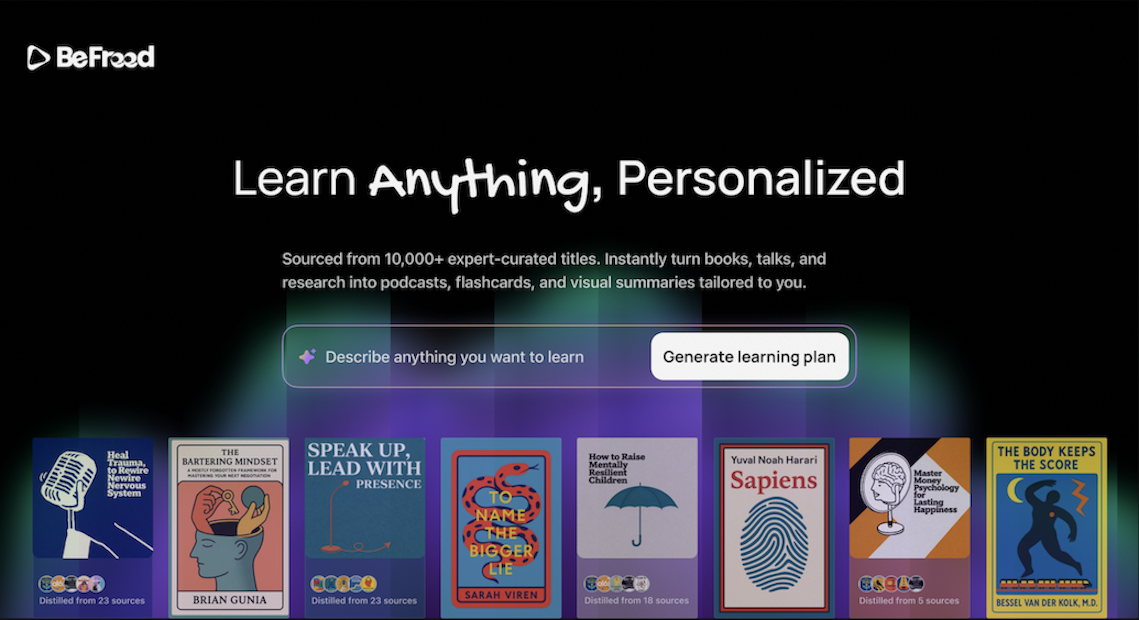
BeFreed takes a different approach from most education apps. Instead of drilling you on flashcards or walking you through textbook problems, it turns the world's best nonfiction books into personalized AI podcasts. You pick a topic — leadership, psychology, AI, productivity — and BeFreed generates a tailored audio summary you can listen to anywhere.
The app covers over 50,000 book titles and lets you choose your depth: 10-minute overviews for quick insights, or 40-minute deep dives when you want the full picture. Its adaptive learning plans connect books across disciplines, so reading about behavioral economics might lead you to a related title on decision-making psychology. This cross-domain approach mirrors how real expertise is built — not in silos, but through connected ideas.
BeFreed also generates AI podcasts on any topic you're curious about, pulling from its massive book library to create episodes that feel like listening to a knowledgeable friend break down complex subjects. If you're looking for other ways to get more from your reading, check out our guide on how to remember what you read.
Why It Stands Out: BeFreed is the only app that combines book summaries, AI podcast generation, and personalized learning plans into one platform. If your goal is to absorb knowledge from books — not just pass a test — it's the strongest option available.
Pricing: Free tier available; Premium unlocks unlimited podcasts and full library access.
Khanmigo is Khan Academy's AI tutor, and it does something most AI tools refuse to do: it won't give you the answer. Instead, it asks guiding questions and nudges you toward solving problems yourself. Think of it as a patient tutor who never gets frustrated, available 24/7.
It covers math, science, coding, history, and humanities. Students can upload photos of handwritten work, and Khanmigo will analyze the problem and walk them through it. Teachers get a separate set of tools — lesson planning, student progress summaries, and rubric generation — all aligned to educational standards.
Why It Stands Out: The Socratic tutoring method sets Khanmigo apart. It teaches you how to think through problems rather than memorize solutions. And it's free for teachers.
Pricing: Free for teachers; $4/month (or $44/year) for learners and parents.
Duolingo barely needs an introduction, but its Max tier has turned it into something genuinely new. Powered by GPT-4, Duolingo Max adds two AI features on top of the standard gamified lessons: Video Call, where you have a conversation with an AI character, and Roleplay, where you practice language in scenario-based situations like ordering food or negotiating a price.
The core Duolingo experience — bite-sized lessons, streak tracking, leaderboards — remains intact. The AI layer adds the speaking practice that traditional Duolingo always lacked. The "Explain My Answer" feature is now free for all users.
Why It Stands Out: No other language app combines Duolingo's addictive gamification with GPT-4-powered conversation practice. The AI Video Call feature is the closest thing to practicing with a native speaker without actually finding one.
Pricing: Free (basic); Super Duolingo at $13.99/month ($167.88/year); Max at $168/year.
Quizlet has been the go-to flashcard app for years, but its AI features have made it far more than a digital index card box. Magic Notes lets you upload class notes — handwritten, typed, or from Google Docs — and instantly generates flashcards, outlines, and practice tests. Q-Chat is an AI study buddy that quizzes you, explains concepts, and adapts to what you're struggling with.
Brain Beats turns your flashcard sets into songs (yes, really), and Memory Score tracks how well you're retaining material over time using spaced repetition data.
Why It Stands Out: Quizlet's strength is turning your own study material into multiple learning formats — flashcards, tests, chat-based review, and even music. If you're already taking notes, Quizlet makes them work harder.
Pricing: Free (basic features); Quizlet Plus at $35.99/year.
Photomath, now owned by Google, does one thing extremely well: you point your phone camera at a math problem, and it gives you the answer with full step-by-step explanations. It recognizes handwritten equations, printed textbook problems, and even diagrams.
The app covers everything from basic arithmetic to calculus, and its cloud-based neural network has gotten significantly better at parsing complex, multi-step problems. Photomath Plus adds animated video tutorials and textbook-specific solutions.
Why It Stands Out: No typing, no searching — just point and solve. For students stuck on homework at 11 PM, Photomath is the fastest path from confusion to understanding.
Pricing: Free (core features); Photomath Plus subscription for advanced explanations.
Synthesis Tutor focuses specifically on elementary math and does it with a level of polish most education apps can't match. Built for kids in kindergarten through 5th grade, it uses interactive games, visualizations, and adaptive difficulty to keep young learners engaged.
The AI adjusts in real time based on how kids answer — getting a wrong answer doesn't mean punishment, it means the tutor changes its approach. Parents can track progress, and the app supports up to 7 kid profiles per account.
Why It Stands Out: Most AI tutors target older students. Synthesis Tutor is purpose-built for young children, with a game-based interface that makes math feel like play rather than work.
Pricing: $99/year (annual plan) or $20/month; 7-day free trial; supports up to 7 kids.
Knowt has quickly become the go-to free alternative to Quizlet. Upload any material — PDFs, lecture notes, video links — and its AI generates flashcards in seconds. The app includes spaced repetition, practice tests, and a Learn Mode, all available without paying a dime.
Trusted by over 4 million students, Knowt syncs across devices and lets you import existing flashcard sets from other platforms. The premium tier adds unlimited AI generation and an AI tutor for deeper explanations.
Why It Stands Out: Knowt offers what Quizlet charges for — spaced repetition and practice tests — completely free. For budget-conscious students, it's hard to beat.
Pricing: Free (core features including spaced repetition); Premium at $5/month or $35/year.
Socratic earned its place on this list for what it pioneered, even though Google has since folded its features into Google Lens. The original app let students photograph any homework question and get curated explanations, videos, and web results powered by Google's AI.
While the standalone app is no longer available for download, the same visual search and AI explanation capabilities live on through Google Lens. If you're already using a Google phone or the Google app, you have access to Socratic's core functionality built in.
Why It Stands Out: Socratic proved that AI could be a homework companion, not just a search engine. Its DNA lives on in Google Lens, making AI-assisted learning a default feature on Android devices.
Pricing: Free (via Google Lens).
Your best pick depends on what you're actually trying to learn and how you like to learn it.
If you're a lifelong learner who wants to absorb ideas from books without spending hours reading, BeFreed's AI podcast approach is unique — no other app turns book knowledge into personalized audio content at this scale. For a deeper look at apps in this space, see our best book summary apps roundup or our comparison of Blinkist alternatives. For traditional academic subjects like math and science, Khanmigo offers the best free tutoring experience with its Socratic method.
Language learners should stick with Duolingo Max for its unmatched combination of gamification and AI conversation practice. Students prepping for exams will get the most mileage from Quizlet or Knowt, depending on their budget. And parents looking for an AI math tutor for young kids should check out Synthesis Tutor.
The good news: most of these apps offer free tiers or trials, so you can test before committing.
Most education apps focus on academic subjects — passing tests, solving equations, learning verb conjugations. BeFreed fills a gap that's been overlooked: helping adults and curious learners absorb knowledge from the world's best books, efficiently and enjoyably.
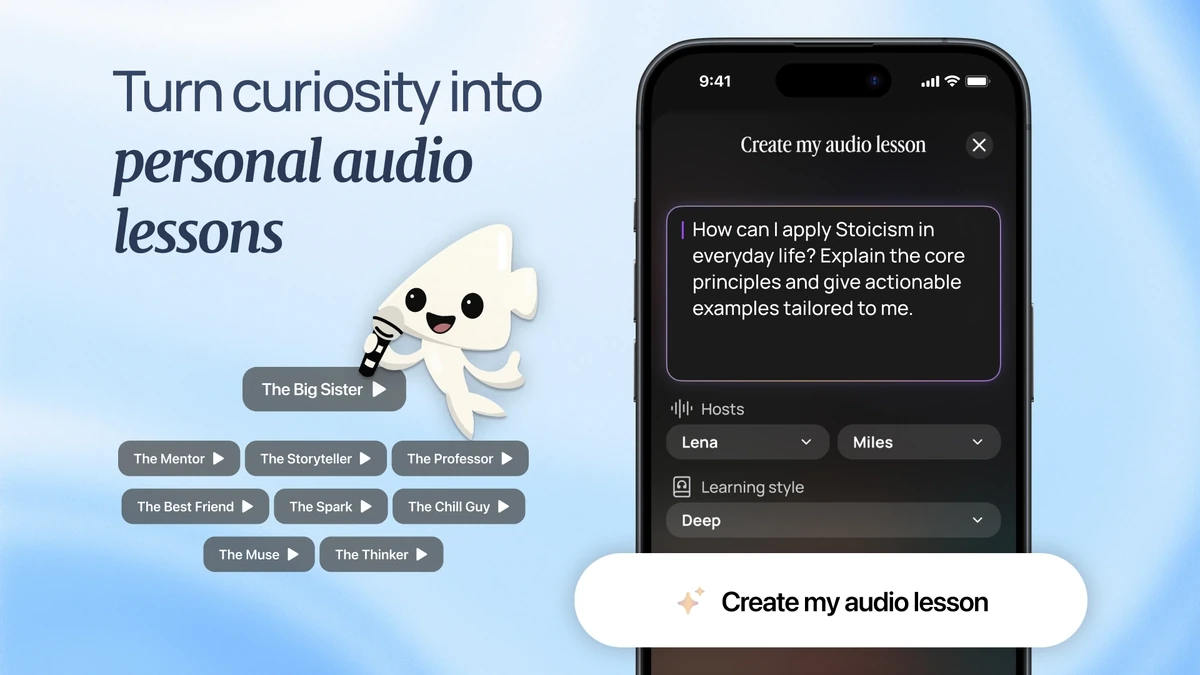
The AI podcast format changes how you engage with ideas. Instead of skimming a summary or reading bullet points, you listen to a well-structured audio breakdown that connects concepts and highlights what matters. You can go deep on a single book or let BeFreed's learning plans guide you across related titles, building real understanding rather than surface-level familiarity.
For anyone who has a growing reading list they never get through — or who wants to explore new fields like AI, behavioral science, or leadership — BeFreed turns that aspiration into a daily habit. Read Ultralearning on BeFreed to learn Scott Young's strategies for mastering hard skills fast, or explore Hyper-Learning by Edward D. Hess to understand how continuous learning, unlearning, and relearning have become essential skills in the AI era.
Master hard skills quickly, future-proof your career through self-education and intense learning strategies.

Master continuous learning, unlearning, and relearning in the digital age.
For a quick audio deep-dive, listen to Cross-Domain Learning Revolution with BeFreed — it covers how AI-powered personalized learning breaks traditional educational barriers and helps you explore connections across multiple knowledge domains.


Discover how AI-powered personalized learning breaks traditional educational barriers, enabling you to explore connections across multiple knowledge domains-from neuroscience to business-through engaging, adaptive content that matches your curiosity and learning style.

AI education apps have gone from novelty to necessity. The best ones don't just digitize old learning methods — they create entirely new ways to absorb and retain knowledge.
For book-based knowledge learning, BeFreed is our top pick. For academic tutoring, Khanmigo delivers exceptional value at just $4/month. Duolingo Max owns the language learning space, and Quizlet remains the gold standard for exam prep. Pick the app that matches how you learn best — and take advantage of the free tiers to find your fit.

Ai learning
As AI reshapes every industry, understanding its technical core and ethical boundaries is no longer optional. This plan is ideal for professionals and tech enthusiasts who want to transition from passive users to active creators of intelligent systems.

Want to learn about using AI effectively.
This learning plan is essential for professionals looking to stay competitive in an increasingly automated world. It is designed for anyone from beginners to managers who want to move beyond basic chat tools and integrate AI strategically into their daily productivity and decision-making.

Learning about Ai
As artificial intelligence becomes a cornerstone of modern industry, understanding its technical and ethical foundations is essential for staying competitive. This plan is ideal for professionals and enthusiasts looking to transition from basic awareness to building and managing intelligent systems.
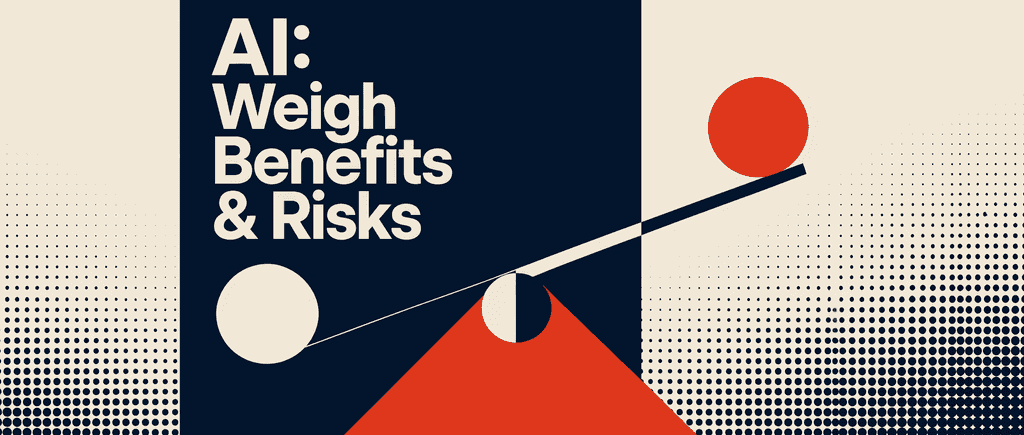
AI: weigh benefits & risks
As AI rapidly transforms every sector from healthcare to education, understanding its true potential and risks has become essential for informed citizenship and professional relevance. This learning plan equips anyone—whether business leaders, policymakers, students, or concerned citizens—with the critical thinking framework needed to navigate our AI-integrated future responsibly and effectively.

Master AI for work & growth
As artificial intelligence rapidly transforms every industry, professionals who understand and can effectively work with AI tools have a significant competitive advantage. This learning plan is designed for anyone looking to future-proof their career, boost productivity, and lead AI initiatives—whether you're a business professional, entrepreneur, manager, or individual contributor seeking to thrive in the age of intelligent automation.

Master AI efficiency and stay current.
As AI reshapes the professional landscape, mastering these tools is no longer optional but a competitive necessity. This plan is ideal for professionals and creators looking to transition from basic AI users to advanced engineers who stay ahead of the curve.

Learn to use AI at work
As AI transforms workplaces across industries, professionals who can effectively leverage these technologies gain significant competitive advantages. This learning plan equips you with practical AI skills and strategic insights to enhance your productivity, solve complex problems, and position yourself as an AI-savvy leader in your organization.

Master AI & ML for career advancement
This learning plan is designed for aspiring AI professionals who want to transition into one of the fastest-growing and highest-paying tech fields. Whether you're a complete beginner or a developer looking to specialize in AI, this structured path takes you from foundational concepts through advanced implementation skills, culminating in career-ready expertise that employers actively seek in today's AI-driven market.