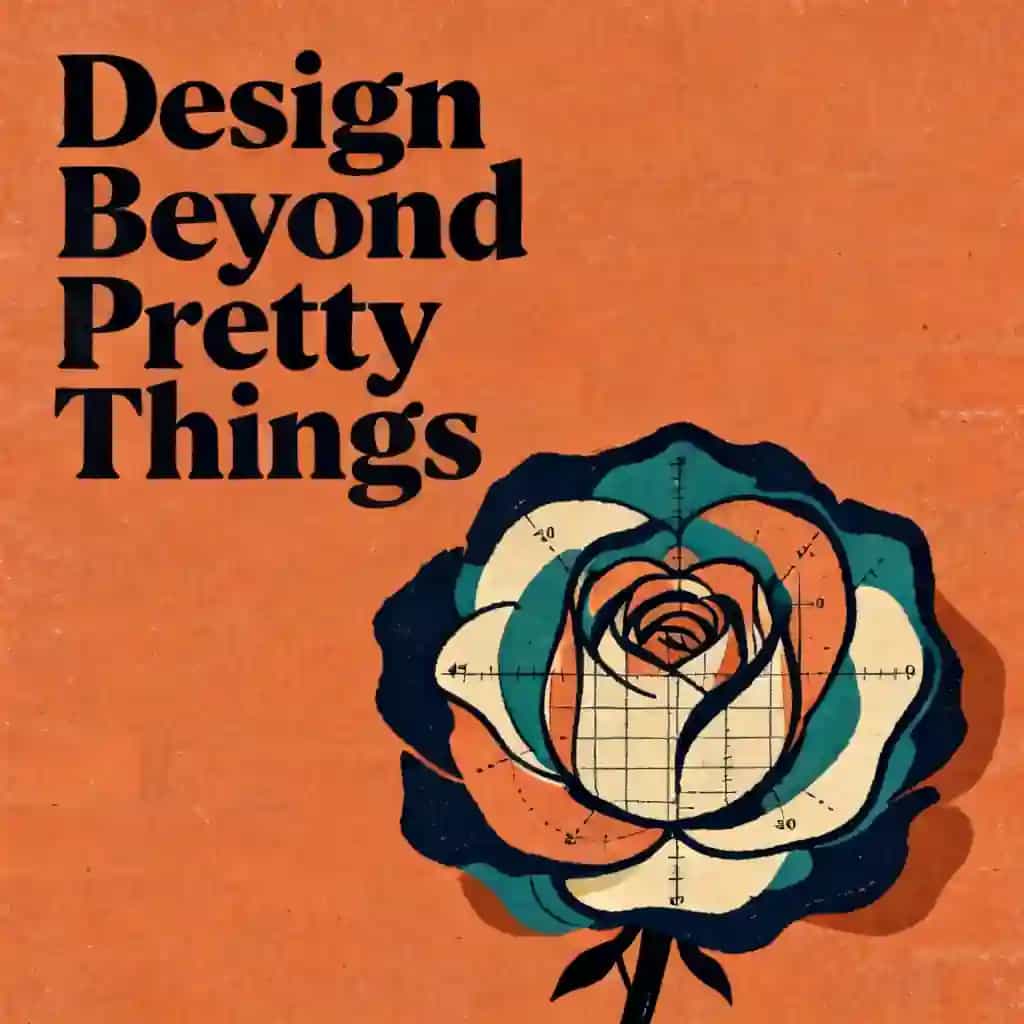
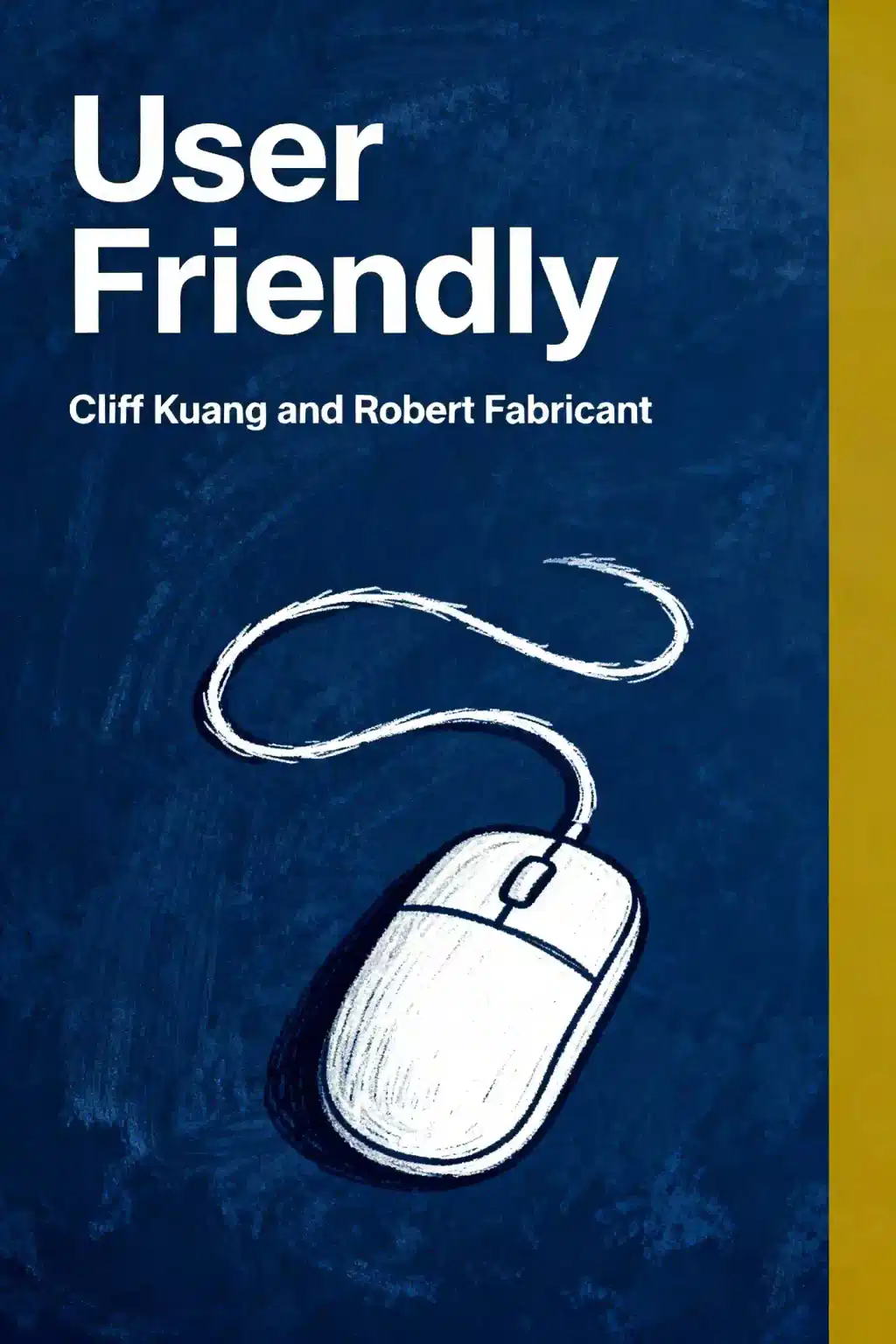
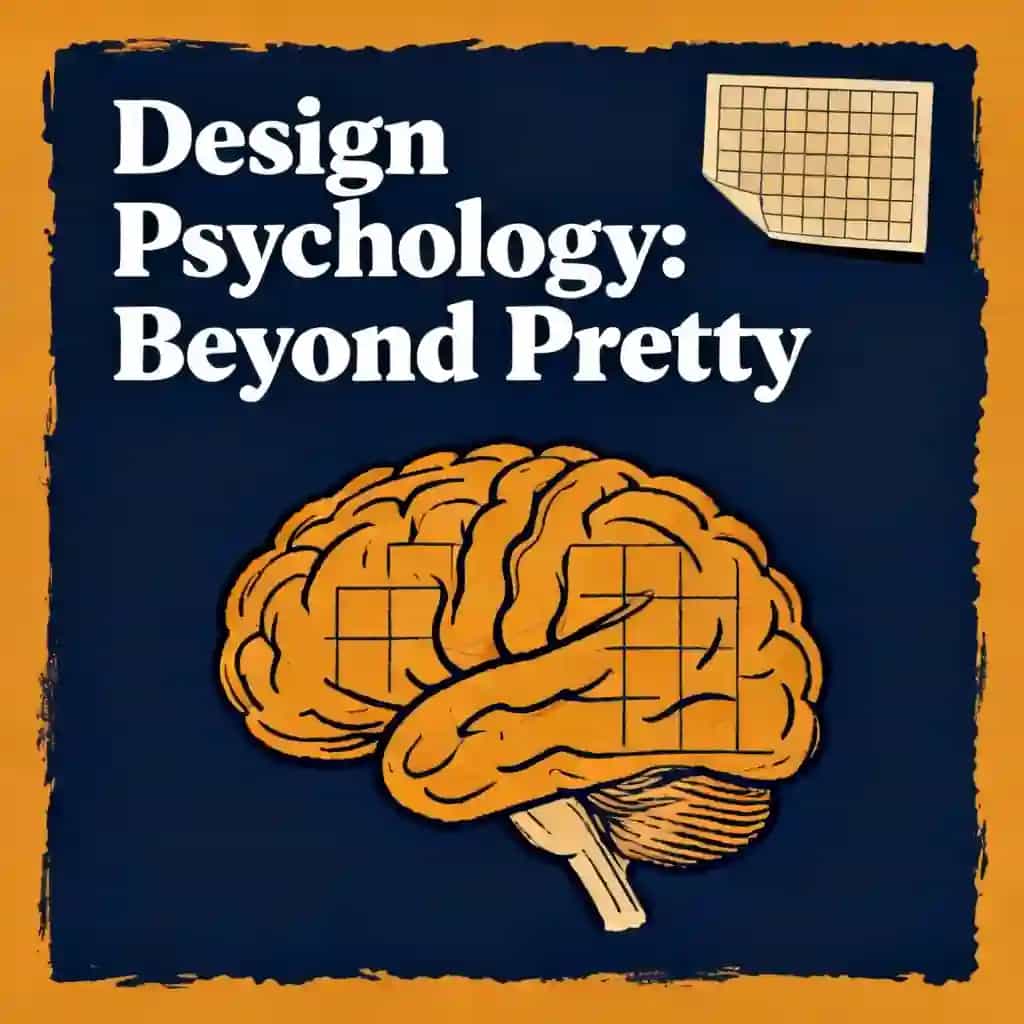
Why Design Is More Than Just Looking Good
Struggling to make your ideas functional? Learn how invisible design and cognitive load help you solve problems and build better user experiences.

Meilleure citation de Why Design Is More Than Just Looking Good
Design isn't just about making things look sleek; it’s actually the 'intention behind creation.' It’s a plan to make things work better, not just look better.
Generated by K
design

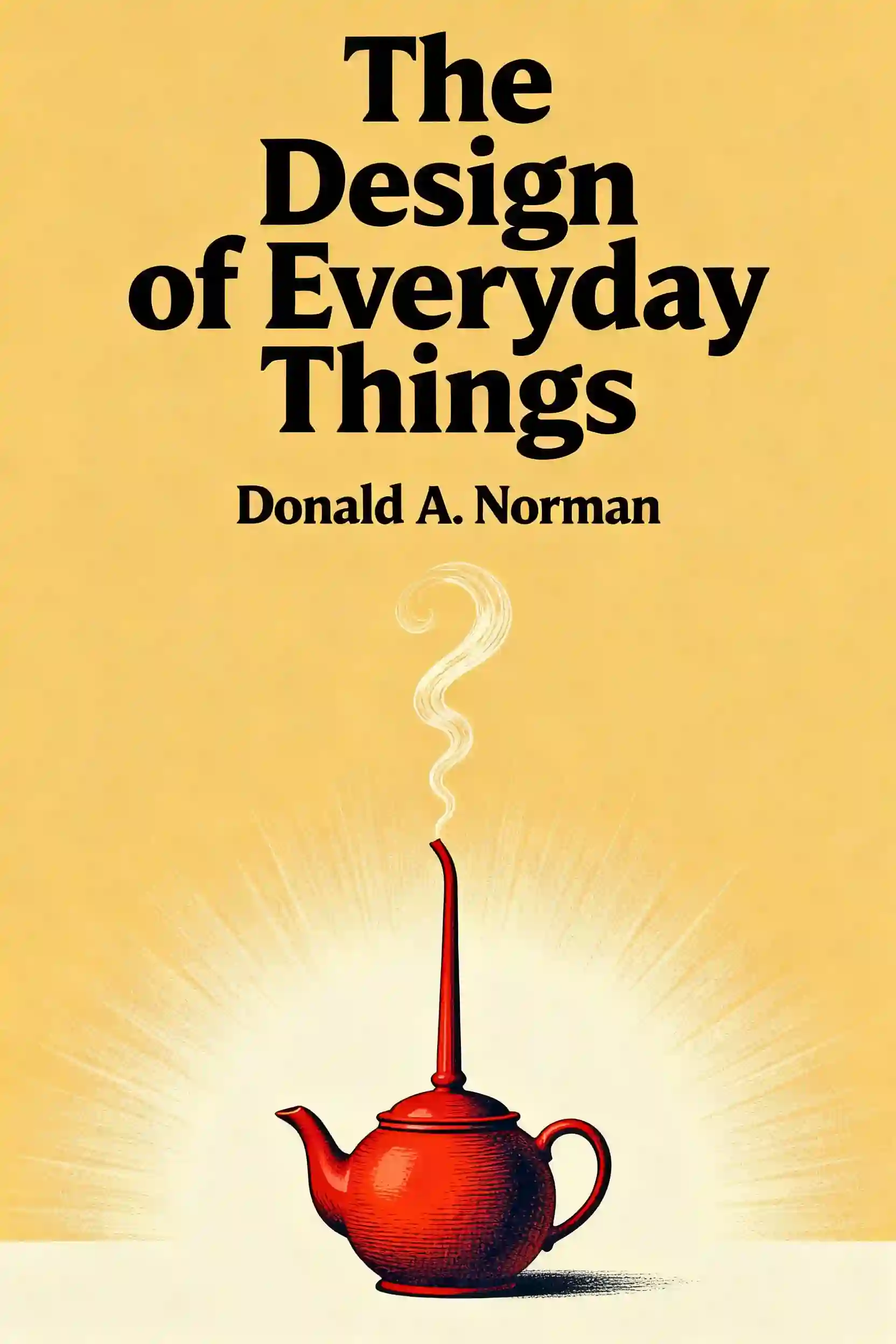

Foire aux questions
Invisible design refers to a product that works so seamlessly that the user doesn't have to consciously think about how to use it. As discussed in the script, the best design focuses on the "intention behind creation" to solve problems and make things work better rather than just looking sleek. When a design is successful, the user can achieve their goals—like drinking from a coffee mug or searching on Google—without being distracted by the mechanics of the object or interface itself.
Cognitive Load Theory is based on the fact that human working memory is limited to holding roughly four to seven items at once. Designers aim to manage three types of mental load: Intrinsic (the natural difficulty of a task), Extraneous (unnecessary mental effort caused by poor design like cluttered layouts), and Germane (the beneficial effort used to learn a permanent mental model). By reducing "extraneous load" and using techniques like "chunking" information into smaller steps, designers prevent decision fatigue and keep users from abandoning tasks.
According to the framework mentioned in the script, effective forms rely on Structure, Transparency, Clarity, and Support. Structure involves logically grouping related fields in a single-column layout to make them easier to scan. Transparency means setting expectations by informing users of time requirements or necessary documents before they start. Clarity requires using plain, non-ambiguous language for questions. Finally, Support involves helping the user in the moment with visible labels and real-time validation that identifies errors as they occur rather than only after a user hits submit.
The curb-cut effect is the idea that designing for people with disabilities ultimately creates a better experience for everyone. For example, high color contrast designed for users with visual impairments also helps someone trying to read a screen in bright sunlight. Similarly, video captions created for the deaf benefit people watching videos in loud environments without headphones. In 2026, accessibility is viewed not just as a legal requirement, but as a foundational element that removes barriers for all users regardless of their situation.
As technology moves toward AI-generated content and multimodal interfaces (like switching between voice and touch), designers are shifting from "human-centered" to "humanity-centered" design. This means considering the broader ethical impact of a product on society and the environment. Designers must now act as "translators" who manage the complexity of AI by ensuring users maintain "fine-grained control" over automated outputs and by creating situational interfaces that adapt to the user's specific physical context.
Cree par des anciens de Columbia University a San Francisco
"Instead of endless scrolling, I just hit play on BeFreed. It saves me so much time."


"I never knew where to start with nonfiction—BeFreed’s book lists turned into podcasts gave me a clear path."


"Perfect balance between learning and entertainment. Finished ‘Thinking, Fast and Slow’ on my commute this week."
"Crazy how much I learned while walking the dog. BeFreed = small habits → big gains."
"Reading used to feel like a chore. Now it’s just part of my lifestyle."

"Feels effortless compared to reading. I’ve finished 6 books this month already."
"BeFreed turned my guilty doomscrolling into something that feels productive and inspiring."

"BeFreed turned my commute into learning time. 20-min podcasts are perfect for finishing books I never had time for."
"BeFreed replaced my podcast queue. Imagine Spotify for books — that’s it. 🙌"

"It is great for me to learn something from the book without reading it."
"The themed book list podcasts help me connect ideas across authors—like a guided audio journey."
"Makes me feel smarter every time before going to work"
Cree par des anciens de Columbia University a San Francisco
"Instead of endless scrolling, I just hit play on BeFreed. It saves me so much time."
"I never knew where to start with nonfiction—BeFreed’s book lists turned into podcasts gave me a clear path."
"Perfect balance between learning and entertainment. Finished ‘Thinking, Fast and Slow’ on my commute this week."
"Crazy how much I learned while walking the dog. BeFreed = small habits → big gains."
"Reading used to feel like a chore. Now it’s just part of my lifestyle."
"Feels effortless compared to reading. I’ve finished 6 books this month already."
"BeFreed turned my guilty doomscrolling into something that feels productive and inspiring."
"BeFreed turned my commute into learning time. 20-min podcasts are perfect for finishing books I never had time for."
"BeFreed replaced my podcast queue. Imagine Spotify for books — that’s it. 🙌"
"It is great for me to learn something from the book without reading it."
"The themed book list podcasts help me connect ideas across authors—like a guided audio journey."
"Makes me feel smarter every time before going to work"
"Instead of endless scrolling, I just hit play on BeFreed. It saves me so much time."
"I never knew where to start with nonfiction—BeFreed’s book lists turned into podcasts gave me a clear path."
"Perfect balance between learning and entertainment. Finished ‘Thinking, Fast and Slow’ on my commute this week."
"Crazy how much I learned while walking the dog. BeFreed = small habits → big gains."
"Reading used to feel like a chore. Now it’s just part of my lifestyle."
"Feels effortless compared to reading. I’ve finished 6 books this month already."
"BeFreed turned my guilty doomscrolling into something that feels productive and inspiring."
"BeFreed turned my commute into learning time. 20-min podcasts are perfect for finishing books I never had time for."
"BeFreed replaced my podcast queue. Imagine Spotify for books — that’s it. 🙌"
"It is great for me to learn something from the book without reading it."
"The themed book list podcasts help me connect ideas across authors—like a guided audio journey."
"Makes me feel smarter every time before going to work"
"Instead of endless scrolling, I just hit play on BeFreed. It saves me so much time."
"I never knew where to start with nonfiction—BeFreed’s book lists turned into podcasts gave me a clear path."
"Perfect balance between learning and entertainment. Finished ‘Thinking, Fast and Slow’ on my commute this week."
"Crazy how much I learned while walking the dog. BeFreed = small habits → big gains."
"Reading used to feel like a chore. Now it’s just part of my lifestyle."
"Feels effortless compared to reading. I’ve finished 6 books this month already."
"BeFreed turned my guilty doomscrolling into something that feels productive and inspiring."
"BeFreed turned my commute into learning time. 20-min podcasts are perfect for finishing books I never had time for."
"BeFreed replaced my podcast queue. Imagine Spotify for books — that’s it. 🙌"
"It is great for me to learn something from the book without reading it."
"The themed book list podcasts help me connect ideas across authors—like a guided audio journey."
"Makes me feel smarter every time before going to work"