Vietnam: From Colonial Roots to Global Conflict
Trace the Vietnam War's evolution from a French colonial struggle to a pivotal Cold War proxy battle. Explore the strategic shifts, human costs, and the lasting cultural legacy that reshaped the world.

Meilleure citation de Vietnam: From Colonial Roots to Global Conflict
Power isn't just about who has the most planes or the most money; it’s about will, strategy, and understanding the terrain—both the physical terrain and the psychological one.
Generated by Jeff
Vietnam war history

Foire aux questions
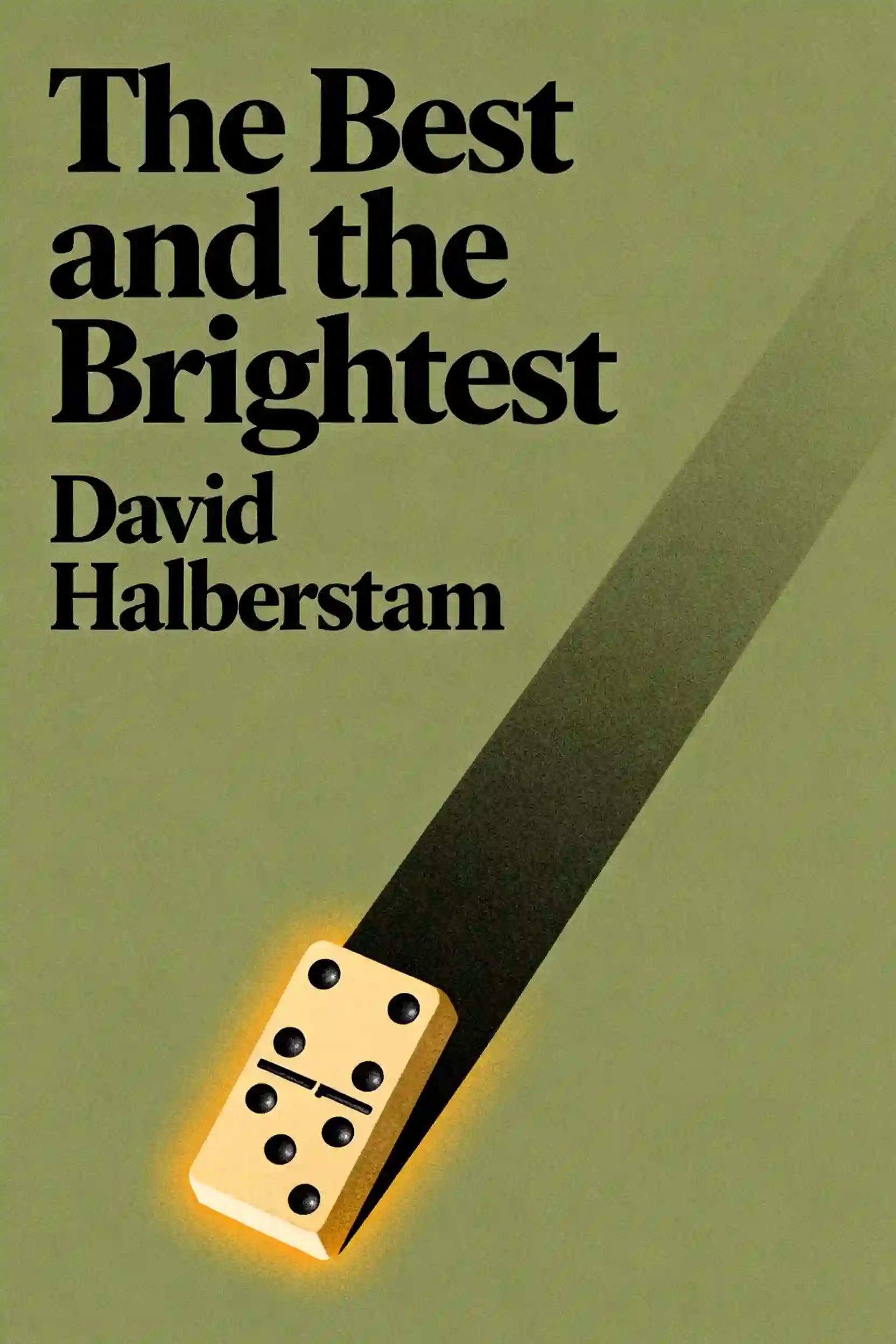
The domino theory was a prominent Cold War belief among U.S. policymakers that if one country in Southeast Asia fell to communism, neighboring nations would inevitably follow like a row of toppling dominoes. Following the conflict in Korea, the U.S. viewed the struggle in Vietnam through this ideological lens rather than as a local movement for independence. This fear of a global communist expansion led the United States to funnel money, weapons, and eventually thousands of military advisers into South Vietnam to support the government of Ngo Dinh Diem.
The Gulf of Tonkin Resolution was a pivotal turning point in 1964 that granted President Lyndon B. Johnson a "blank check" to use military force in Southeast Asia without a formal declaration of war by Congress. It was prompted by reports of North Vietnamese patrol boats attacking American naval vessels. Although the details of the incident have been historically debated, the resolution allowed for a massive escalation of the conflict, shifting it from a localized insurgency into a full-scale war involving U.S. combat troops.
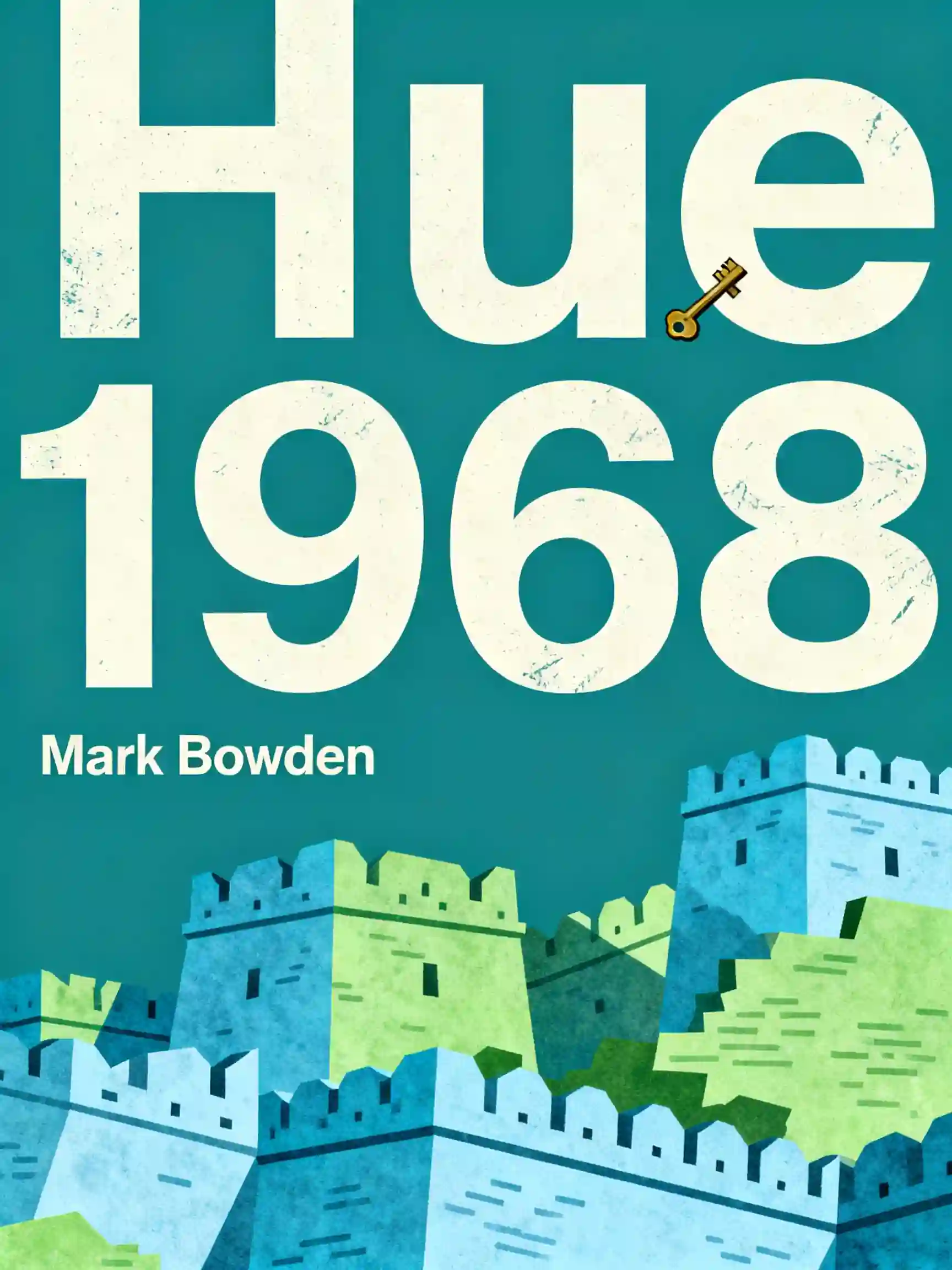
While the North Vietnamese and Viet Cong suffered massive casualties and were pushed back by U.S. and South Vietnamese forces, the Tet Offensive was a psychological victory that shattered the American public's trust in their government. Prior to the attack, officials had claimed the enemy was exhausted and victory was near; however, the coordinated strikes on over 100 cities proved otherwise. This "credibility gap" led to widespread social unrest in the U.S., the decision by President Johnson not to seek re-election, and an eventual shift toward withdrawing American forces.
In the years following the war, Vietnam initially struggled under a centrally planned socialist system and international isolation, leading to near famine by the late 1970s. In 1986, the government introduced a renovation policy known as "Doi Moi," which implemented market reforms, allowed for private property, and encouraged foreign investment. These changes resulted in an incredible economic turnaround, significantly reducing poverty rates and transforming Vietnam into one of the world's largest rice exporters and a major player in the global manufacturing economy.
The war left a staggering toll, including the deaths of an estimated two million civilians and over 58,000 U.S. service members. The environment was devastated by the use of chemical agents like Agent Orange, which continues to cause health issues and birth defects, while unexploded ordnance still poses a danger in the countryside. Additionally, the aftermath saw a massive humanitarian crisis as hundreds of thousands of "boat people" fled the new regime, and approximately one million people were sent to "re-education camps" for perceived disloyalty to the communist government.
Cree par des anciens de Columbia University a San Francisco
"Instead of endless scrolling, I just hit play on BeFreed. It saves me so much time."


"I never knew where to start with nonfiction—BeFreed’s book lists turned into podcasts gave me a clear path."


"Perfect balance between learning and entertainment. Finished ‘Thinking, Fast and Slow’ on my commute this week."
"Crazy how much I learned while walking the dog. BeFreed = small habits → big gains."
"Reading used to feel like a chore. Now it’s just part of my lifestyle."

"Feels effortless compared to reading. I’ve finished 6 books this month already."
"BeFreed turned my guilty doomscrolling into something that feels productive and inspiring."

"BeFreed turned my commute into learning time. 20-min podcasts are perfect for finishing books I never had time for."
"BeFreed replaced my podcast queue. Imagine Spotify for books — that’s it. 🙌"

"It is great for me to learn something from the book without reading it."
"The themed book list podcasts help me connect ideas across authors—like a guided audio journey."
"Makes me feel smarter every time before going to work"
 Ask ChatGPT
 Ask Claude
Cree par des anciens de Columbia University a San Francisco
"Instead of endless scrolling, I just hit play on BeFreed. It saves me so much time."
"I never knew where to start with nonfiction—BeFreed’s book lists turned into podcasts gave me a clear path."
"Perfect balance between learning and entertainment. Finished ‘Thinking, Fast and Slow’ on my commute this week."
"Crazy how much I learned while walking the dog. BeFreed = small habits → big gains."
"Reading used to feel like a chore. Now it’s just part of my lifestyle."
"Feels effortless compared to reading. I’ve finished 6 books this month already."
"BeFreed turned my guilty doomscrolling into something that feels productive and inspiring."
"BeFreed turned my commute into learning time. 20-min podcasts are perfect for finishing books I never had time for."
"BeFreed replaced my podcast queue. Imagine Spotify for books — that’s it. 🙌"
"It is great for me to learn something from the book without reading it."
"The themed book list podcasts help me connect ideas across authors—like a guided audio journey."
"Makes me feel smarter every time before going to work"
"Instead of endless scrolling, I just hit play on BeFreed. It saves me so much time."
"I never knew where to start with nonfiction—BeFreed’s book lists turned into podcasts gave me a clear path."
"Perfect balance between learning and entertainment. Finished ‘Thinking, Fast and Slow’ on my commute this week."
"Crazy how much I learned while walking the dog. BeFreed = small habits → big gains."
"Reading used to feel like a chore. Now it’s just part of my lifestyle."
"Feels effortless compared to reading. I’ve finished 6 books this month already."
"BeFreed turned my guilty doomscrolling into something that feels productive and inspiring."
"BeFreed turned my commute into learning time. 20-min podcasts are perfect for finishing books I never had time for."
"BeFreed replaced my podcast queue. Imagine Spotify for books — that’s it. 🙌"
"It is great for me to learn something from the book without reading it."
"The themed book list podcasts help me connect ideas across authors—like a guided audio journey."
"Makes me feel smarter every time before going to work"
"Instead of endless scrolling, I just hit play on BeFreed. It saves me so much time."
"I never knew where to start with nonfiction—BeFreed’s book lists turned into podcasts gave me a clear path."
"Perfect balance between learning and entertainment. Finished ‘Thinking, Fast and Slow’ on my commute this week."
"Crazy how much I learned while walking the dog. BeFreed = small habits → big gains."
"Reading used to feel like a chore. Now it’s just part of my lifestyle."
"Feels effortless compared to reading. I’ve finished 6 books this month already."
"BeFreed turned my guilty doomscrolling into something that feels productive and inspiring."
"BeFreed turned my commute into learning time. 20-min podcasts are perfect for finishing books I never had time for."
"BeFreed replaced my podcast queue. Imagine Spotify for books — that’s it. 🙌"
"It is great for me to learn something from the book without reading it."
"The themed book list podcasts help me connect ideas across authors—like a guided audio journey."
"Makes me feel smarter every time before going to work"