Urban Flow: The Future of Sewer Systems & Global Sanitation
Explore Urban Flow: The Future of Sewer Systems. Learn about the global sanitation crisis, wastewater collection challenges, and the impact of climate change.

Meilleure citation de Urban Flow: The Future of Sewer Systems & Global Sanitation
We’re moving from a 'disposal' system to a 'recovery' system, turning the sewer into a factory for sustainability where wastewater is treated as a strategic asset for energy, nutrients, and water reuse.
Generated by Anthony
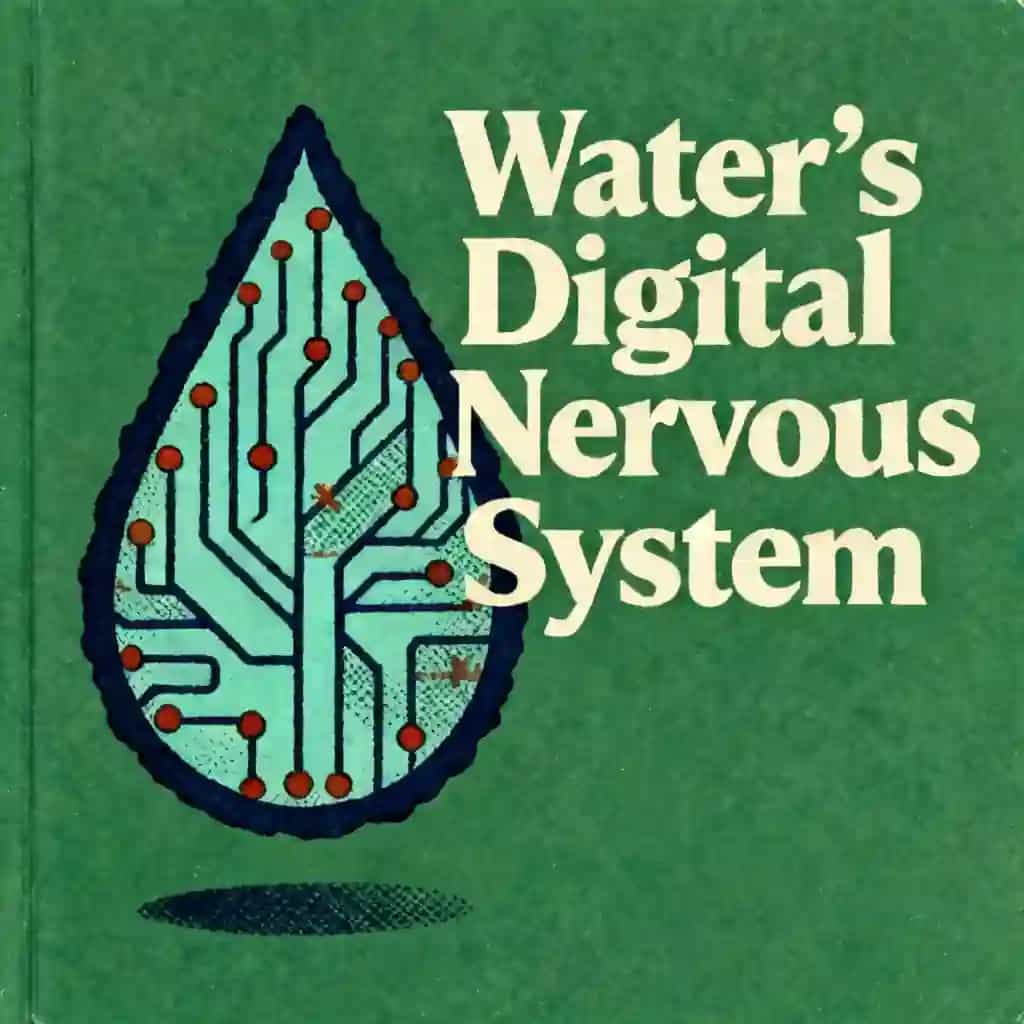
Sewer wastewater collection






Foire aux questions
The global sanitation crisis is a significant hurdle for over two and a half billion people who lack reliable waste management. Urban areas currently generate approximately 380 billion cubic meters of wastewater annually, yet a massive gap exists between production and treatment. While developed nations treat about 58 percent of their wastewater, developing regions like Southeast Asia see treatment rates drop as low as 8 to 28 percent, leading to untreated water being released back into the environment.
Wastewater collection serves as the circulatory system of a city, acting as the lifeblood of urban health by keeping environments clean and safe. When these complex systems of pipes and pumps fail or are absent, it creates a major logistical and health challenge for the population. Ensuring efficient sewer systems is essential for maintaining public health, especially as population growth and climate change put legacy infrastructure under serious pressure in 2026.
The water treatment gap in Southeast Asia is particularly severe, with only 8 to 28 percent of wastewater being treated before it is released. This staggering disparity highlights the hidden urban challenge of managing massive volumes of waste in developing regions. As urban areas continue to churn out billions of cubic meters of wastewater, the lack of infrastructure in these areas makes the sanitation system feel more fragile than ever compared to developed countries.
Population growth and climate change are placing unprecedented pressure on legacy sewer systems, making them increasingly fragile. These factors exacerbate the global sanitation crisis by straining the massive circulatory systems beneath our cities that were not originally designed for such high demand. As we move through 2026, the need for resilient wastewater collection infrastructure becomes critical to prevent untreated water from damaging the environment and threatening the stability of urban health.
Cree par des anciens de Columbia University a San Francisco
"Instead of endless scrolling, I just hit play on BeFreed. It saves me so much time."


"I never knew where to start with nonfiction—BeFreed’s book lists turned into podcasts gave me a clear path."


"Perfect balance between learning and entertainment. Finished ‘Thinking, Fast and Slow’ on my commute this week."
"Crazy how much I learned while walking the dog. BeFreed = small habits → big gains."
"Reading used to feel like a chore. Now it’s just part of my lifestyle."

"Feels effortless compared to reading. I’ve finished 6 books this month already."
"BeFreed turned my guilty doomscrolling into something that feels productive and inspiring."

"BeFreed turned my commute into learning time. 20-min podcasts are perfect for finishing books I never had time for."
"BeFreed replaced my podcast queue. Imagine Spotify for books — that’s it. 🙌"

"It is great for me to learn something from the book without reading it."
"The themed book list podcasts help me connect ideas across authors—like a guided audio journey."
"Makes me feel smarter every time before going to work"
Cree par des anciens de Columbia University a San Francisco
"Instead of endless scrolling, I just hit play on BeFreed. It saves me so much time."
"I never knew where to start with nonfiction—BeFreed’s book lists turned into podcasts gave me a clear path."
"Perfect balance between learning and entertainment. Finished ‘Thinking, Fast and Slow’ on my commute this week."
"Crazy how much I learned while walking the dog. BeFreed = small habits → big gains."
"Reading used to feel like a chore. Now it’s just part of my lifestyle."
"Feels effortless compared to reading. I’ve finished 6 books this month already."
"BeFreed turned my guilty doomscrolling into something that feels productive and inspiring."
"BeFreed turned my commute into learning time. 20-min podcasts are perfect for finishing books I never had time for."
"BeFreed replaced my podcast queue. Imagine Spotify for books — that’s it. 🙌"
"It is great for me to learn something from the book without reading it."
"The themed book list podcasts help me connect ideas across authors—like a guided audio journey."
"Makes me feel smarter every time before going to work"
"Instead of endless scrolling, I just hit play on BeFreed. It saves me so much time."
"I never knew where to start with nonfiction—BeFreed’s book lists turned into podcasts gave me a clear path."
"Perfect balance between learning and entertainment. Finished ‘Thinking, Fast and Slow’ on my commute this week."
"Crazy how much I learned while walking the dog. BeFreed = small habits → big gains."
"Reading used to feel like a chore. Now it’s just part of my lifestyle."
"Feels effortless compared to reading. I’ve finished 6 books this month already."
"BeFreed turned my guilty doomscrolling into something that feels productive and inspiring."
"BeFreed turned my commute into learning time. 20-min podcasts are perfect for finishing books I never had time for."
"BeFreed replaced my podcast queue. Imagine Spotify for books — that’s it. 🙌"
"It is great for me to learn something from the book without reading it."
"The themed book list podcasts help me connect ideas across authors—like a guided audio journey."
"Makes me feel smarter every time before going to work"
"Instead of endless scrolling, I just hit play on BeFreed. It saves me so much time."
"I never knew where to start with nonfiction—BeFreed’s book lists turned into podcasts gave me a clear path."
"Perfect balance between learning and entertainment. Finished ‘Thinking, Fast and Slow’ on my commute this week."
"Crazy how much I learned while walking the dog. BeFreed = small habits → big gains."
"Reading used to feel like a chore. Now it’s just part of my lifestyle."
"Feels effortless compared to reading. I’ve finished 6 books this month already."
"BeFreed turned my guilty doomscrolling into something that feels productive and inspiring."
"BeFreed turned my commute into learning time. 20-min podcasts are perfect for finishing books I never had time for."
"BeFreed replaced my podcast queue. Imagine Spotify for books — that’s it. 🙌"
"It is great for me to learn something from the book without reading it."
"The themed book list podcasts help me connect ideas across authors—like a guided audio journey."
"Makes me feel smarter every time before going to work"