The Untethered Soul: Why Your Inner Voice Is a Roommate
Tired of being stuck in your own head? Learn how to observe your thoughts without being controlled by them so you can live with more freedom and joy.

Meilleure citation de The Untethered Soul: Why Your Inner Voice Is a Roommate
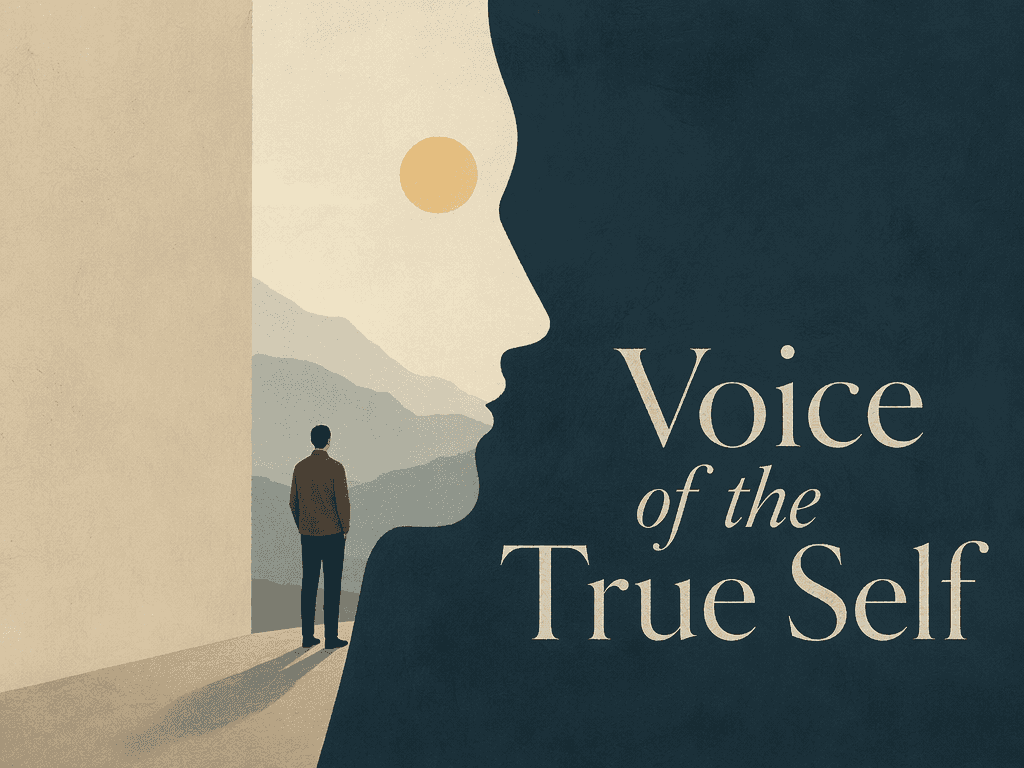
If you can hear the voice, it can’t be you. If you were the voice, who would be listening? The voice is the object, and you are the subject—the one watching the whole show.
Generated by Jason Rastovski
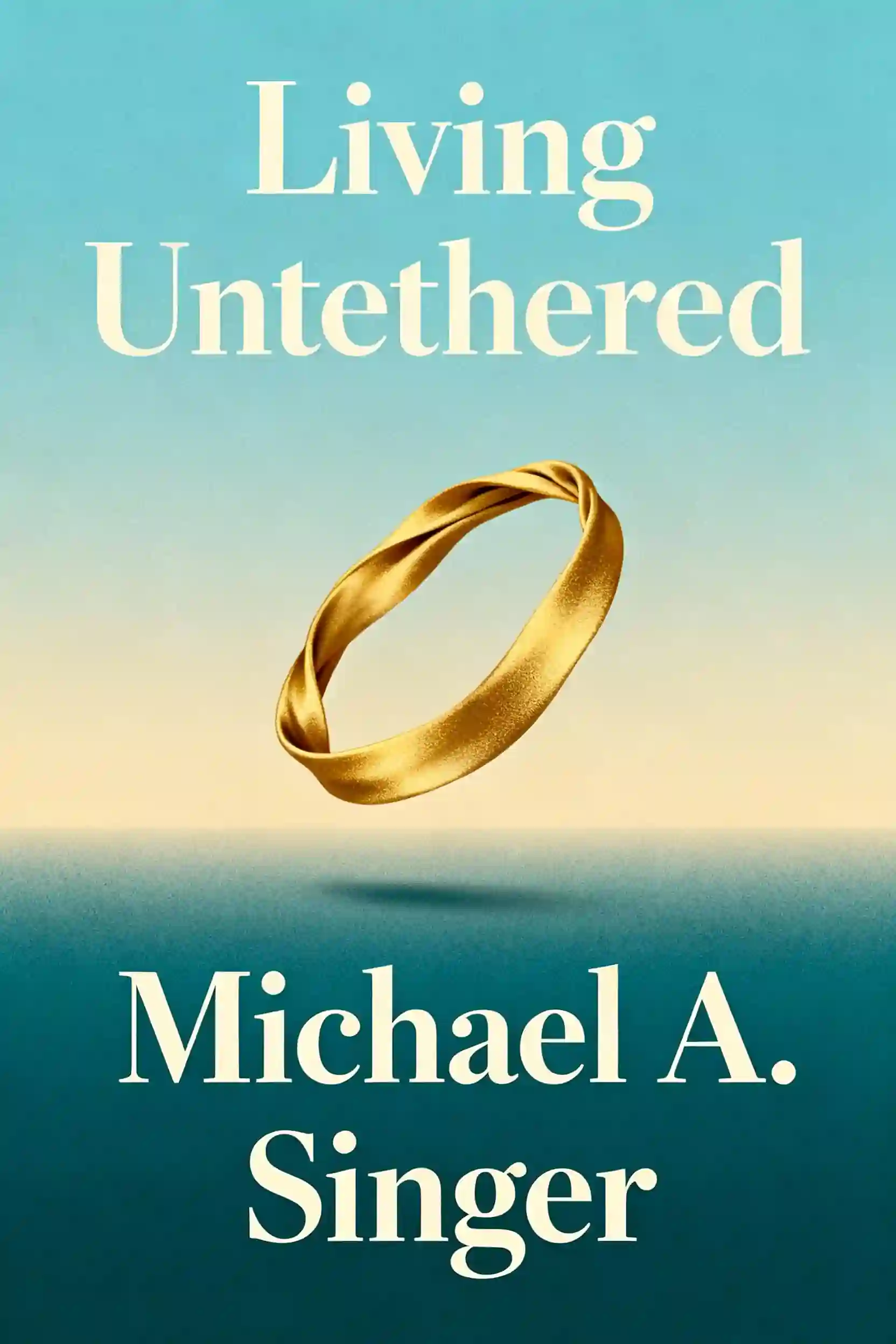
Untethered Soul by Michael Singer



Foire aux questions
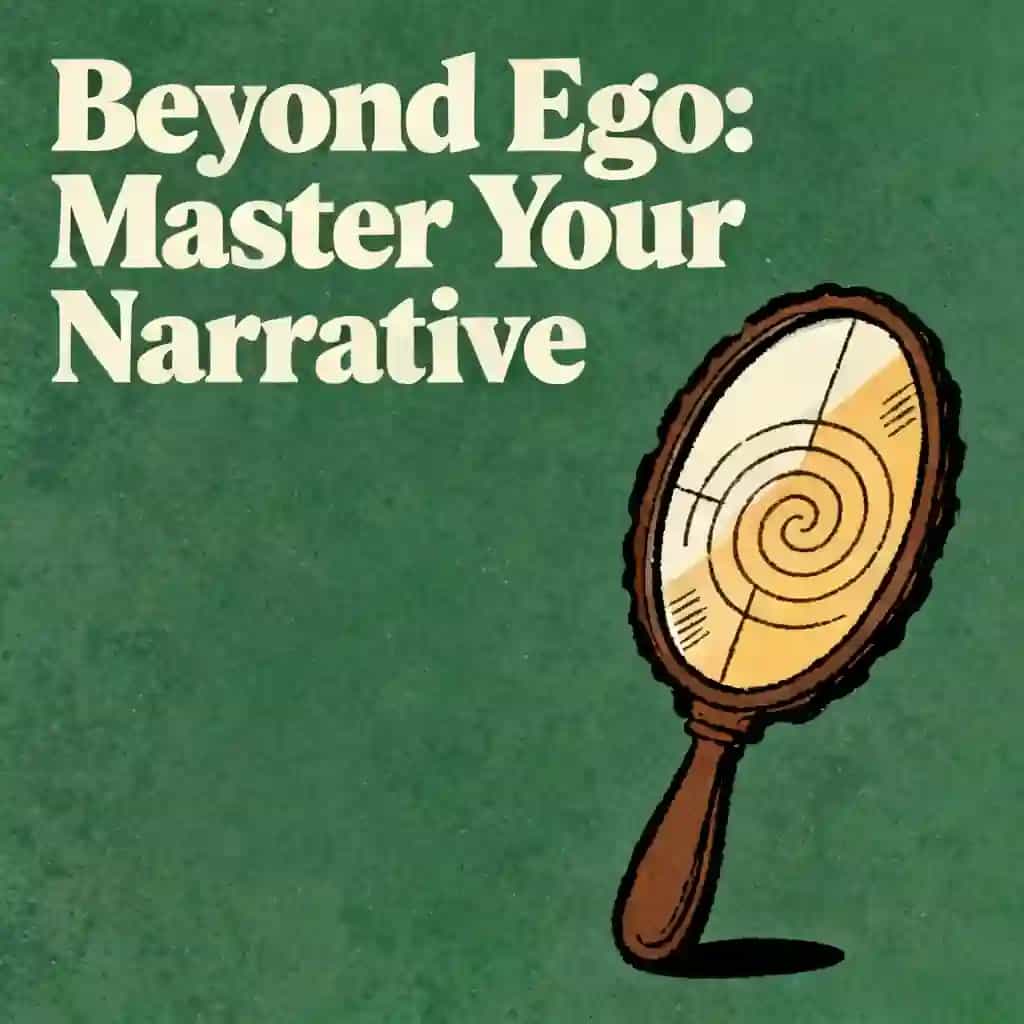
According to the script, you are the "Witness" or the "Subject" who hears the voice. Michael Singer and ancient philosophies like Samkhya suggest that if you can observe a thought, that thought is an object, and you are the conscious observer watching it. This "Seat of the Self" is a place of pure awareness that remains silent and untouched by the mental chatter, moods, or physical sensations it perceives.
Noticing breaks your identification with the emotion. Instead of saying "I am angry," which implies the anger is your entire identity, you shift to saying "I am noticing a feeling of anger passing through my consciousness." This subtle change in perspective creates a "gap" between you and the emotion, allowing you to become the vast space around the anger rather than being consumed by it. This prevents you from being "tethered" to the mood and allows it to pass through you like a cloud moving across the sky.
Samskaras are stored past energy patterns or "mental knots" created when we resist painful experiences instead of letting them pass through us. These impressions are stored in the energetic heart center and act as filters for the present moment. When a current event triggers an old Samskara, you relive the old pain and instinctively "close" your heart to protect yourself. This resistance keeps the energy trapped, leading to a cycle of rumination and exhaustion.
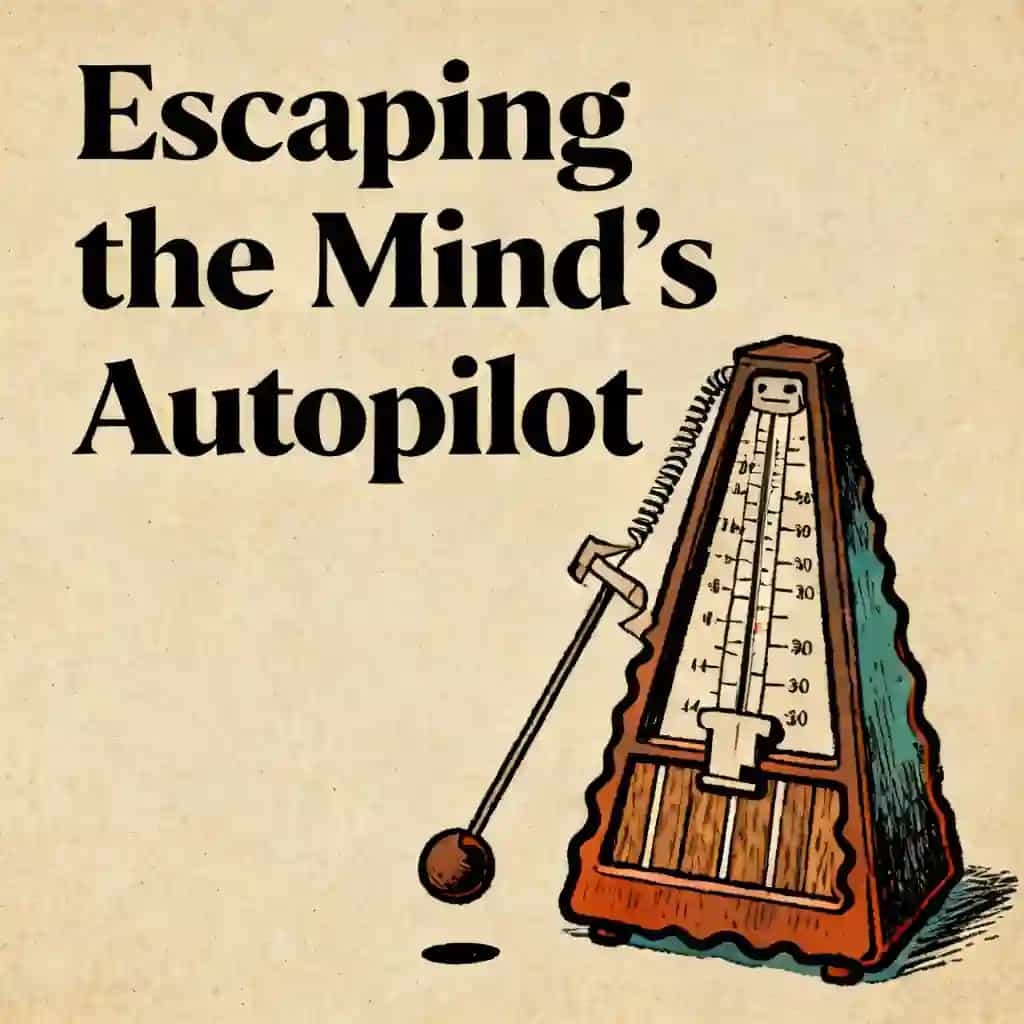
The "Relax and Release" method is a practical loop used the moment you feel an internal "clench" or emotional trigger. Instead of following your inner roommate into a story about why you are upset, you consciously soften your shoulders, chest, and stomach. By leaning into the discomfort and relaxing your physical body, you allow the stored energy to move through you and clear out of your system. The script emphasizes doing this in the moment—whether in traffic or a meeting—rather than waiting for a formal meditation session.
No, the script suggests a state of "Detached Mind + Driven Action." This means your internal state remains calm and observant, but your external actions are focused and intentional. You can still work hard and strive for success, but you are no longer tethered to the outcome for your sense of self. By not wasting energy on internal resistance or "protecting" your ego, you actually gain more energy and clarity to engage fully with the world.
Cree par des anciens de Columbia University a San Francisco
"Instead of endless scrolling, I just hit play on BeFreed. It saves me so much time."


"I never knew where to start with nonfiction—BeFreed’s book lists turned into podcasts gave me a clear path."


"Perfect balance between learning and entertainment. Finished ‘Thinking, Fast and Slow’ on my commute this week."
"Crazy how much I learned while walking the dog. BeFreed = small habits → big gains."
"Reading used to feel like a chore. Now it’s just part of my lifestyle."

"Feels effortless compared to reading. I’ve finished 6 books this month already."
"BeFreed turned my guilty doomscrolling into something that feels productive and inspiring."

"BeFreed turned my commute into learning time. 20-min podcasts are perfect for finishing books I never had time for."
"BeFreed replaced my podcast queue. Imagine Spotify for books — that’s it. 🙌"

"It is great for me to learn something from the book without reading it."
"The themed book list podcasts help me connect ideas across authors—like a guided audio journey."
"Makes me feel smarter every time before going to work"
Cree par des anciens de Columbia University a San Francisco
"Instead of endless scrolling, I just hit play on BeFreed. It saves me so much time."
"I never knew where to start with nonfiction—BeFreed’s book lists turned into podcasts gave me a clear path."
"Perfect balance between learning and entertainment. Finished ‘Thinking, Fast and Slow’ on my commute this week."
"Crazy how much I learned while walking the dog. BeFreed = small habits → big gains."
"Reading used to feel like a chore. Now it’s just part of my lifestyle."
"Feels effortless compared to reading. I’ve finished 6 books this month already."
"BeFreed turned my guilty doomscrolling into something that feels productive and inspiring."
"BeFreed turned my commute into learning time. 20-min podcasts are perfect for finishing books I never had time for."
"BeFreed replaced my podcast queue. Imagine Spotify for books — that’s it. 🙌"
"It is great for me to learn something from the book without reading it."
"The themed book list podcasts help me connect ideas across authors—like a guided audio journey."
"Makes me feel smarter every time before going to work"
"Instead of endless scrolling, I just hit play on BeFreed. It saves me so much time."
"I never knew where to start with nonfiction—BeFreed’s book lists turned into podcasts gave me a clear path."
"Perfect balance between learning and entertainment. Finished ‘Thinking, Fast and Slow’ on my commute this week."
"Crazy how much I learned while walking the dog. BeFreed = small habits → big gains."
"Reading used to feel like a chore. Now it’s just part of my lifestyle."
"Feels effortless compared to reading. I’ve finished 6 books this month already."
"BeFreed turned my guilty doomscrolling into something that feels productive and inspiring."
"BeFreed turned my commute into learning time. 20-min podcasts are perfect for finishing books I never had time for."
"BeFreed replaced my podcast queue. Imagine Spotify for books — that’s it. 🙌"
"It is great for me to learn something from the book without reading it."
"The themed book list podcasts help me connect ideas across authors—like a guided audio journey."
"Makes me feel smarter every time before going to work"
"Instead of endless scrolling, I just hit play on BeFreed. It saves me so much time."
"I never knew where to start with nonfiction—BeFreed’s book lists turned into podcasts gave me a clear path."
"Perfect balance between learning and entertainment. Finished ‘Thinking, Fast and Slow’ on my commute this week."
"Crazy how much I learned while walking the dog. BeFreed = small habits → big gains."
"Reading used to feel like a chore. Now it’s just part of my lifestyle."
"Feels effortless compared to reading. I’ve finished 6 books this month already."
"BeFreed turned my guilty doomscrolling into something that feels productive and inspiring."
"BeFreed turned my commute into learning time. 20-min podcasts are perfect for finishing books I never had time for."
"BeFreed replaced my podcast queue. Imagine Spotify for books — that’s it. 🙌"
"It is great for me to learn something from the book without reading it."
"The themed book list podcasts help me connect ideas across authors—like a guided audio journey."
"Makes me feel smarter every time before going to work"