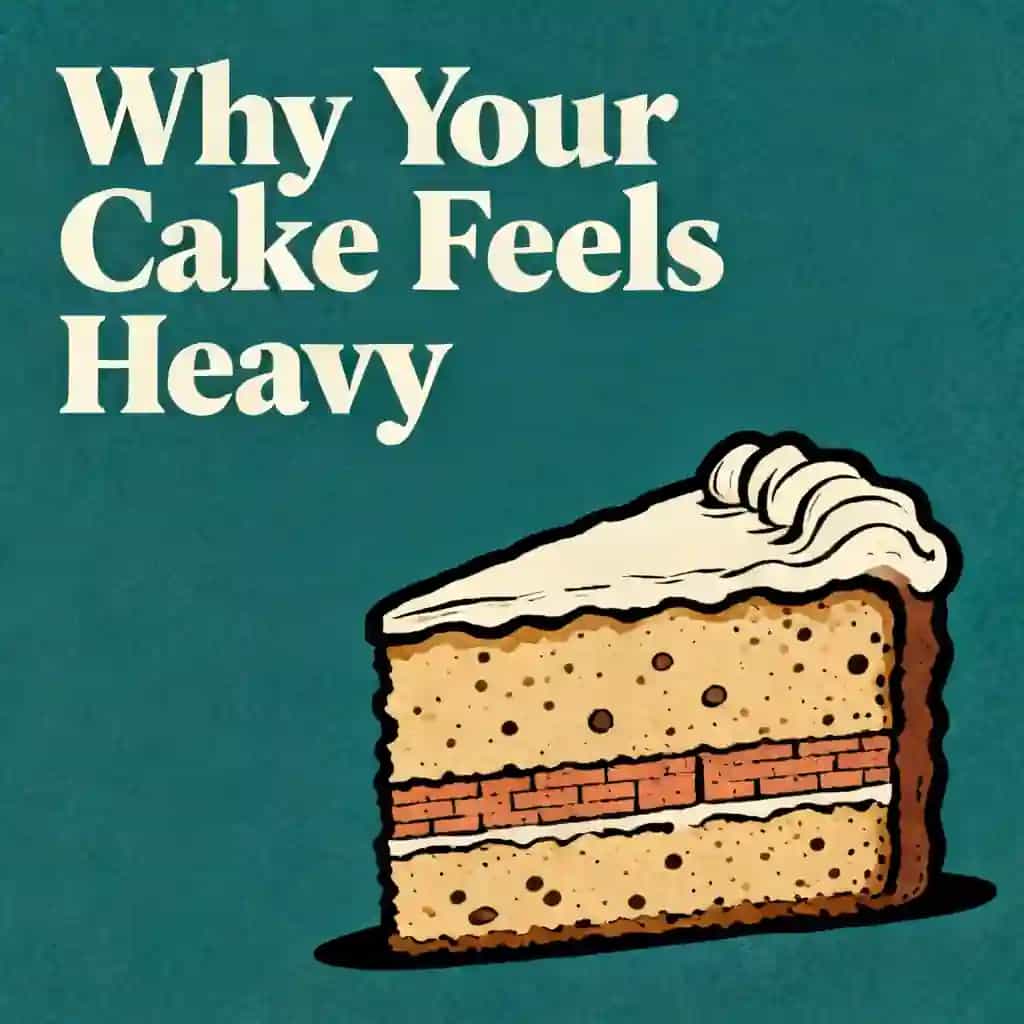
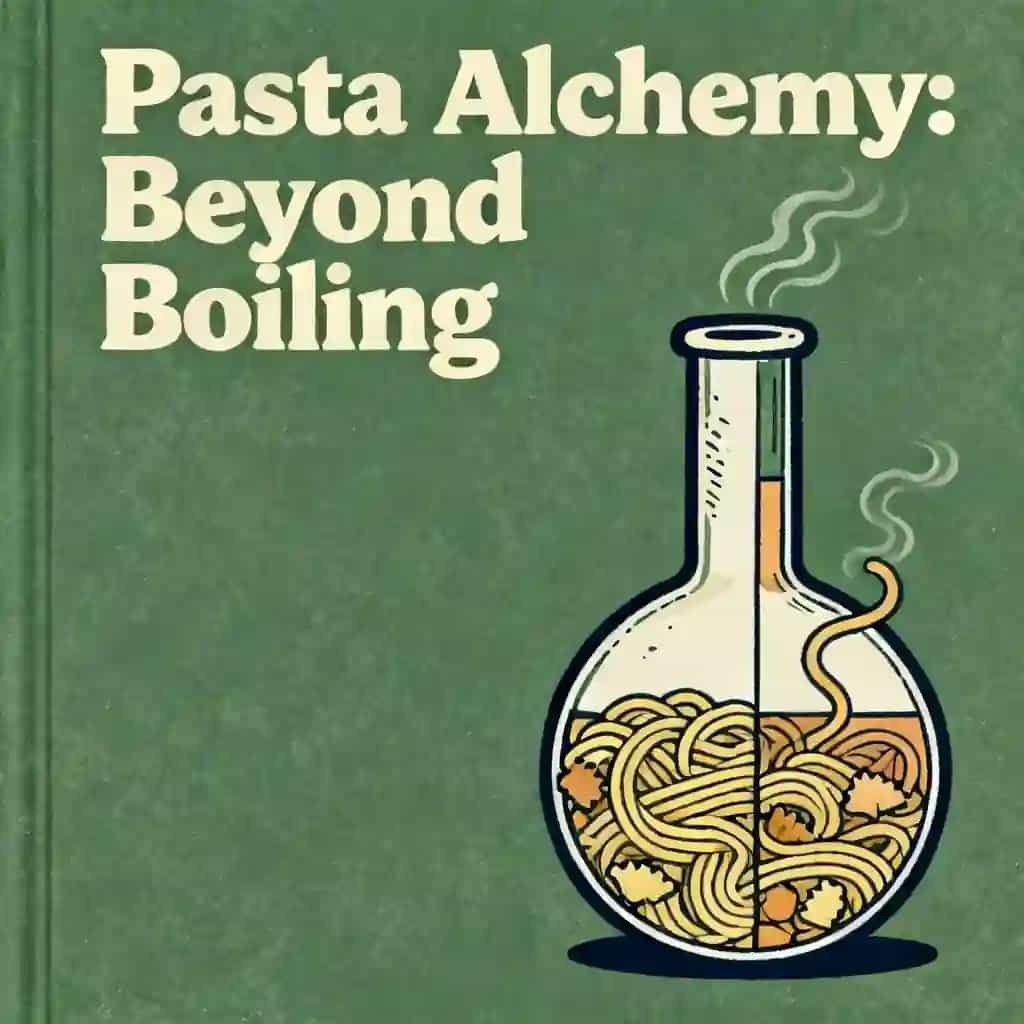
The Sweet Science of Cookie Perfection
Journey through centuries of cookie history, from ancient test cakes to modern molecular gastronomy. Discover the fascinating chemistry behind perfect textures, explore global cookie traditions, and master the science-backed techniques that transform simple ingredients into irresistible treats.

Meilleure citation de The Sweet Science of Cookie Perfection
Understanding the science doesn't diminish the magic—it enhances it. When you understand why things work, you can be more creative and intentional, transforming a simple recipe into a beautiful chemical dance.

Cette leçon audio a été créée par un membre de la communauté BeFreed
cookies—exploring their history, baking techniques, and delicious varieties

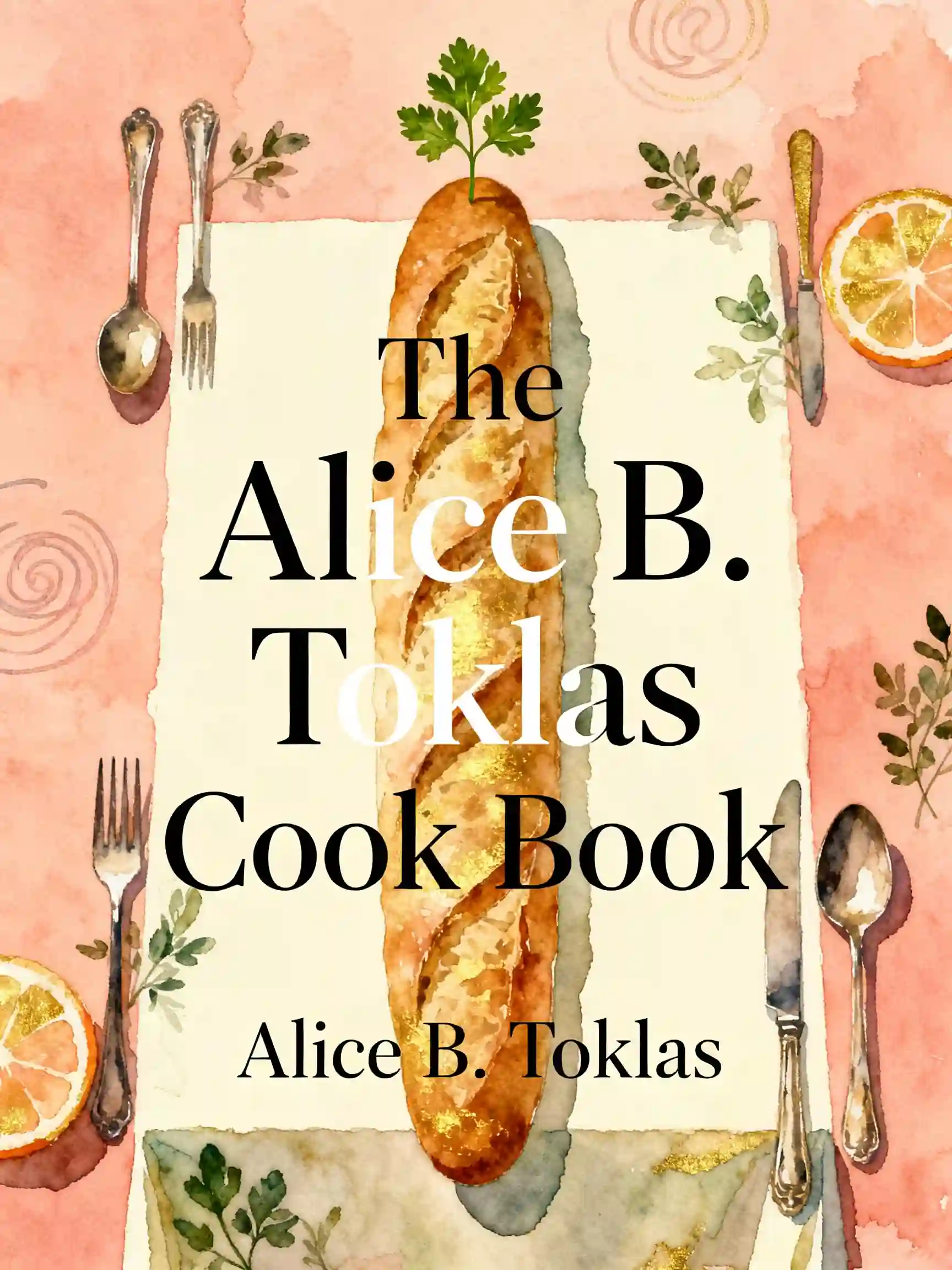
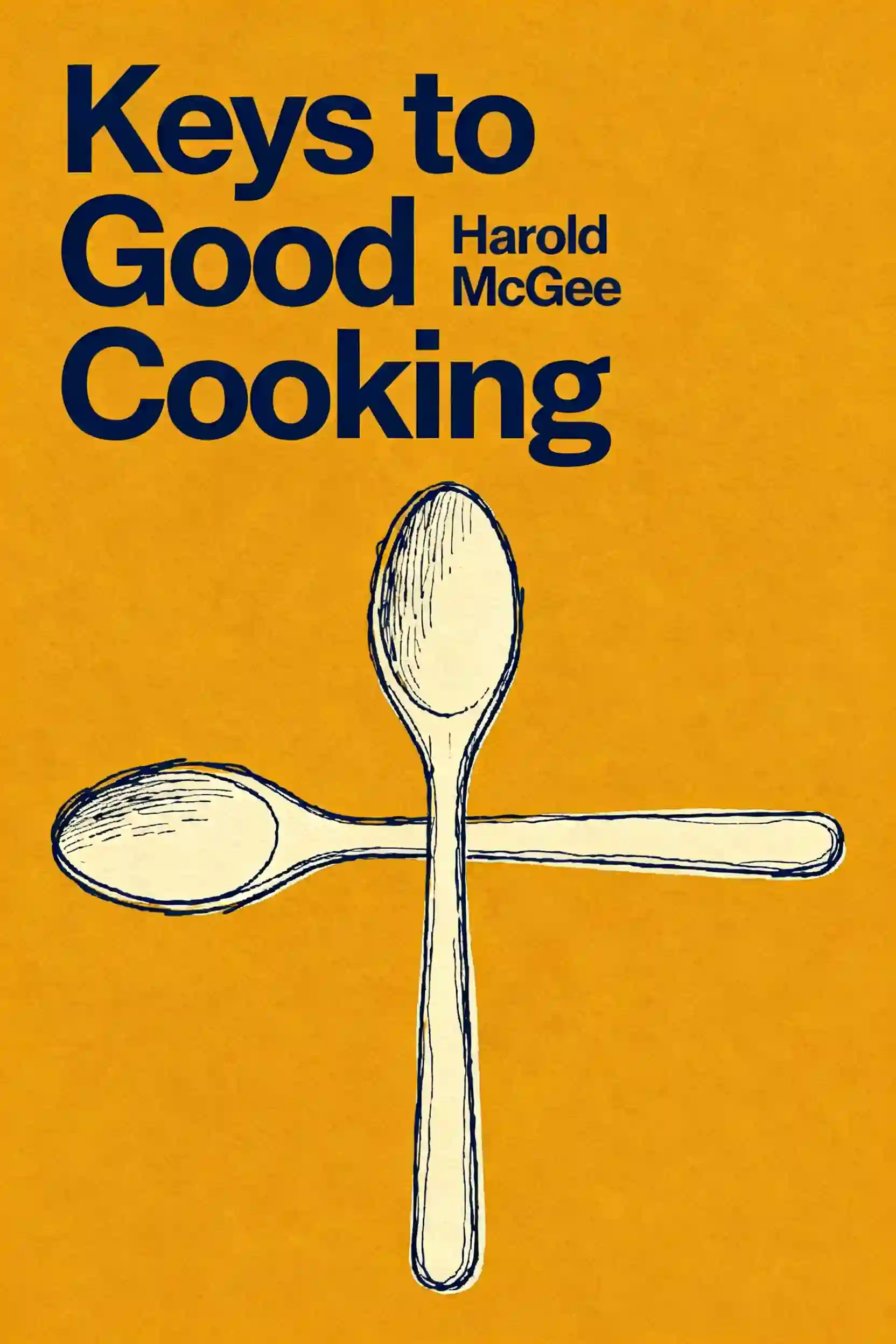
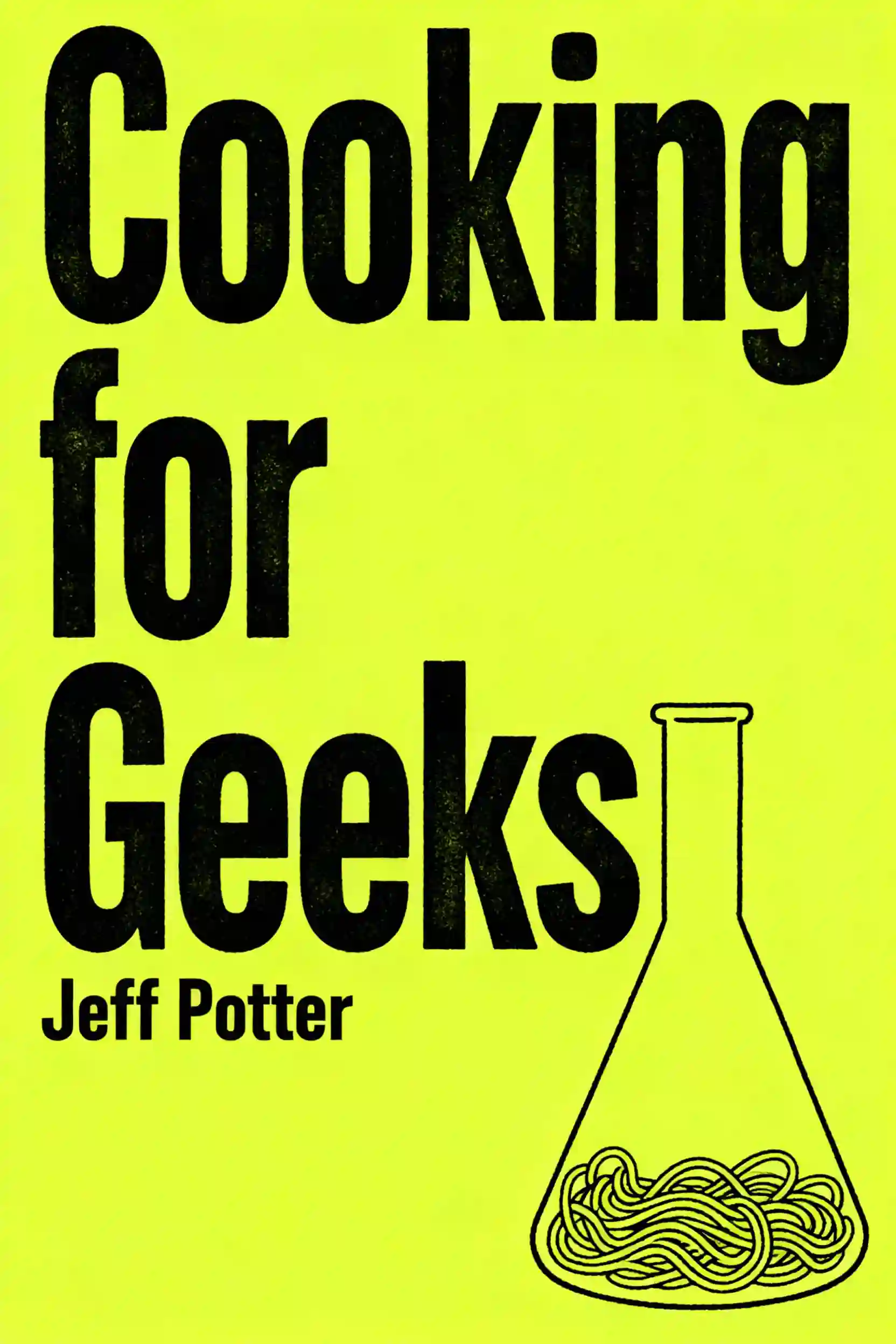
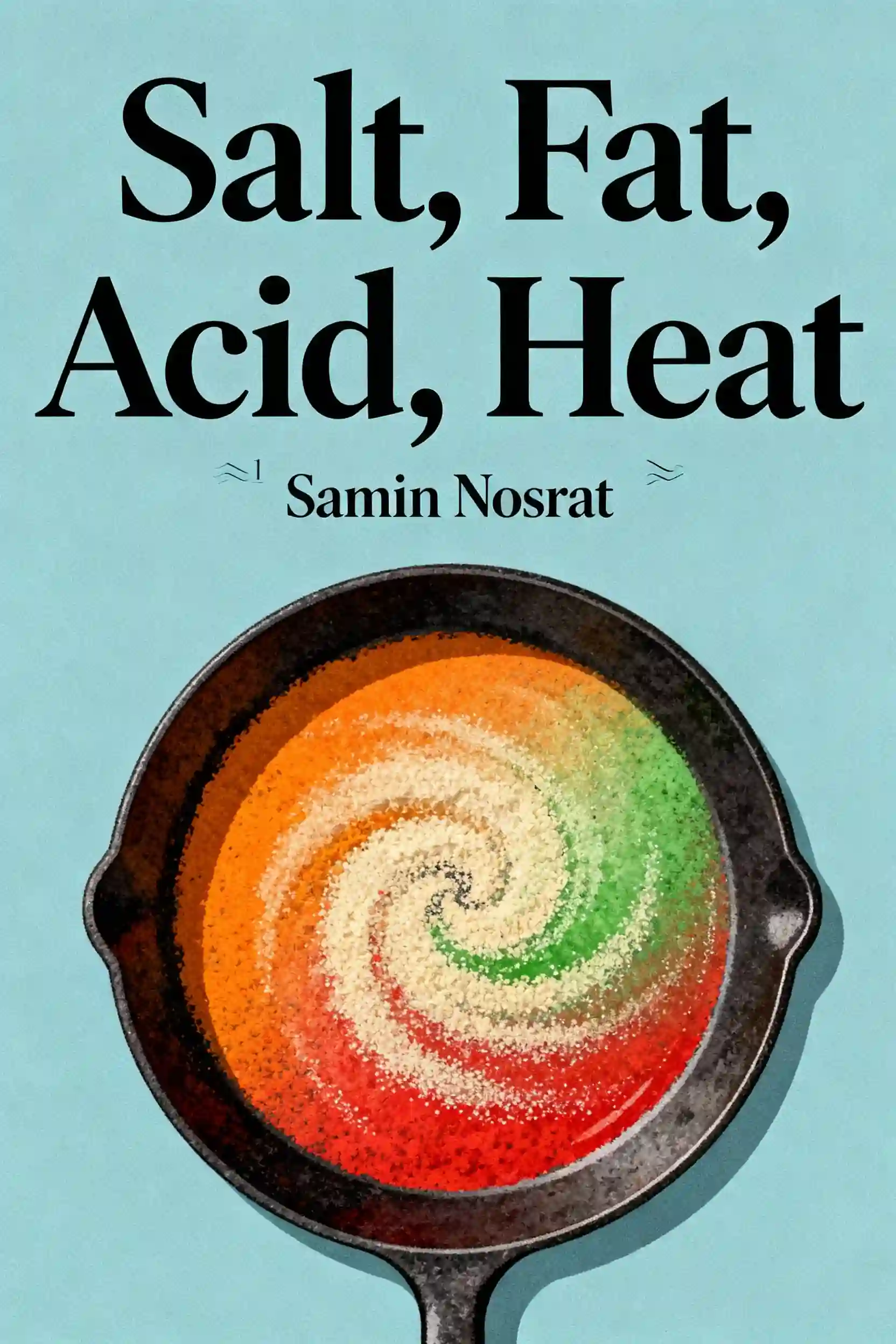
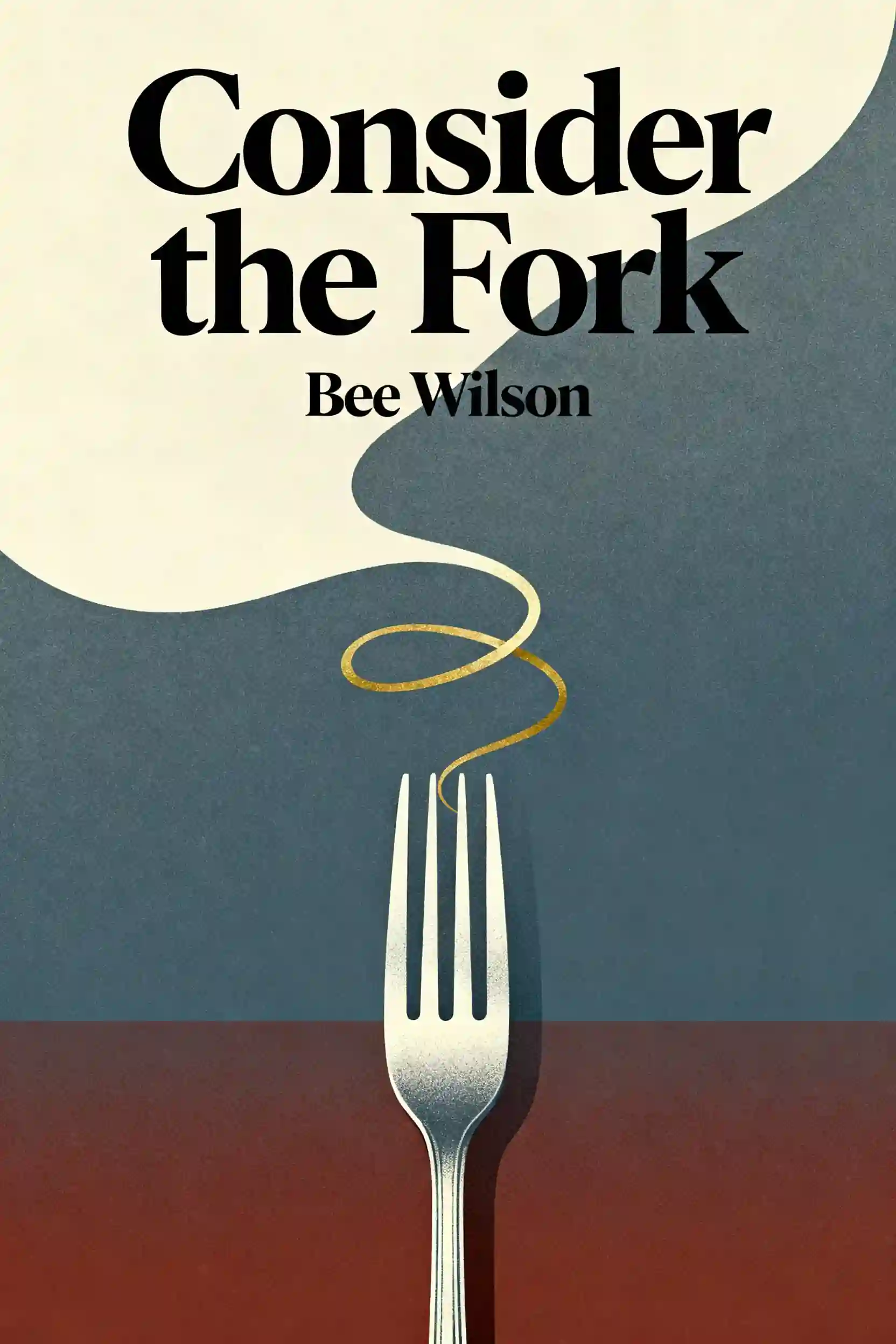
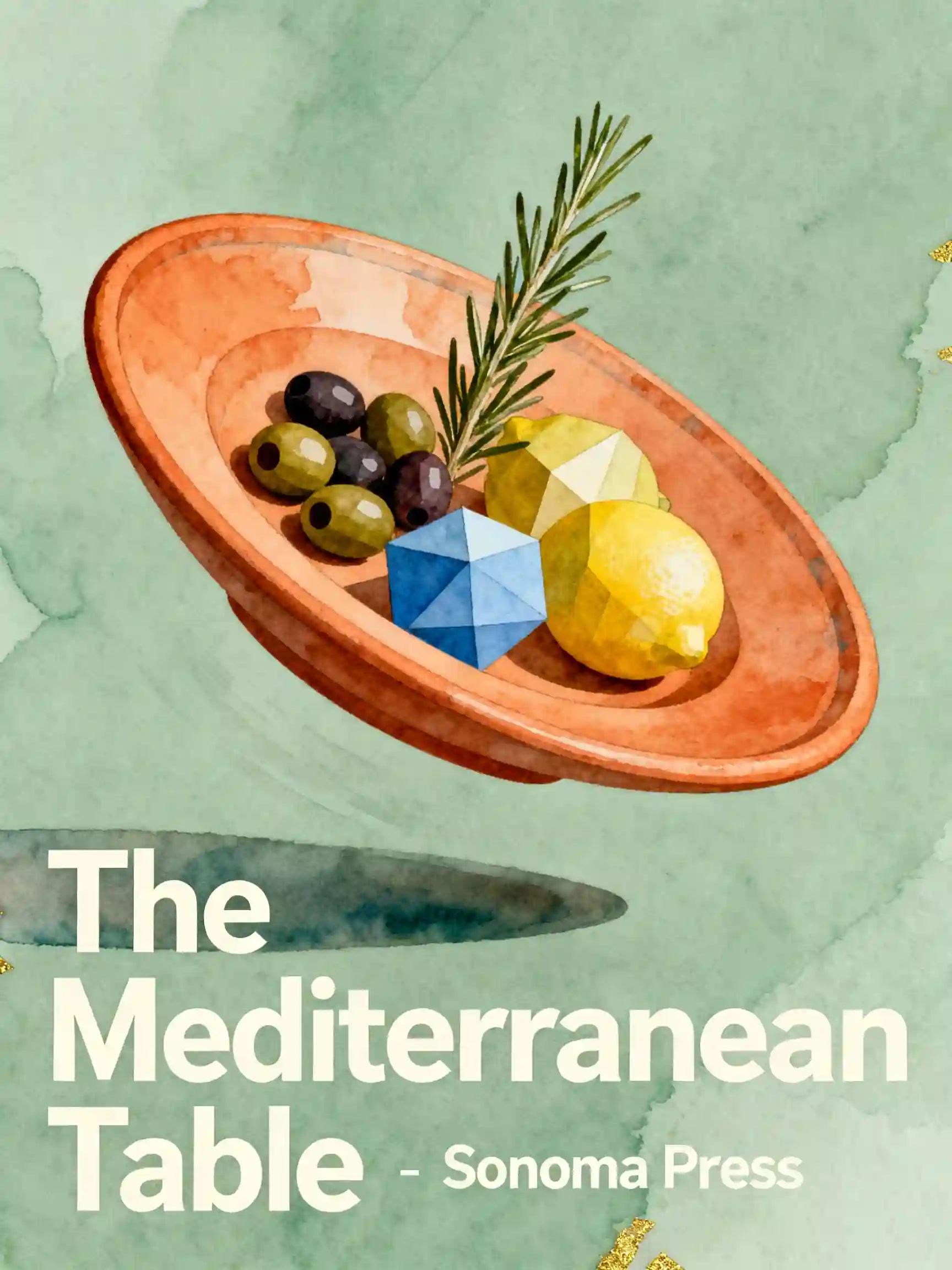
Découvrir plus

Baking
Baking is both an art and a science that combines creativity with precise chemistry, making it essential for anyone who wants to move beyond following recipes to truly understanding their craft. This learning plan is perfect for home bakers ready to elevate their skills, aspiring professional bakers, and food enthusiasts who want to master the 'why' behind baking techniques. Whether you're looking to start a baking business or simply create impressive baked goods for family and friends, this comprehensive approach builds expertise from foundational principles through advanced techniques.

Master the Art of the Perfect Pizza Dough
This plan is designed for aspiring pizzaiolos and home cooks who want to move beyond basic recipes and master the science of baking. It provides a deep dive into the technical and creative aspects of dough making, making it essential for anyone seeking professional-grade results.

Nutrition
This comprehensive guide bridges the gap between scientific theory and practical application, making it essential for anyone looking to master their health. It is ideal for fitness enthusiasts, health-conscious individuals, or professionals seeking a holistic understanding of food psychology and performance.

Realistic Bread and Food Illustration
This guide is essential for digital artists and illustrators looking to master the specific textures of food. It bridges the gap between basic drawing and hyper-realism by focusing on the unique interplay of light and surface detail found in bakery items.

The Science of Test Mastery
This learning plan is essential for students and professionals facing high-stakes technical or academic examinations. It provides a comprehensive framework that bridges cognitive science with practical test-taking strategies to ensure peak performance under pressure.

Inside the Profiler's Mind
This plan provides a foundational look at the transition from traditional investigative methods to scientific behavioral analysis. It is ideal for true crime enthusiasts and aspiring criminologists seeking to understand the reality behind criminal psychology.

Bake exceptional French bread
This comprehensive learning plan takes you from bread-making novice to confident artisan baker, focusing specifically on the revered tradition of French bread. Whether you're a home cook looking to elevate your baking skills or an aspiring baker seeking to master authentic French techniques, this progression builds systematically from foundational science to advanced professional methods. Perfect for anyone who wants to create bakery-quality baguettes, sourdough, and other French breads in their own kitchen.

Knowing more about how to cook
This learning plan bridges the gap between following recipes and cooking with true intuition. It is ideal for home cooks looking to master professional techniques, understand flavor science, and express their creativity in the kitchen.
Cree par des anciens de Columbia University a San Francisco
"Instead of endless scrolling, I just hit play on BeFreed. It saves me so much time."


"I never knew where to start with nonfiction—BeFreed’s book lists turned into podcasts gave me a clear path."


"Perfect balance between learning and entertainment. Finished ‘Thinking, Fast and Slow’ on my commute this week."
"Crazy how much I learned while walking the dog. BeFreed = small habits → big gains."
"Reading used to feel like a chore. Now it’s just part of my lifestyle."

"Feels effortless compared to reading. I’ve finished 6 books this month already."
"BeFreed turned my guilty doomscrolling into something that feels productive and inspiring."

"BeFreed turned my commute into learning time. 20-min podcasts are perfect for finishing books I never had time for."
"BeFreed replaced my podcast queue. Imagine Spotify for books — that’s it. 🙌"

"It is great for me to learn something from the book without reading it."
"The themed book list podcasts help me connect ideas across authors—like a guided audio journey."
"Makes me feel smarter every time before going to work"
Cree par des anciens de Columbia University a San Francisco
"Instead of endless scrolling, I just hit play on BeFreed. It saves me so much time."
"I never knew where to start with nonfiction—BeFreed’s book lists turned into podcasts gave me a clear path."
"Perfect balance between learning and entertainment. Finished ‘Thinking, Fast and Slow’ on my commute this week."
"Crazy how much I learned while walking the dog. BeFreed = small habits → big gains."
"Reading used to feel like a chore. Now it’s just part of my lifestyle."
"Feels effortless compared to reading. I’ve finished 6 books this month already."
"BeFreed turned my guilty doomscrolling into something that feels productive and inspiring."
"BeFreed turned my commute into learning time. 20-min podcasts are perfect for finishing books I never had time for."
"BeFreed replaced my podcast queue. Imagine Spotify for books — that’s it. 🙌"
"It is great for me to learn something from the book without reading it."
"The themed book list podcasts help me connect ideas across authors—like a guided audio journey."
"Makes me feel smarter every time before going to work"
"Instead of endless scrolling, I just hit play on BeFreed. It saves me so much time."
"I never knew where to start with nonfiction—BeFreed’s book lists turned into podcasts gave me a clear path."
"Perfect balance between learning and entertainment. Finished ‘Thinking, Fast and Slow’ on my commute this week."
"Crazy how much I learned while walking the dog. BeFreed = small habits → big gains."
"Reading used to feel like a chore. Now it’s just part of my lifestyle."
"Feels effortless compared to reading. I’ve finished 6 books this month already."
"BeFreed turned my guilty doomscrolling into something that feels productive and inspiring."
"BeFreed turned my commute into learning time. 20-min podcasts are perfect for finishing books I never had time for."
"BeFreed replaced my podcast queue. Imagine Spotify for books — that’s it. 🙌"
"It is great for me to learn something from the book without reading it."
"The themed book list podcasts help me connect ideas across authors—like a guided audio journey."
"Makes me feel smarter every time before going to work"
"Instead of endless scrolling, I just hit play on BeFreed. It saves me so much time."
"I never knew where to start with nonfiction—BeFreed’s book lists turned into podcasts gave me a clear path."
"Perfect balance between learning and entertainment. Finished ‘Thinking, Fast and Slow’ on my commute this week."
"Crazy how much I learned while walking the dog. BeFreed = small habits → big gains."
"Reading used to feel like a chore. Now it’s just part of my lifestyle."
"Feels effortless compared to reading. I’ve finished 6 books this month already."
"BeFreed turned my guilty doomscrolling into something that feels productive and inspiring."
"BeFreed turned my commute into learning time. 20-min podcasts are perfect for finishing books I never had time for."
"BeFreed replaced my podcast queue. Imagine Spotify for books — that’s it. 🙌"
"It is great for me to learn something from the book without reading it."
"The themed book list podcasts help me connect ideas across authors—like a guided audio journey."
"Makes me feel smarter every time before going to work"