The Silent Language: Mastering Body Language
Explore the hidden world of nonverbal communication, from universal micro-expressions to power plays, and learn how to decode the silent signals people send every day.

Meilleure citation de The Silent Language: Mastering Body Language
Research shows that anywhere from 60 to 64 percent of our communication is actually nonverbal. It’s a silent language we’re all speaking but rarely study.
Generated by K
Human body language

Foire aux questions
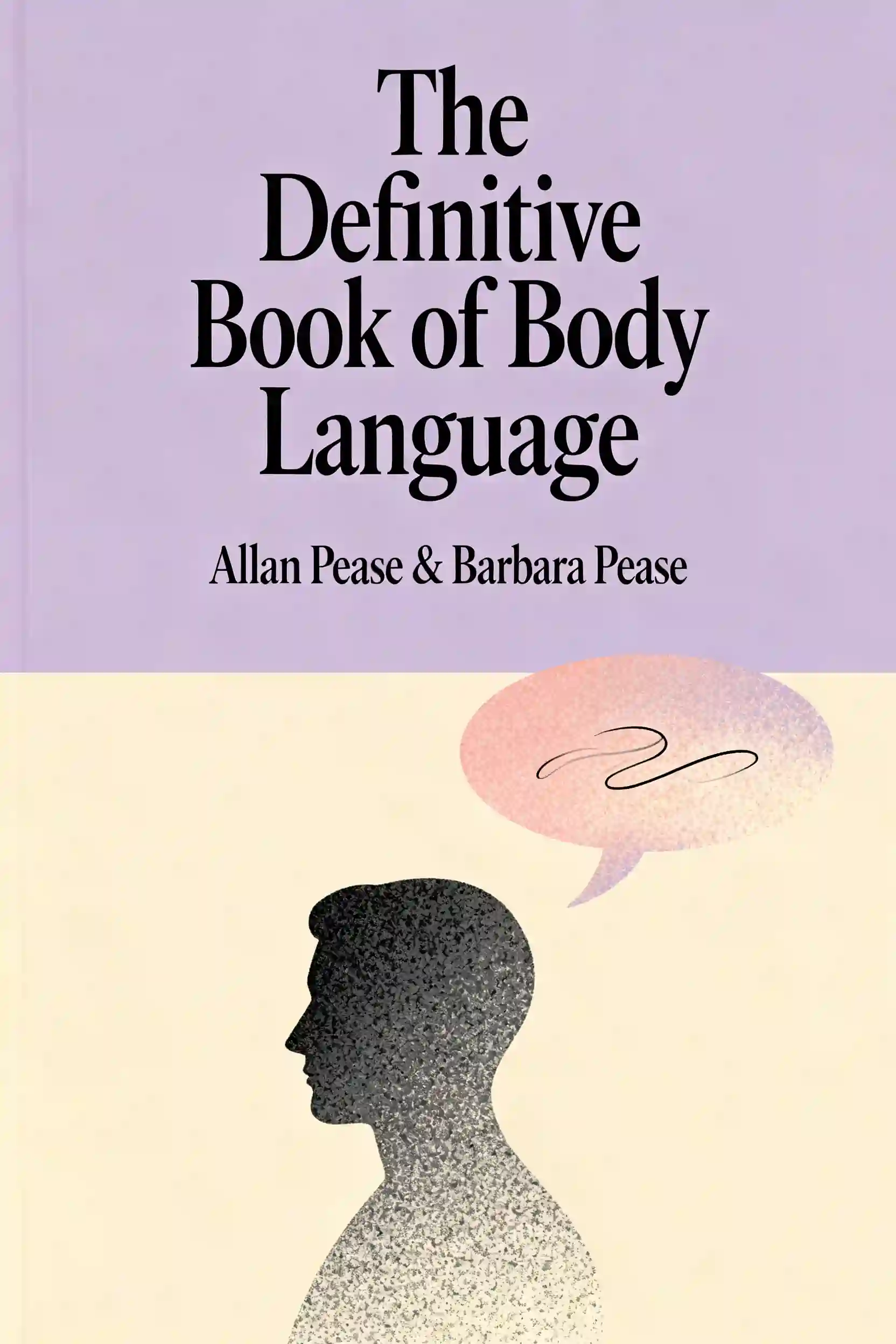
Nonverbal communication is often instinctive and controlled by the involuntary emotional motor system, specifically the extrapyramidal tract. While we can consciously choose our words using the voluntary motor system, our true emotions often "leak" out through micro-expressions and physiological responses before we can suppress them. Research suggests that 60 to 64 percent of communication is nonverbal, and when verbal messages conflict with physical cues, people instinctively trust the body's "silent language."
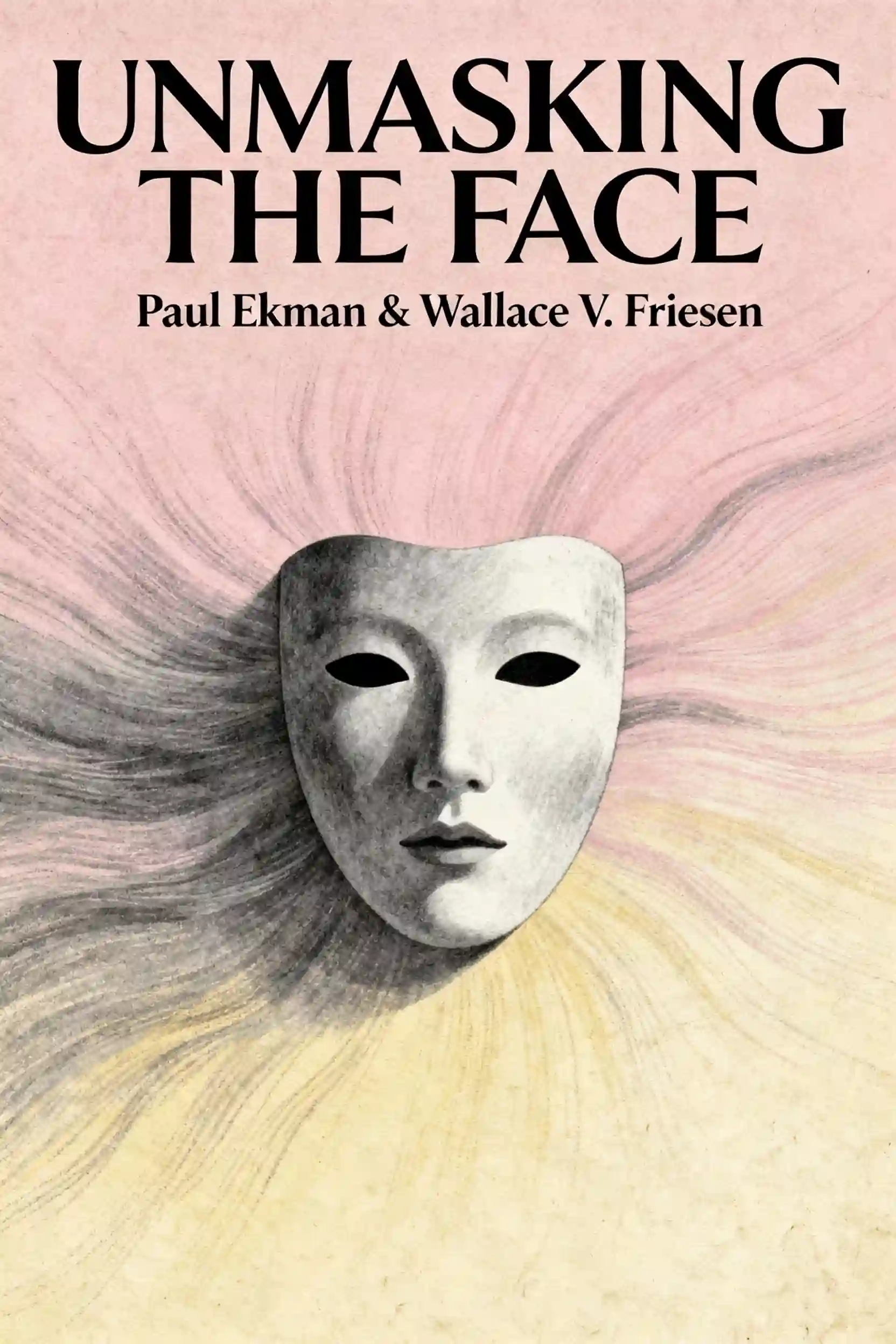
The seven universal emotions—happiness, sadness, anger, fear, surprise, disgust, and contempt—show up reliably across all cultures. They are difficult to fake because they require specific muscle contractions that are hard to perform on command. For example, a genuine "Duchenne smile" involves the involuntary contraction of the orbicularis oculi muscles, which create "crow’s feet" wrinkles around the eyes. If someone smiles with only their mouth (Action Unit 12) but their eyes remain flat, it is a "masked" or fake emotion.
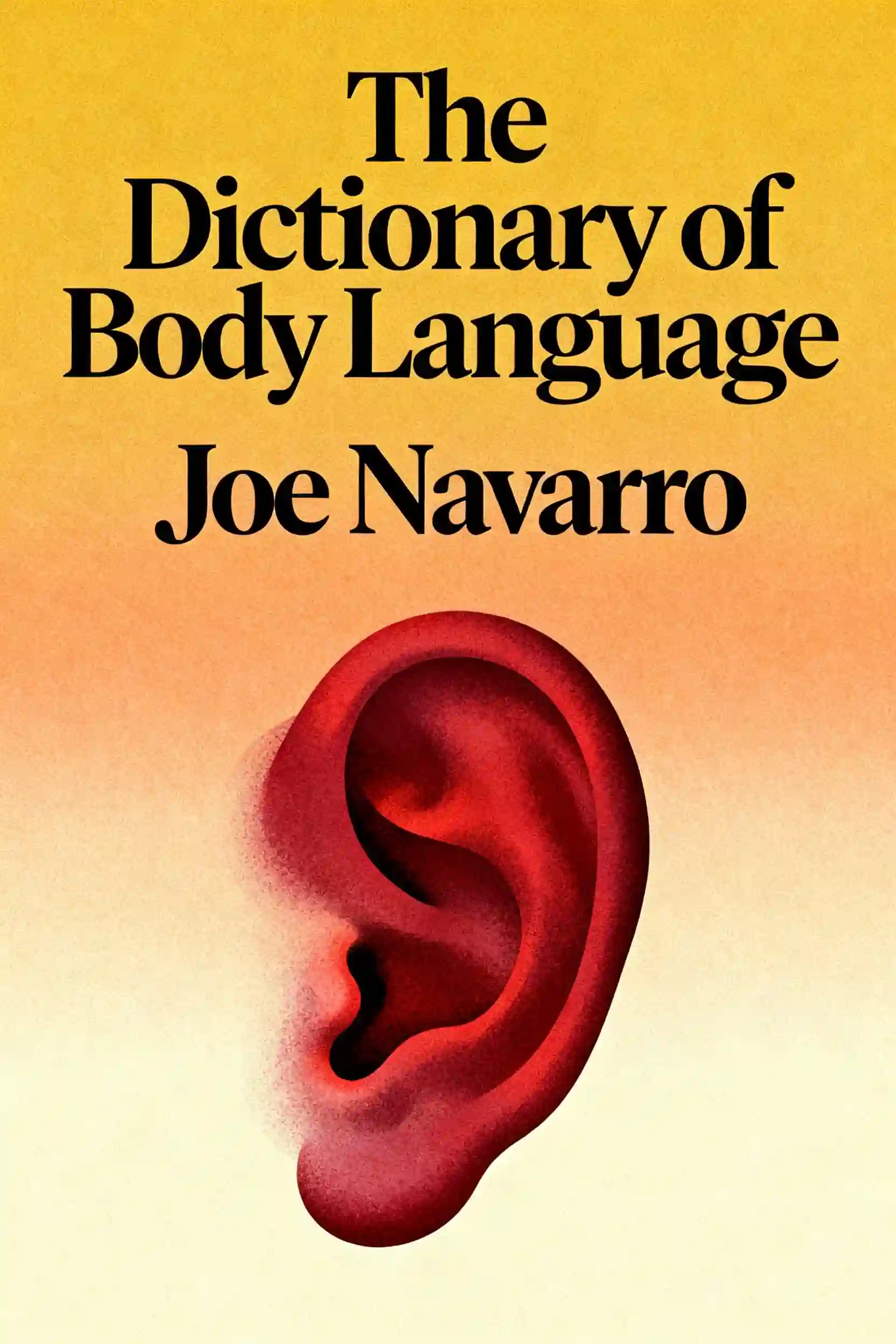
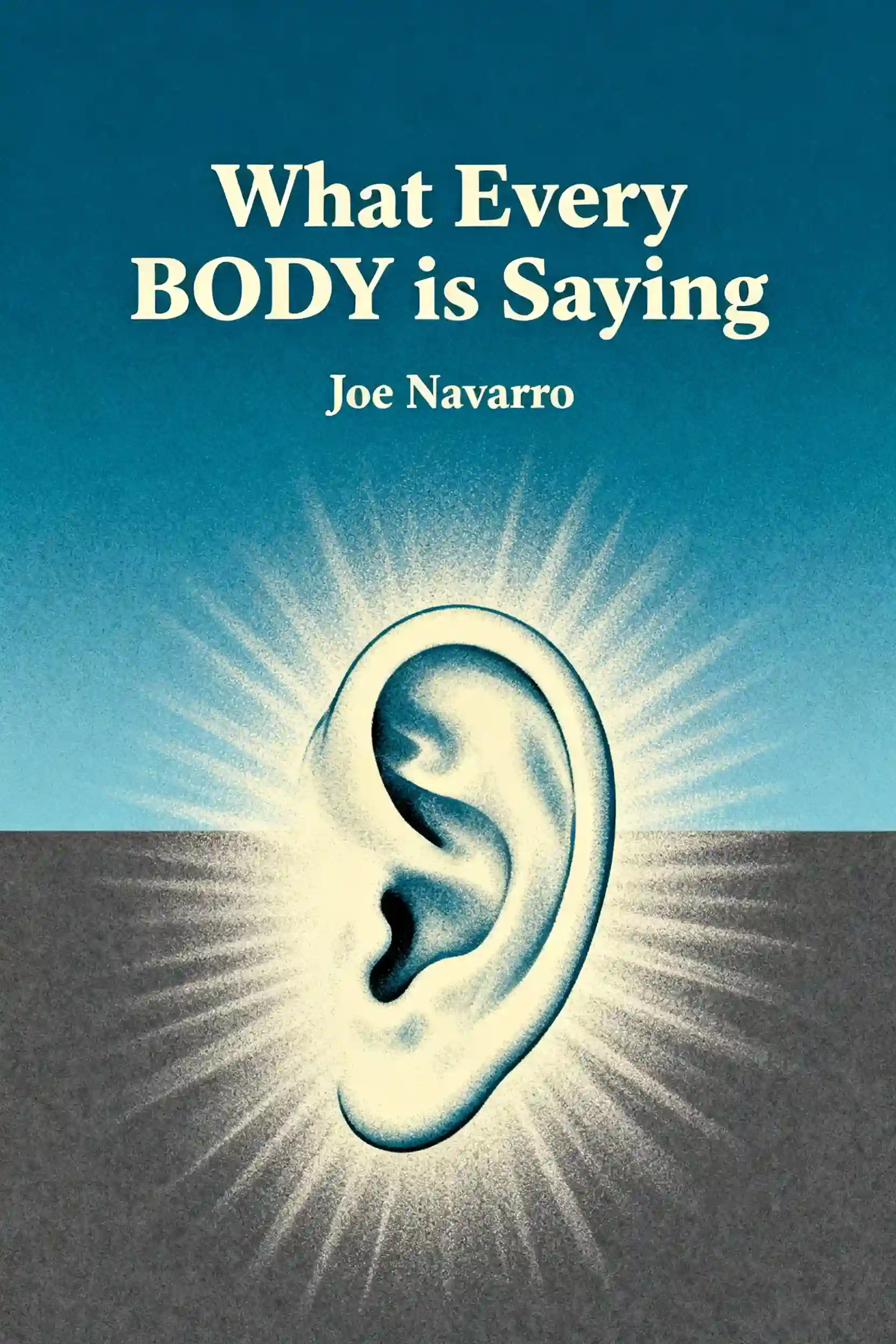
According to experts like Joe Navarro, the feet are wired directly to the limbic system, which is the honest, survival-based part of the brain. While humans practice "social faces" to deceive others, we rarely think about managing our feet. Evolutionary signals often manifest there; for instance, if a person is smiling at you but one of their feet is pointed toward the door, it is a strong indicator that they are mentally ready to leave the interaction.
Lying is mentally exhausting because the brain must invent a story, monitor the listener's reactions, and suppress natural physical twitches simultaneously. To detect deception, investigators look for signs that a person’s brain is overwhelmed rather than just nervous. A common technique to increase this load is asking someone to tell their story in reverse order. Because liars usually rehearse a chronological script, trying to recount it backwards often causes their "voluntary" system to fail, leading to physical leakage like ventilating the collar or touching the neck to soothe the nervous system.
The Othello Error occurs when an observer mistakes a person's honest distress or nervousness for a sign of guilt. Just because someone is fidgeting or avoiding eye contact does not mean they are lying; they may simply be anxious about the situation or afraid of not being believed. To avoid this mistake, it is essential to establish a "baseline" of a person's normal behavior in a non-threatening context before looking for deviations that might indicate deception.
Cree par des anciens de Columbia University a San Francisco
"Instead of endless scrolling, I just hit play on BeFreed. It saves me so much time."


"I never knew where to start with nonfiction—BeFreed’s book lists turned into podcasts gave me a clear path."


"Perfect balance between learning and entertainment. Finished ‘Thinking, Fast and Slow’ on my commute this week."
"Crazy how much I learned while walking the dog. BeFreed = small habits → big gains."
"Reading used to feel like a chore. Now it’s just part of my lifestyle."

"Feels effortless compared to reading. I’ve finished 6 books this month already."
"BeFreed turned my guilty doomscrolling into something that feels productive and inspiring."

"BeFreed turned my commute into learning time. 20-min podcasts are perfect for finishing books I never had time for."
"BeFreed replaced my podcast queue. Imagine Spotify for books — that’s it. 🙌"

"It is great for me to learn something from the book without reading it."
"The themed book list podcasts help me connect ideas across authors—like a guided audio journey."
"Makes me feel smarter every time before going to work"
Cree par des anciens de Columbia University a San Francisco
"Instead of endless scrolling, I just hit play on BeFreed. It saves me so much time."
"I never knew where to start with nonfiction—BeFreed’s book lists turned into podcasts gave me a clear path."
"Perfect balance between learning and entertainment. Finished ‘Thinking, Fast and Slow’ on my commute this week."
"Crazy how much I learned while walking the dog. BeFreed = small habits → big gains."
"Reading used to feel like a chore. Now it’s just part of my lifestyle."
"Feels effortless compared to reading. I’ve finished 6 books this month already."
"BeFreed turned my guilty doomscrolling into something that feels productive and inspiring."
"BeFreed turned my commute into learning time. 20-min podcasts are perfect for finishing books I never had time for."
"BeFreed replaced my podcast queue. Imagine Spotify for books — that’s it. 🙌"
"It is great for me to learn something from the book without reading it."
"The themed book list podcasts help me connect ideas across authors—like a guided audio journey."
"Makes me feel smarter every time before going to work"
"Instead of endless scrolling, I just hit play on BeFreed. It saves me so much time."
"I never knew where to start with nonfiction—BeFreed’s book lists turned into podcasts gave me a clear path."
"Perfect balance between learning and entertainment. Finished ‘Thinking, Fast and Slow’ on my commute this week."
"Crazy how much I learned while walking the dog. BeFreed = small habits → big gains."
"Reading used to feel like a chore. Now it’s just part of my lifestyle."
"Feels effortless compared to reading. I’ve finished 6 books this month already."
"BeFreed turned my guilty doomscrolling into something that feels productive and inspiring."
"BeFreed turned my commute into learning time. 20-min podcasts are perfect for finishing books I never had time for."
"BeFreed replaced my podcast queue. Imagine Spotify for books — that’s it. 🙌"
"It is great for me to learn something from the book without reading it."
"The themed book list podcasts help me connect ideas across authors—like a guided audio journey."
"Makes me feel smarter every time before going to work"
"Instead of endless scrolling, I just hit play on BeFreed. It saves me so much time."
"I never knew where to start with nonfiction—BeFreed’s book lists turned into podcasts gave me a clear path."
"Perfect balance between learning and entertainment. Finished ‘Thinking, Fast and Slow’ on my commute this week."
"Crazy how much I learned while walking the dog. BeFreed = small habits → big gains."
"Reading used to feel like a chore. Now it’s just part of my lifestyle."
"Feels effortless compared to reading. I’ve finished 6 books this month already."
"BeFreed turned my guilty doomscrolling into something that feels productive and inspiring."
"BeFreed turned my commute into learning time. 20-min podcasts are perfect for finishing books I never had time for."
"BeFreed replaced my podcast queue. Imagine Spotify for books — that’s it. 🙌"
"It is great for me to learn something from the book without reading it."
"The themed book list podcasts help me connect ideas across authors—like a guided audio journey."
"Makes me feel smarter every time before going to work"