The Power of Closing the Door
Stop treating your life like a legal case and learn to reclaim your personal power by silencing the need for external validation and setting firm, healthy boundaries.

Meilleure citation de The Power of Closing the Door
Your worth is not a debate, and you don't owe anyone an explanation for how you live. The moment you stop defending your peace is the moment you actually start experiencing it.
Generated by Freedee_C80FE9AB
Saying no and not giving other an opinion on my life is great don’t look for validation looks like closing the door but closing it to the options of others that’s all

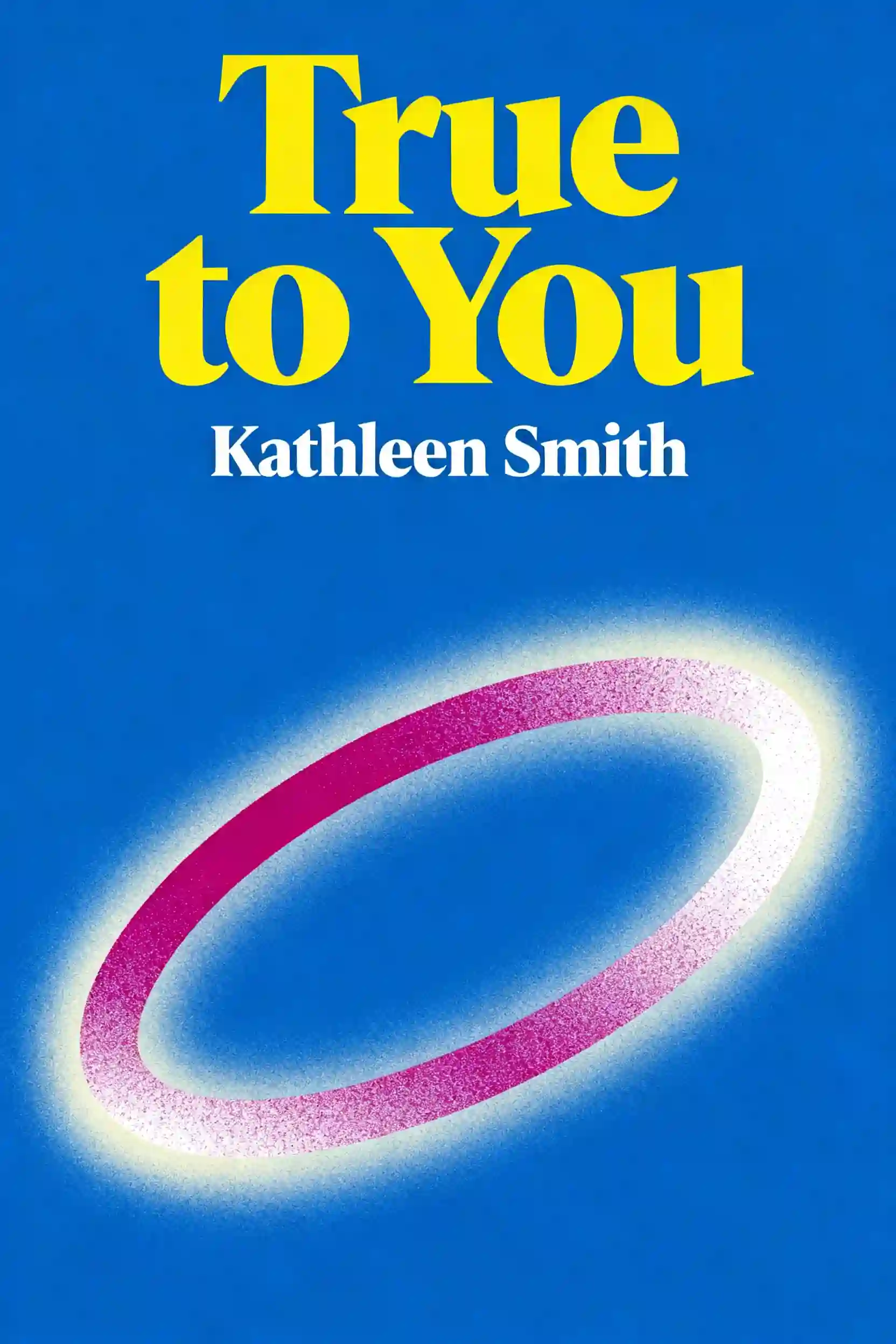
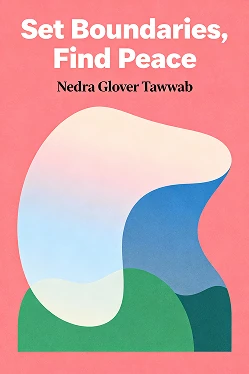
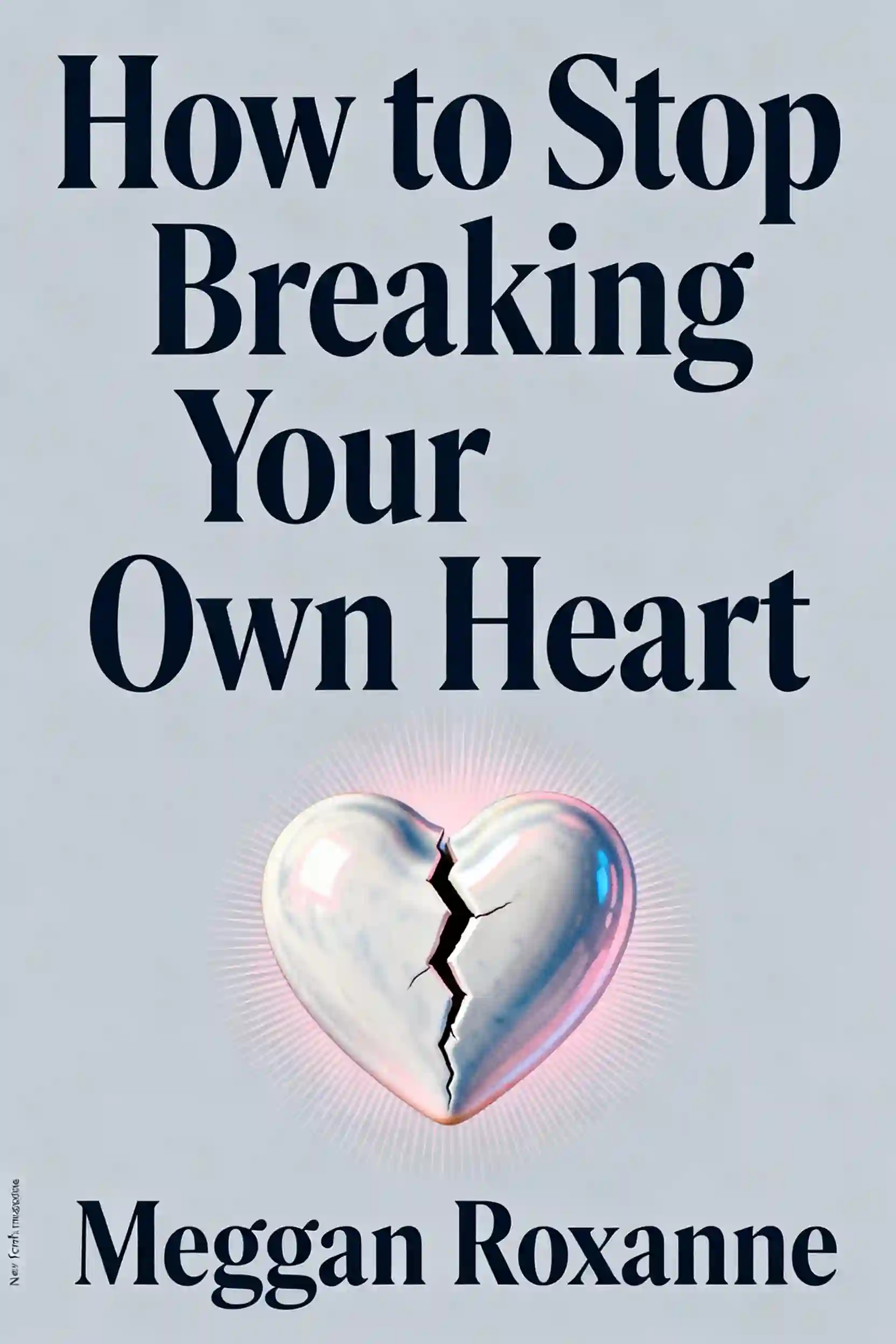
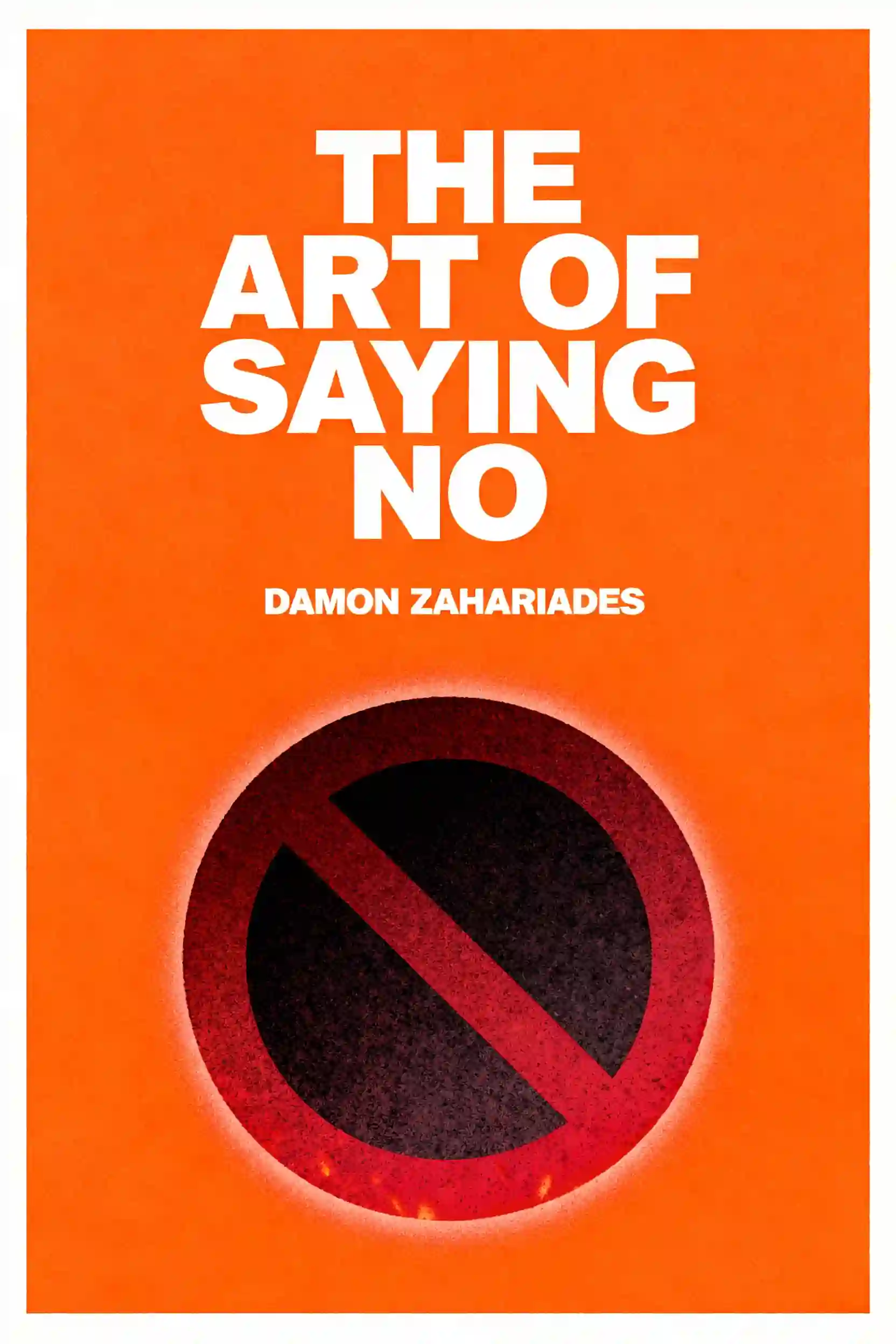
Foire aux questions
The locus of control is a psychological concept that describes the lens through which you view who is driving your life. An external locus of control makes you feel like a passenger, believing that luck, fate, or other people’s opinions determine your happiness. Conversely, an internal locus of control is the belief that your own choices, efforts, and actions move the needle. Shifting to an internal power center allows you to claim ownership of your responses and build self-esteem on a solid foundation of your own values rather than the "sand" of external praise.
Seeking validation is often a biological survival mechanism. Historically, social rejection from a tribe could be life-threatening, so the human brain evolved to process social disapproval through the same pathways as physical pain. In the modern world, this outdated "hardware" treats a critical comment or a disapproving look like a predator, triggering a "social survival" alarm. Additionally, the brain’s dopamine system rewards us for gaining approval, which can make validation feel like an addictive drug that is difficult to quit.
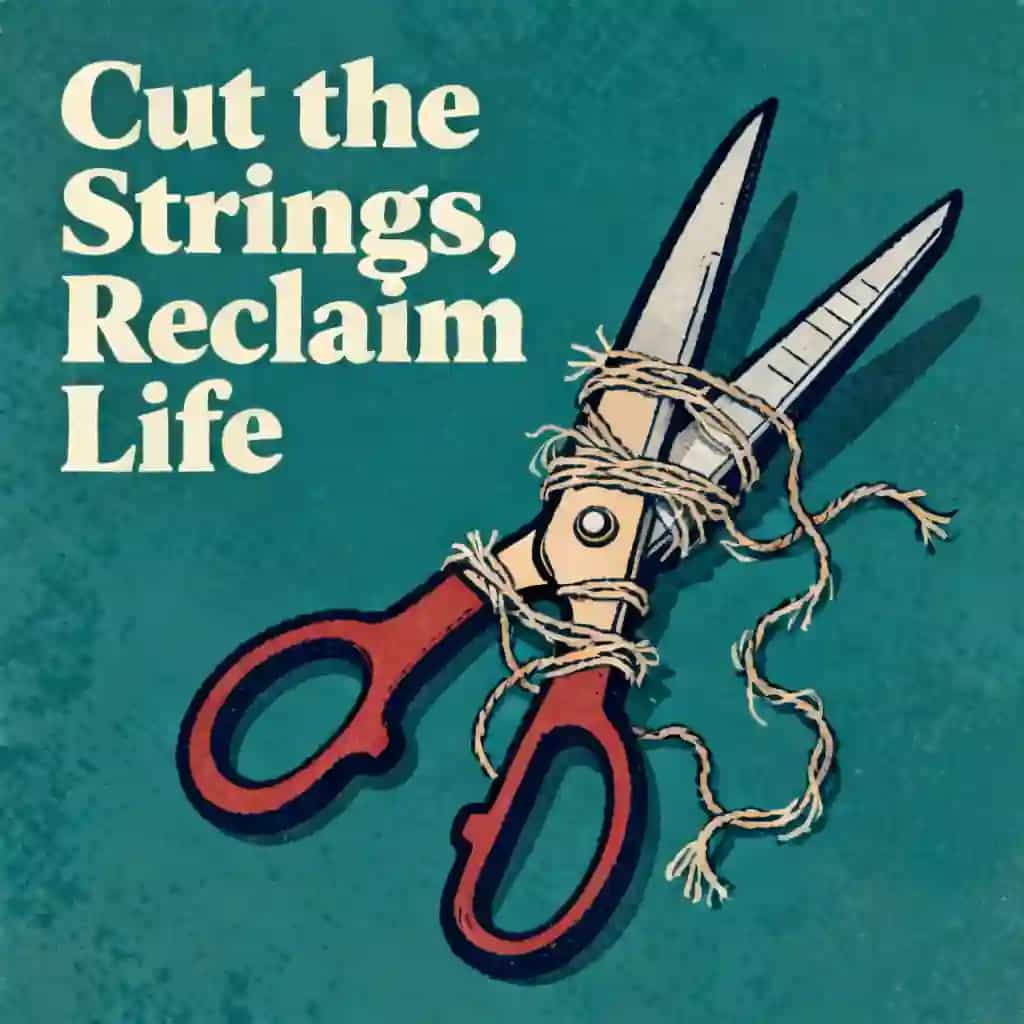
Over-explaining is often a sign of seeking validation, as it treats a personal choice like a legal case where you are trying to win a "not guilty" verdict. To set healthy boundaries, you should practice the "polite decline," using clear statements like "I won't be able to make it" without adding a list of excuses. Providing a "footnote" or a long rationale often turns a boundary into a negotiation, giving others leverage to argue with your reasons. Recognizing that "no" is a complete sentence helps reclaim the power that lives in the silence of a firm decision.
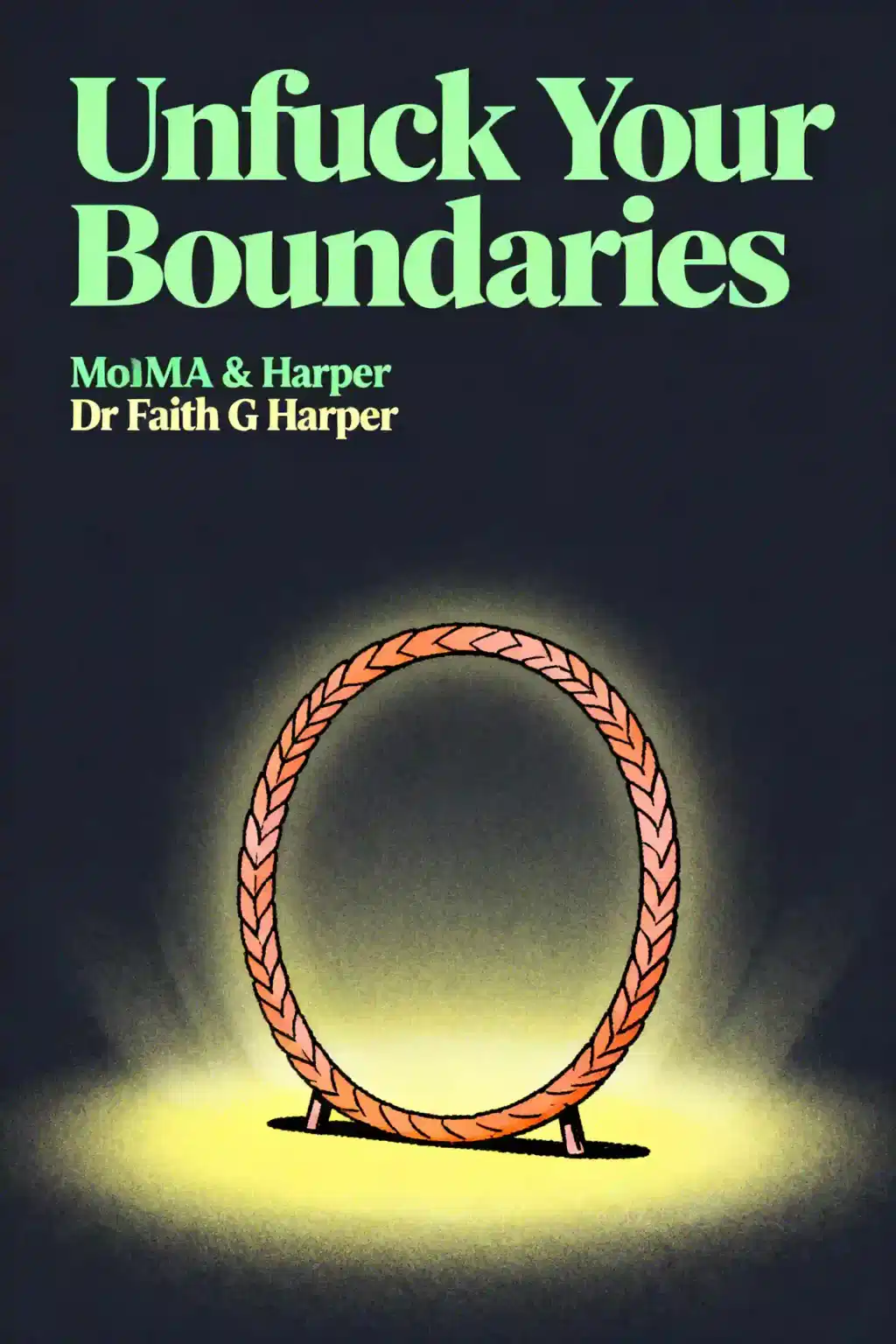
Walls are typically built out of fear to keep everyone out entirely. Boundaries, however, are compared to doors and fences; they define where you end and someone else begins without necessarily shutting the world out. They serve as "rules of engagement" that protect your authentic self. Establishing boundaries involves recognizing that you are responsible for your own thoughts and feelings, while others are responsible for theirs. This clarity helps lower anxiety because you no longer feel the need to manage other people's emotional reactions to your choices.
Emotional safety is the internal feeling that you can express your feelings to yourself without fear of judgment or shame. Many people look to others to verify their experiences because they don't trust their own internal compass. Self-validation is the practice of acknowledging that your feelings make sense given your circumstances, which grounds your nervous system and builds internal trust. By replacing internal criticism with compassionate self-talk, you create a "safe zone" inside your mind where your worth is no longer up for public comment.
Cree par des anciens de Columbia University a San Francisco
"Instead of endless scrolling, I just hit play on BeFreed. It saves me so much time."


"I never knew where to start with nonfiction—BeFreed’s book lists turned into podcasts gave me a clear path."


"Perfect balance between learning and entertainment. Finished ‘Thinking, Fast and Slow’ on my commute this week."
"Crazy how much I learned while walking the dog. BeFreed = small habits → big gains."
"Reading used to feel like a chore. Now it’s just part of my lifestyle."

"Feels effortless compared to reading. I’ve finished 6 books this month already."
"BeFreed turned my guilty doomscrolling into something that feels productive and inspiring."

"BeFreed turned my commute into learning time. 20-min podcasts are perfect for finishing books I never had time for."
"BeFreed replaced my podcast queue. Imagine Spotify for books — that’s it. 🙌"

"It is great for me to learn something from the book without reading it."
"The themed book list podcasts help me connect ideas across authors—like a guided audio journey."
"Makes me feel smarter every time before going to work"
Cree par des anciens de Columbia University a San Francisco
"Instead of endless scrolling, I just hit play on BeFreed. It saves me so much time."
"I never knew where to start with nonfiction—BeFreed’s book lists turned into podcasts gave me a clear path."
"Perfect balance between learning and entertainment. Finished ‘Thinking, Fast and Slow’ on my commute this week."
"Crazy how much I learned while walking the dog. BeFreed = small habits → big gains."
"Reading used to feel like a chore. Now it’s just part of my lifestyle."
"Feels effortless compared to reading. I’ve finished 6 books this month already."
"BeFreed turned my guilty doomscrolling into something that feels productive and inspiring."
"BeFreed turned my commute into learning time. 20-min podcasts are perfect for finishing books I never had time for."
"BeFreed replaced my podcast queue. Imagine Spotify for books — that’s it. 🙌"
"It is great for me to learn something from the book without reading it."
"The themed book list podcasts help me connect ideas across authors—like a guided audio journey."
"Makes me feel smarter every time before going to work"
"Instead of endless scrolling, I just hit play on BeFreed. It saves me so much time."
"I never knew where to start with nonfiction—BeFreed’s book lists turned into podcasts gave me a clear path."
"Perfect balance between learning and entertainment. Finished ‘Thinking, Fast and Slow’ on my commute this week."
"Crazy how much I learned while walking the dog. BeFreed = small habits → big gains."
"Reading used to feel like a chore. Now it’s just part of my lifestyle."
"Feels effortless compared to reading. I’ve finished 6 books this month already."
"BeFreed turned my guilty doomscrolling into something that feels productive and inspiring."
"BeFreed turned my commute into learning time. 20-min podcasts are perfect for finishing books I never had time for."
"BeFreed replaced my podcast queue. Imagine Spotify for books — that’s it. 🙌"
"It is great for me to learn something from the book without reading it."
"The themed book list podcasts help me connect ideas across authors—like a guided audio journey."
"Makes me feel smarter every time before going to work"
"Instead of endless scrolling, I just hit play on BeFreed. It saves me so much time."
"I never knew where to start with nonfiction—BeFreed’s book lists turned into podcasts gave me a clear path."
"Perfect balance between learning and entertainment. Finished ‘Thinking, Fast and Slow’ on my commute this week."
"Crazy how much I learned while walking the dog. BeFreed = small habits → big gains."
"Reading used to feel like a chore. Now it’s just part of my lifestyle."
"Feels effortless compared to reading. I’ve finished 6 books this month already."
"BeFreed turned my guilty doomscrolling into something that feels productive and inspiring."
"BeFreed turned my commute into learning time. 20-min podcasts are perfect for finishing books I never had time for."
"BeFreed replaced my podcast queue. Imagine Spotify for books — that’s it. 🙌"
"It is great for me to learn something from the book without reading it."
"The themed book list podcasts help me connect ideas across authors—like a guided audio journey."
"Makes me feel smarter every time before going to work"






![Facing Codependence [ABRIDGED]](/_next/image?url=https%3A%2F%2Fd3lvzgn0lx7rb2.cloudfront.net%2Fcovers%2F1d91cc59-653c-487c-bb06-0a03ac09820d%2Fimage_resized.webp&w=1024&q=50)