The Obstacle Is the Way and Never Split the Difference
When high-stakes situations get messy, the problem is often the solution. Learn how to use Stoic perception and tactical empathy to win any negotiation.

Meilleure citation de The Obstacle Is the Way and Never Split the Difference
The Stoics taught that it’s not the things themselves that disturb us, but our judgments about those things. If you can lengthen the gap between an impression hitting your mind and you deciding to agree with it, you regain control.
Generated by Lauren Kasten
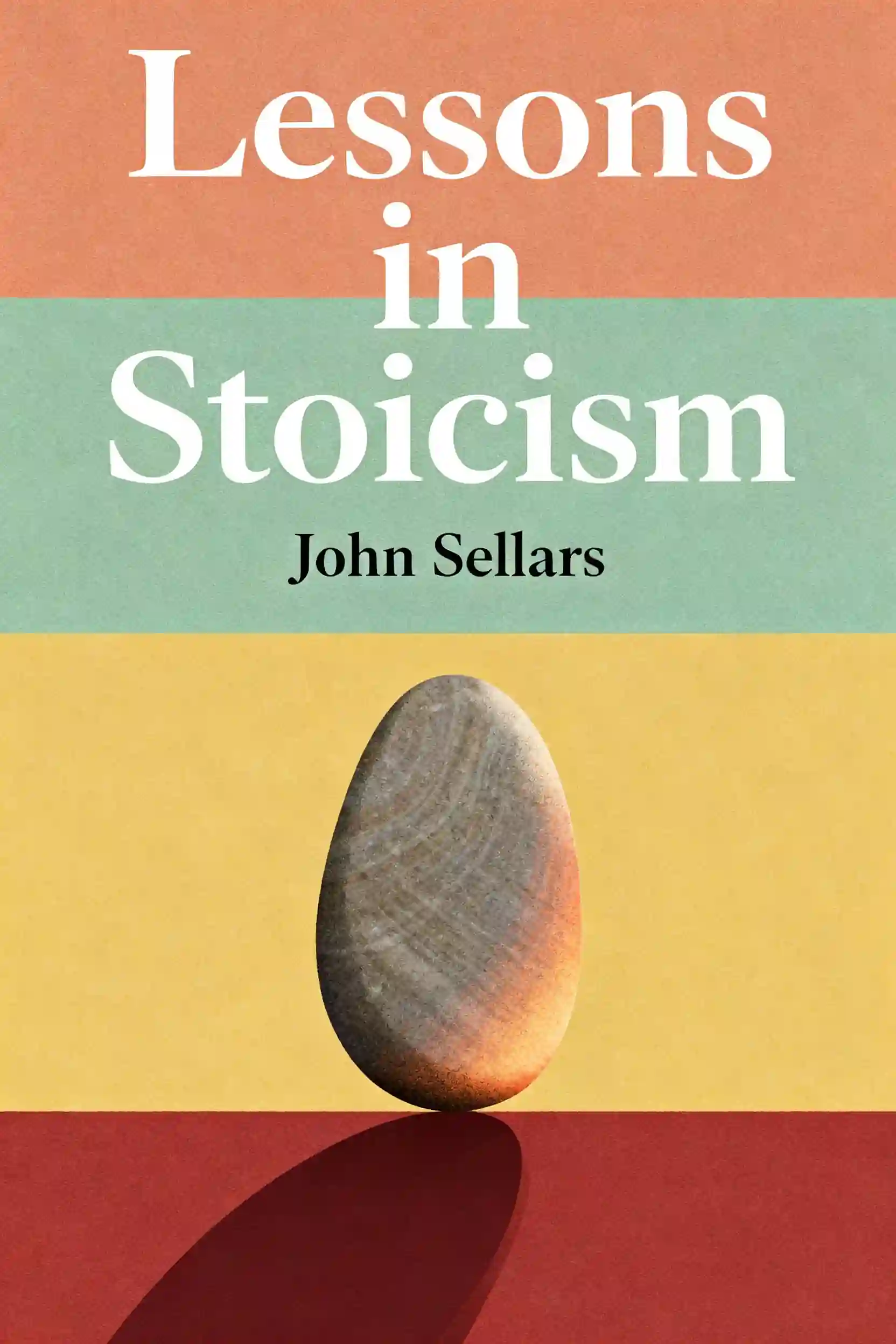
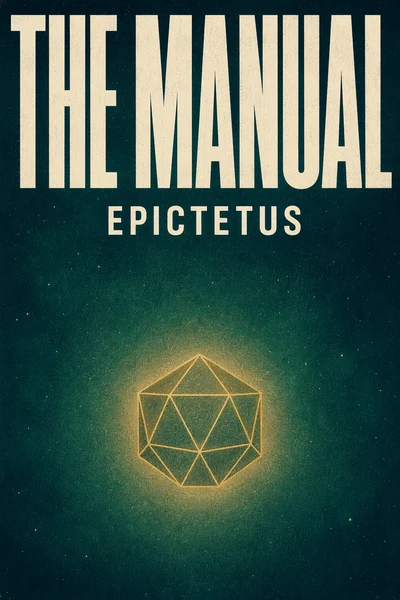
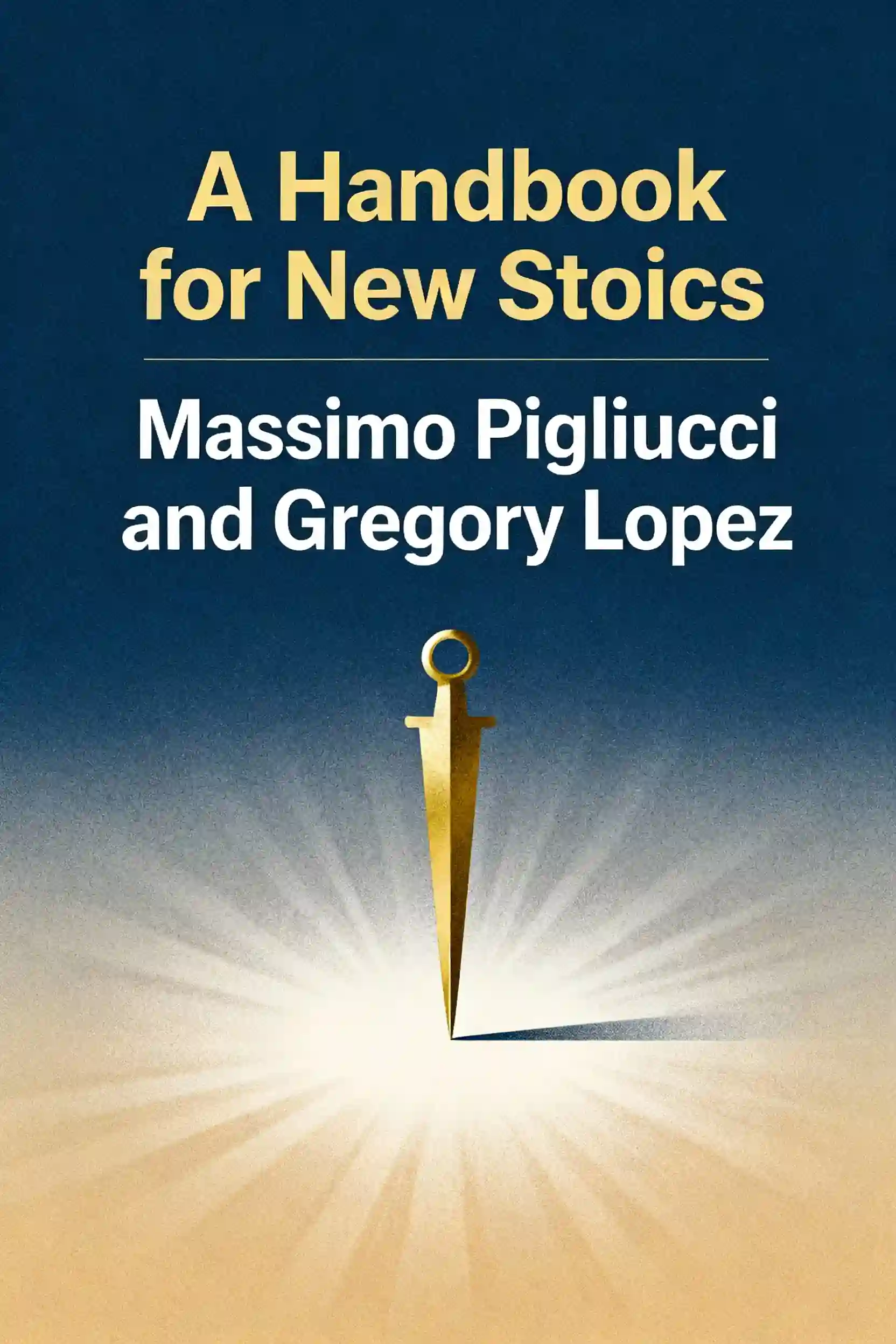
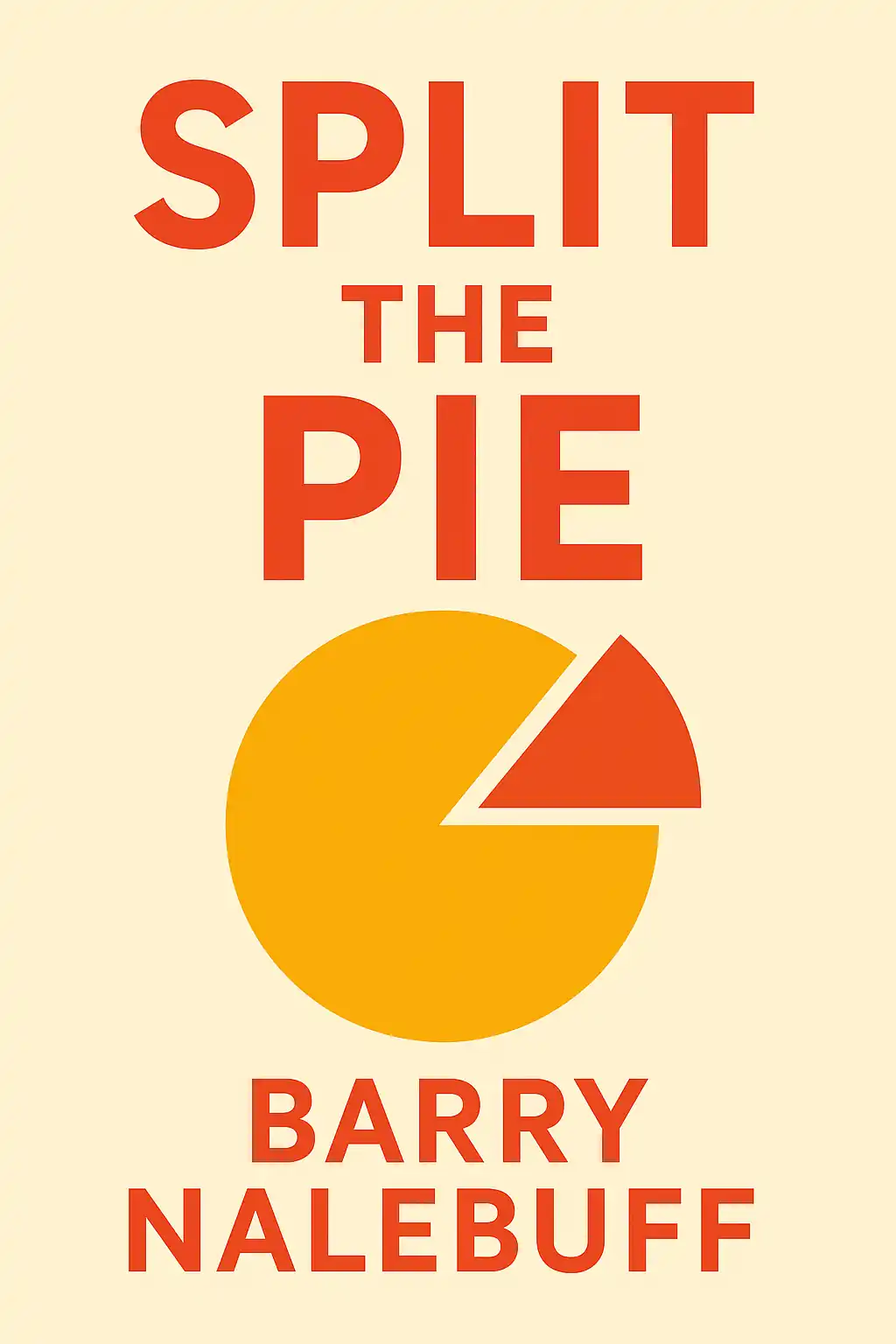
The obstacle is the way and never split the difference books


Foire aux questions
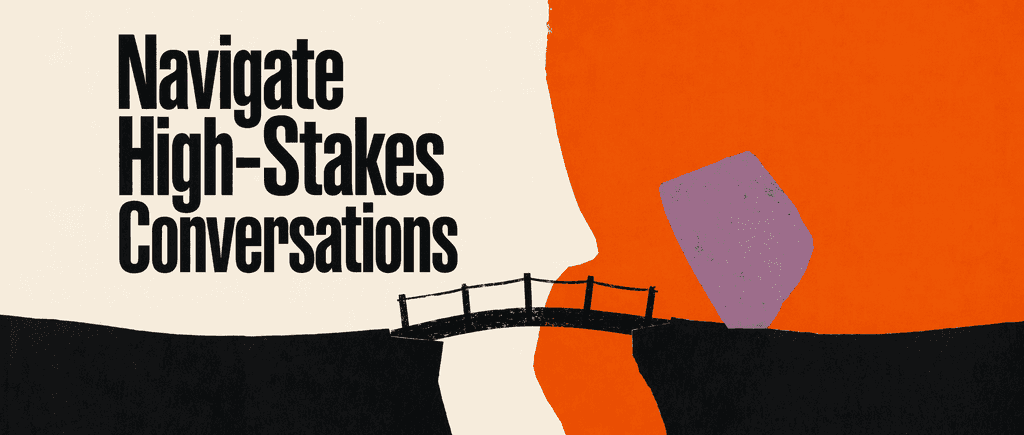
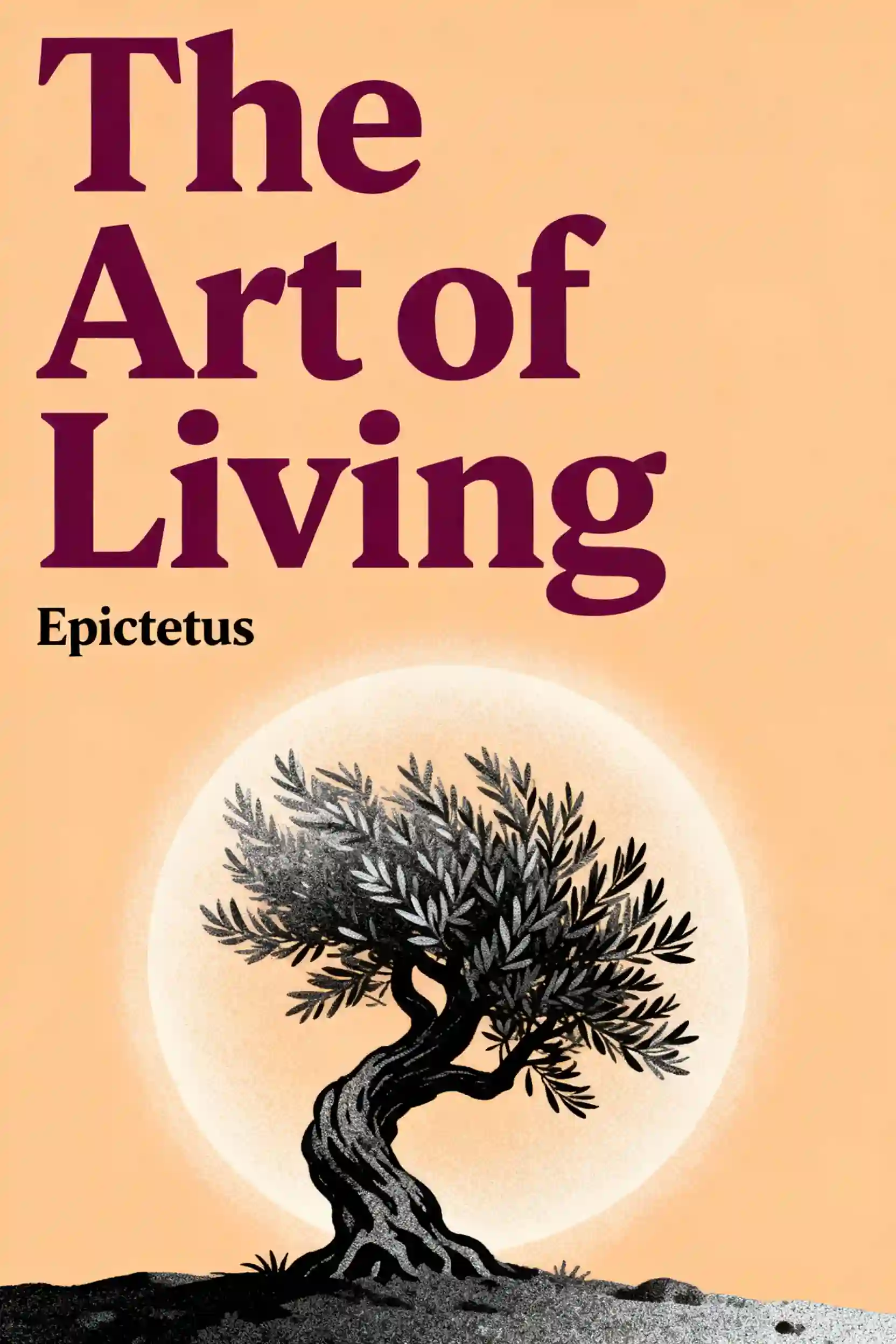
Stoicism provides a mental toolkit for emotional regulation and objective perception, which are critical when under pressure. By practicing the "discipline of assent," you create a gap between a provocative event and your reaction, allowing you to remain calm and gather information rather than reacting out of fear or ego. This internal stability, often referred to as an "inner citadel," ensures that your peace of mind isn't for sale and that you view the person across the table as a human puzzle to solve rather than an insurmountable wall.
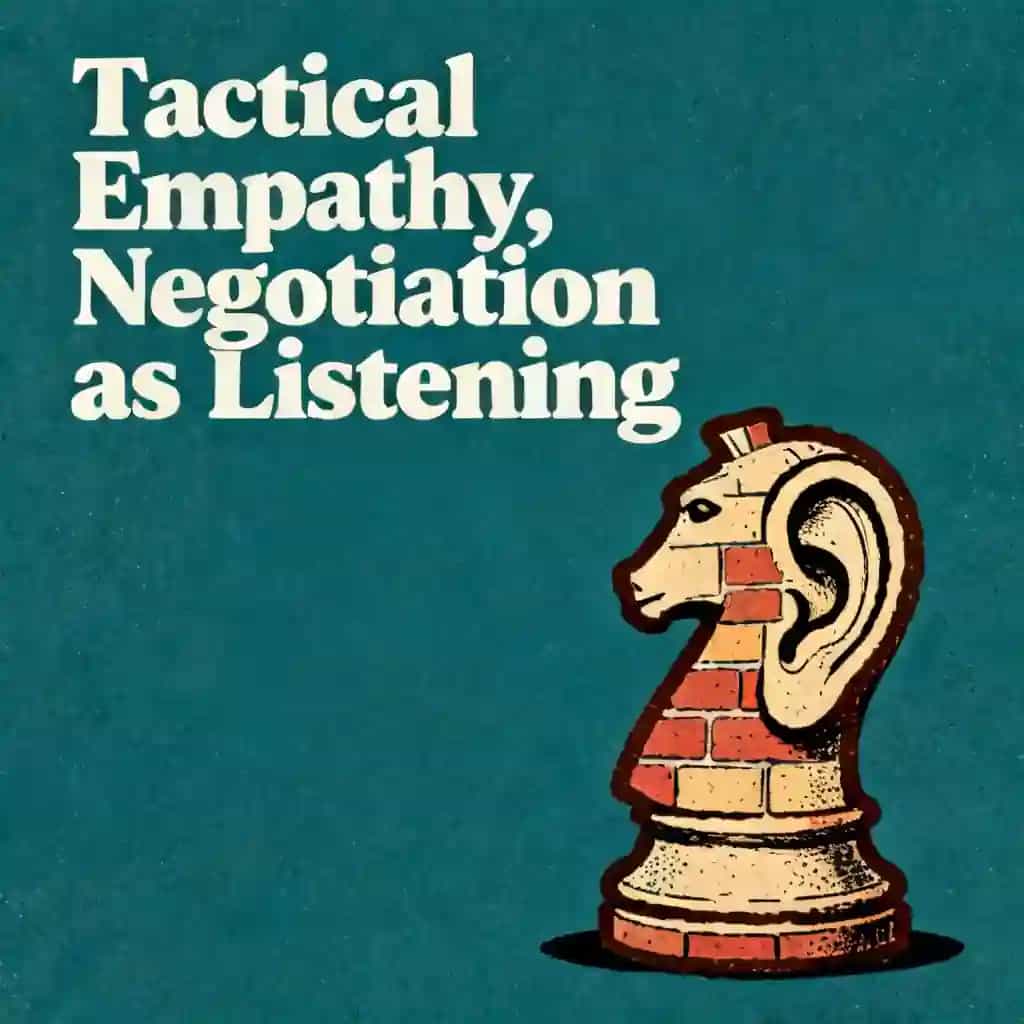
Tactical Empathy, a concept from former FBI negotiator Chris Voss, is the act of recognizing and vocalizing the perspective of the other party to gain an advantage. Unlike regular empathy, which involves feeling sorry for someone, tactical empathy is "empathy with a purpose." By using "Labels"—phrases like "It seems like you are worried about the budget"—you name the other person's emotions, which neuroscience shows can de-escalate the brain's fear center. This builds rapport and clears the way for a more rational, just outcome.
The script explains that "Yes" is often a "counterfeit" response used as a trap or to end a conversation, which makes people feel defensive. In contrast, "No" provides a sense of safety and control for the speaker. By using "No-oriented questions," such as "Is now a bad time to talk?", you allow the other person to assert their autonomy. Once someone feels protected by their ability to say "No," they are often more open to a real "commitment yes" because the path to the agreement felt collaborative rather than coercive.
The Rule of Three is a system designed to ensure that a commitment is genuine and not just a temporary concession. It involves getting the other party to agree to the same point three times in one conversation using different methods: a direct commitment, a summary that triggers a "that’s right" response, and a calibrated "How" question regarding implementation. This process "stress tests" the agreement and flushes out hidden stakeholders or lingering doubts that might otherwise cause the deal to fall apart later.
According to the script, there are three primary negotiator styles: Analysts, Accommodators, and Assertives. Analysts need silence and data to think, so you must avoid rushing them. Accommodators value the relationship, so you must use "How" questions to ensure their friendliness translates into actual follow-through. Assertives need to feel heard above all else; by providing a concise summary of their position until they say "that’s right," you can transition them from a state of aggression to one of collaborative problem-solving.
Cree par des anciens de Columbia University a San Francisco
"Instead of endless scrolling, I just hit play on BeFreed. It saves me so much time."


"I never knew where to start with nonfiction—BeFreed’s book lists turned into podcasts gave me a clear path."


"Perfect balance between learning and entertainment. Finished ‘Thinking, Fast and Slow’ on my commute this week."
"Crazy how much I learned while walking the dog. BeFreed = small habits → big gains."
"Reading used to feel like a chore. Now it’s just part of my lifestyle."

"Feels effortless compared to reading. I’ve finished 6 books this month already."
"BeFreed turned my guilty doomscrolling into something that feels productive and inspiring."

"BeFreed turned my commute into learning time. 20-min podcasts are perfect for finishing books I never had time for."
"BeFreed replaced my podcast queue. Imagine Spotify for books — that’s it. 🙌"

"It is great for me to learn something from the book without reading it."
"The themed book list podcasts help me connect ideas across authors—like a guided audio journey."
"Makes me feel smarter every time before going to work"
Cree par des anciens de Columbia University a San Francisco
"Instead of endless scrolling, I just hit play on BeFreed. It saves me so much time."
"I never knew where to start with nonfiction—BeFreed’s book lists turned into podcasts gave me a clear path."
"Perfect balance between learning and entertainment. Finished ‘Thinking, Fast and Slow’ on my commute this week."
"Crazy how much I learned while walking the dog. BeFreed = small habits → big gains."
"Reading used to feel like a chore. Now it’s just part of my lifestyle."
"Feels effortless compared to reading. I’ve finished 6 books this month already."
"BeFreed turned my guilty doomscrolling into something that feels productive and inspiring."
"BeFreed turned my commute into learning time. 20-min podcasts are perfect for finishing books I never had time for."
"BeFreed replaced my podcast queue. Imagine Spotify for books — that’s it. 🙌"
"It is great for me to learn something from the book without reading it."
"The themed book list podcasts help me connect ideas across authors—like a guided audio journey."
"Makes me feel smarter every time before going to work"
"Instead of endless scrolling, I just hit play on BeFreed. It saves me so much time."
"I never knew where to start with nonfiction—BeFreed’s book lists turned into podcasts gave me a clear path."
"Perfect balance between learning and entertainment. Finished ‘Thinking, Fast and Slow’ on my commute this week."
"Crazy how much I learned while walking the dog. BeFreed = small habits → big gains."
"Reading used to feel like a chore. Now it’s just part of my lifestyle."
"Feels effortless compared to reading. I’ve finished 6 books this month already."
"BeFreed turned my guilty doomscrolling into something that feels productive and inspiring."
"BeFreed turned my commute into learning time. 20-min podcasts are perfect for finishing books I never had time for."
"BeFreed replaced my podcast queue. Imagine Spotify for books — that’s it. 🙌"
"It is great for me to learn something from the book without reading it."
"The themed book list podcasts help me connect ideas across authors—like a guided audio journey."
"Makes me feel smarter every time before going to work"
"Instead of endless scrolling, I just hit play on BeFreed. It saves me so much time."
"I never knew where to start with nonfiction—BeFreed’s book lists turned into podcasts gave me a clear path."
"Perfect balance between learning and entertainment. Finished ‘Thinking, Fast and Slow’ on my commute this week."
"Crazy how much I learned while walking the dog. BeFreed = small habits → big gains."
"Reading used to feel like a chore. Now it’s just part of my lifestyle."
"Feels effortless compared to reading. I’ve finished 6 books this month already."
"BeFreed turned my guilty doomscrolling into something that feels productive and inspiring."
"BeFreed turned my commute into learning time. 20-min podcasts are perfect for finishing books I never had time for."
"BeFreed replaced my podcast queue. Imagine Spotify for books — that’s it. 🙌"
"It is great for me to learn something from the book without reading it."
"The themed book list podcasts help me connect ideas across authors—like a guided audio journey."
"Makes me feel smarter every time before going to work"