The Grounded Heart: Master the Art of Connection
Discover why feeling loved is a skill, not just a feeling. Learn to break free from the performance trap and build lasting intimacy through radical curiosity, vulnerability, and daily rituals.

Meilleure citation de The Grounded Heart: Master the Art of Connection
You can’t feel loved if you aren't being your real self; you’re just feeling approved of for the performance. Real intimacy requires trading the mask of being 'agreeable' for the courage of being authentic.
Generated by Freedee_987B82DD
Can you create a lesson for how to feel loved and how to reciprocate it?

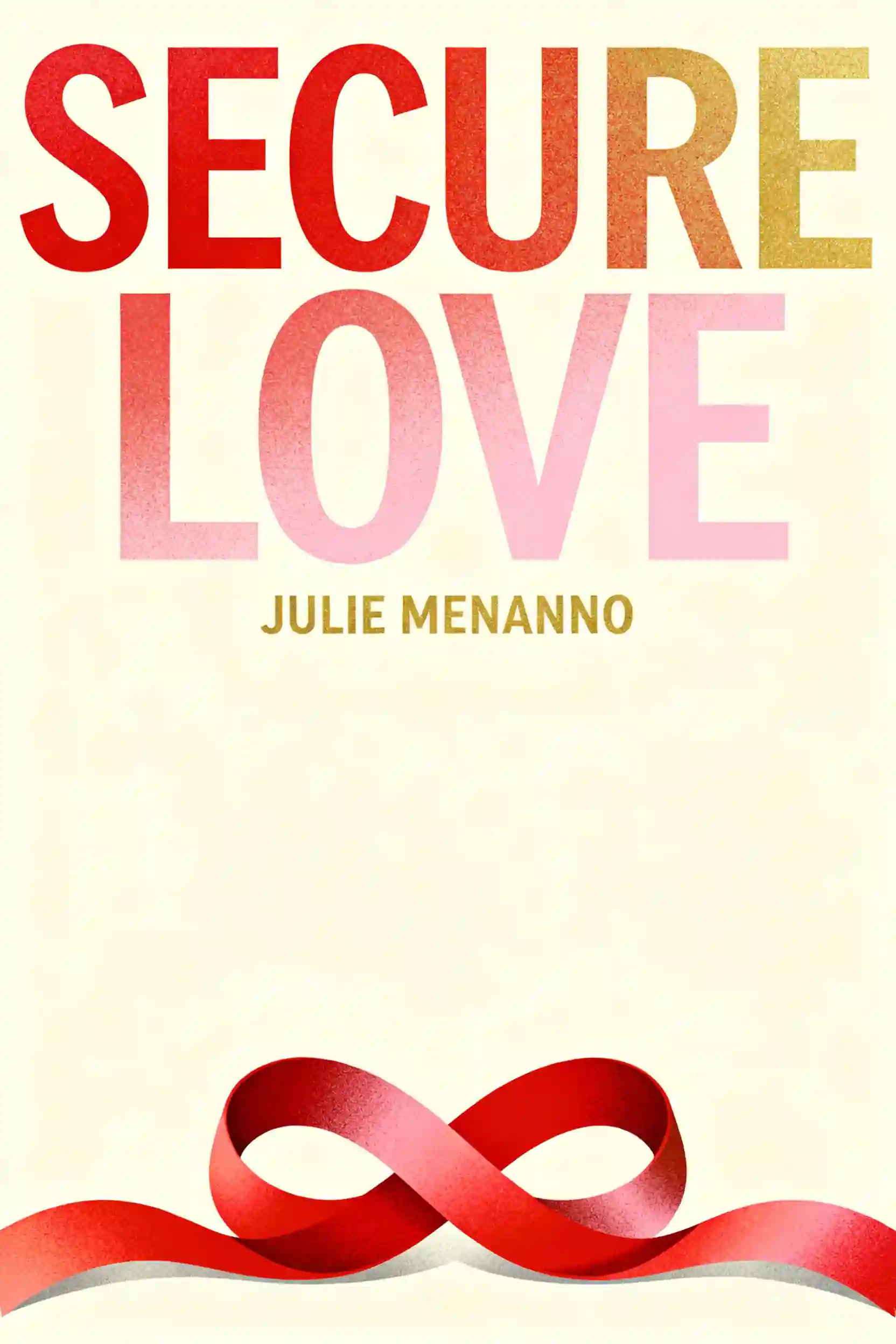
Foire aux questions
This intense reaction often stems from "internal working models" developed during childhood. If early caregivers were inconsistently responsive, the nervous system learns to equate a lack of connection with a lack of personal worth. When a partner doesn't text back or becomes quiet, it can trigger a dormant "attachment wound," making a simple delay feel like a definitive judgment on your lovability rather than just a temporary lapse in communication.
While love can be intense and affectionate, it can also be inconsistent or volatile. "Being chosen" refers to a foundation of reliability, presence, and prioritization. When you feel chosen, your self-worth stabilizes because the relationship provides a constant "ground" to walk on. This security allows you to stop "overfunctioning"—doing extra emotional labor to earn safety—and instead show up as your authentic self.
Laddering is a step-by-step process of sharing vulnerability in a proportional way. Instead of sharing deep traumas all at once, you share a small, vulnerable thought and wait to see if the other person responds with empathy and a similar disclosure. This "tests the rungs" of the relationship ladder; if the other person meets your vulnerability with care, trust grows, allowing you to safely climb higher into deeper intimacy.
Relational accounting occurs when partners treat the 5 Love Languages or other acts of care as a scorecard or a balance sheet (e.g., "I did three chores, so you owe me two compliments"). This approach kills the spark of genuine connection because it replaces empathy and intentionality with a transaction. True reciprocation happens when both partners focus on what makes the other feel significant, rather than monitoring who is "ahead" in the relationship.
Radical curiosity serves as an antidote to the ambiguity that fuels self-blame. When a partner seems distant, our brains often "fill in the gaps" with our deepest insecurities, assuming they are bored or angry with us. By staying curious and asking an open-ended question—such as "You seem a bit distant tonight, is there something on your mind?"—you invite the partner in and clear the air with facts rather than painful assumptions.
Cree par des anciens de Columbia University a San Francisco
"Instead of endless scrolling, I just hit play on BeFreed. It saves me so much time."


"I never knew where to start with nonfiction—BeFreed’s book lists turned into podcasts gave me a clear path."


"Perfect balance between learning and entertainment. Finished ‘Thinking, Fast and Slow’ on my commute this week."
"Crazy how much I learned while walking the dog. BeFreed = small habits → big gains."
"Reading used to feel like a chore. Now it’s just part of my lifestyle."

"Feels effortless compared to reading. I’ve finished 6 books this month already."
"BeFreed turned my guilty doomscrolling into something that feels productive and inspiring."

"BeFreed turned my commute into learning time. 20-min podcasts are perfect for finishing books I never had time for."
"BeFreed replaced my podcast queue. Imagine Spotify for books — that’s it. 🙌"

"It is great for me to learn something from the book without reading it."
"The themed book list podcasts help me connect ideas across authors—like a guided audio journey."
"Makes me feel smarter every time before going to work"
Cree par des anciens de Columbia University a San Francisco
"Instead of endless scrolling, I just hit play on BeFreed. It saves me so much time."
"I never knew where to start with nonfiction—BeFreed’s book lists turned into podcasts gave me a clear path."
"Perfect balance between learning and entertainment. Finished ‘Thinking, Fast and Slow’ on my commute this week."
"Crazy how much I learned while walking the dog. BeFreed = small habits → big gains."
"Reading used to feel like a chore. Now it’s just part of my lifestyle."
"Feels effortless compared to reading. I’ve finished 6 books this month already."
"BeFreed turned my guilty doomscrolling into something that feels productive and inspiring."
"BeFreed turned my commute into learning time. 20-min podcasts are perfect for finishing books I never had time for."
"BeFreed replaced my podcast queue. Imagine Spotify for books — that’s it. 🙌"
"It is great for me to learn something from the book without reading it."
"The themed book list podcasts help me connect ideas across authors—like a guided audio journey."
"Makes me feel smarter every time before going to work"
"Instead of endless scrolling, I just hit play on BeFreed. It saves me so much time."
"I never knew where to start with nonfiction—BeFreed’s book lists turned into podcasts gave me a clear path."
"Perfect balance between learning and entertainment. Finished ‘Thinking, Fast and Slow’ on my commute this week."
"Crazy how much I learned while walking the dog. BeFreed = small habits → big gains."
"Reading used to feel like a chore. Now it’s just part of my lifestyle."
"Feels effortless compared to reading. I’ve finished 6 books this month already."
"BeFreed turned my guilty doomscrolling into something that feels productive and inspiring."
"BeFreed turned my commute into learning time. 20-min podcasts are perfect for finishing books I never had time for."
"BeFreed replaced my podcast queue. Imagine Spotify for books — that’s it. 🙌"
"It is great for me to learn something from the book without reading it."
"The themed book list podcasts help me connect ideas across authors—like a guided audio journey."
"Makes me feel smarter every time before going to work"
"Instead of endless scrolling, I just hit play on BeFreed. It saves me so much time."
"I never knew where to start with nonfiction—BeFreed’s book lists turned into podcasts gave me a clear path."
"Perfect balance between learning and entertainment. Finished ‘Thinking, Fast and Slow’ on my commute this week."
"Crazy how much I learned while walking the dog. BeFreed = small habits → big gains."
"Reading used to feel like a chore. Now it’s just part of my lifestyle."
"Feels effortless compared to reading. I’ve finished 6 books this month already."
"BeFreed turned my guilty doomscrolling into something that feels productive and inspiring."
"BeFreed turned my commute into learning time. 20-min podcasts are perfect for finishing books I never had time for."
"BeFreed replaced my podcast queue. Imagine Spotify for books — that’s it. 🙌"
"It is great for me to learn something from the book without reading it."
"The themed book list podcasts help me connect ideas across authors—like a guided audio journey."
"Makes me feel smarter every time before going to work"


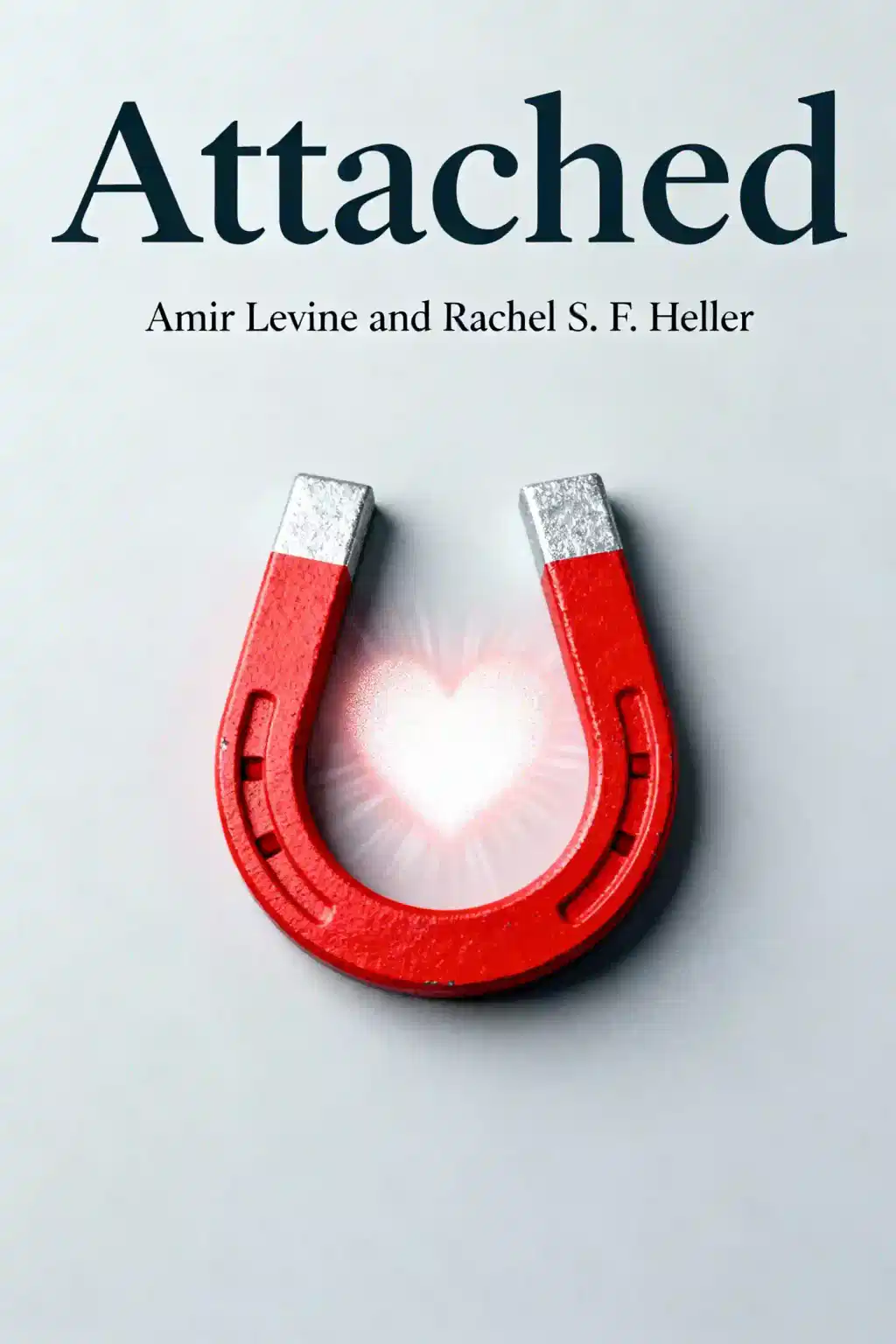



![[hold-me-tight-by-sue-johnson:c0000] Hold Me Tight p1-1](/_next/image?url=https%3A%2F%2Fd1y2du6z1jfm9e.cloudfront.net%2Fassets%2Fpodcast%2Fgreen.png&w=1024&q=50)





![[hold-me-tight-by-sue-johnson:c0001] Hold Me Tight p1-1](/_next/image?url=https%3A%2F%2Fd1y2du6z1jfm9e.cloudfront.net%2Fassets%2Fpodcast%2Fyellow.png&w=1024&q=50)
![[hold-me-tight-by-sue-johnson:c0003] Hold Me Tight p1-1](/_next/image?url=https%3A%2F%2Fd1y2du6z1jfm9e.cloudfront.net%2Fassets%2Fpodcast%2Fpurple.png&w=1024&q=50)