The Great Slaughter: Empires, Ideology, and Revolution
Explore how the industrial carnage of WWI fueled a global philosophical shift, turning nationalist fervor into a communist revolution that toppled empires.

Meilleure citation de The Great Slaughter: Empires, Ideology, and Revolution
When the gap between the goals of the elite and the survival of the masses gets too wide, the system doesn't just bend—it snaps.
Generated by Joey
Please give a lesson on WW1 and the influence of communism and philosophy at the time

Foire aux questions
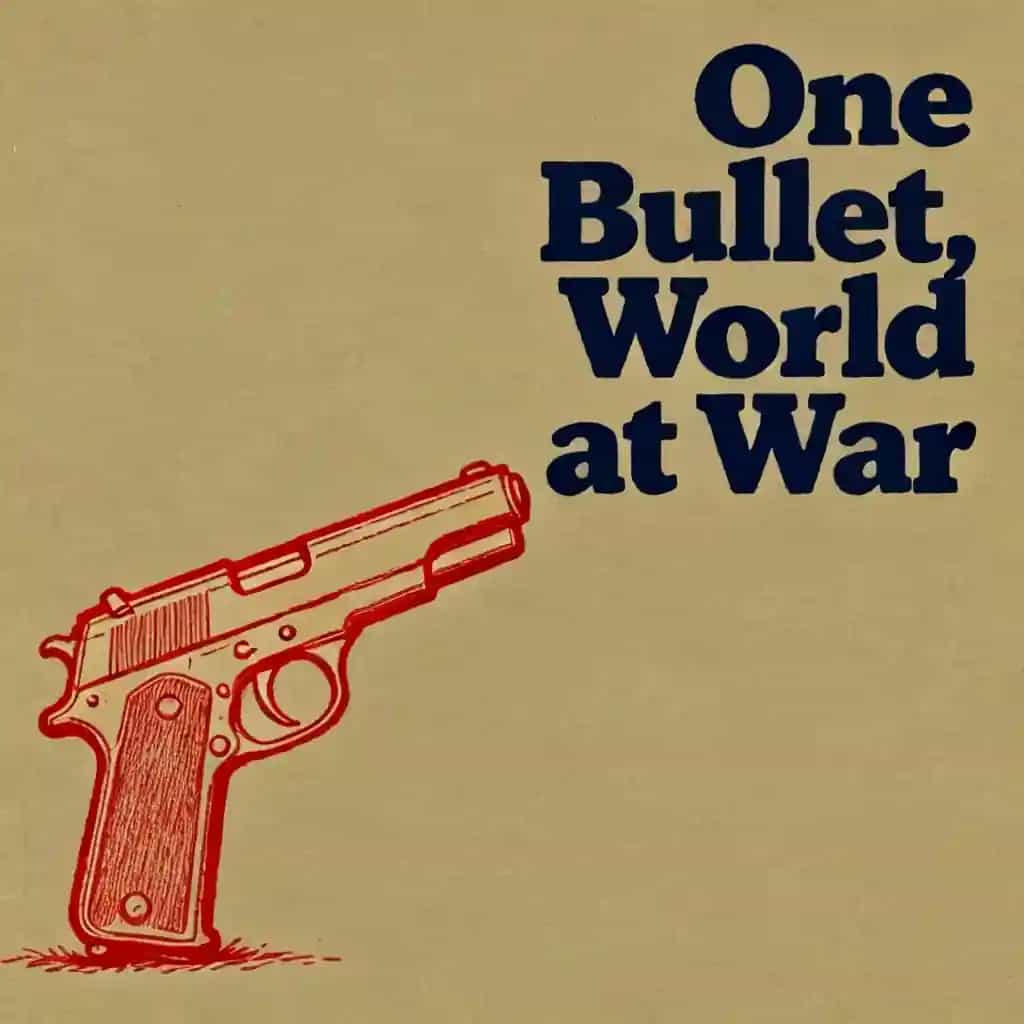
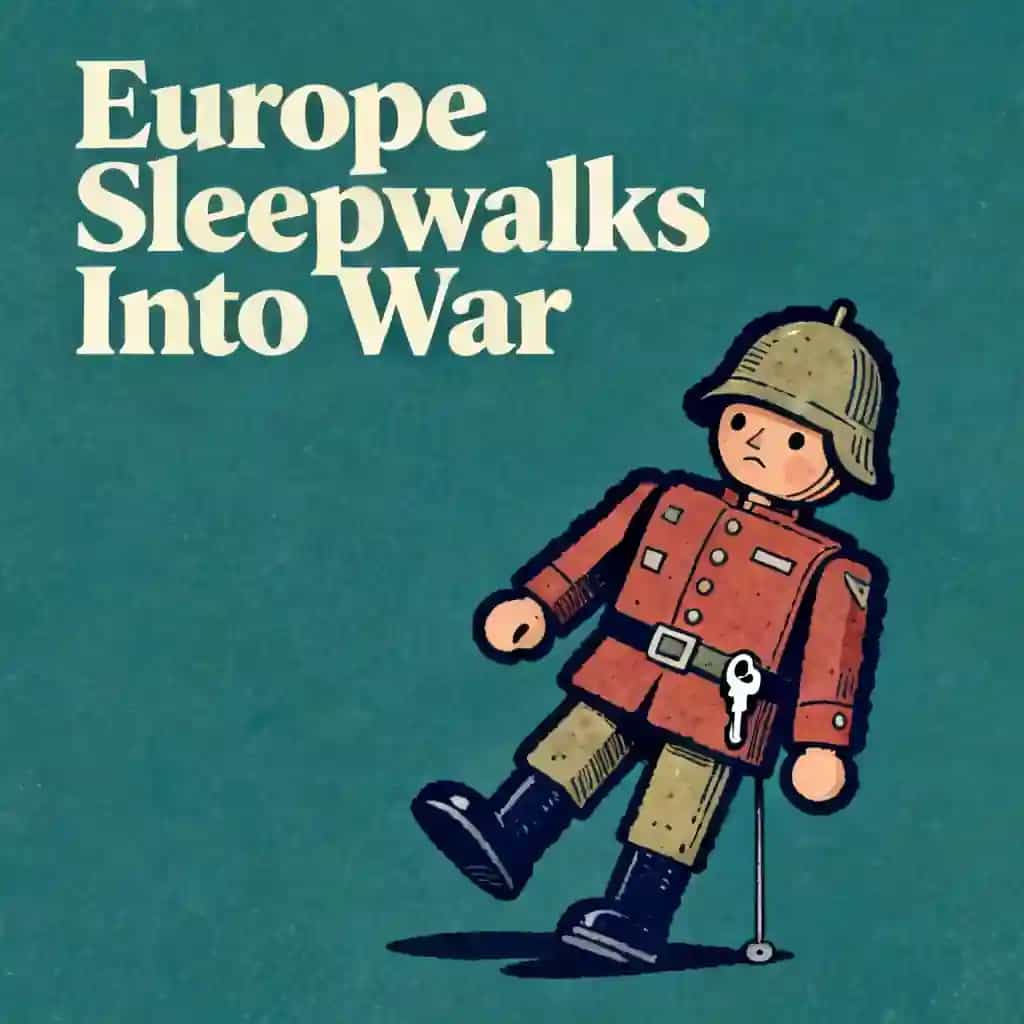
The "Great Slaughter" refers to the industrial-scale carnage of World War I, exemplified by events like the 27,000 French soldiers dying in a single day in 1914 or the 377,000 casualties at Verdun. This extreme loss of life for minimal territorial gain caused a philosophical shift among the working-class soldiers. Many moved away from traditional nationalist pride ("dying for my country") toward internationalism or class consciousness ("living for my class"), realizing they were being used as cannon fodder for the benefit of a small elite. This disillusionment led to widespread mutinies and the formation of soldiers' councils that challenged imperial authority.
The Bolsheviks succeeded because they addressed the immediate material needs of the population through the slogan "Peace, Land, and Bread." While the Provisional Government made the fatal mistake of trying to continue the war, Lenin and the Bolsheviks recognized that the Russian army had evaporated and the people were starving. By issuing the Decree on Land, they secured the neutral support of the peasantry, and by signing the Treaty of Brest-Litovsk, they sacrificed vast territories to gain the "breathing space" necessary to preserve their new revolutionary state.
The collapse of European empires and the shattering of the myth of "civilized" European superiority fueled independence movements globally. In India and Egypt, soldiers who fought for colonial powers began demanding autonomy, while in China, the perceived betrayal of the Treaty of Versailles sparked the nationalist May Fourth Movement. Additionally, the Bolsheviks formed the "Comintern" to actively export revolution, training agents and supporting anti-colonial struggles in Turkey, China, and Ireland, framing the global order as a battlefield between classes rather than just nations.
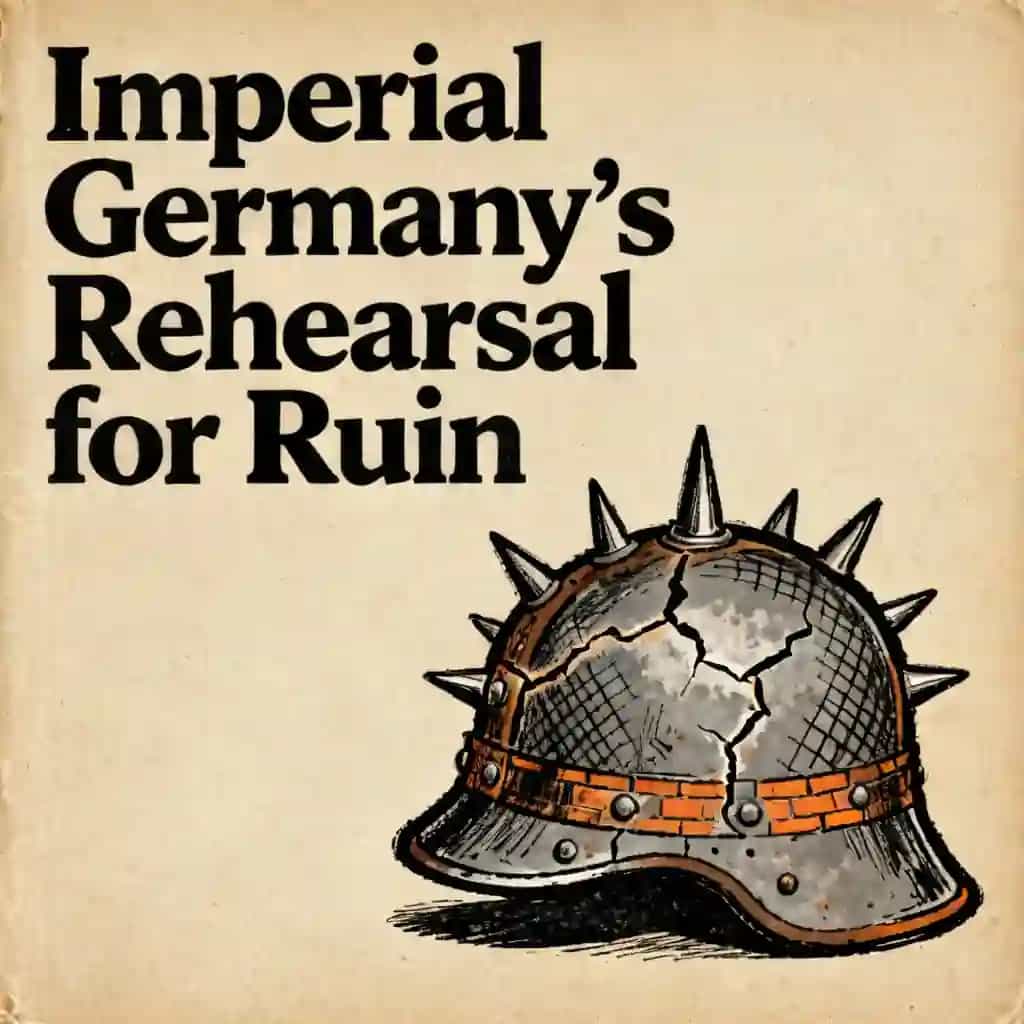
The peace settlements are described as a "Peace to End All Peace" because they prioritized humiliation and imperialist "loot" over long-term stability. By redrawing borders without regard for ethnic populations, the treaties created millions of "new minorities" and fueled "revenge philosophy," such as the "stab in the back" myth in Germany and the "mutilated victory" in Italy. This environment of national humiliation and economic distress provided the perfect breeding ground for radical authoritarian ideologies like Fascism and Nazism to rise as a reaction against both the liberal order and the threat of Communism.
Cree par des anciens de Columbia University a San Francisco
"Instead of endless scrolling, I just hit play on BeFreed. It saves me so much time."


"I never knew where to start with nonfiction—BeFreed’s book lists turned into podcasts gave me a clear path."


"Perfect balance between learning and entertainment. Finished ‘Thinking, Fast and Slow’ on my commute this week."
"Crazy how much I learned while walking the dog. BeFreed = small habits → big gains."
"Reading used to feel like a chore. Now it’s just part of my lifestyle."

"Feels effortless compared to reading. I’ve finished 6 books this month already."
"BeFreed turned my guilty doomscrolling into something that feels productive and inspiring."

"BeFreed turned my commute into learning time. 20-min podcasts are perfect for finishing books I never had time for."
"BeFreed replaced my podcast queue. Imagine Spotify for books — that’s it. 🙌"

"It is great for me to learn something from the book without reading it."
"The themed book list podcasts help me connect ideas across authors—like a guided audio journey."
"Makes me feel smarter every time before going to work"
Cree par des anciens de Columbia University a San Francisco
"Instead of endless scrolling, I just hit play on BeFreed. It saves me so much time."
"I never knew where to start with nonfiction—BeFreed’s book lists turned into podcasts gave me a clear path."
"Perfect balance between learning and entertainment. Finished ‘Thinking, Fast and Slow’ on my commute this week."
"Crazy how much I learned while walking the dog. BeFreed = small habits → big gains."
"Reading used to feel like a chore. Now it’s just part of my lifestyle."
"Feels effortless compared to reading. I’ve finished 6 books this month already."
"BeFreed turned my guilty doomscrolling into something that feels productive and inspiring."
"BeFreed turned my commute into learning time. 20-min podcasts are perfect for finishing books I never had time for."
"BeFreed replaced my podcast queue. Imagine Spotify for books — that’s it. 🙌"
"It is great for me to learn something from the book without reading it."
"The themed book list podcasts help me connect ideas across authors—like a guided audio journey."
"Makes me feel smarter every time before going to work"
"Instead of endless scrolling, I just hit play on BeFreed. It saves me so much time."
"I never knew where to start with nonfiction—BeFreed’s book lists turned into podcasts gave me a clear path."
"Perfect balance between learning and entertainment. Finished ‘Thinking, Fast and Slow’ on my commute this week."
"Crazy how much I learned while walking the dog. BeFreed = small habits → big gains."
"Reading used to feel like a chore. Now it’s just part of my lifestyle."
"Feels effortless compared to reading. I’ve finished 6 books this month already."
"BeFreed turned my guilty doomscrolling into something that feels productive and inspiring."
"BeFreed turned my commute into learning time. 20-min podcasts are perfect for finishing books I never had time for."
"BeFreed replaced my podcast queue. Imagine Spotify for books — that’s it. 🙌"
"It is great for me to learn something from the book without reading it."
"The themed book list podcasts help me connect ideas across authors—like a guided audio journey."
"Makes me feel smarter every time before going to work"
"Instead of endless scrolling, I just hit play on BeFreed. It saves me so much time."
"I never knew where to start with nonfiction—BeFreed’s book lists turned into podcasts gave me a clear path."
"Perfect balance between learning and entertainment. Finished ‘Thinking, Fast and Slow’ on my commute this week."
"Crazy how much I learned while walking the dog. BeFreed = small habits → big gains."
"Reading used to feel like a chore. Now it’s just part of my lifestyle."
"Feels effortless compared to reading. I’ve finished 6 books this month already."
"BeFreed turned my guilty doomscrolling into something that feels productive and inspiring."
"BeFreed turned my commute into learning time. 20-min podcasts are perfect for finishing books I never had time for."
"BeFreed replaced my podcast queue. Imagine Spotify for books — that’s it. 🙌"
"It is great for me to learn something from the book without reading it."
"The themed book list podcasts help me connect ideas across authors—like a guided audio journey."
"Makes me feel smarter every time before going to work"