The Cynicism Myth: Dr. Jamil Zaki on Science-Based Hope
Explore The Cynicism Myth with Dr. Jamil Zaki. Learn why cynicism is a cognitive trap and discover science-based hope to overcome being socially malnourished.

Meilleure citation de The Cynicism Myth: Dr. Jamil Zaki on Science-Based Hope
Cynicism is basically a theory about humanity that treats kindness as a 'thin veneer' over selfishness, and when you live by that theory, you end up 'socially malnourished' because you can’t even metabolize the support people try to give you.
Generated by lynci
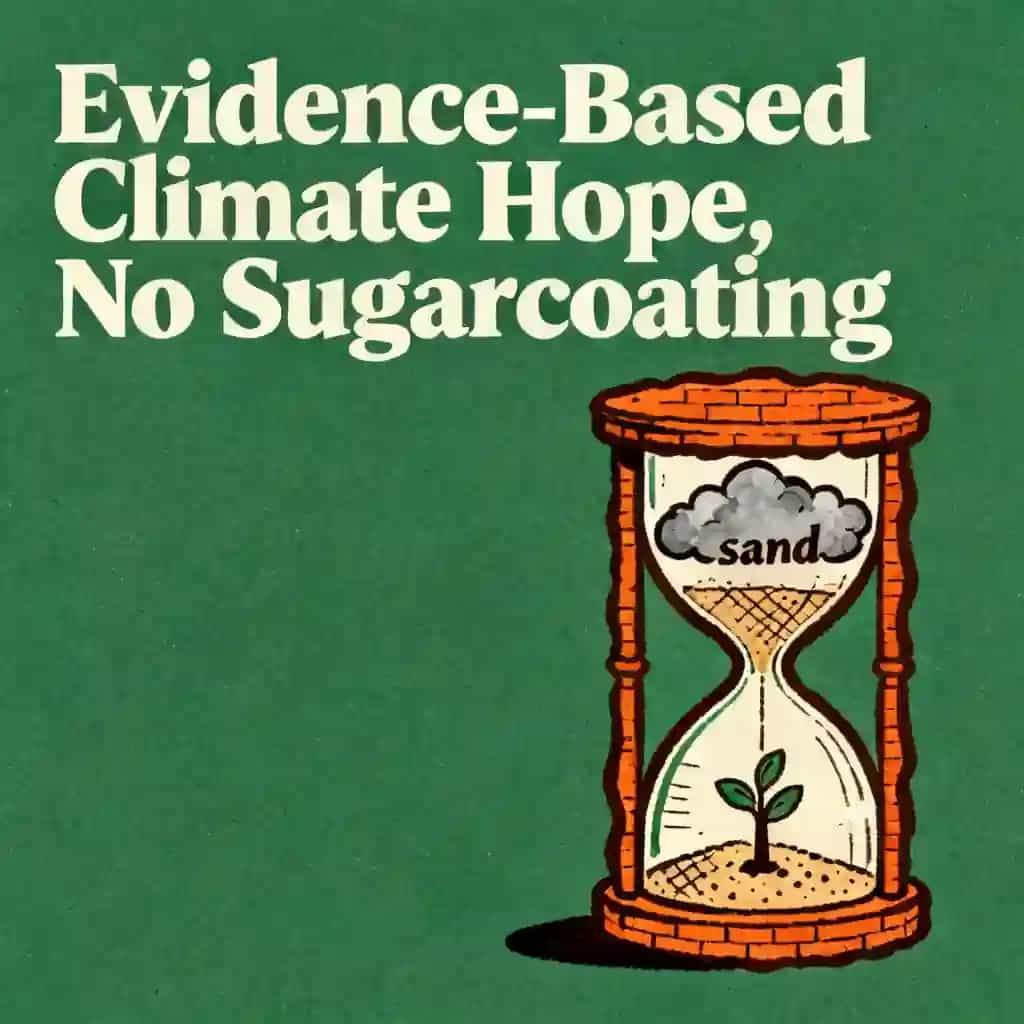
How to Cultivate a Positive, Growth-Oriented Mindset based on the Huberman Lab episode with Dr. Jamil Zaki. Focus on science-based tools for empathy and overcoming cynicism.



Foire aux questions
According to Stanford psychology professor Dr. Jamil Zaki on the Huberman Lab, the cynicism myth is the cultural belief that being cynical makes you smarter or more realistic. In reality, treating human kindness as a thin veneer over selfishness is a cognitive trap. This mindset actually blocks you from learning new information and can make you less intelligent over time by limiting your perspective on human behavior.
Research shared by Dr. Jamil Zaki suggests that cynicism acts as an intellectual shield that backfires. Instead of making you more discerning, it functions as a cognitive trap that prevents you from metabolizing new experiences or data. Because cynics often assume people are inherently selfish and dishonest, they stop looking for evidence to the contrary, which effectively blocks them from learning and growing intellectually.
Dr. Jamil Zaki uses the term socially malnourished to describe the state of people who live by the theory that everyone is out for themselves. When you view the world through a cynical lens, you become unable to accept or process the support and kindness others offer. This inability to metabolize social connection leaves you isolated, even when people are actively trying to provide help or genuine human interaction.
While many equate cynicism with being realistic, Dr. Jamil Zaki argues this is a misreading of the data. His research into the psychology of cynicism suggests that viewing the world as a dumpster fire of greed is often inaccurate. Science-based hope offers a more effective framework for understanding humanity, whereas cynicism serves as a self-limiting theory that protects the individual at the cost of social health and intellectual clarity.
Cree par des anciens de Columbia University a San Francisco
BeFreed rassemble une communauté mondiale d'esprits curieux


"Instead of endless scrolling, I just hit play on BeFreed. It saves me so much time."


"I never knew where to start with nonfiction—BeFreed’s book lists turned into podcasts gave me a clear path."


"Perfect balance between learning and entertainment. Finished ‘Thinking, Fast and Slow’ on my commute this week."
"Crazy how much I learned while walking the dog. BeFreed = small habits → big gains."
"Reading used to feel like a chore. Now it’s just part of my lifestyle."

"Feels effortless compared to reading. I’ve finished 6 books this month already."
"BeFreed turned my guilty doomscrolling into something that feels productive and inspiring."

"BeFreed turned my commute into learning time. 20-min podcasts are perfect for finishing books I never had time for."
"BeFreed replaced my podcast queue. Imagine Spotify for books — that’s it. 🙌"

"It is great for me to learn something from the book without reading it."
"The themed book list podcasts help me connect ideas across authors—like a guided audio journey."
"Makes me feel smarter every time before going to work"
Cree par des anciens de Columbia University a San Francisco
BeFreed rassemble une communauté mondiale d'esprits curieux
"Instead of endless scrolling, I just hit play on BeFreed. It saves me so much time."
"I never knew where to start with nonfiction—BeFreed’s book lists turned into podcasts gave me a clear path."
"Perfect balance between learning and entertainment. Finished ‘Thinking, Fast and Slow’ on my commute this week."
"Crazy how much I learned while walking the dog. BeFreed = small habits → big gains."
"Reading used to feel like a chore. Now it’s just part of my lifestyle."
"Feels effortless compared to reading. I’ve finished 6 books this month already."
"BeFreed turned my guilty doomscrolling into something that feels productive and inspiring."
"BeFreed turned my commute into learning time. 20-min podcasts are perfect for finishing books I never had time for."
"BeFreed replaced my podcast queue. Imagine Spotify for books — that’s it. 🙌"
"It is great for me to learn something from the book without reading it."
"The themed book list podcasts help me connect ideas across authors—like a guided audio journey."
"Makes me feel smarter every time before going to work"
"Instead of endless scrolling, I just hit play on BeFreed. It saves me so much time."
"I never knew where to start with nonfiction—BeFreed’s book lists turned into podcasts gave me a clear path."
"Perfect balance between learning and entertainment. Finished ‘Thinking, Fast and Slow’ on my commute this week."
"Crazy how much I learned while walking the dog. BeFreed = small habits → big gains."
"Reading used to feel like a chore. Now it’s just part of my lifestyle."
"Feels effortless compared to reading. I’ve finished 6 books this month already."
"BeFreed turned my guilty doomscrolling into something that feels productive and inspiring."
"BeFreed turned my commute into learning time. 20-min podcasts are perfect for finishing books I never had time for."
"BeFreed replaced my podcast queue. Imagine Spotify for books — that’s it. 🙌"
"It is great for me to learn something from the book without reading it."
"The themed book list podcasts help me connect ideas across authors—like a guided audio journey."
"Makes me feel smarter every time before going to work"
"Instead of endless scrolling, I just hit play on BeFreed. It saves me so much time."
"I never knew where to start with nonfiction—BeFreed’s book lists turned into podcasts gave me a clear path."
"Perfect balance between learning and entertainment. Finished ‘Thinking, Fast and Slow’ on my commute this week."
"Crazy how much I learned while walking the dog. BeFreed = small habits → big gains."
"Reading used to feel like a chore. Now it’s just part of my lifestyle."
"Feels effortless compared to reading. I’ve finished 6 books this month already."
"BeFreed turned my guilty doomscrolling into something that feels productive and inspiring."
"BeFreed turned my commute into learning time. 20-min podcasts are perfect for finishing books I never had time for."
"BeFreed replaced my podcast queue. Imagine Spotify for books — that’s it. 🙌"
"It is great for me to learn something from the book without reading it."
"The themed book list podcasts help me connect ideas across authors—like a guided audio journey."
"Makes me feel smarter every time before going to work"