Tajikistan's Hidden Crisis
We explore Tajikistan's authoritarian regime, examining how political repression, ethnic tensions, and social control affect everyday citizens, and why many Tajiks feel frustrated or unsafe in their homeland.

Meilleure citation de Tajikistan's Hidden Crisis
It's what political scientists call 'competitive authoritarianism'—you maintain the institutional facade while ensuring no real competition can emerge. The elections are just theater at this point.

Cette leçon audio a été créée par un membre de la communauté BeFreed
Create a podcast analyzing Tajikistan. I have an internet friend from there who dislikes her country. Cover politics, including the ruling PDPT and opposition parties, and how real competition is limited. Discuss society, culture, and LGBTQ+ issues, including social attitudes and risks. Explain how politics and social pressures affect everyday life and why some citizens feel frustrated or unsafe.



Découvrir plus

Explore Iran's historical & modern evolution
Iran represents one of the world's oldest continuous civilizations with profound influence on global history, yet is often misunderstood through contemporary geopolitical lenses. This learning plan provides crucial historical context and cultural insights for anyone interested in Middle Eastern politics, international relations, or cultural studies.

Politics
This plan provides a comprehensive overview of the forces that drive global and domestic stability. It is ideal for students, aspiring policymakers, or any citizen looking to understand the mechanics of power and the roots of modern political conflict.

The Hidden Gears of History
This plan provides a macro-historical perspective for those who want to understand the deep-seated patterns beneath today's headlines. It is ideal for students of sociology, political science, or anyone looking to decode the systemic forces that govern human civilization.

Know more about international affairs
In an increasingly interconnected world, understanding the forces that drive global stability and conflict is essential for informed citizenship. This plan is ideal for professionals, students, or curious minds looking to master the intersection of geopolitics, economics, and future trends.

The Hidden Architecture of Social Life
This plan is essential for anyone looking to decode the invisible forces that shape our societal interactions and organizational structures. It is particularly valuable for sociologists, cultural strategists, and leaders seeking to understand the tension between grassroots innovation and institutional stability.
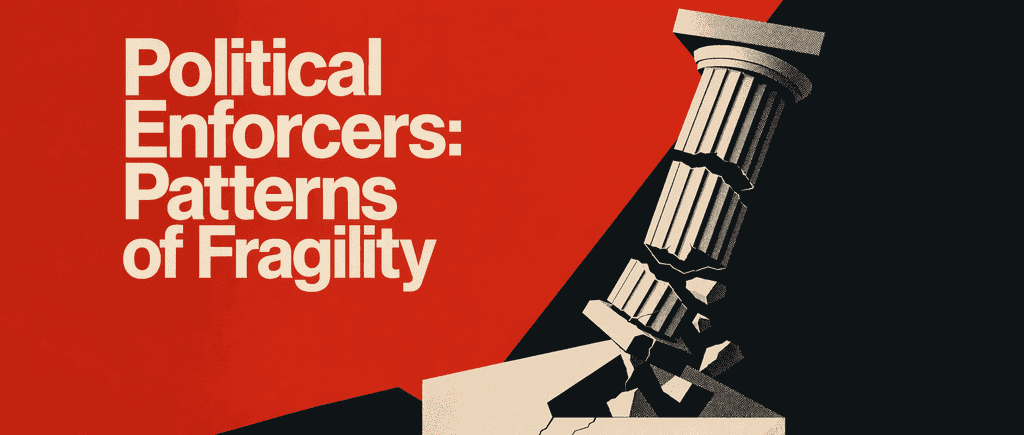
Political Enforcers: Patterns of Fragility
This learning plan is essential for understanding the mechanics of power and the vulnerabilities of modern governance. It is designed for political science students, security analysts, and policy makers seeking to navigate the complexities of authoritarianism and state collapse.

Yemen History & Conflict Lesson Plan
This lesson plan is essential for students, humanitarian professionals, and policy enthusiasts seeking to understand the complexities of the world's most severe humanitarian crisis. It provides a comprehensive framework for connecting ancient history to modern geopolitical power struggles.

US-Iran Conflict: Past, Present & Future
This plan is essential for anyone seeking to understand the most volatile relationship in modern geopolitics. It is ideal for students of international relations, policy professionals, or curious citizens wanting to look beyond the headlines at the roots of Middle Eastern conflict.
Cree par des anciens de Columbia University a San Francisco
"Instead of endless scrolling, I just hit play on BeFreed. It saves me so much time."


"I never knew where to start with nonfiction—BeFreed’s book lists turned into podcasts gave me a clear path."


"Perfect balance between learning and entertainment. Finished ‘Thinking, Fast and Slow’ on my commute this week."
"Crazy how much I learned while walking the dog. BeFreed = small habits → big gains."
"Reading used to feel like a chore. Now it’s just part of my lifestyle."

"Feels effortless compared to reading. I’ve finished 6 books this month already."
"BeFreed turned my guilty doomscrolling into something that feels productive and inspiring."

"BeFreed turned my commute into learning time. 20-min podcasts are perfect for finishing books I never had time for."
"BeFreed replaced my podcast queue. Imagine Spotify for books — that’s it. 🙌"

"It is great for me to learn something from the book without reading it."
"The themed book list podcasts help me connect ideas across authors—like a guided audio journey."
"Makes me feel smarter every time before going to work"
Cree par des anciens de Columbia University a San Francisco
"Instead of endless scrolling, I just hit play on BeFreed. It saves me so much time."
"I never knew where to start with nonfiction—BeFreed’s book lists turned into podcasts gave me a clear path."
"Perfect balance between learning and entertainment. Finished ‘Thinking, Fast and Slow’ on my commute this week."
"Crazy how much I learned while walking the dog. BeFreed = small habits → big gains."
"Reading used to feel like a chore. Now it’s just part of my lifestyle."
"Feels effortless compared to reading. I’ve finished 6 books this month already."
"BeFreed turned my guilty doomscrolling into something that feels productive and inspiring."
"BeFreed turned my commute into learning time. 20-min podcasts are perfect for finishing books I never had time for."
"BeFreed replaced my podcast queue. Imagine Spotify for books — that’s it. 🙌"
"It is great for me to learn something from the book without reading it."
"The themed book list podcasts help me connect ideas across authors—like a guided audio journey."
"Makes me feel smarter every time before going to work"
"Instead of endless scrolling, I just hit play on BeFreed. It saves me so much time."
"I never knew where to start with nonfiction—BeFreed’s book lists turned into podcasts gave me a clear path."
"Perfect balance between learning and entertainment. Finished ‘Thinking, Fast and Slow’ on my commute this week."
"Crazy how much I learned while walking the dog. BeFreed = small habits → big gains."
"Reading used to feel like a chore. Now it’s just part of my lifestyle."
"Feels effortless compared to reading. I’ve finished 6 books this month already."
"BeFreed turned my guilty doomscrolling into something that feels productive and inspiring."
"BeFreed turned my commute into learning time. 20-min podcasts are perfect for finishing books I never had time for."
"BeFreed replaced my podcast queue. Imagine Spotify for books — that’s it. 🙌"
"It is great for me to learn something from the book without reading it."
"The themed book list podcasts help me connect ideas across authors—like a guided audio journey."
"Makes me feel smarter every time before going to work"
"Instead of endless scrolling, I just hit play on BeFreed. It saves me so much time."
"I never knew where to start with nonfiction—BeFreed’s book lists turned into podcasts gave me a clear path."
"Perfect balance between learning and entertainment. Finished ‘Thinking, Fast and Slow’ on my commute this week."
"Crazy how much I learned while walking the dog. BeFreed = small habits → big gains."
"Reading used to feel like a chore. Now it’s just part of my lifestyle."
"Feels effortless compared to reading. I’ve finished 6 books this month already."
"BeFreed turned my guilty doomscrolling into something that feels productive and inspiring."
"BeFreed turned my commute into learning time. 20-min podcasts are perfect for finishing books I never had time for."
"BeFreed replaced my podcast queue. Imagine Spotify for books — that’s it. 🙌"
"It is great for me to learn something from the book without reading it."
"The themed book list podcasts help me connect ideas across authors—like a guided audio journey."
"Makes me feel smarter every time before going to work"





![[PDF] CRITICAL ISSUES OF GOVERNANCE IN PAKISTAN - ISSRA Papers](/_next/image?url=https%3A%2F%2Fd1y2du6z1jfm9e.cloudfront.net%2Fassets%2Fpodcast%2Fyellow.png&w=1024&q=50)
![[PDF] Historical Challenges To Pakistan's Good Governance: Reforms In ...](/_next/image?url=https%3A%2F%2Fd1y2du6z1jfm9e.cloudfront.net%2Fassets%2Fpodcast%2Fgreen.png&w=1024&q=50)





![[PDF] BOOK REVIEWS - IPRI](/_next/image?url=https%3A%2F%2Fd1y2du6z1jfm9e.cloudfront.net%2Fassets%2Fpodcast%2Fpurple.png&w=1024&q=50)