Supporting Your CPTSD Partner: A Love Guide
Navigate the invisible maze of loving someone with complex PTSD. Learn to create safety, understand triggers, and heal together while protecting your own wellbeing.

Meilleure citation de Supporting Your CPTSD Partner: A Love Guide
You're not responsible for healing your partner; you're responsible for showing up consistently and safely while they do their own healing work. Your partnership becomes both the place where old wounds get activated and where new, healthier patterns can develop.

Cette leçon audio a été créée par un membre de la communauté BeFreed
Being married to someone with cptsd from an abusive husband, and father with borderline personality disorder. How do I support her?


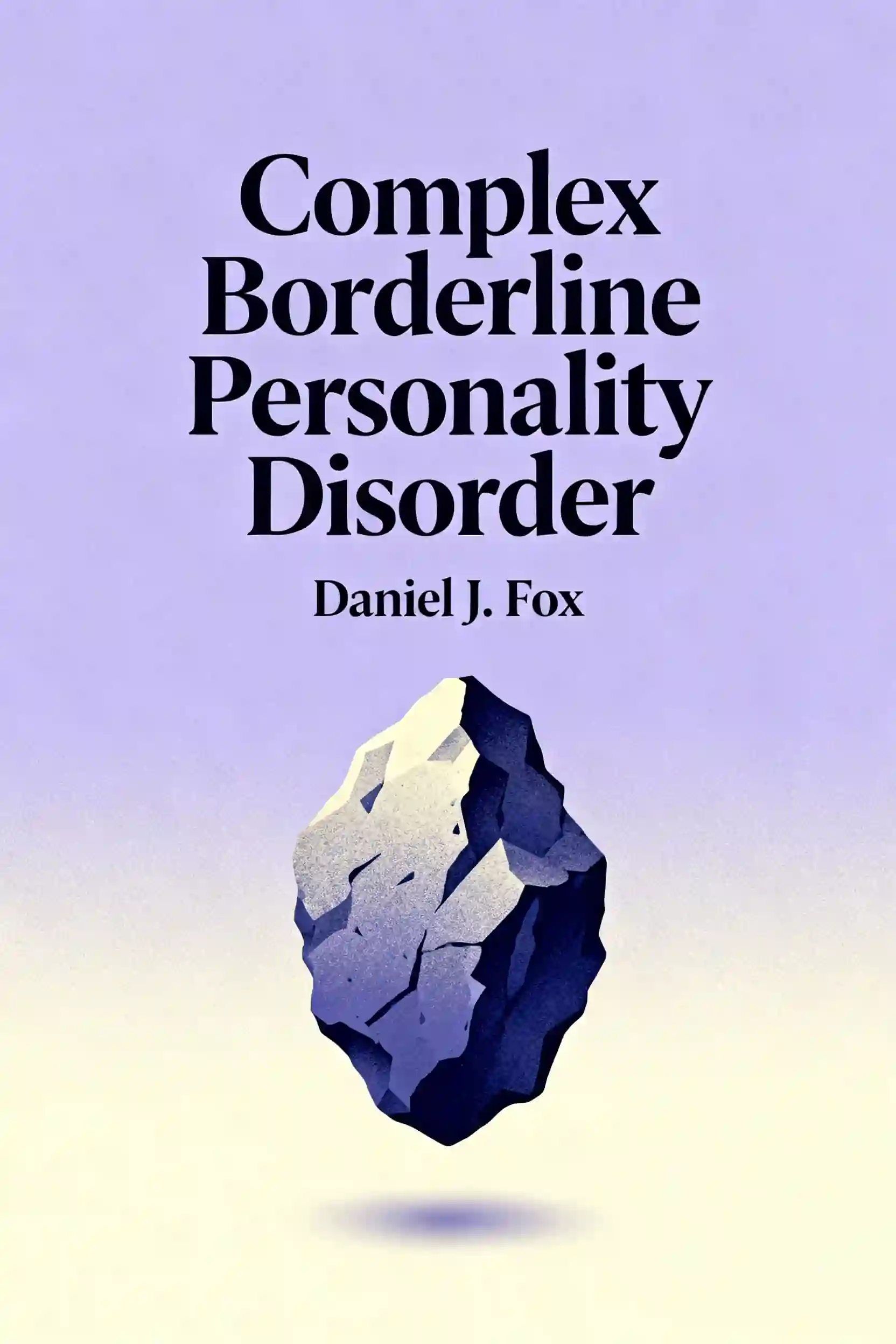
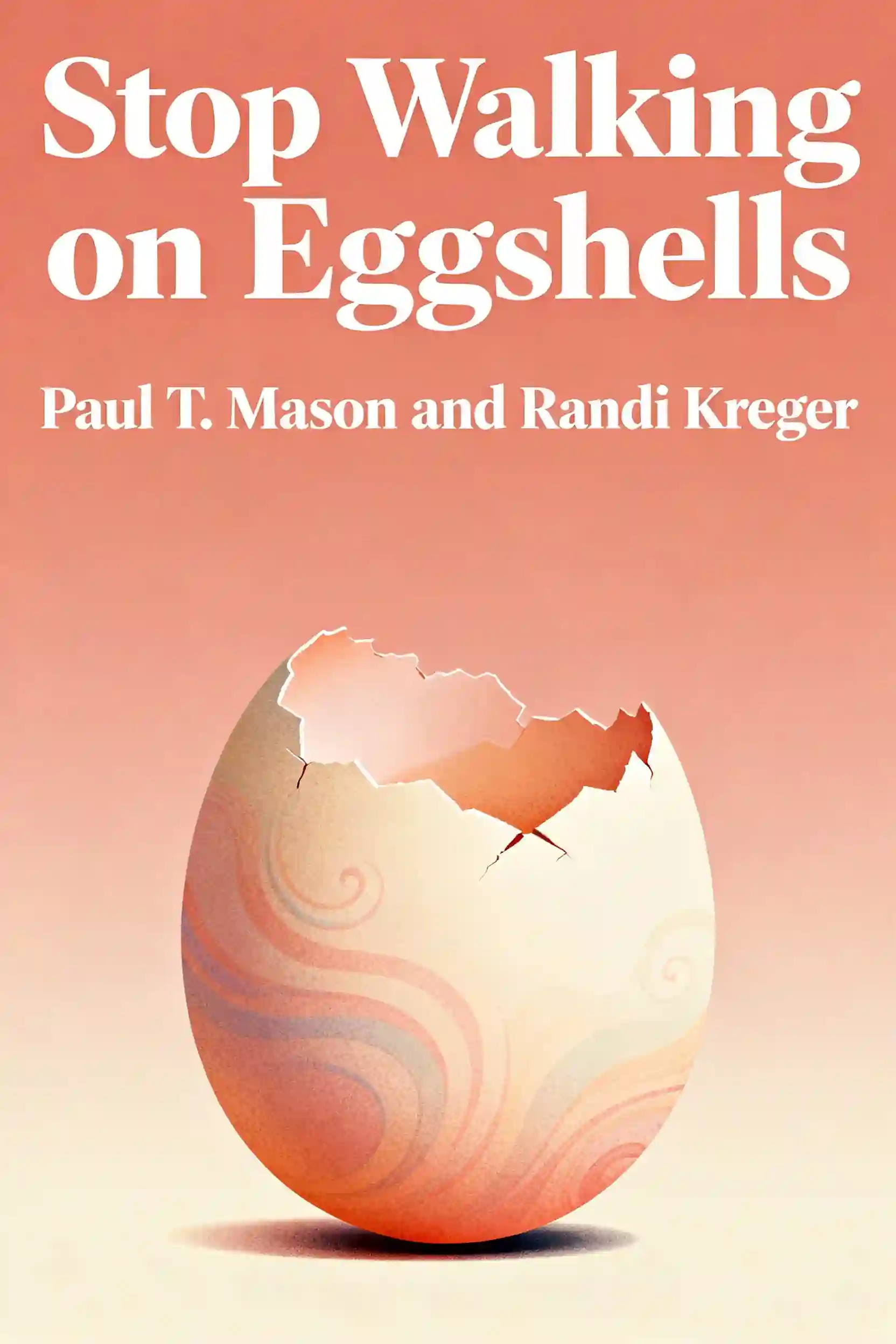
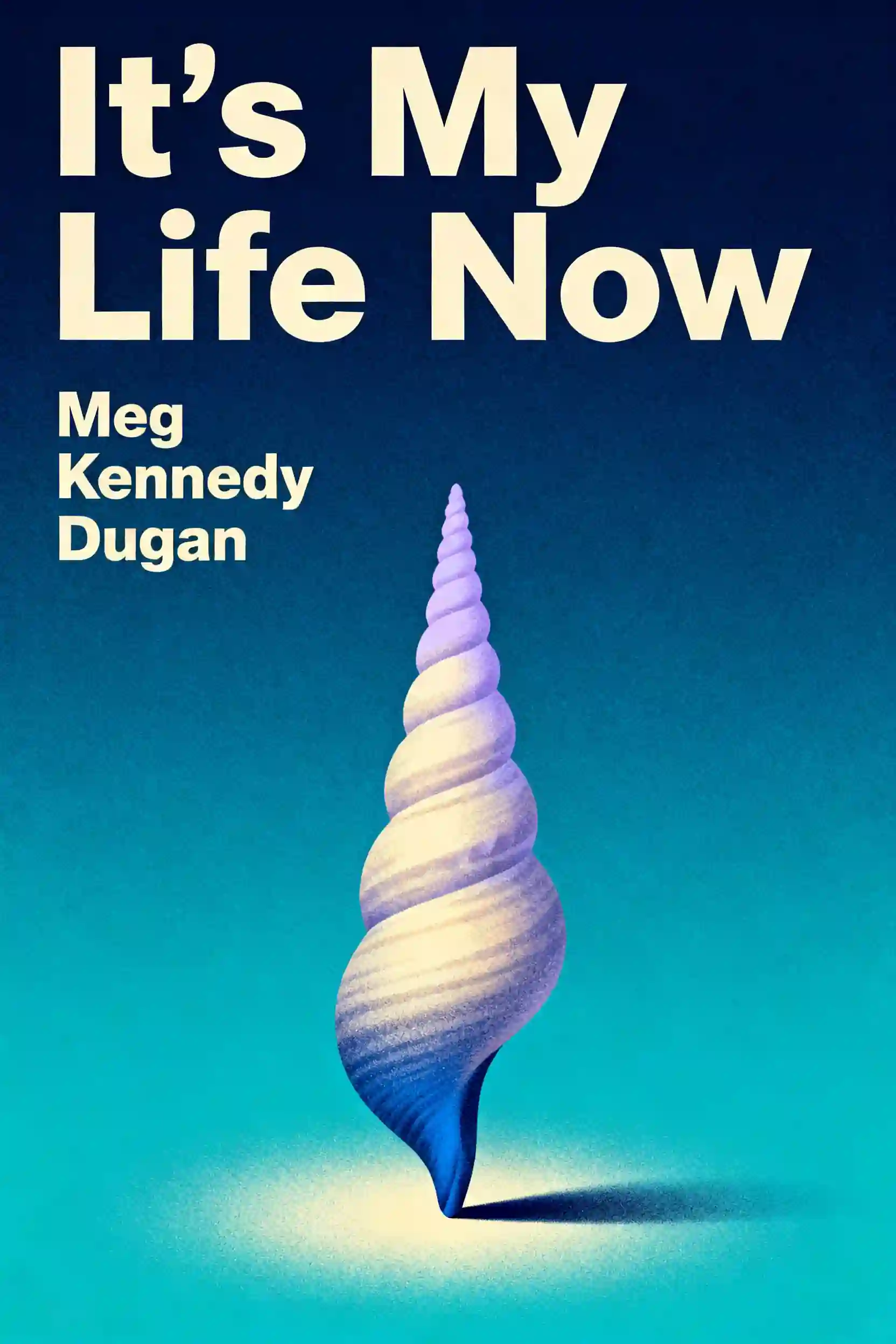
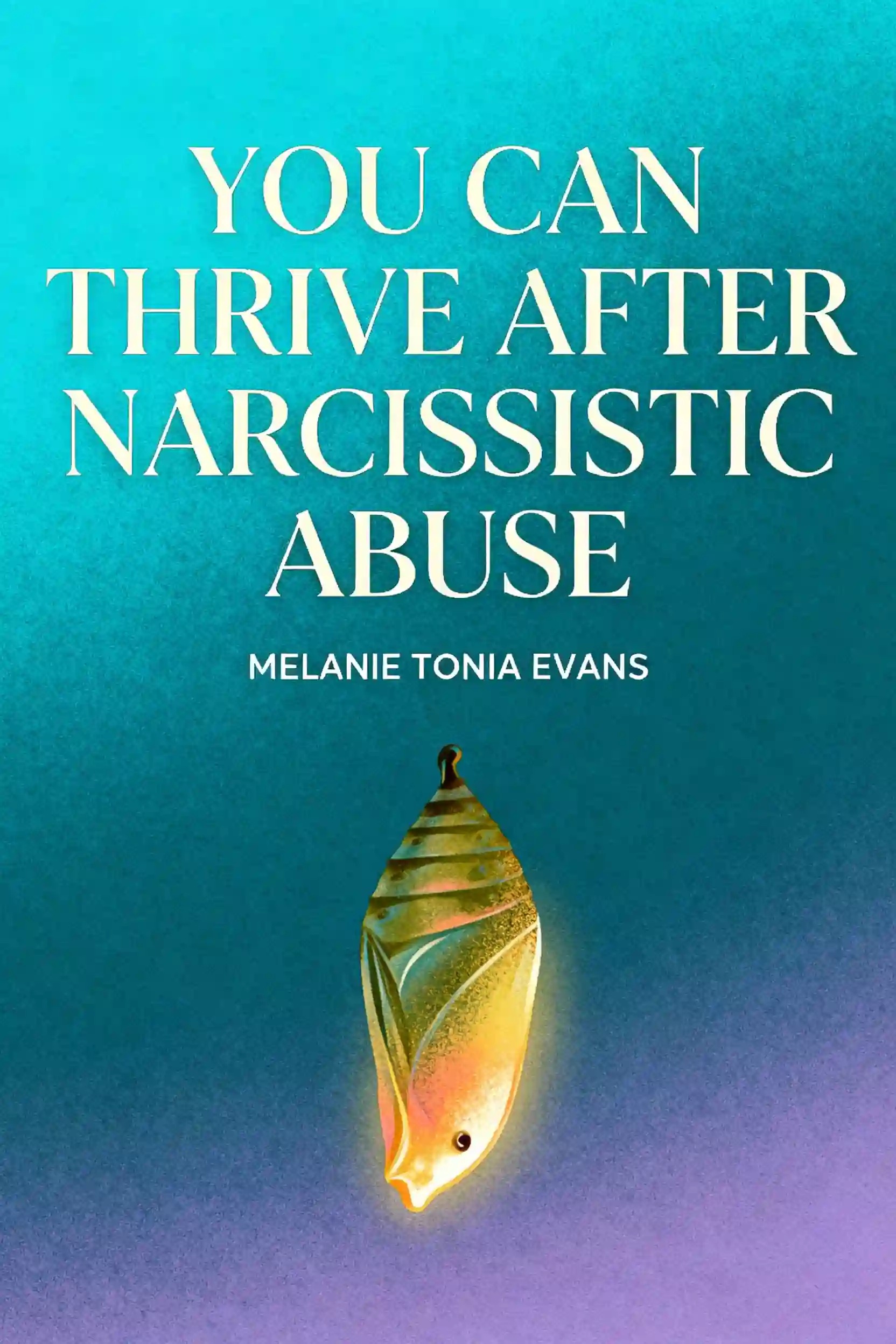
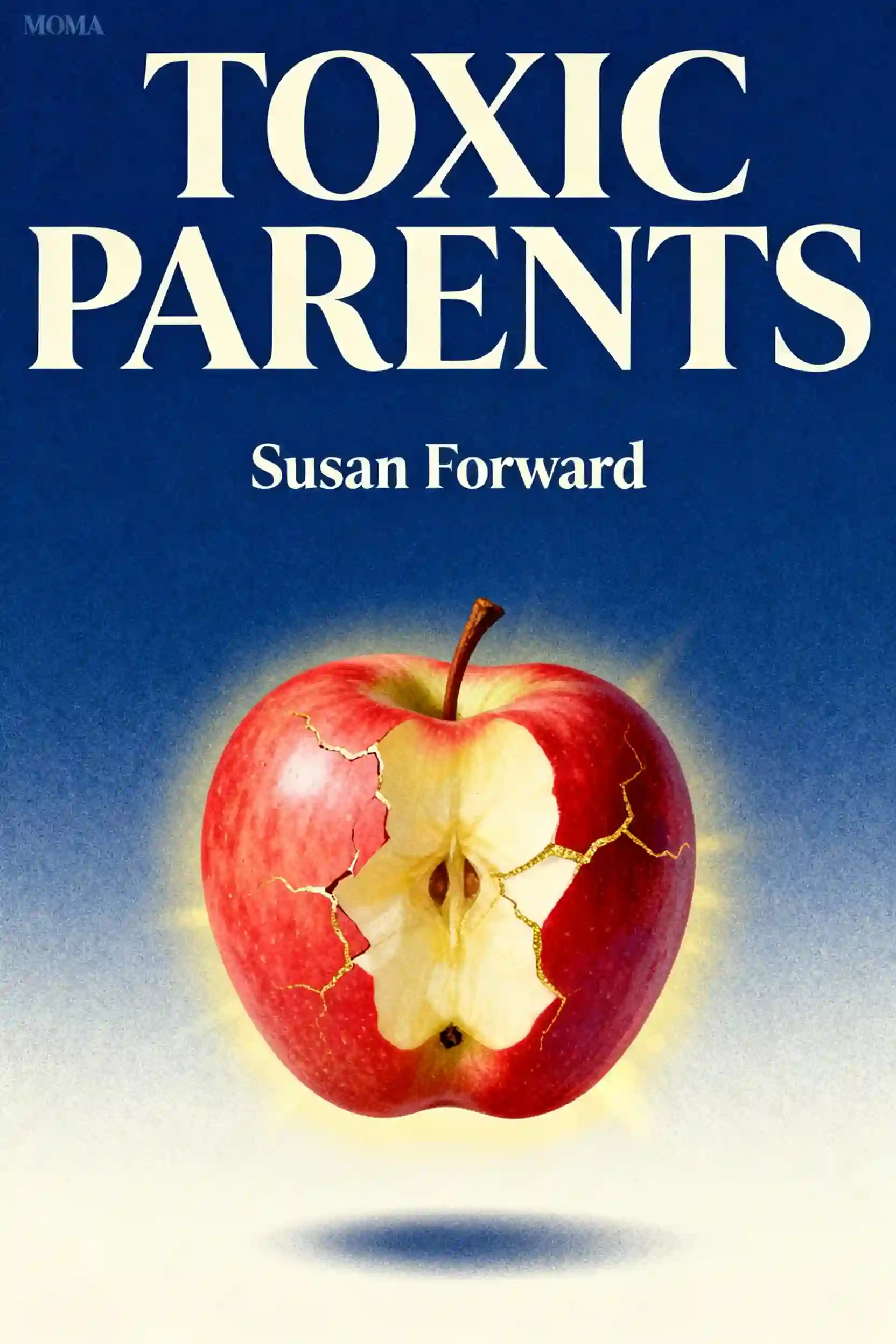
Découvrir plus

Combat CPTSD, Complex Trauma
Complex trauma from childhood abuse, neglect, or chronic relational wounds creates pervasive impacts on identity, relationships, and nervous system functioning that differ significantly from single-event PTSD. This learning plan is essential for individuals struggling with emotional dysregulation, relationship difficulties, or chronic feelings of unsafety stemming from developmental trauma who want to move from surviving to thriving. It combines neuroscience-informed approaches with compassionate inner work to address both the body-based and psychological dimensions of healing.

Build self-concept and esteem with CPTSD
This learning plan is designed for individuals navigating the long-term effects of complex trauma on their self-image. It provides a structured path to move from shame-based living to a life rooted in authentic self-worth and emotional regulation.

Navigate avoidant partner dynamic with BPD
This plan is essential for individuals struggling with the high-conflict nature of BPD and avoidant attachment pairings. It provides the psychological insight and practical regulation tools needed to transform volatile interactions into a stable, secure connection.

Break the Cycle of Unavailable Love
This plan is essential for anyone who feels stuck in a loop of chasing emotionally distant partners and mistaking instability for passion. It provides a roadmap for healing childhood wounds and shifting from anxious attachment toward secure, fulfilling relationships.

The Trauma-Informed Practice Guide
This guide is essential for mental health professionals and caregivers looking to integrate trauma-informed principles into their daily interactions. It provides a balanced approach between enhancing client outcomes and maintaining the practitioner's own long-term well-being.

Heal attachment & OCD for better bonds
This learning plan is designed for individuals who struggle with anxiety, OCD, or insecure attachment patterns that interfere with romantic relationships and personal happiness. It combines clinical psychology, attachment theory, and mindfulness practices to address both individual mental health and relationship dynamics. Whether you're experiencing relationship difficulties, managing intrusive thoughts, or seeking to break cycles from past relationships, this integrated approach provides tools for both personal healing and building secure, fulfilling partnerships.
Love and Understanding
This plan is essential for anyone seeking to break negative relationship patterns and deepen their emotional maturity. It benefits individuals looking to strengthen their bond with themselves and others through a blend of psychology and practical communication.

Understand Your Partner's Attachment Style
Attachment styles significantly influence how we connect, communicate, and handle conflict in relationships. This learning plan helps couples understand the invisible forces shaping their interactions, providing practical tools to transform relationship patterns and build deeper security together.
Cree par des anciens de Columbia University a San Francisco
"Instead of endless scrolling, I just hit play on BeFreed. It saves me so much time."


"I never knew where to start with nonfiction—BeFreed’s book lists turned into podcasts gave me a clear path."


"Perfect balance between learning and entertainment. Finished ‘Thinking, Fast and Slow’ on my commute this week."
"Crazy how much I learned while walking the dog. BeFreed = small habits → big gains."
"Reading used to feel like a chore. Now it’s just part of my lifestyle."

"Feels effortless compared to reading. I’ve finished 6 books this month already."
"BeFreed turned my guilty doomscrolling into something that feels productive and inspiring."

"BeFreed turned my commute into learning time. 20-min podcasts are perfect for finishing books I never had time for."
"BeFreed replaced my podcast queue. Imagine Spotify for books — that’s it. 🙌"

"It is great for me to learn something from the book without reading it."
"The themed book list podcasts help me connect ideas across authors—like a guided audio journey."
"Makes me feel smarter every time before going to work"
Cree par des anciens de Columbia University a San Francisco
"Instead of endless scrolling, I just hit play on BeFreed. It saves me so much time."
"I never knew where to start with nonfiction—BeFreed’s book lists turned into podcasts gave me a clear path."
"Perfect balance between learning and entertainment. Finished ‘Thinking, Fast and Slow’ on my commute this week."
"Crazy how much I learned while walking the dog. BeFreed = small habits → big gains."
"Reading used to feel like a chore. Now it’s just part of my lifestyle."
"Feels effortless compared to reading. I’ve finished 6 books this month already."
"BeFreed turned my guilty doomscrolling into something that feels productive and inspiring."
"BeFreed turned my commute into learning time. 20-min podcasts are perfect for finishing books I never had time for."
"BeFreed replaced my podcast queue. Imagine Spotify for books — that’s it. 🙌"
"It is great for me to learn something from the book without reading it."
"The themed book list podcasts help me connect ideas across authors—like a guided audio journey."
"Makes me feel smarter every time before going to work"
"Instead of endless scrolling, I just hit play on BeFreed. It saves me so much time."
"I never knew where to start with nonfiction—BeFreed’s book lists turned into podcasts gave me a clear path."
"Perfect balance between learning and entertainment. Finished ‘Thinking, Fast and Slow’ on my commute this week."
"Crazy how much I learned while walking the dog. BeFreed = small habits → big gains."
"Reading used to feel like a chore. Now it’s just part of my lifestyle."
"Feels effortless compared to reading. I’ve finished 6 books this month already."
"BeFreed turned my guilty doomscrolling into something that feels productive and inspiring."
"BeFreed turned my commute into learning time. 20-min podcasts are perfect for finishing books I never had time for."
"BeFreed replaced my podcast queue. Imagine Spotify for books — that’s it. 🙌"
"It is great for me to learn something from the book without reading it."
"The themed book list podcasts help me connect ideas across authors—like a guided audio journey."
"Makes me feel smarter every time before going to work"
"Instead of endless scrolling, I just hit play on BeFreed. It saves me so much time."
"I never knew where to start with nonfiction—BeFreed’s book lists turned into podcasts gave me a clear path."
"Perfect balance between learning and entertainment. Finished ‘Thinking, Fast and Slow’ on my commute this week."
"Crazy how much I learned while walking the dog. BeFreed = small habits → big gains."
"Reading used to feel like a chore. Now it’s just part of my lifestyle."
"Feels effortless compared to reading. I’ve finished 6 books this month already."
"BeFreed turned my guilty doomscrolling into something that feels productive and inspiring."
"BeFreed turned my commute into learning time. 20-min podcasts are perfect for finishing books I never had time for."
"BeFreed replaced my podcast queue. Imagine Spotify for books — that’s it. 🙌"
"It is great for me to learn something from the book without reading it."
"The themed book list podcasts help me connect ideas across authors—like a guided audio journey."
"Makes me feel smarter every time before going to work"